


Hi friends,
Many people assume that healthy aging is mostly determined by genetics.
While genetics certainly play a role, daily habits often have a much greater influence on how we feel, move, think, and function as we get older.
Some people reach their 70s feeling strong, active, socially connected, and independent.
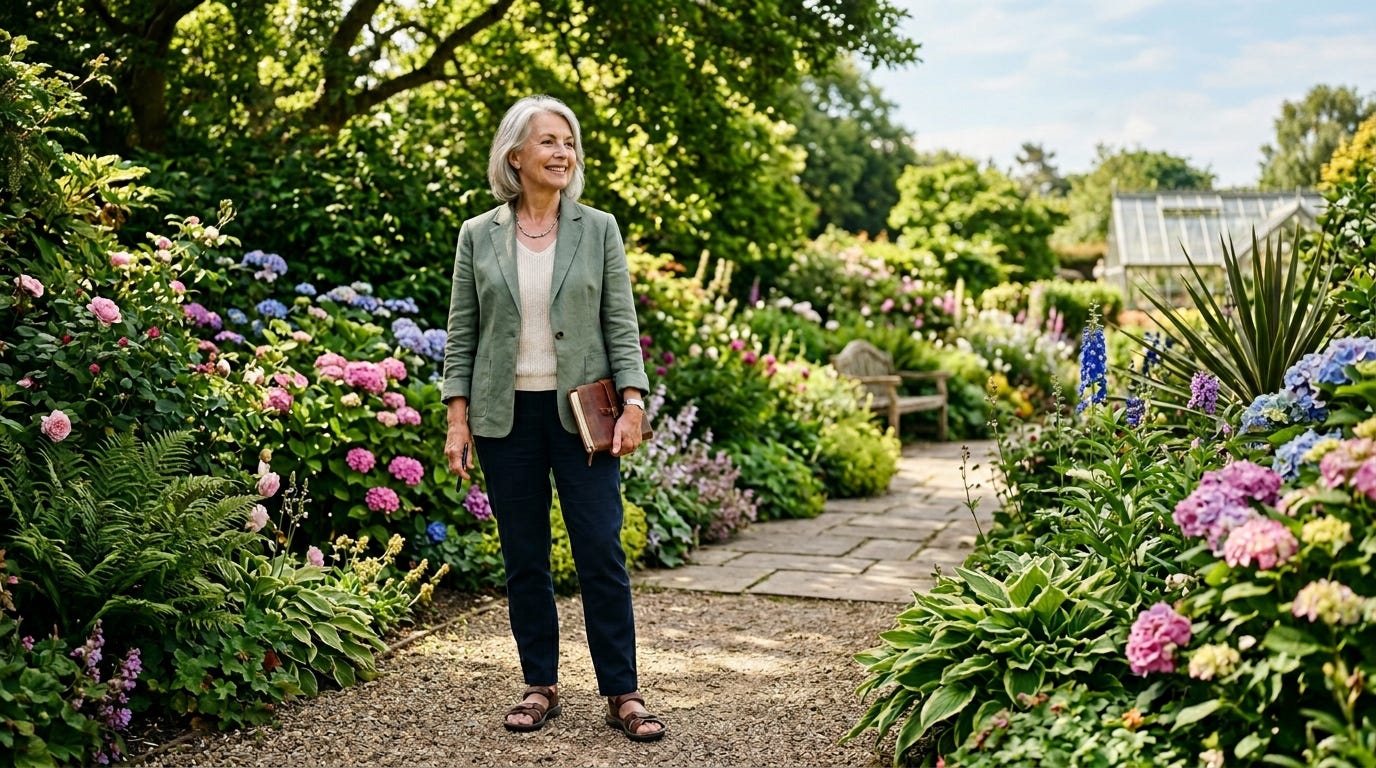
Others begin to struggle with mobility, energy, balance, memory, and chronic health challenges.
The difference is often found in the small things repeated consistently over many years.
The encouraging news is that many of the habits associated with healthy aging can be practiced at any age.
The body continues to adapt, rebuild, and respond to positive lifestyle changes throughout life.
In Less Than 10 Minutes, We’ll Cover:
Why muscle becomes increasingly important after 70
The role of walking and daily movement
How protein supports healthy aging
Why balance training deserves attention
The importance of social connection
How sleep influences longevity
Simple ways to protect brain health
The connection between purpose and well-being
Foods that support healthy aging
Practical habits that help maintain independence
Before we begin, if you enjoy practical wellness breakdowns that connect nutrition, physiology, and everyday habits without the wellness fluff, consider subscribing to Holistic Magazine.
Free subscribers receive structured, science-backed wellness articles each week.
Paid subscribers receive the deeper protocols, advanced nutrition guides, meal systems, and premium wellness breakdowns we usually cannot fit into regular posts.
Here’s what paid subscribers are reading right now:
and more...
We publish two premium articles per week.
Protect Your Muscle Mass
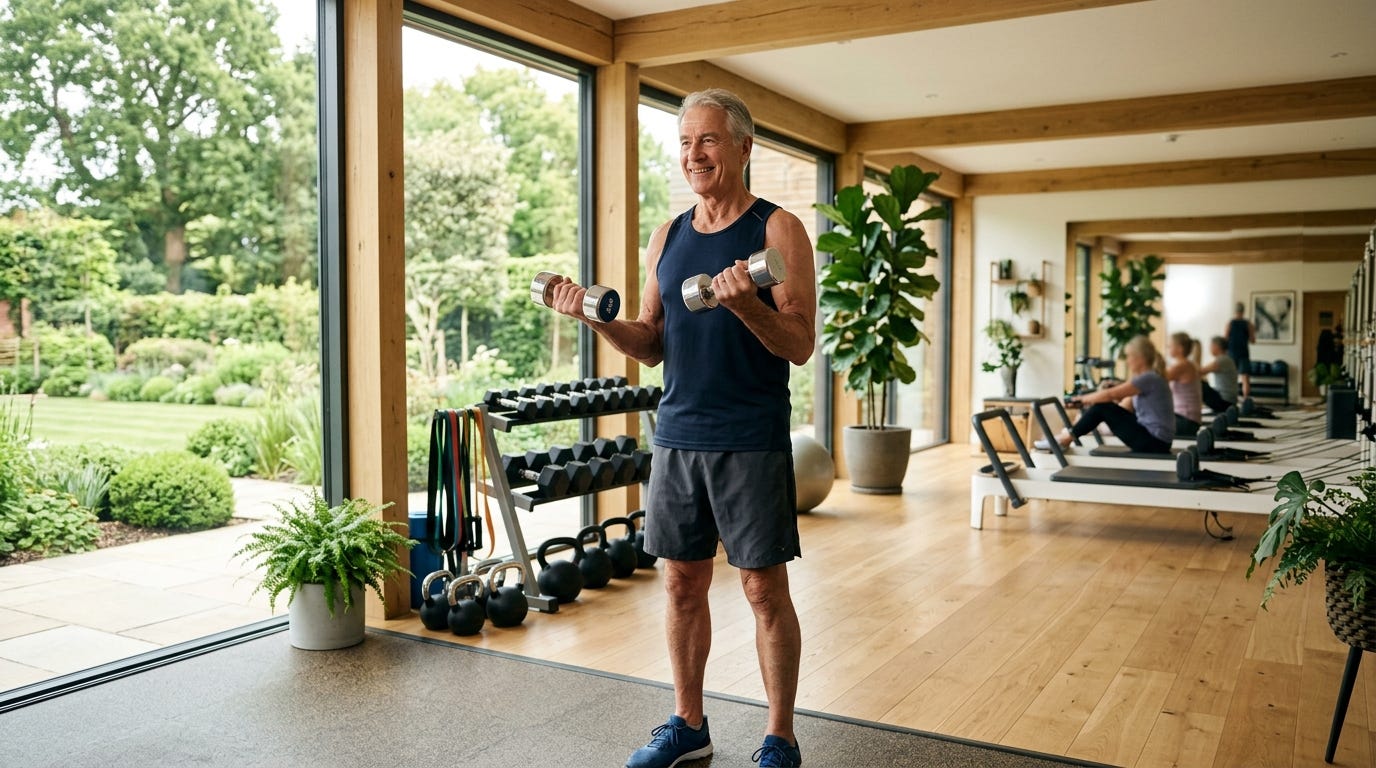
One of the most important predictors of healthy aging is muscle.
Muscle supports balance, mobility, bone strength, metabolic health, and independence.
As we age, muscle naturally declines if it is not challenged regularly.
This is one reason strength training becomes increasingly valuable during our 60s, 70s, and beyond.
Even modest resistance training can help support strength, confidence, and daily function.
Many activities people enjoy later in life depend on maintaining muscle.
Carrying groceries, climbing stairs, getting up from a chair, gardening, traveling, and playing with grandchildren all become easier when strength is preserved.
Walk Every Day

Walking remains one of the most powerful forms of exercise available.
It supports circulation, cardiovascular health, digestion, blood sugar regulation, joint mobility, mood, and cognitive function.
Daily walks do not need to be intense.
Consistency often matters more than speed.
Many long-lived populations around the world naturally incorporate walking into everyday life.
Movement was never meant to be something reserved for the gym.
The human body thrives when it moves regularly throughout the day.
Eat More Protein
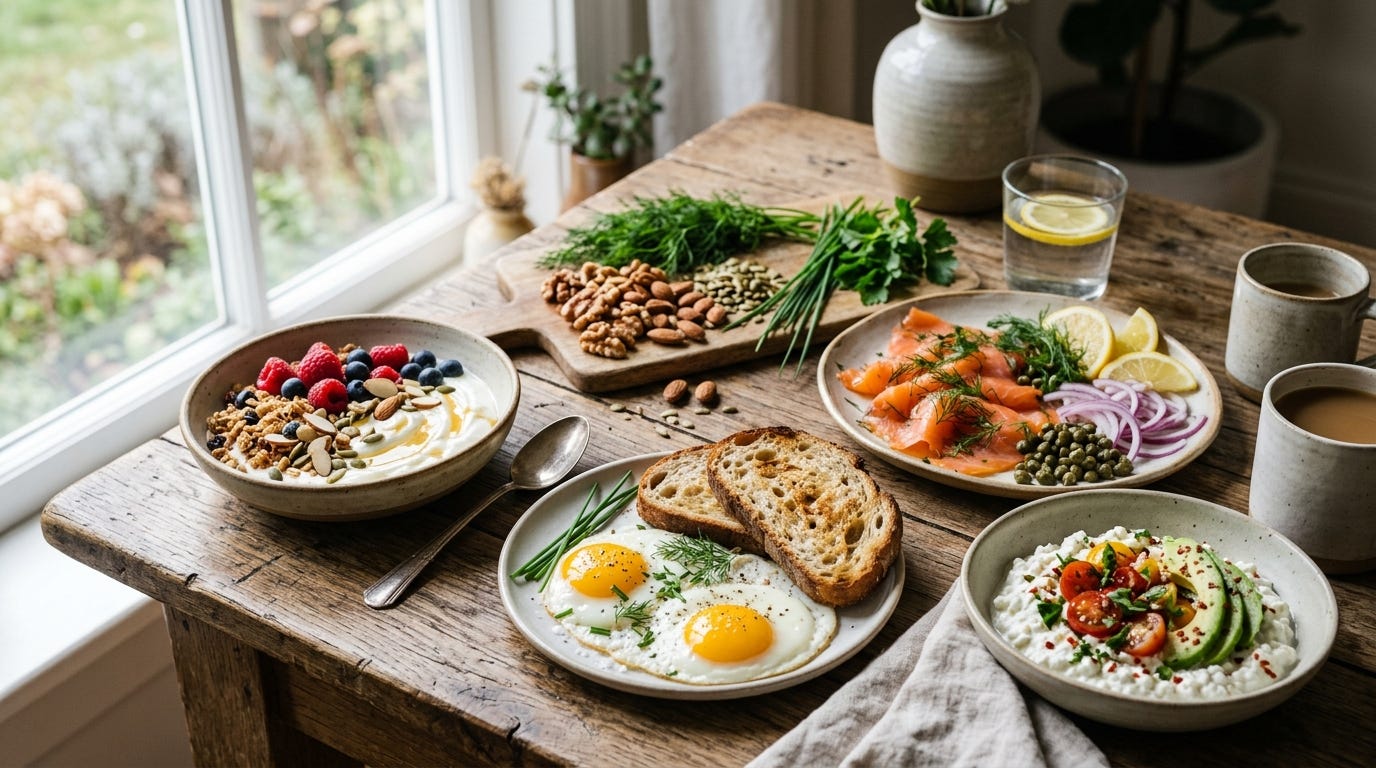
Protein becomes increasingly important with age.
The body becomes less efficient at building and maintaining muscle over time.
Adequate protein intake helps support muscle repair, immune function, recovery, and overall resilience.
Foods such as eggs, fish, poultry, Greek yogurt, legumes, cottage cheese, and quality meats provide valuable protein.
Many older adults consume less protein than they realize.
Small increases can often make a meaningful difference over time.
Don’t Neglect Balance
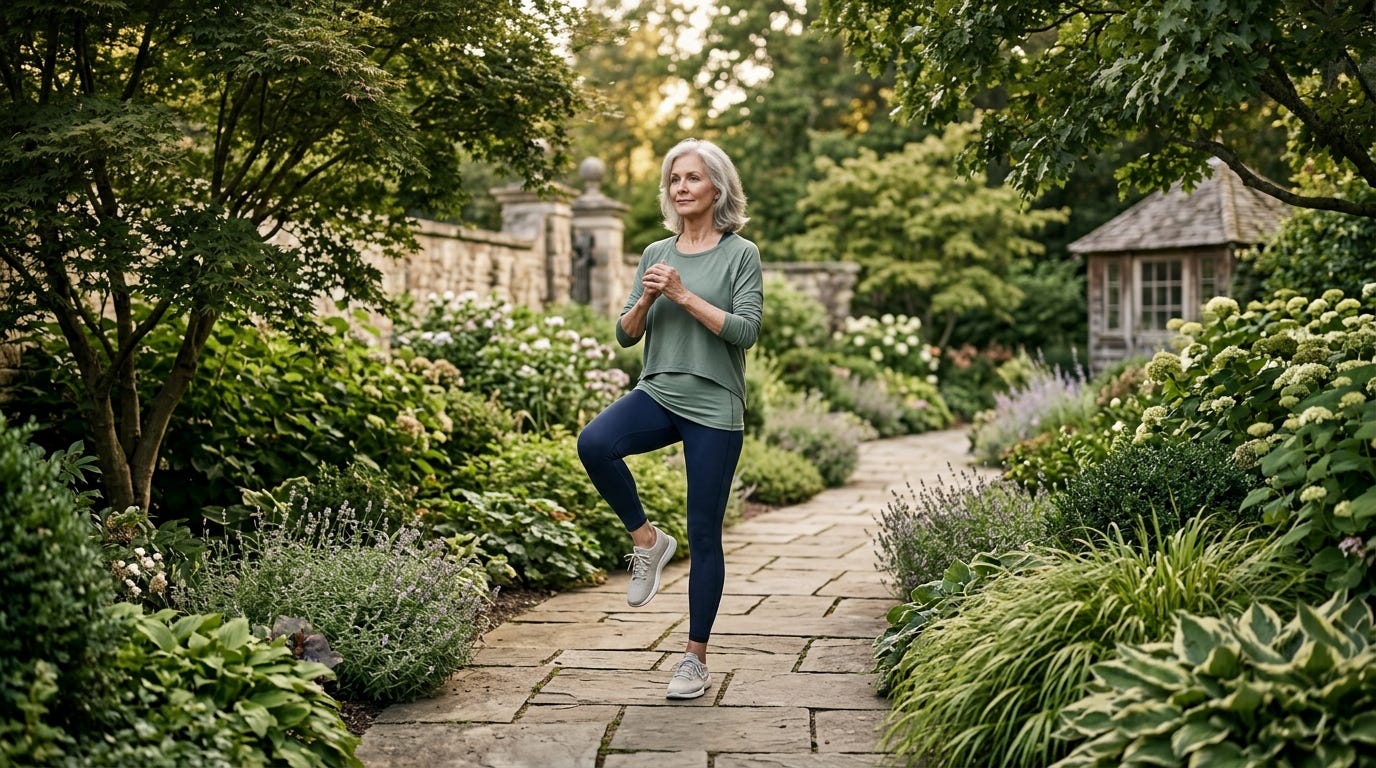
Falls remain one of the most common reasons older adults lose independence.
Balance is a skill that can be practiced.
Simple activities such as walking on uneven surfaces, tai chi, strength training, and mobility exercises all help maintain stability.
The goal is maintaining confidence and reducing risk while continuing to live an active life.
Stay Connected

Social connection is one of the strongest predictors of long-term health and well-being.
Humans are designed for community.
Meaningful conversations, friendships, family relationships, volunteering, and shared activities all contribute to emotional and physical health.
Many people focus heavily on nutrition and exercise while overlooking the importance of connection.
Healthy aging involves both the body and the mind.
Protect Your Sleep

Sleep becomes increasingly valuable with age.
During sleep, the body performs critical maintenance and repair processes that influence immune function, recovery, cognitive performance, and overall health.
Many adults accept poor sleep as a normal part of aging.
However, healthy sleep habits can make a significant difference in energy, mood, memory, and quality of life.
A consistent bedtime, morning sunlight exposure, daily movement, and limiting late-night stimulation all help support better sleep.
Keep Your Brain Active

The brain responds positively to challenge throughout life.
Learning new skills, reading, playing music, solving puzzles, engaging in conversation, and staying curious all help stimulate cognitive function.
Mental engagement works much like physical exercise.
The more regularly it is practiced, the more benefits tend to accumulate over time.
Lifelong learning is one of the habits frequently shared among people who remain mentally sharp well into older age.
Maintain A Sense Of Purpose
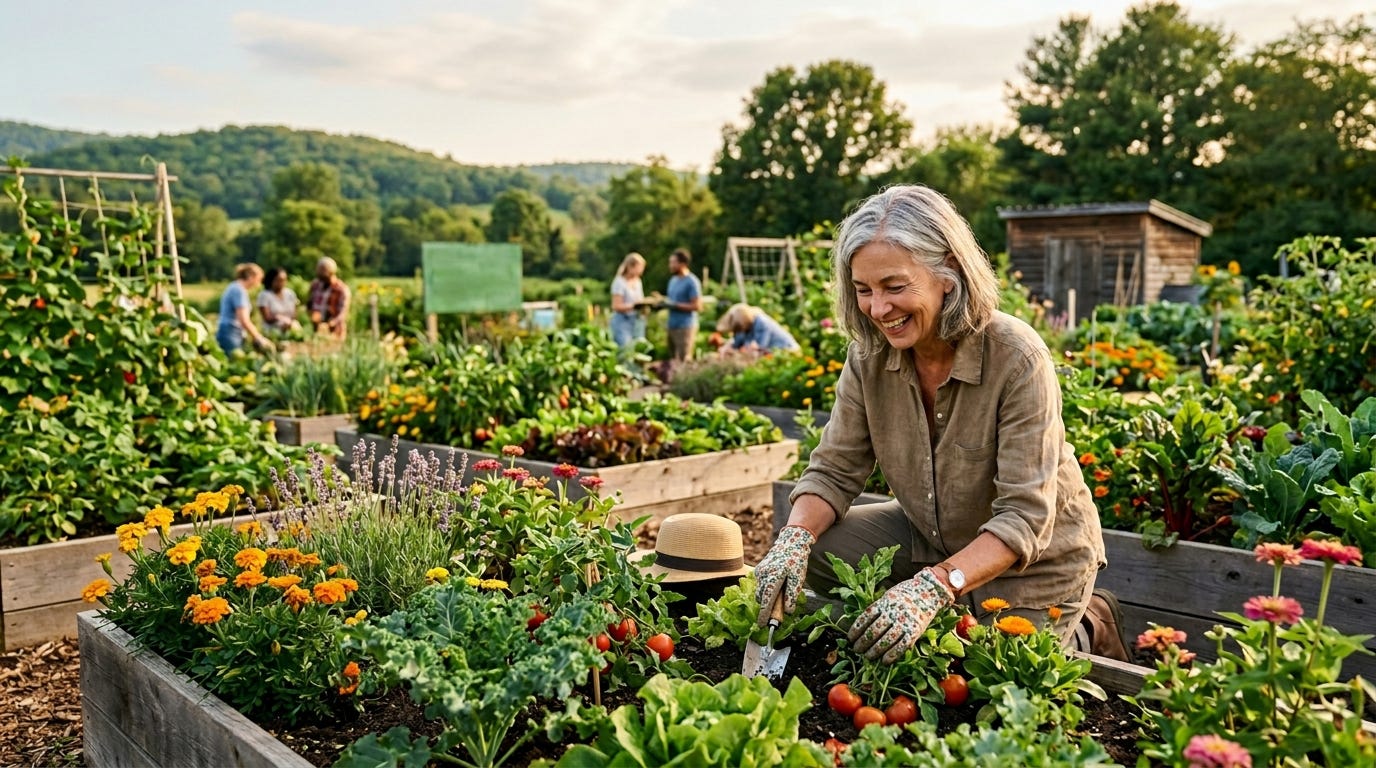
Purpose provides direction.
Research consistently finds that people who maintain meaningful goals, hobbies, relationships, volunteer work, spiritual practices, or community involvement often experience greater life satisfaction as they age.
Purpose creates a reason to stay engaged with life.
It supports emotional well-being and helps people remain connected to the things that matter most.
Other Wellness Habits Worth Prioritizing

Many small habits can have a surprisingly large impact when practiced consistently.
Consider making these part of your routine:
Spend time outdoors every day
Eat colorful fruits and vegetables regularly
Stay hydrated throughout the day
Prioritize omega-3 rich foods such as salmon, sardines, and walnuts
Practice simple stretching exercises to maintain mobility
Schedule regular hearing and vision checkups
Maintain strong friendships
Keep a hobby that challenges your mind
Spend time with younger generations
Laugh often
Limit prolonged sitting
Continue traveling and exploring when possible
Practice gratitude daily
Maintain regular meal times
Keep your home free of unnecessary fall hazards
Healthy aging rarely comes from one major change.
It is usually the result of many small habits repeated consistently over time.
Bringing It Together

The goal of aging well is not simply living longer.
The goal is maintaining strength, mobility, independence, purpose, and quality of life for as long as possible.
Muscle, movement, nutrition, sleep, social connection, brain stimulation, and meaningful daily habits all work together to support healthy aging.
The good news is that many of these habits are available to nearly everyone.
Small actions practiced consistently often create the biggest results.
The body continues responding to positive choices throughout life.
Every decade provides new opportunities to support your health and well-being.
If you want deeper breakdowns on healthy aging, longevity nutrition, mobility, brain health, muscle preservation, sleep, inflammation, and practical wellness strategies, paid subscribers get access to the full premium guides and advanced wellness breakdowns we don’t publish publicly.
Here’s what paid subscribers are reading right now:
and more...
We publish two premium articles per week.