

Hi friends,
A lot of people notice that their hands and feet feel cold more often than they should, even in warm environments or when the rest of their body feels fine, and this usually comes down to how blood flow is being distributed, not just overall body temperature.

Your body is constantly making decisions about where blood needs to go, prioritizing vital organs like your brain and core when it senses stress, low energy availability, or shifts in your internal balance, and when that happens, circulation to your extremities is often the first thing that gets reduced.
In Less Than 10 Minutes, We’ll Cover:
Why your hands and feet feel cold
How circulation is regulated in the body
The role of stress and the nervous system
How nutrients and blood flow connect
Simple ways to support circulation naturally
Subscribe to Holistic Magazine for clear, practical insights that cut through the noise around health.
Free subscribers get our general articles, simple, structured breakdowns that help you understand how your body works and what your symptoms may be pointing to.
Paid subscribers get access to information that’s too honest to say publicly, the kind of information that’s harder to find, including detailed protocols, nuanced patterns most content skips over, and practical systems you can actually follow based on how your body responds.
Here’s what paid subscribers are reading right now:
Why Your Hands and Feet Feel Cold
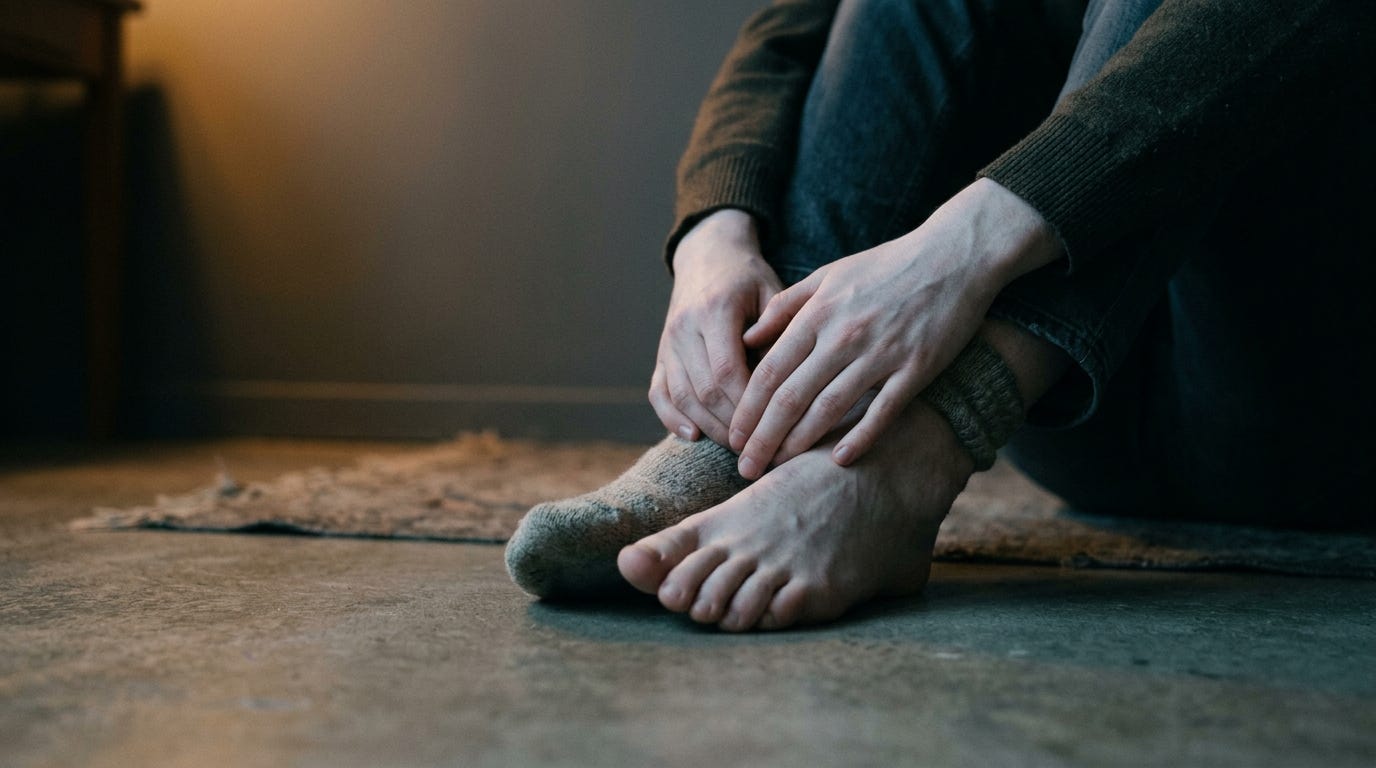
Cold hands and feet are often a sign that your body is conserving heat and energy by limiting blood flow to the outer parts of your body.
This isn’t random, it’s a controlled response driven by your nervous system, especially when your body senses that it needs to stay in a more protective state, whether from stress, low calorie intake, poor circulation efficiency, or even subtle nutrient imbalances.
When blood vessels in your hands and feet constrict, less warm blood reaches those areas, which is why they feel cold even if your core temperature hasn’t changed much.
How Circulation Is Regulated

Circulation is not just about how much blood you have, it’s about how well your body moves it and where it decides to send it.
Your blood vessels are constantly adjusting, expanding and contracting based on signals from your nervous system, hormones, and local tissue needs.
When circulation is balanced, blood flows easily to your extremities, supporting warmth, movement, and sensation.
When it’s not, your body starts prioritizing, and your hands and feet tend to get less of that flow.
The Role of Stress and the Nervous System

One of the biggest drivers of cold extremities is your nervous system state.
When you’re under stress, your body shifts into a more alert mode, increasing signals that tighten blood vessels and redirect blood toward your core, which is useful short term but can become a pattern when stress is constant.
Over time, this can make cold hands and feet feel like a normal baseline, even when nothing obvious feels wrong.
This is why people often notice colder extremities during periods of high stress, poor sleep, or long stretches of mental strain.
The Nutrient and Circulation Connection

Circulation also depends on how well your body can produce energy and maintain healthy blood flow.
Minerals like iron, magnesium, and potassium all play roles in oxygen delivery, muscle function, and blood vessel relaxation, which directly influence how well blood moves through your body.
When these are low or not well absorbed, circulation can feel weaker or less efficient, which sometimes shows up as cold hands, cold feet, or even a general sense of low warmth.
Signs Your Circulation May Need Support
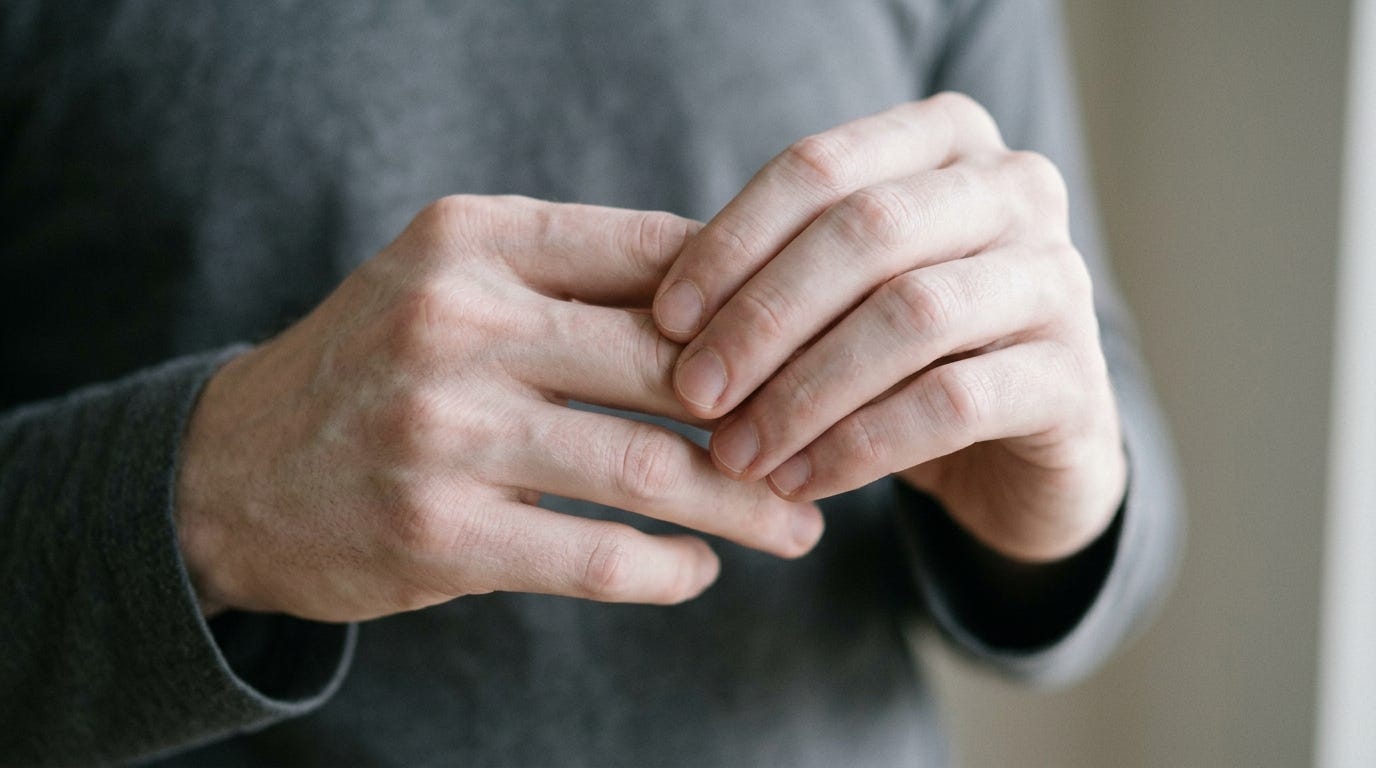
Cold hands and feet are often part of a broader pattern.
You might also notice things like:
Tingling or numbness in your fingers or toes
Slow warming after being in the cold
Fatigue or low energy throughout the day
Pale or slightly bluish skin in extremities
A tendency to feel cold more often than others
These signs usually reflect how your body is managing blood flow rather than a single isolated issue.
Simple Ways to Support Circulation

Improving circulation usually comes down to helping your body feel safe enough to send blood outward again and giving it the support it needs to do that efficiently.
Light movement like walking, stretching, or even shaking out your hands can help stimulate blood flow and improve warmth fairly quickly.
Supporting your nervous system through consistent sleep, regular meals, and reducing long periods of stress can also shift how your body distributes blood over time.
Nutritionally, making sure you’re getting enough minerals and supporting digestion so those nutrients are actually absorbed can make a noticeable difference.
Even small habits, like keeping your core warm or starting your day with gentle movement, can help signal your body that it’s safe to circulate more freely.
Bringing It Together

Cold hands and feet aren’t just about temperature, they’re a reflection of how your body is managing circulation, energy, and stress at the same time.
When those systems are supported, blood flow tends to improve naturally, and warmth returns without forcing it.
Like most patterns in the body, this isn’t about one single fix, it’s about creating the conditions where your body feels stable enough to distribute blood the way it’s meant to.
If you want a more structured way to apply this,
Paid subscribers get access to:
circulation-support protocols based on daily patterns
how to adjust nutrition and minerals for blood flow
simple routines to improve warmth and energy
deeper guidance on stress, sleep, and recovery
You can upgrade below to access the full system.