

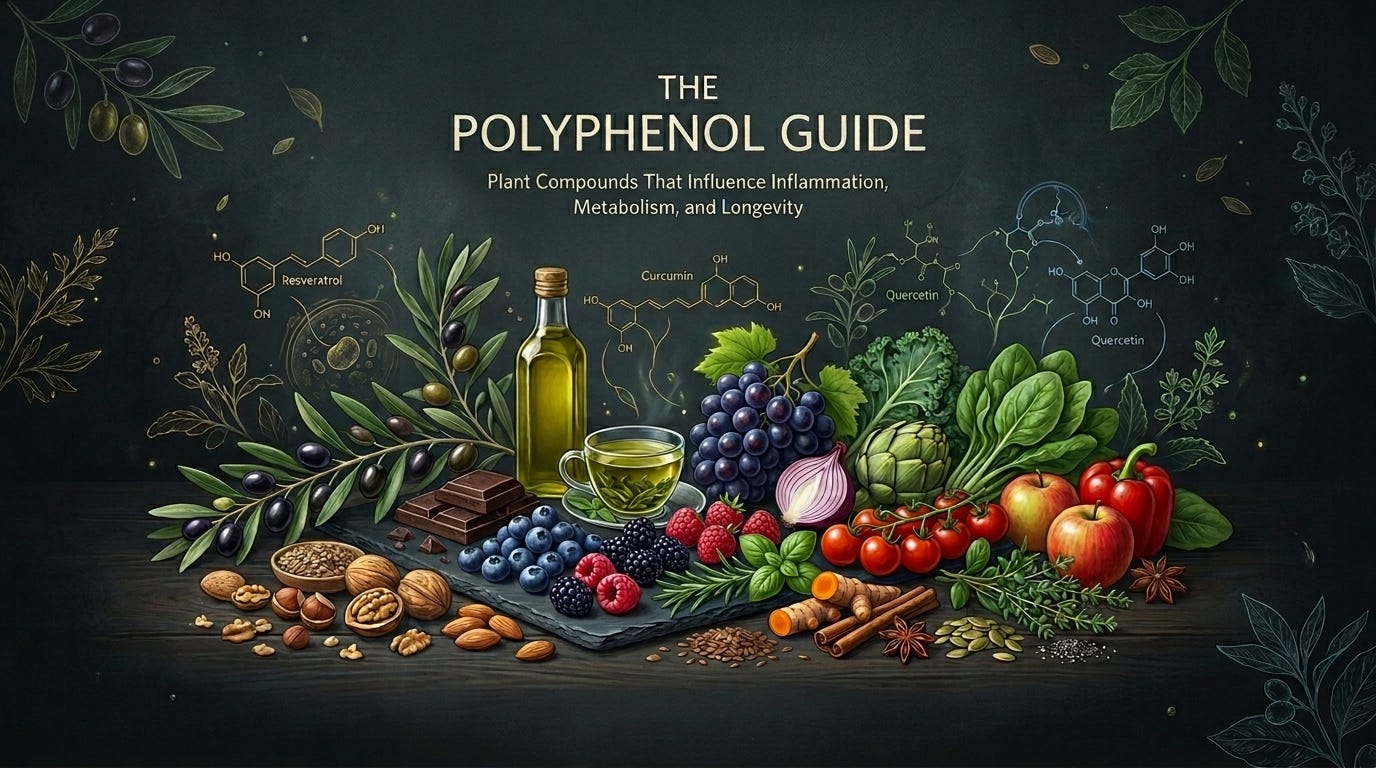
What Polyphenols Actually Are
Polyphenols are naturally occurring compounds found in plants.
Plants produce these compounds as protective molecules.
They help plants defend against environmental stress such as ultraviolet light, pathogens, and oxidative damage.
When humans consume plant foods, these compounds interact with biological systems that influence metabolism, immune regulation, and cellular repair.
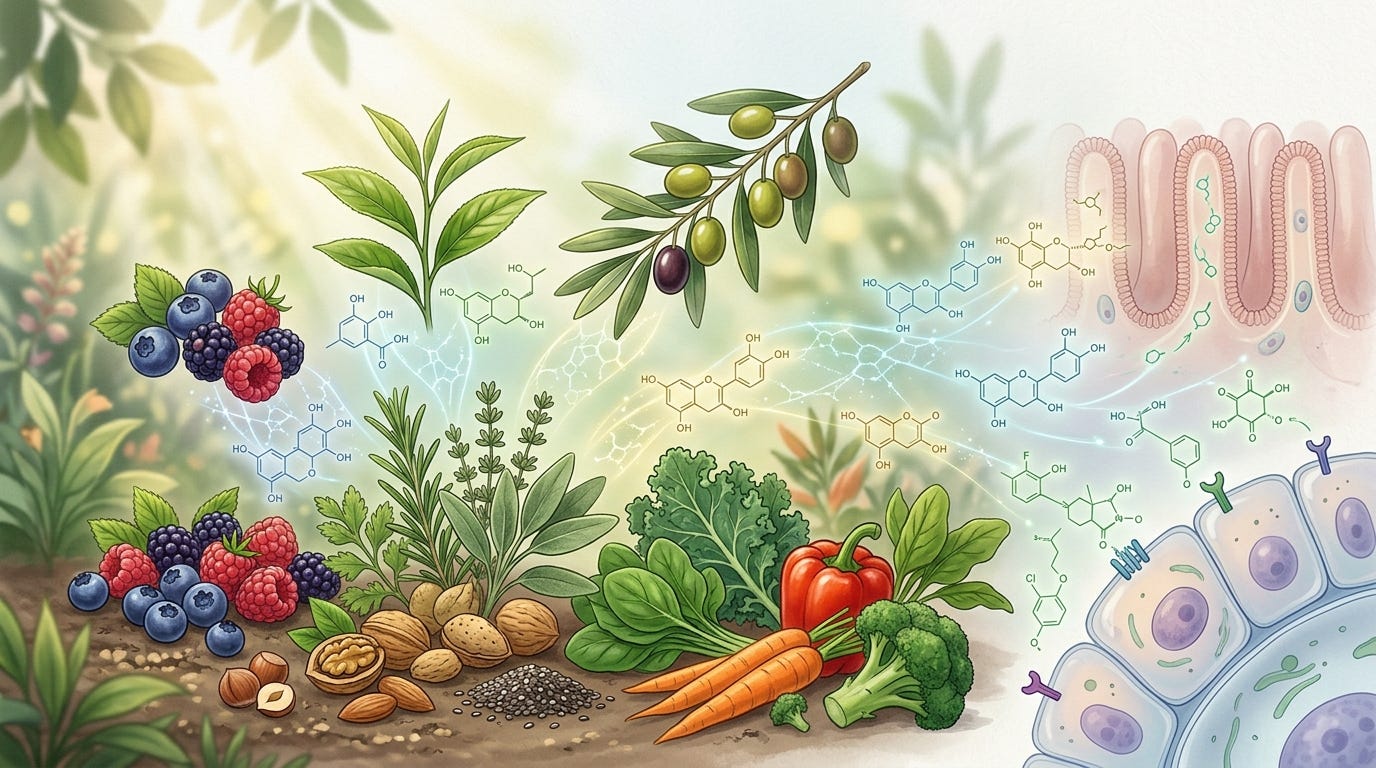
Polyphenols are abundant in foods such as:
berries
tea
olives
herbs and spices
nuts and seeds
colorful fruits and vegetables
Unlike vitamins and minerals, polyphenols are not classified as essential nutrients.
However, research suggests they influence many processes associated with long-term health.
These include:
inflammation signaling
oxidative stress balance
gut microbiome activity
vascular health
metabolic regulation
Polyphenols work through multiple pathways rather than a single mechanism.
This is one reason diets rich in plant diversity are often associated with improved metabolic and cardiovascular outcomes.
Why Polyphenols Matter for Longevity
One of the main ways polyphenols influence health is through their interaction with cellular signaling pathways.
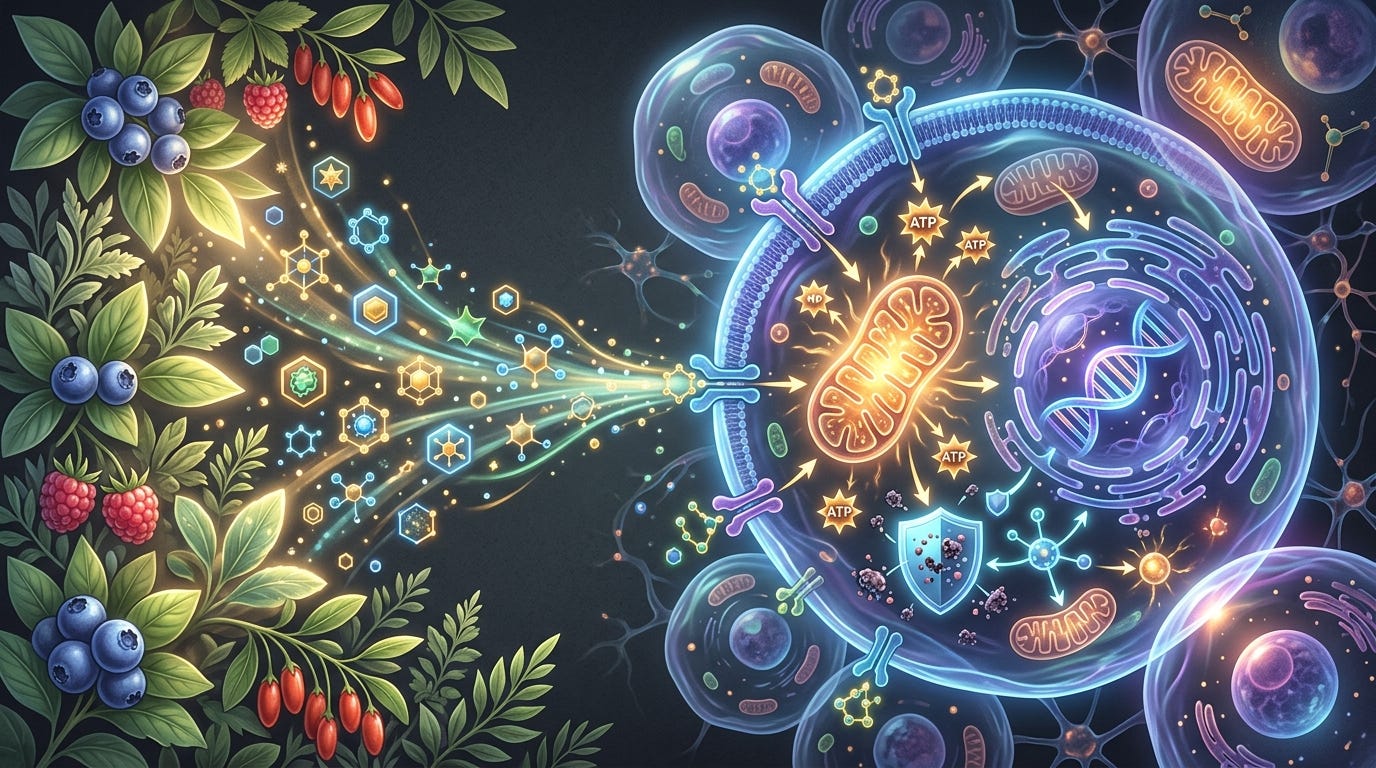
Cells constantly respond to environmental signals.
These signals determine whether the body prioritizes growth, repair, or defense.
Polyphenols appear to influence pathways involved in:
antioxidant defense systems
inflammatory regulation
mitochondrial function
metabolic signaling
Rather than acting as simple antioxidants, many polyphenols appear to stimulate the body’s own defense systems.
This process is sometimes described as hormesis, where small exposures to certain compounds trigger protective responses.
In this way, polyphenols may help activate cellular systems responsible for repair and resilience.
These same systems are closely connected to mechanisms associated with aging.
Polyphenols and the Gut Microbiome
Polyphenols also interact strongly with the gut microbiome.
Many polyphenols are not fully absorbed in the small intestine.
Instead, they travel to the colon where gut microbes metabolize them.
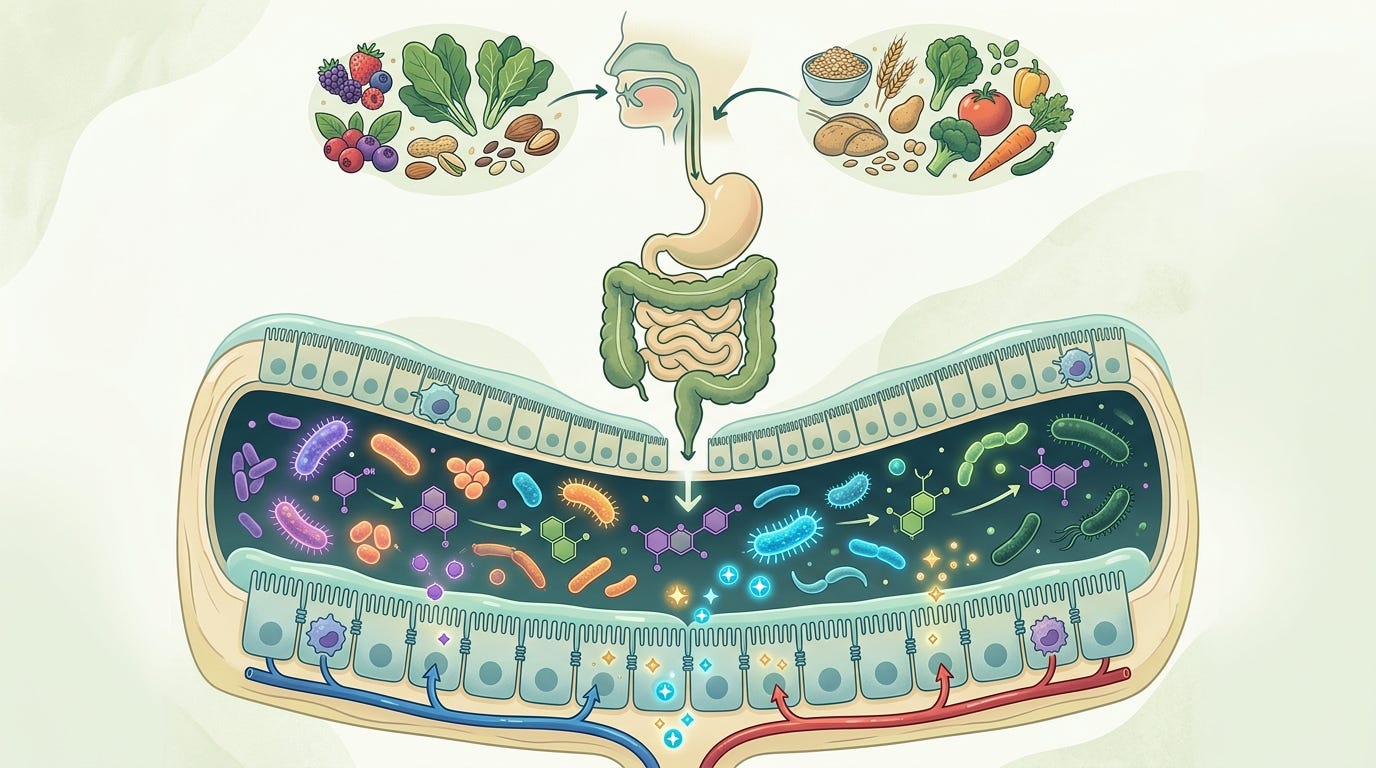
This interaction creates a two-way relationship.
Gut microbes help transform polyphenols into biologically active compounds.
At the same time, polyphenols help shape microbial composition.
Some polyphenols appear to support beneficial microbial species while reducing the growth of less favorable organisms.
Through this interaction, polyphenols may influence:
gut barrier integrity
immune regulation
metabolic signaling
inflammatory balance
This connection between plant compounds and gut microbes is one reason dietary diversity plays an important role in metabolic health.
Different plants contain different polyphenols.
Greater diversity in plant intake often leads to greater diversity in microbial metabolites.
Why Plant Diversity Matters
Different plants contain different types of polyphenols.
There are thousands of polyphenolic compounds found in nature, and each interacts with biological systems in slightly different ways.
Some polyphenols influence vascular health.
Others support microbial diversity in the gut.
Some interact with signaling pathways involved in inflammation or metabolic regulation.
This is why nutrition research often emphasizes plant diversity rather than a single “superfood.”
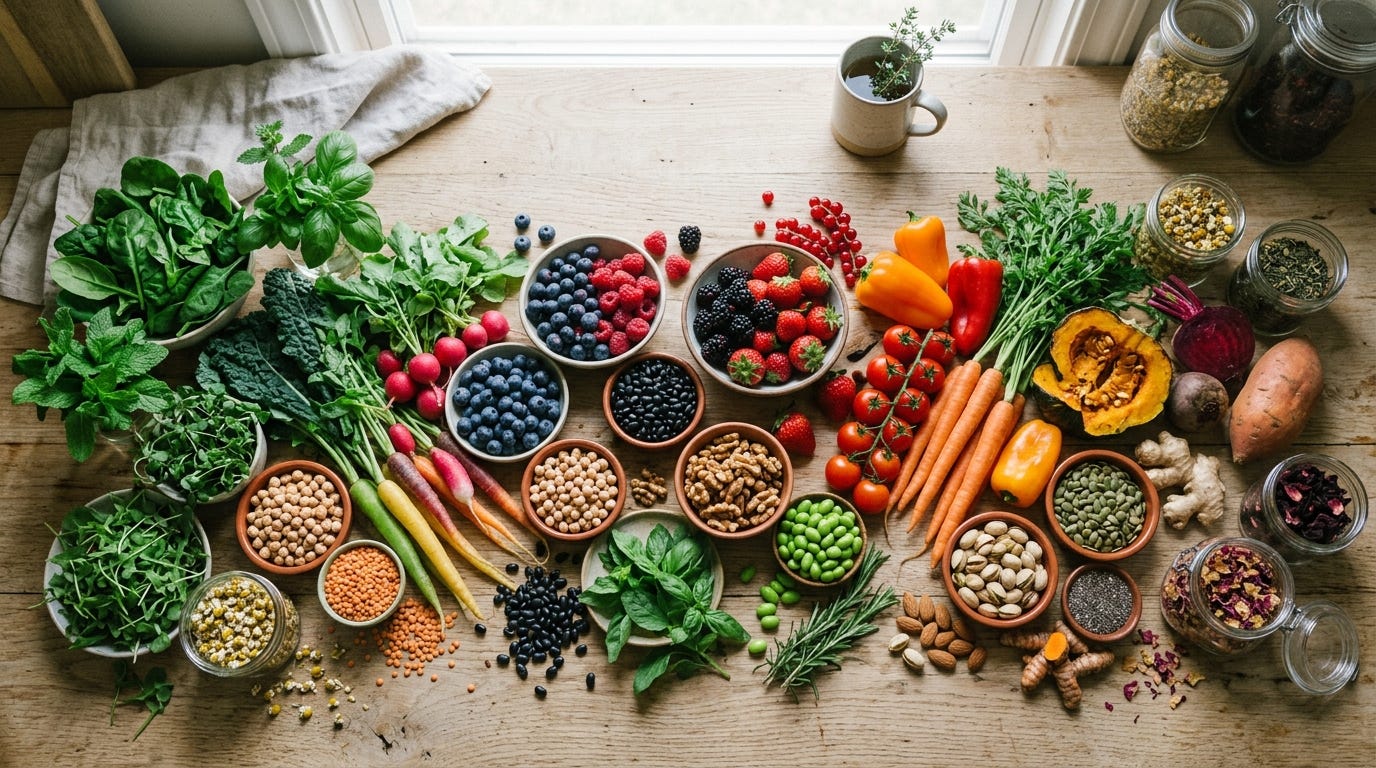
A diet that includes a wide range of plant foods exposes the body to a broader variety of these compounds.
Examples of polyphenol-rich plant groups include:
berries and fruits
leafy greens
herbs and spices
teas
nuts and seeds
legumes
colorful vegetables
Each group contains unique polyphenolic compounds.
When these foods are rotated regularly, they provide a broader spectrum of plant-derived protective molecules.
This diversity helps support metabolic flexibility and microbial diversity.
