

Hi friends,
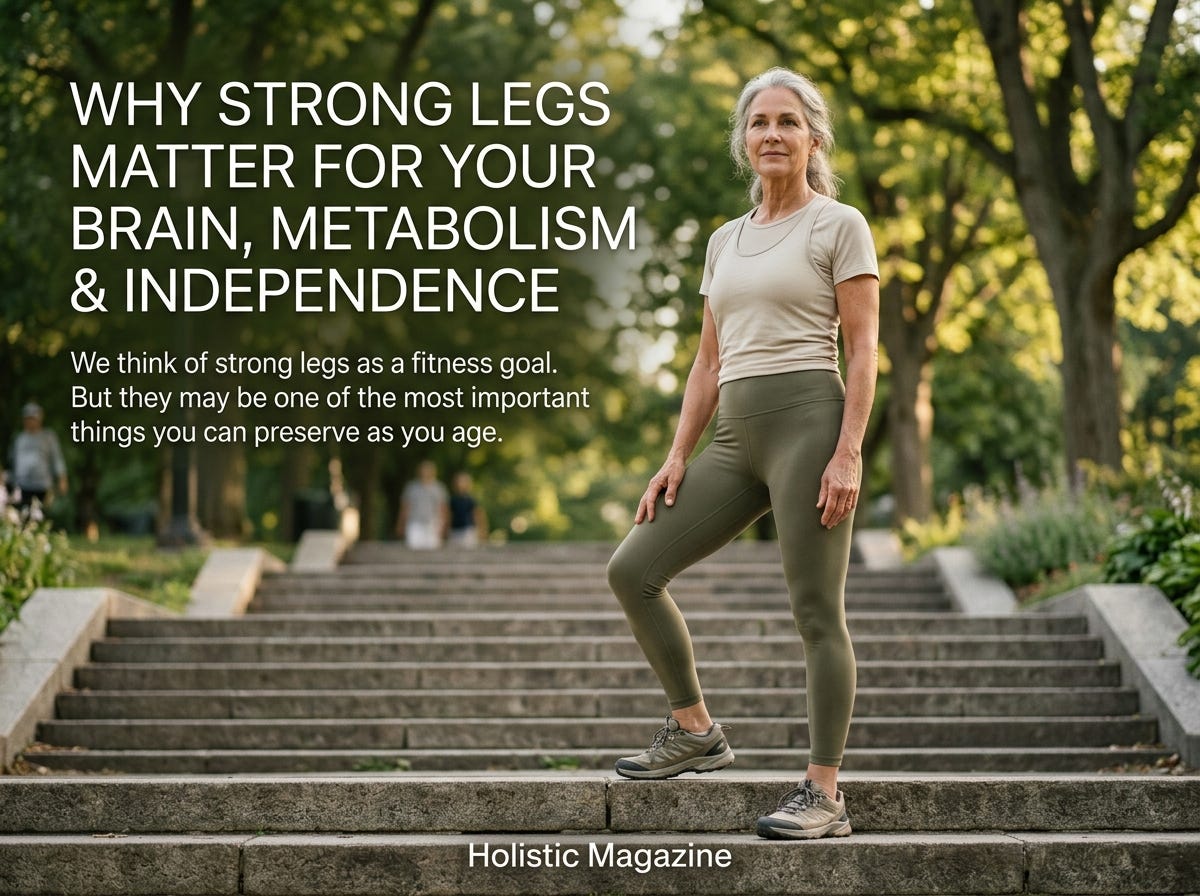
When people think about healthy aging, they often think about their heart, brain, blood sugar, or maybe their bones.
But there’s another part of the body we probably don’t talk about enough:
Your legs.

The muscles in your thighs, hips, glutes, and calves do far more than help you walk around.
They help you stand up from a chair. Climb stairs. Carry groceries. Catch yourself when you lose your balance. Get off the floor. Continue traveling. Play with your grandchildren. And remain independent as you get older.
But leg muscle also has a much deeper metabolic role.
Skeletal muscle is one of the major places your body disposes of glucose after a meal. Contracting your muscles affects glucose uptake. Regular physical activity supports insulin sensitivity. Movement increases circulation. And maintaining strength helps preserve the physical capacity that allows you to keep moving in the first place.
There’s even an interesting relationship between physical function and cognitive aging.
So today, let’s look at something surprisingly important for longevity:
Why keeping your legs strong may help protect far more than your ability to walk.
In Less Than 10 Minutes, We’ll Cover
Why leg strength becomes increasingly important with age
What happens to muscle as we get older
How your muscles help manage glucose
The relationship between movement and brain health
Why balance and leg strength matter for independence
Why walking alone may not be enough
Simple ways to maintain stronger legs as you age
Before we begin, a quick note for readers who want to go deeper…
If you enjoy practical wellness breakdowns that connect nutrition, physiology, and everyday habits without the wellness fluff, consider subscribing to Holistic Magazine.
Free subscribers receive structured, science-backed wellness articles each week.
Paid subscribers receive our deeper protocols, advanced nutrition guides, meal systems, and premium wellness breakdowns.
Here’s what paid subscribers are reading right now:
And more…
Muscle Loss Happens Gradually

One of the problems with muscle loss is that you usually don’t notice it happening.
You don’t wake up one morning suddenly weak.
Instead, small changes accumulate.
Maybe getting out of a low chair becomes slightly harder. You avoid carrying something heavy. Stairs feel more tiring. Your balance isn’t quite what it used to be.
Over years, those little differences can become meaningful.
Age-related declines in muscle mass, strength, and physical performance are often discussed under the umbrella of sarcopenia. Inactivity can accelerate the problem, while resistance exercise and adequate nutrition can help preserve muscle and strength.
And your legs deserve particular attention because they contain some of the largest muscles in your body.
Your quadriceps, hamstrings, glutes, calves, and hip muscles collectively represent an enormous amount of metabolically active tissue.
Maintaining them isn’t simply about looking fit.
It’s about maintaining capacity.
Your Legs Are Metabolic Machinery
Here’s where the story gets more interesting.
When you eat carbohydrates, they’re broken down into glucose that enters your bloodstream. Insulin helps your cells take up and use or store that glucose.
Skeletal muscle is a major destination for it.
Muscle can store glucose as glycogen, which can later be used for energy.
And when muscles contract during physical activity, they can increase their uptake of glucose through mechanisms that don’t depend entirely on insulin.
That’s one reason movement after eating can be so useful.
You don’t necessarily need an hour-long workout.
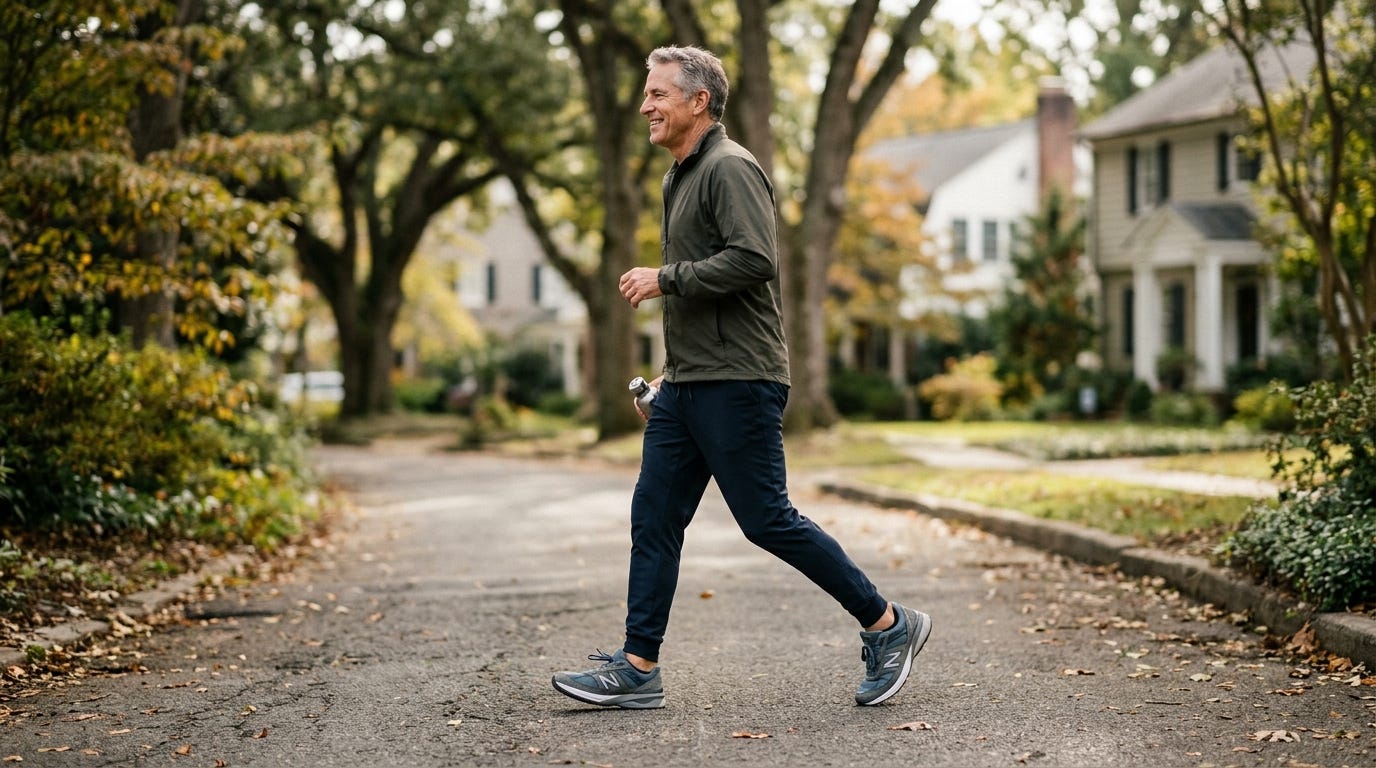
Even something as simple as taking a walk after a meal gives some of the largest muscles in your body something to do.
Your legs start contracting.
They require energy.
And glucose can help provide it.
This is one reason I like the idea of a 10-minute walk after meals.
It’s simple.
It costs nothing.
And it turns one of the largest collections of muscles in your body into active metabolic tissue.
Muscle Is More Than Something You See in the Mirror
For decades, muscle was largely discussed in terms of athletics, bodybuilding, or appearance.
That misses the bigger picture.
Skeletal muscle is metabolically active tissue.
It participates in glucose metabolism, stores glycogen, uses amino acids, communicates with other tissues, and releases signaling molecules during contraction.
In other words:
Your muscles are constantly interacting with the rest of your body.
That makes preserving muscle particularly interesting when we think about metabolic aging.
As people become less active and lose muscle, there can be fewer opportunities for that muscle tissue to be challenged and used.
The solution isn’t becoming a bodybuilder at 60.
It’s maintaining enough muscle and using it regularly.
Strong Legs May Matter for Your Brain Too
At first, leg strength and brain health might seem completely unrelated.
But movement connects them.
Physical activity increases cardiovascular demand and influences blood flow throughout the body. Exercise is also associated with changes in signaling molecules involved in vascular health, metabolism, inflammation, and brain function.
Research consistently associates regular physical activity with better cognitive and brain-health outcomes as people age.
That doesn’t mean doing squats will magically prevent dementia.
The relationship is far more complicated than that.
But there is an important principle here:
What is good for your cardiovascular and metabolic health often matters to your brain too.
Your brain requires a continuous supply of oxygen and nutrients.
Healthy blood vessels matter.
Healthy blood pressure matters.
Metabolic health matters.
Sleep matters.
And regular physical activity matters.
Your legs happen to contain some of the biggest muscles available to help you stay physically active.
Walking Is Excellent. But Strength Matters Too.
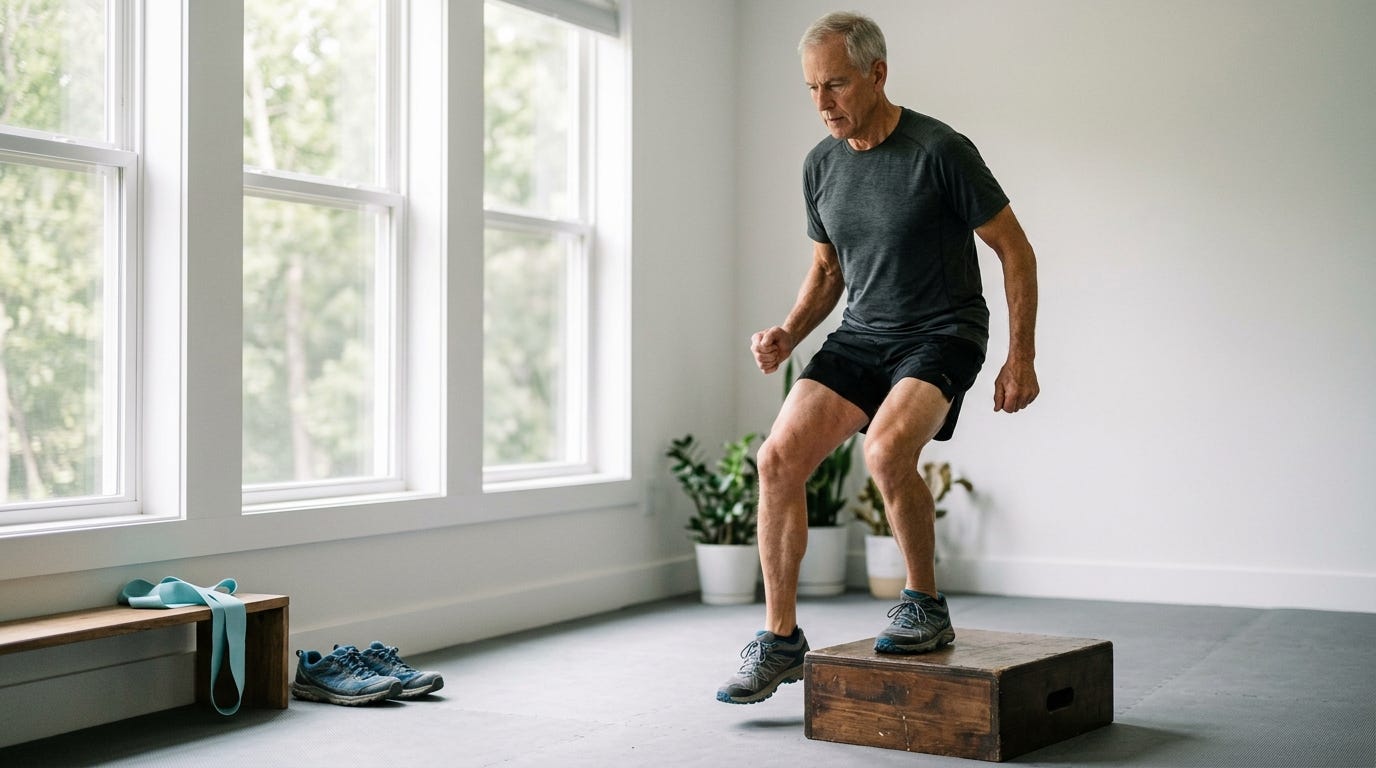
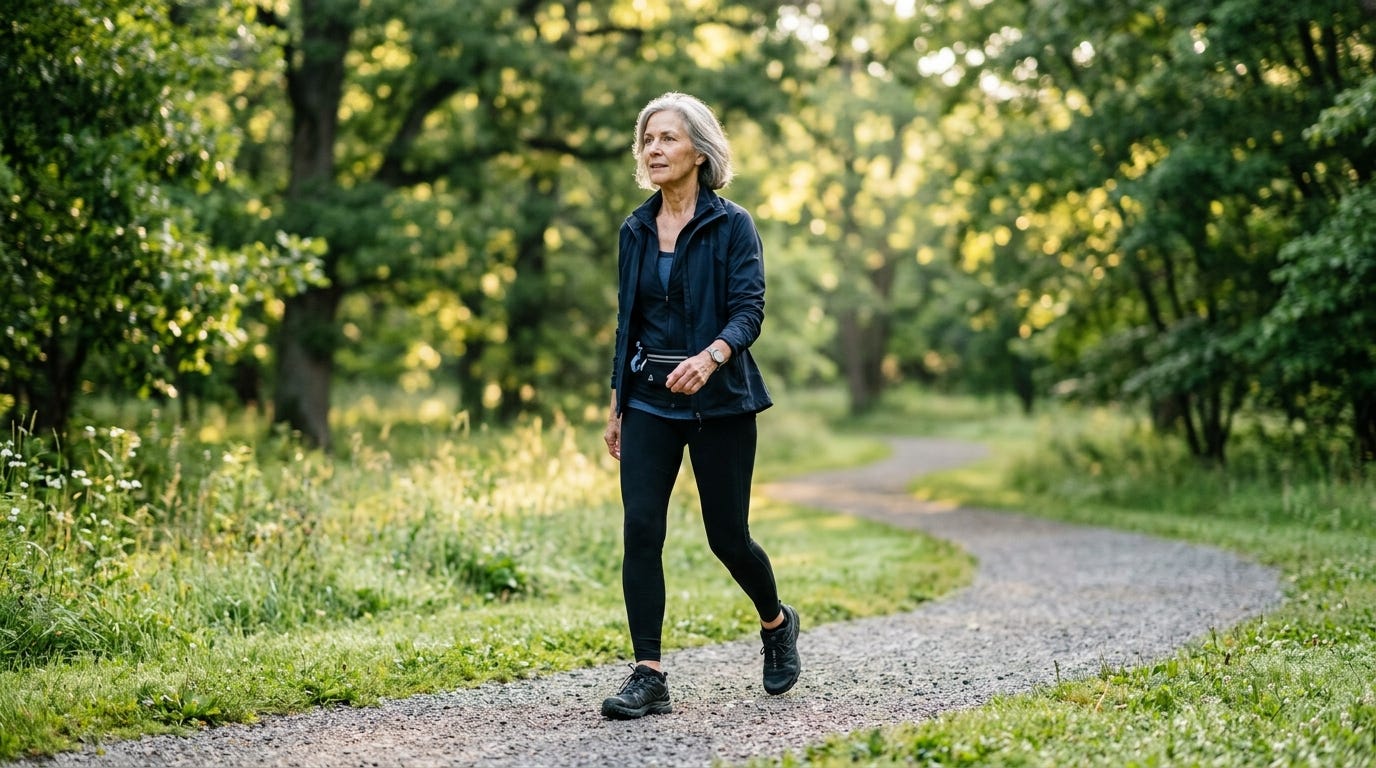
Walking may be one of the best habits you can maintain throughout your life.
It’s accessible.
It improves cardiovascular fitness.
It gets you outside.
It keeps your joints moving.
And it gives your leg muscles regular work.
But as we get older, walking shouldn’t necessarily be the only thing we do.
Muscle adapts to demand.
If you never ask your muscles to produce much force, there’s less stimulus for maintaining higher levels of strength.
That’s where resistance exercise comes in.
You don’t necessarily need complicated equipment.
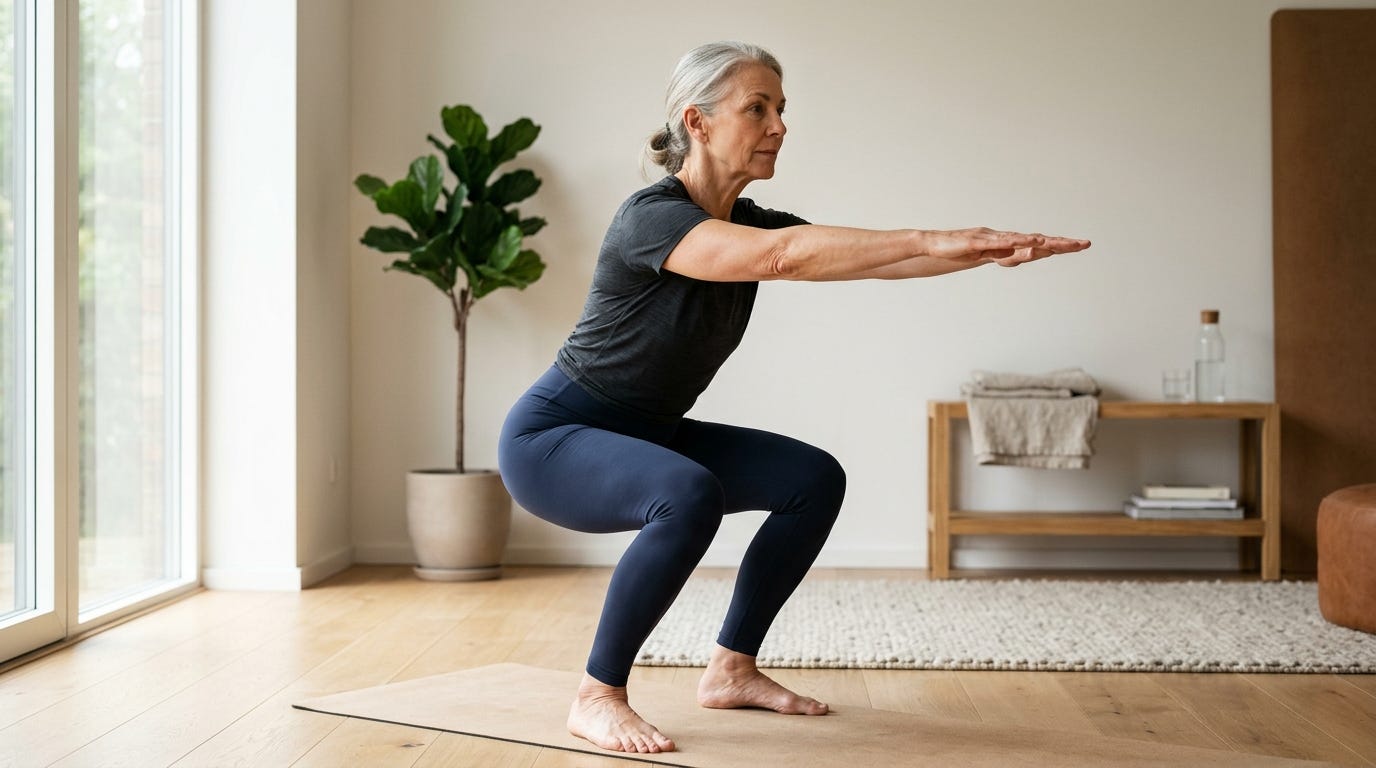
Bodyweight squats, step-ups, lunges, resistance bands, machines, and weights can all challenge the muscles differently.
Even practicing getting up from a chair repeatedly can become a useful strength exercise for someone starting from a lower fitness level.
The goal isn’t exhaustion.
The goal is giving your muscles a reason to remain strong.
One Movement Tells You a Lot: Getting Out of a Chair
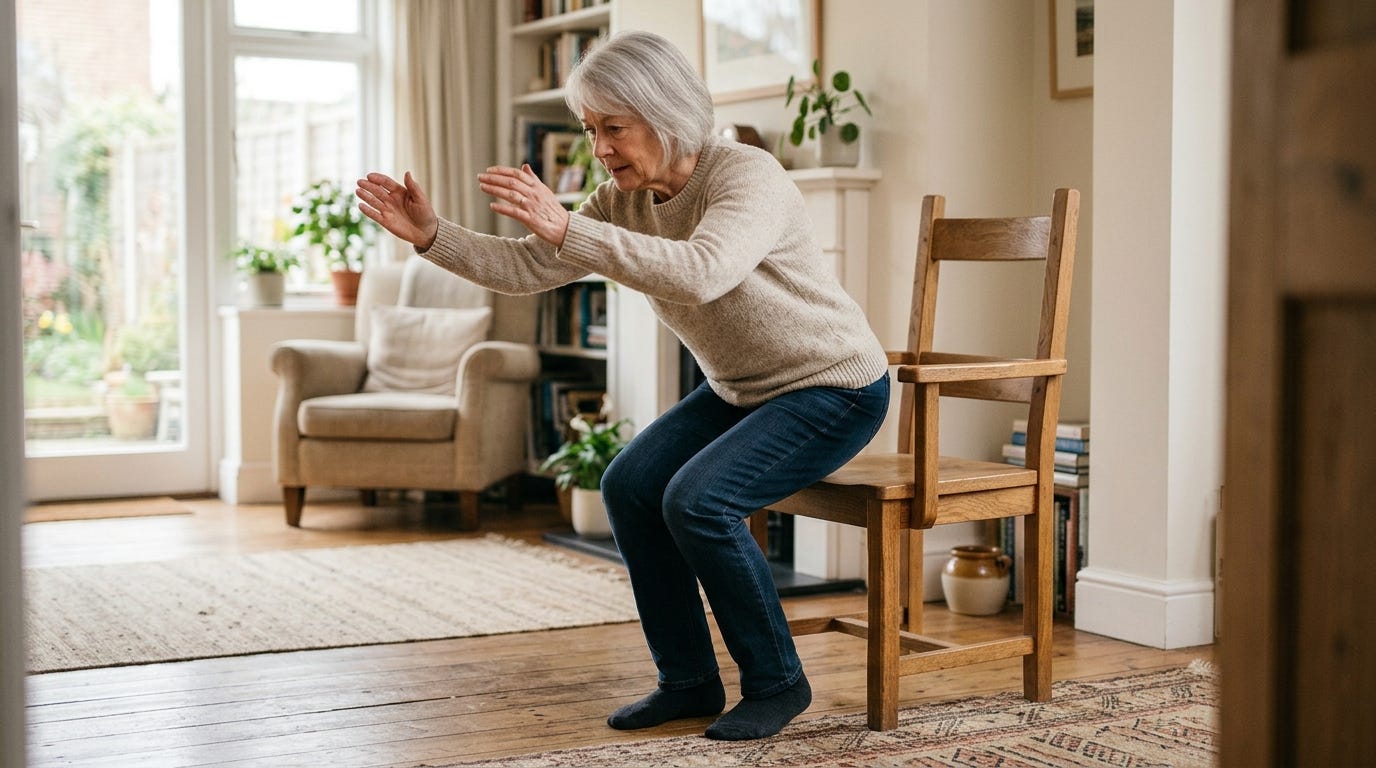
Try paying attention the next time you stand up.
It seems incredibly simple.
But look at what has to happen.
Your ankles stabilize you.
Your calves contribute.
Your quadriceps extend your knees.
Your glutes and hips help extend your body.
Your core stabilizes your torso.
Your nervous system coordinates everything.
Your balance shifts from sitting to standing.
And you do all of this within a couple of seconds.
Now imagine repeating that movement thousands of times over the next several decades.
Getting out of a chair is a perfect example of why strength isn’t merely about exercise.
Strength is what allows you to participate in everyday life.
Balance Depends on More Than Your Inner Ear
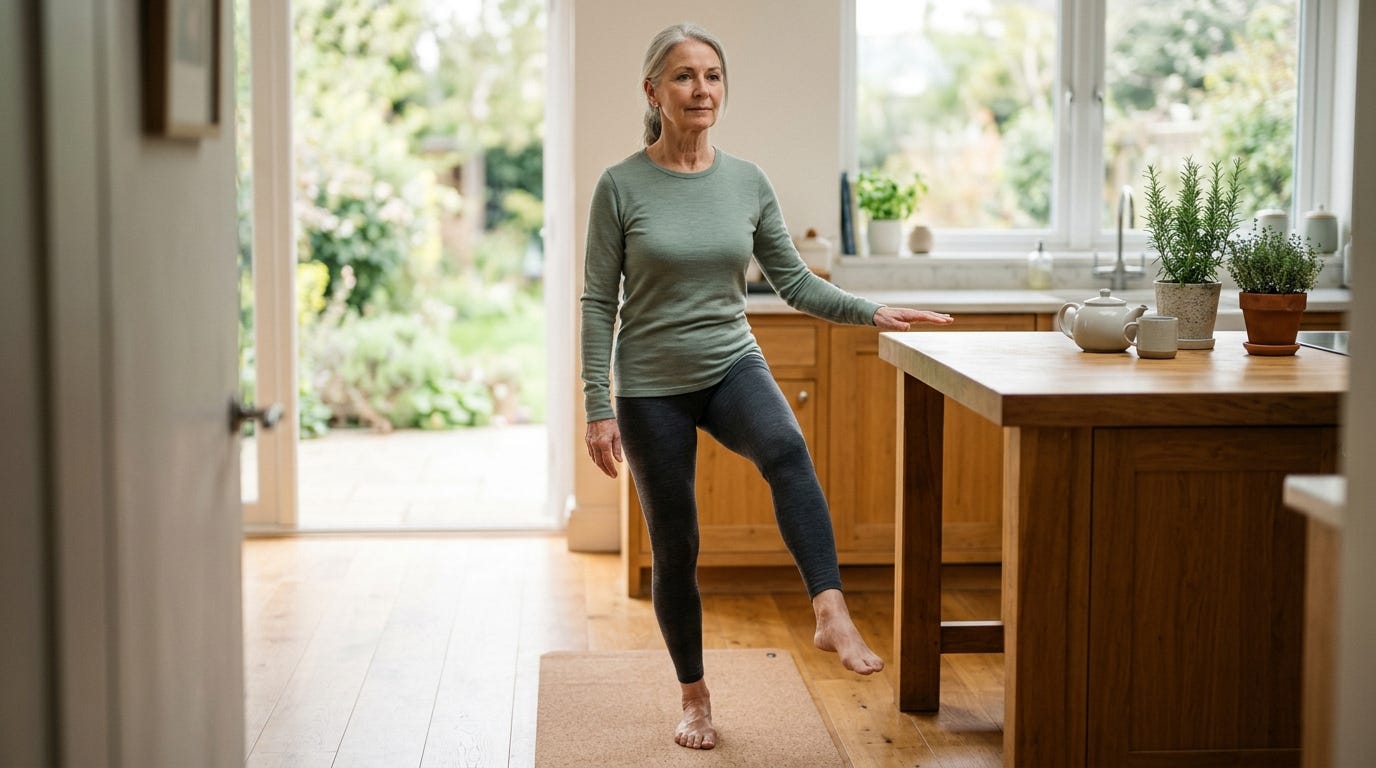
Falls become increasingly consequential as we age.
Balance involves your eyes, inner ear, nervous system, proprioception, reaction time, and muscles working together.
Your legs play an enormous role.
If you stumble, you need enough strength and speed to reposition your foot.
If your weight shifts unexpectedly, your hips and ankles need to respond.
If you step off a curb awkwardly, your muscles have to stabilize you.
That’s why maintaining strength and practicing balance can be such an important combination.
Standing on one leg near a stable surface, controlled step-ups, heel raises, walking, resistance training, and other appropriate exercises can all challenge different components of the system.
Balance isn’t simply something you either have or don’t have.
It’s something you can train.
Independence Is Ultimately a Physical Skill

We often think of independence as financial or emotional.
But later in life, independence becomes increasingly physical.
Can you get out of bed?
Can you use the bathroom without assistance?
Can you walk through a grocery store?
Can you carry your groceries inside?
Can you climb stairs?
Can you get into and out of a car?
Can you recover if you stumble?
Can you get yourself off the floor?
These tasks require strength, balance, coordination, mobility, and cardiovascular capacity.
And many of them rely heavily on your legs.
That changes how we should think about exercise.
Exercise isn’t simply something you do to burn calories.
It’s practice for the life you want to continue living.
Start Building Your “Strength Savings Account”
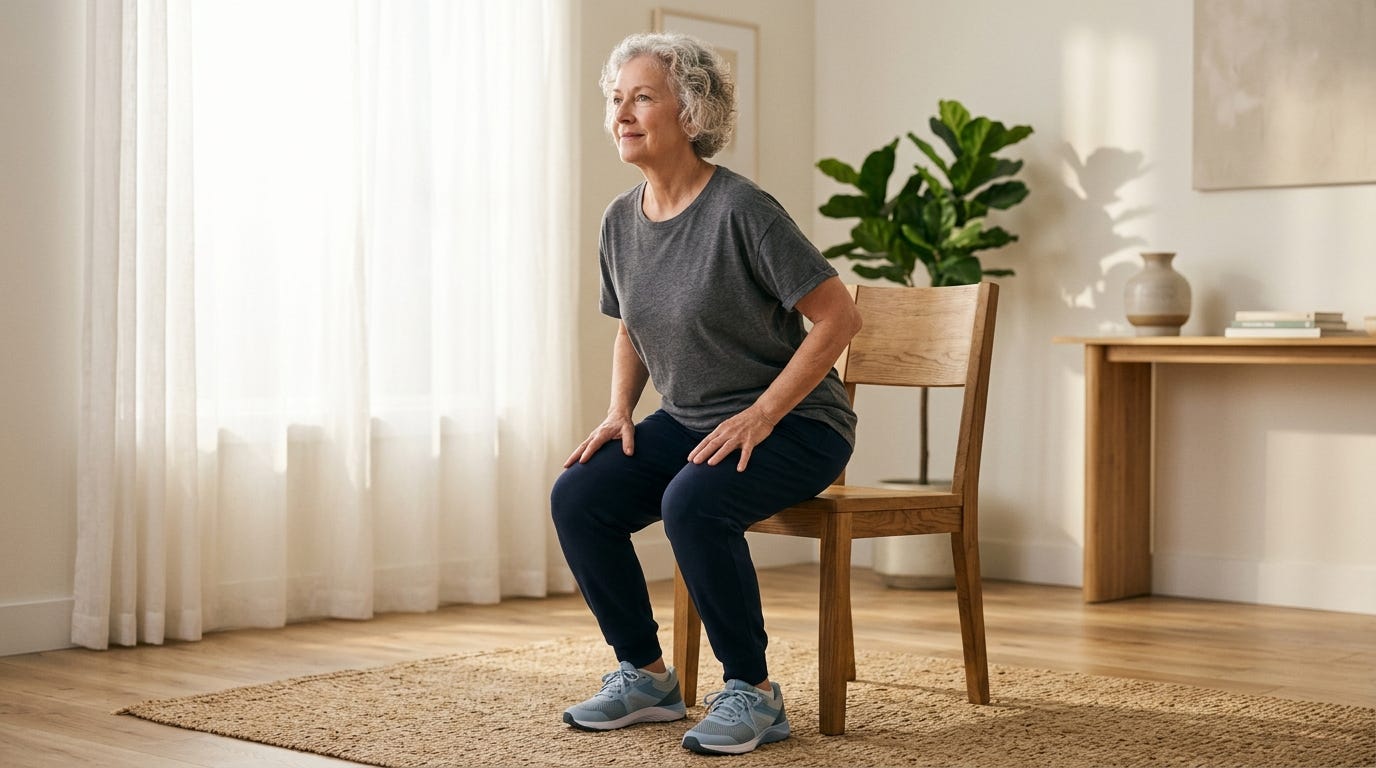
Think about muscle the way you think about retirement.
You don’t wait until retirement to start saving money.
You build reserves beforehand.
Muscle can be thought about similarly.
Building and maintaining strength earlier gives you more physical reserve as you get older.
And if you’re already older, it isn’t automatically too late.
Older adults can still respond to resistance training. Strength can improve. Balance can improve. Physical capacity can improve.
The program simply needs to match the person.
You don’t have to start with a barbell.
You can start with a chair.
A Simple Leg-Longevity Routine
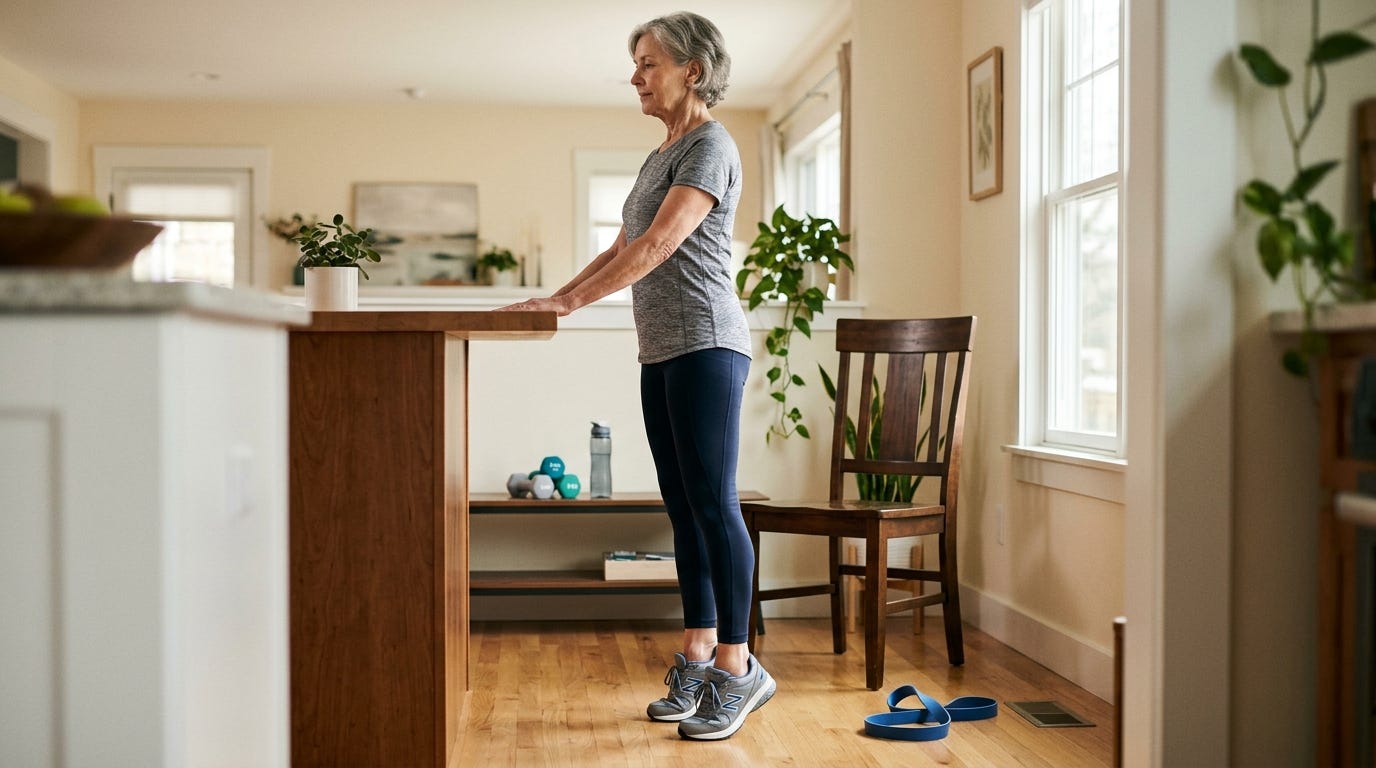
For many generally healthy adults, a simple starting framework might include:
Walk regularly. Especially consider short walks after meals.
Practice squatting. Bodyweight squats or controlled sit-to-stands are an easy place to begin.
Train your calves. Hold onto something stable and practice controlled heel raises.
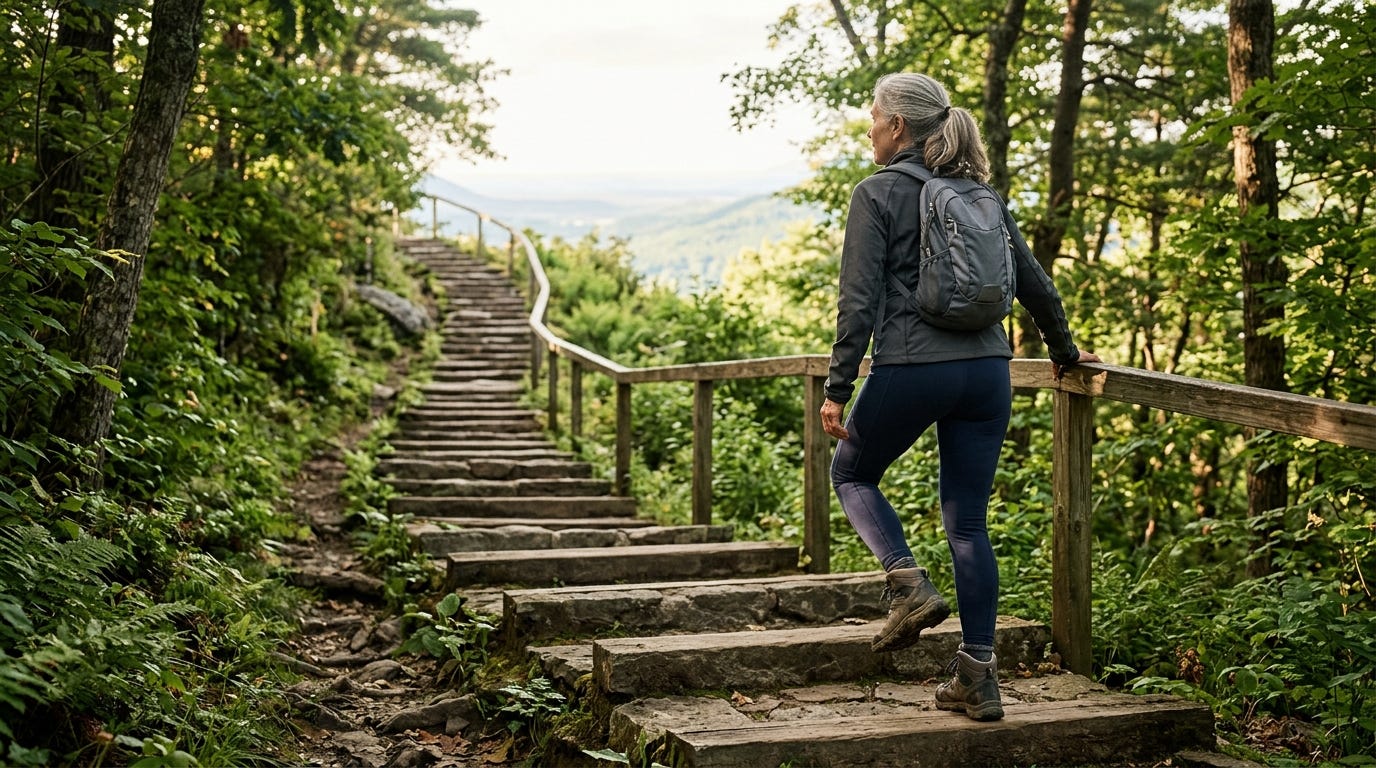
Use stairs when appropriate. Climbing stairs naturally challenges your legs against gravity.
Practice balance. Stand on one leg near a countertop or other stable support.
Add resistance. Gradually use bands, dumbbells, machines, or other resistance as your strength improves.
Eat enough protein. Exercise provides the stimulus, but your body still needs amino acids to maintain and build muscle tissue.
You don’t have to do everything at once.
Even 10 minutes is better than zero minutes.
Consistency matters far more than creating the perfect routine you’ll abandon after two weeks.
Don’t Forget Protein
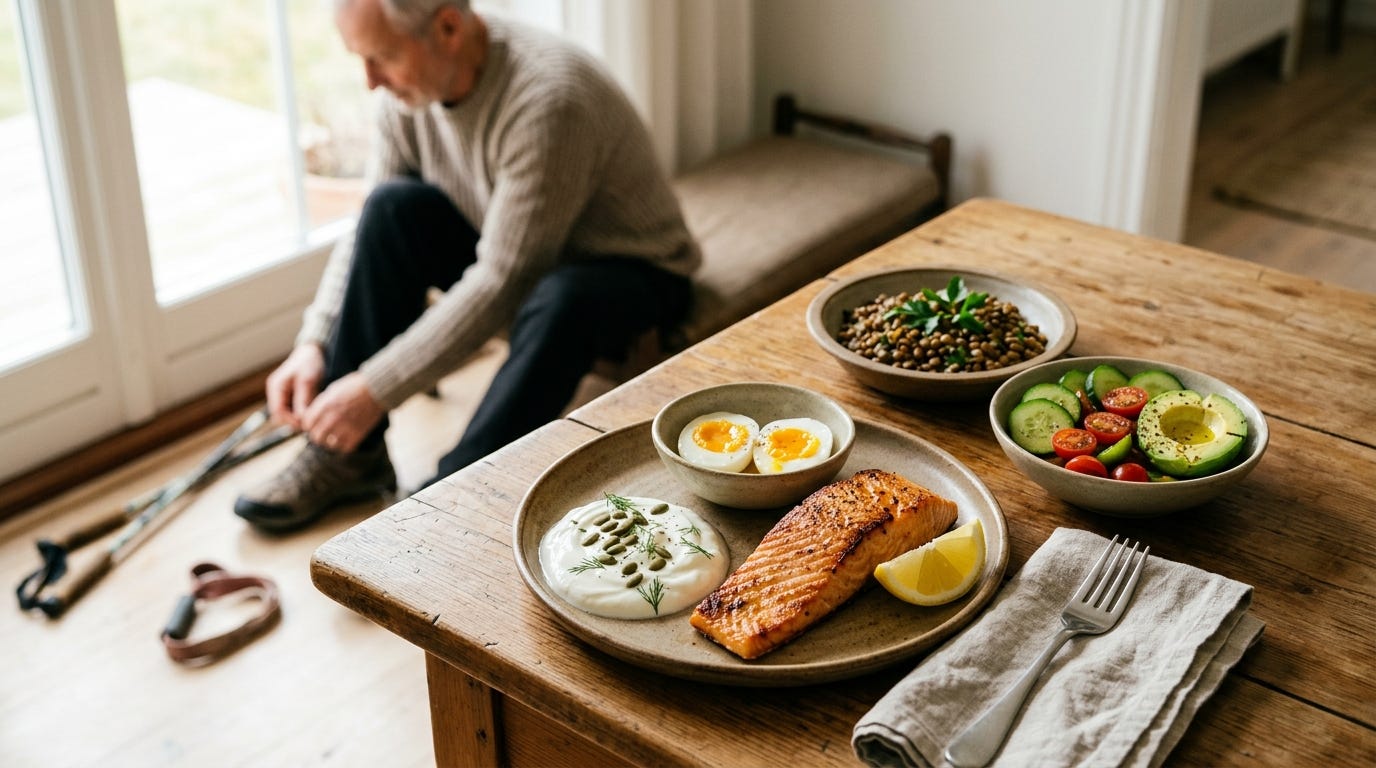
Exercise and nutrition work together.
Resistance exercise tells your body:
We still need this muscle.
Protein provides amino acids your body can use during muscle protein remodeling.
That makes adequate protein particularly important as we age.
Eggs, Greek yogurt, fish, poultry, lean meat, cottage cheese, beans, lentils, and other protein-rich foods can all contribute.
And rather than saving nearly all your protein for dinner, it can be useful to include meaningful protein at multiple meals throughout the day.
Think of it simply:
Challenge the muscle. Feed the muscle. Repeat.
Your Future Self Needs Your Legs
Healthy aging can become unnecessarily complicated.
We hear about longevity supplements, peptides, biological-age tests, cold plunges, expensive therapies, and dozens of other interventions.
Some areas are interesting.
But don’t let sophisticated longevity conversations distract you from something remarkably basic.
You need to remain physically capable.
You need muscles strong enough to move your body.
You need legs strong enough to climb stairs.
You need balance good enough to catch yourself.
You need metabolic health that allows you to continue being active.
And you need enough physical reserve to recover when life inevitably challenges you.
You don’t need enormous legs.
You don’t need to squat 300 pounds.
You simply want your muscles to remain capable of doing their job.
Bringing It Together
Your legs are much more than transportation.
They contain some of the largest muscles in your body.
Those muscles participate in glucose metabolism. They help you remain physically active. They allow you to stand, walk, climb, carry, balance, and recover from a stumble.
And the movement they make possible supports systems throughout your body—including your cardiovascular system, metabolism, and brain.
So walk.
Take the stairs when you can.
Do some squats.
Practice getting off the floor.
Lift something appropriately heavy.
Eat enough protein.
And give your legs a reason to stay strong.
Because one of the most valuable things you can carry into your 60s, 70s, 80s, and beyond isn’t a complicated longevity protocol.
It’s the strength to keep living your life on your own terms.
Very good advice. Thank you.