


Hi friends,
Your gut is home to trillions of microorganisms that help regulate digestion, immunity, metabolism, inflammation, vitamin production, and even brain health.
Together, these organisms form what’s known as the gut microbiome.
A healthy microbiome contains a wide variety of beneficial bacteria that work together to digest food, produce important compounds like short-chain fatty acids, protect against harmful microbes, and communicate with nearly every major organ system in the body.
When this ecosystem becomes less diverse, many people begin experiencing symptoms such as bloating, constipation, irregular bowel movements, low energy, food sensitivities, brain fog, weakened immunity, or increased inflammation.
The encouraging news is that your microbiome responds remarkably well to everyday habits. The foods you eat, the quality of your sleep, your stress levels, how often you move, and even the amount of time you spend outdoors all influence the health of your gut bacteria.

Today we’ll walk through practical, evidence-informed habits that help create an environment where beneficial microbes can thrive.
In Less Than 10 Minutes, We’ll Cover:
Why microbial diversity matters
The foods your gut bacteria feed on
How fermented foods support gut health
The role of prebiotics
Why sleep and stress matter
Simple habits that help protect your gut lining
Everyday choices that may disrupt your microbiome
Daily practices that support long-term digestive health
Before we begin, if you enjoy practical wellness breakdowns that connect nutrition, physiology, and everyday habits without the wellness fluff, consider subscribing to Holistic Magazine.
Free subscribers receive structured, science-backed wellness articles each week.
Paid subscribers receive the deeper protocols, advanced nutrition guides, meal systems, and premium wellness breakdowns we usually cannot fit into regular posts.
Here’s what paid subscribers are reading right now:
And more…
Feed Your Gut Bacteria Every Day
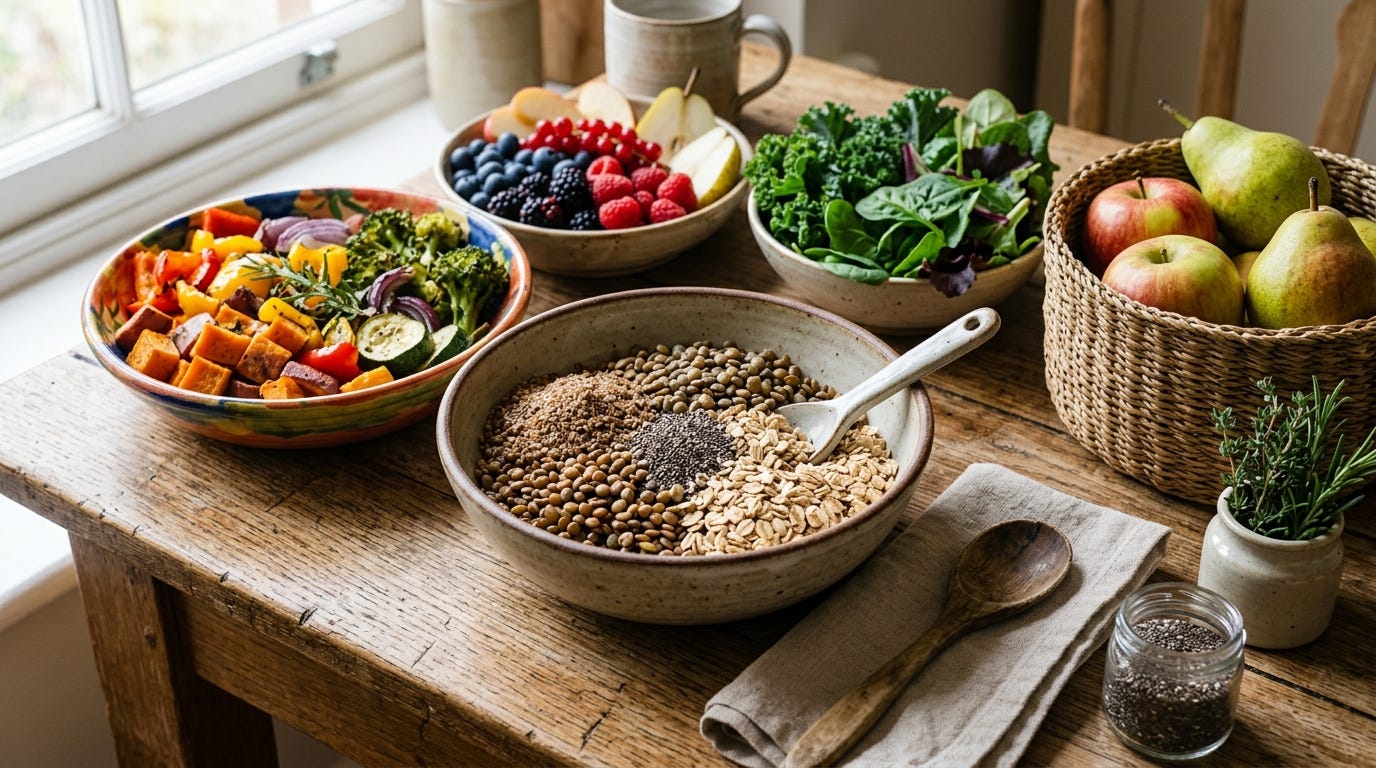
Beneficial bacteria depend on dietary fiber that reaches the large intestine, where it becomes food for the microbes that help keep your digestive system healthy.
Aim to include several fiber-rich foods throughout the day rather than relying on a single source.
Excellent choices include:
Vegetables
Beans
Lentils
Oats
Chia seeds
Ground flaxseed
Berries
Apples
Pears
These foods help nourish beneficial bacteria while supporting regular digestion.
Eat A Variety Of Plant Foods
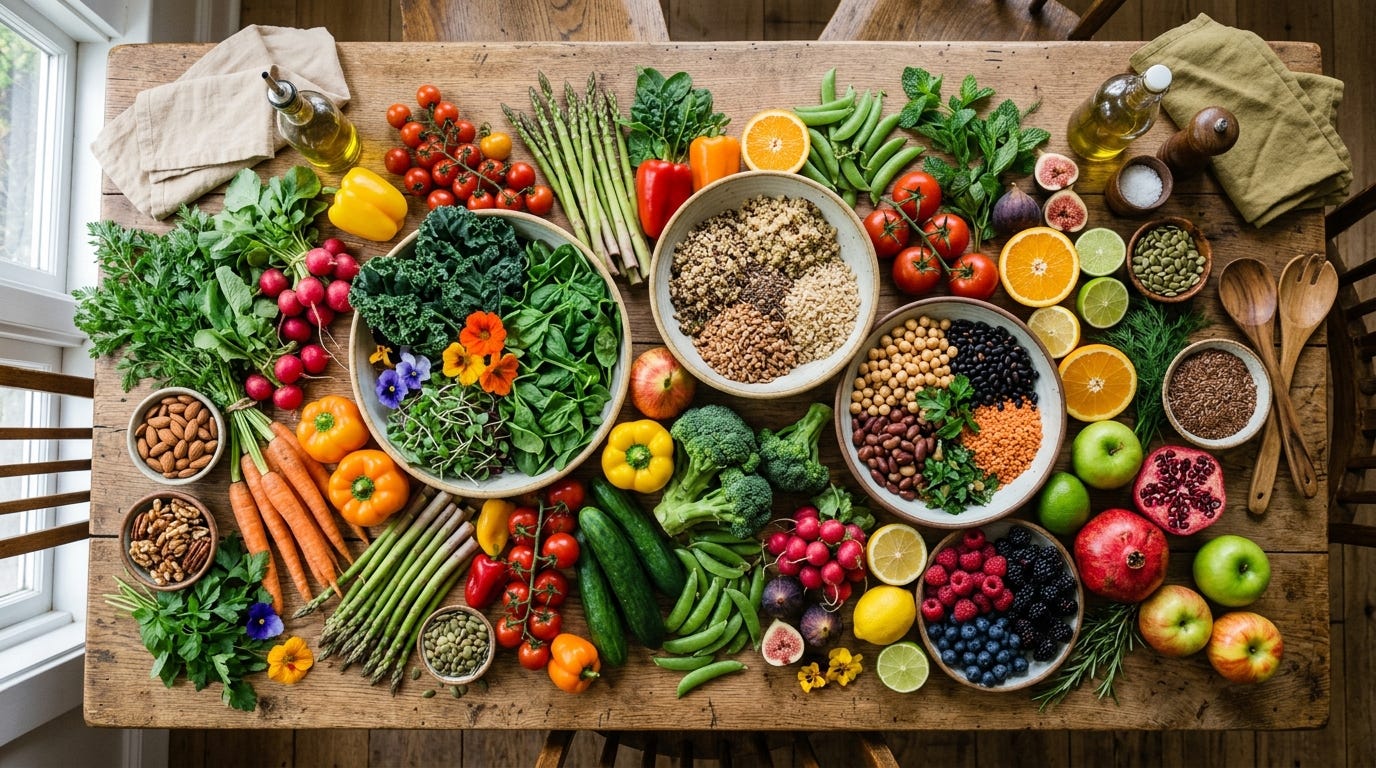
Different bacteria thrive on different plant compounds.
The greater the variety of fruits, vegetables, legumes, herbs, nuts, seeds, and whole grains you consume each week, the greater the opportunity for a more diverse microbiome.
Instead of eating the same vegetables every day, rotate colorful produce throughout the week.
Many researchers suggest that eating around 30 different plant foods each week is associated with greater microbial diversity.
Include Fermented Foods Regularly
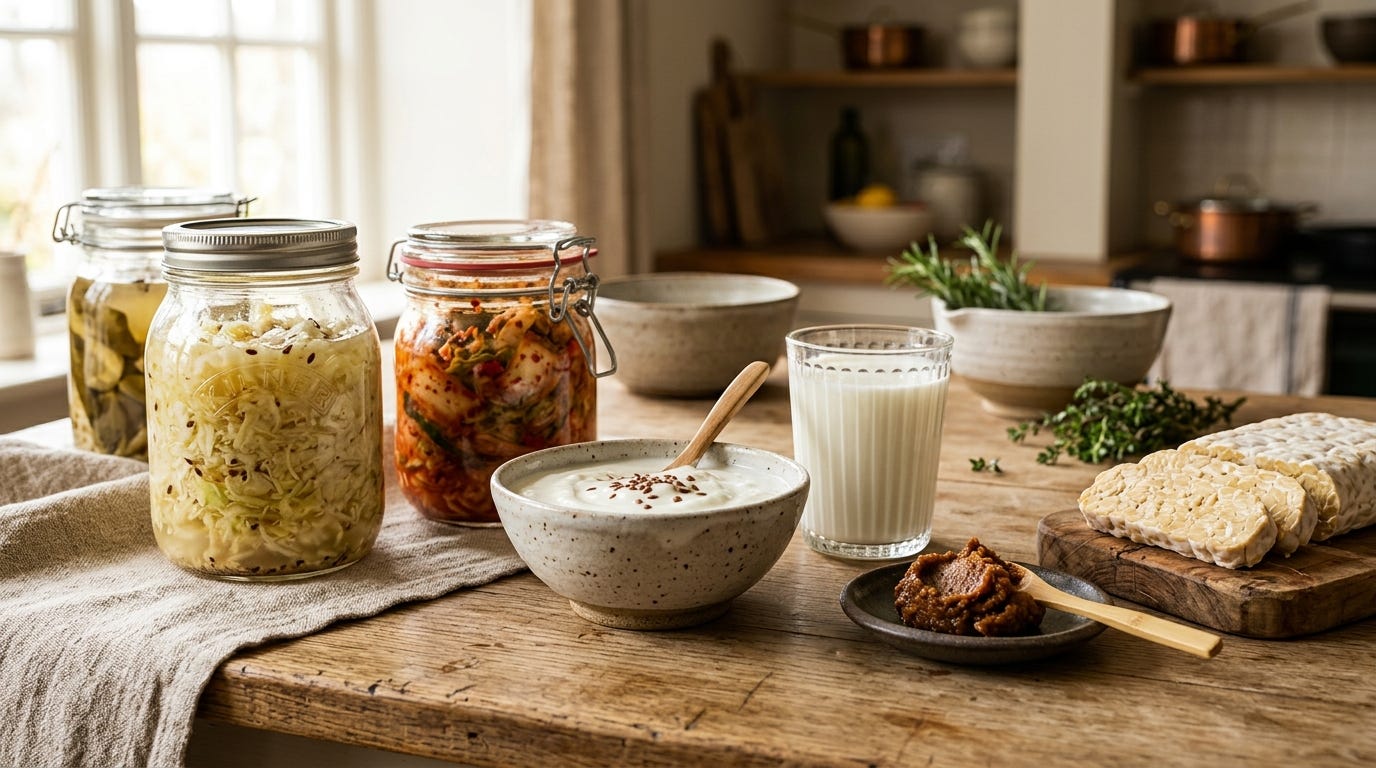
Fermented foods naturally contain beneficial microorganisms that can complement a healthy diet.
Many people enjoy including small servings several times each week.
Examples include:
Sauerkraut
Kimchi
Plain kefir
Plain yogurt with live cultures
Miso
Tempeh
Choose varieties with minimal added sugar whenever possible.
Don’t Forget Prebiotic Foods
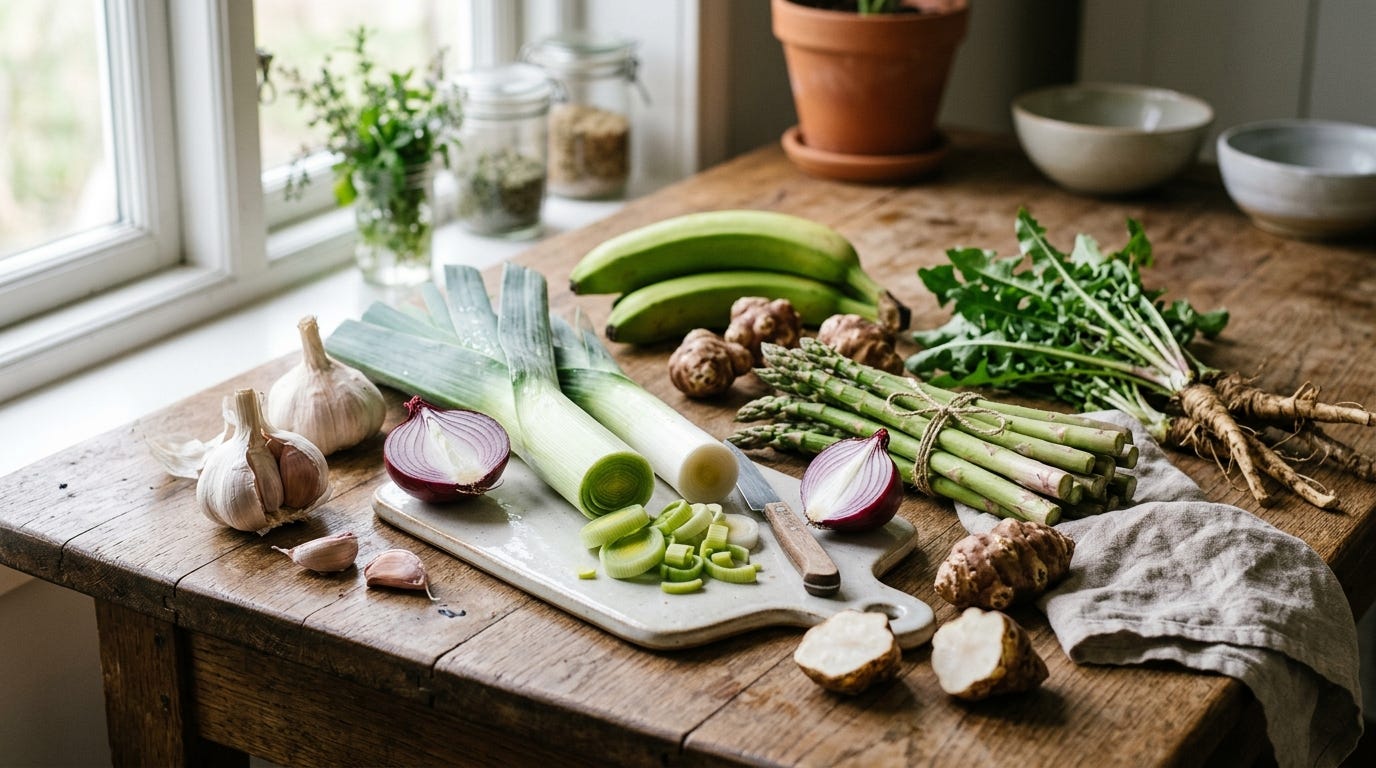
Prebiotics are specialized fibers that beneficial gut bacteria use as fuel.
Adding these foods regularly helps create an environment where healthy microbes can flourish.
Excellent sources include:
Garlic
Onions
Leeks
Asparagus
Jerusalem artichokes
Green bananas
Dandelion greens
Chicory root
Even small daily servings can help nourish beneficial microbes over time.
Stay Hydrated

Water plays an important role in healthy digestion and helps food move efficiently through the digestive tract.
Proper hydration also supports the intestinal lining and helps maintain regular bowel movements.
Many people simply feel better when hydration becomes a consistent daily habit.
Move Your Body Every Day

Physical activity benefits much more than your muscles and heart.
Regular movement has also been associated with greater microbial diversity and healthier digestion.
You don’t need intense workouts to experience benefits.
Aim for:
A 20-30 minute walk
Light strength training
Gardening
Cycling
Stretching
Consistency matters far more than intensity.
Prioritize Quality Sleep

Your gut and brain communicate constantly.
When sleep becomes inconsistent, the microbiome may also become less balanced over time.
Support better sleep by:
Keeping a consistent bedtime
Limiting bright screens before bed
Sleeping in a cool, dark room
Getting morning sunlight
Managing evening stress
Healthy sleep helps create a healthier internal environment for beneficial bacteria.
Manage Daily Stress

Long-term stress affects digestion in many ways.
It can influence gut motility, digestive secretions, the gut lining, and the balance of microbes living within the digestive tract.
Helpful stress-management habits include:
Deep breathing
Prayer or meditation
Walking outdoors
Journaling
Spending time with loved ones
Even a few minutes each day can make a meaningful difference.
Limit Ultra-Processed Foods
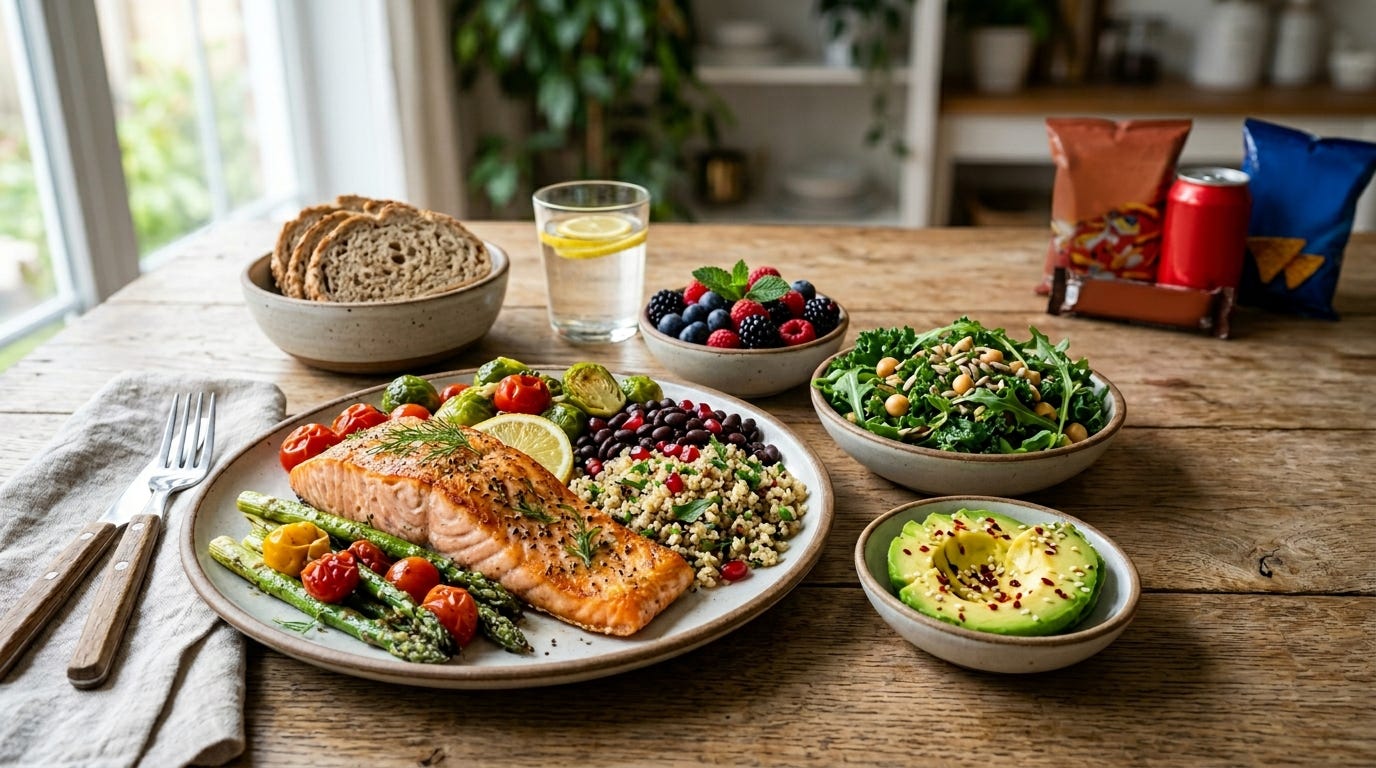
Ultra-processed foods often provide large amounts of refined sugars, unhealthy fats, and food additives while contributing very little fiber.
When they become the foundation of the diet, beneficial gut bacteria have fewer nutrients available to support their growth.
Building meals around whole foods more often helps provide the diverse nutrients your microbiome depends on.
Support Your Gut Lining
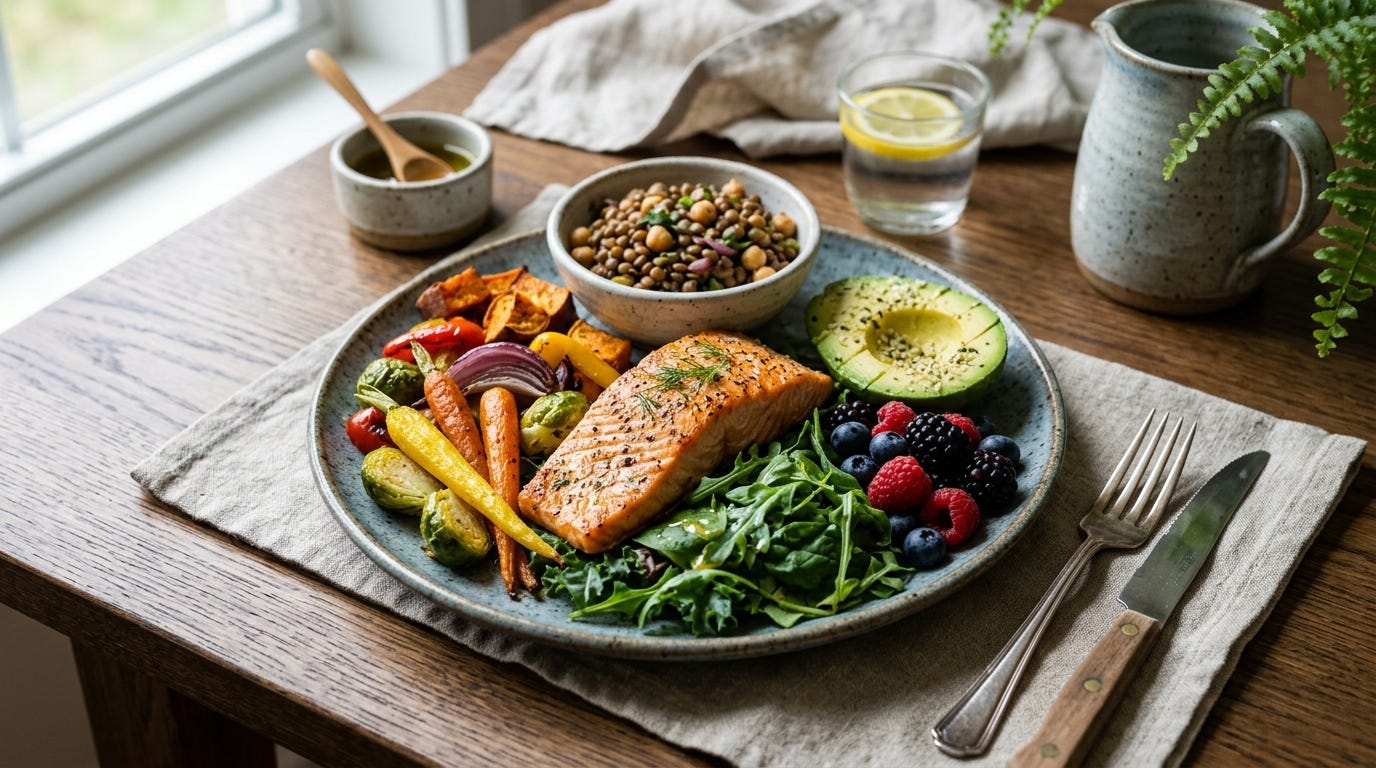
Your intestinal lining serves as an important barrier between your digestive tract and the rest of your body.
Many everyday habits help support its normal function.
These include:
Eating adequate protein
Consuming colorful fruits and vegetables
Including omega-3-rich foods
Getting enough sleep
Managing stress
Limiting excessive alcohol intake
These simple habits work together to help maintain the integrity of the gut lining.
Spend More Time Outdoors

Nature exposes us to a wider variety of microorganisms than indoor environments.
Spending time outside, gardening, hiking, or simply walking through parks may help increase exposure to environmental microbes while also reducing stress and encouraging regular movement.
It’s one more small habit that supports overall wellness.
Be Careful With Antibiotics

Antibiotics are incredibly important medications and can be lifesaving when medically necessary.
Because they cannot distinguish between harmful and beneficial bacteria, they can temporarily reduce microbial diversity as they eliminate infection-causing organisms.
Using antibiotics only as prescribed and following your healthcare provider’s recommendations allows them to be used when they provide the greatest benefit while avoiding unnecessary exposure.
Be Consistent More Than Perfect

Many people search for the perfect probiotic supplement while overlooking the daily habits that shape the microbiome the most.
Eating a wide variety of plants, including fiber-rich foods, staying active, sleeping well, managing stress, and choosing whole foods consistently often provide a strong foundation for long-term gut health.
Small habits repeated over months and years generally have a greater impact than short periods of perfection.
Bringing It Together

Your microbiome is constantly adapting to the choices you make each day.
The foods you eat, the quality of your sleep, your activity level, hydration, stress management, and time spent outdoors all contribute to the environment that supports beneficial gut bacteria.
Building a healthier microbiome doesn’t require an extreme cleanse or complicated protocol. It usually begins with simple habits that are repeated consistently. Eating more fiber, rotating a wide variety of plant foods, including fermented foods, moving your body daily, staying hydrated, and prioritizing sleep all work together to support a healthier digestive system and a more diverse microbiome.
As these habits become part of your routine, many people notice improvements in digestion, regularity, energy levels, immune function, and overall well-being. While everyone’s microbiome is unique, the principles that support it remain remarkably consistent.
If you enjoy practical wellness breakdowns that connect nutrition, physiology, and everyday habits without the wellness fluff, consider subscribing to Holistic Magazine.
Paid subscribers receive the deeper protocols, advanced nutrition guides, meal systems, and premium wellness breakdowns we usually cannot fit into regular posts.
We publish two premium articles each week.
Fantastic article and very informative.