

Hi friends,
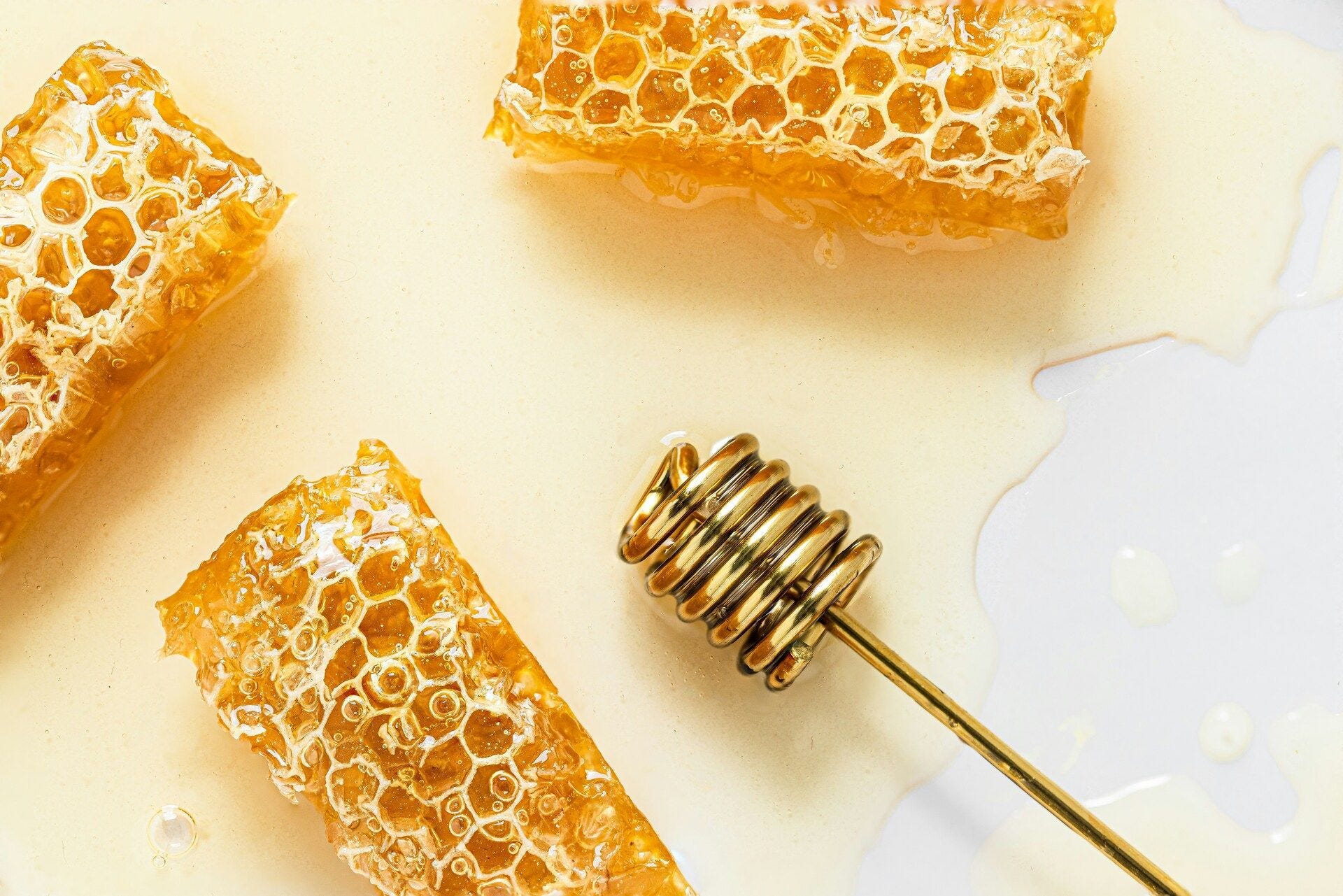
Honey has always occupied an unusual space between food and medicine.
It’s familiar enough to live in a kitchen cabinet. Ordinary enough to stir into tea without much thought. But historically, honey was handled differently. In traditional apothecaries, it wasn’t simply a sweetener. It was a carrier for herbs. A preservative. A wound dressing. A base for respiratory and digestive remedies.
What makes honey unique is not that it is natural. It’s that it is biologically active.
Raw honey contains enzymes, trace minerals, organic acids, antioxidants, and antimicrobial compounds that interact directly with tissue. It supports moisture balance. It creates a barrier over damaged surfaces. It influences microbial growth in ways that are subtle but meaningful.
It does not overwhelm the body. It works with it.
And that distinction matters more than it seems.
🌿 IN LESS THAN 10 MINUTES WE’LL COVER:
How honey supports tissue repair and immune balance
When honey makes sense internally vs topically
How different varieties vary in activity
Simple ways to use honey without turning it into a trend
Weekly Insight
Honey as a Functional Remedy
For cough and throat irritation
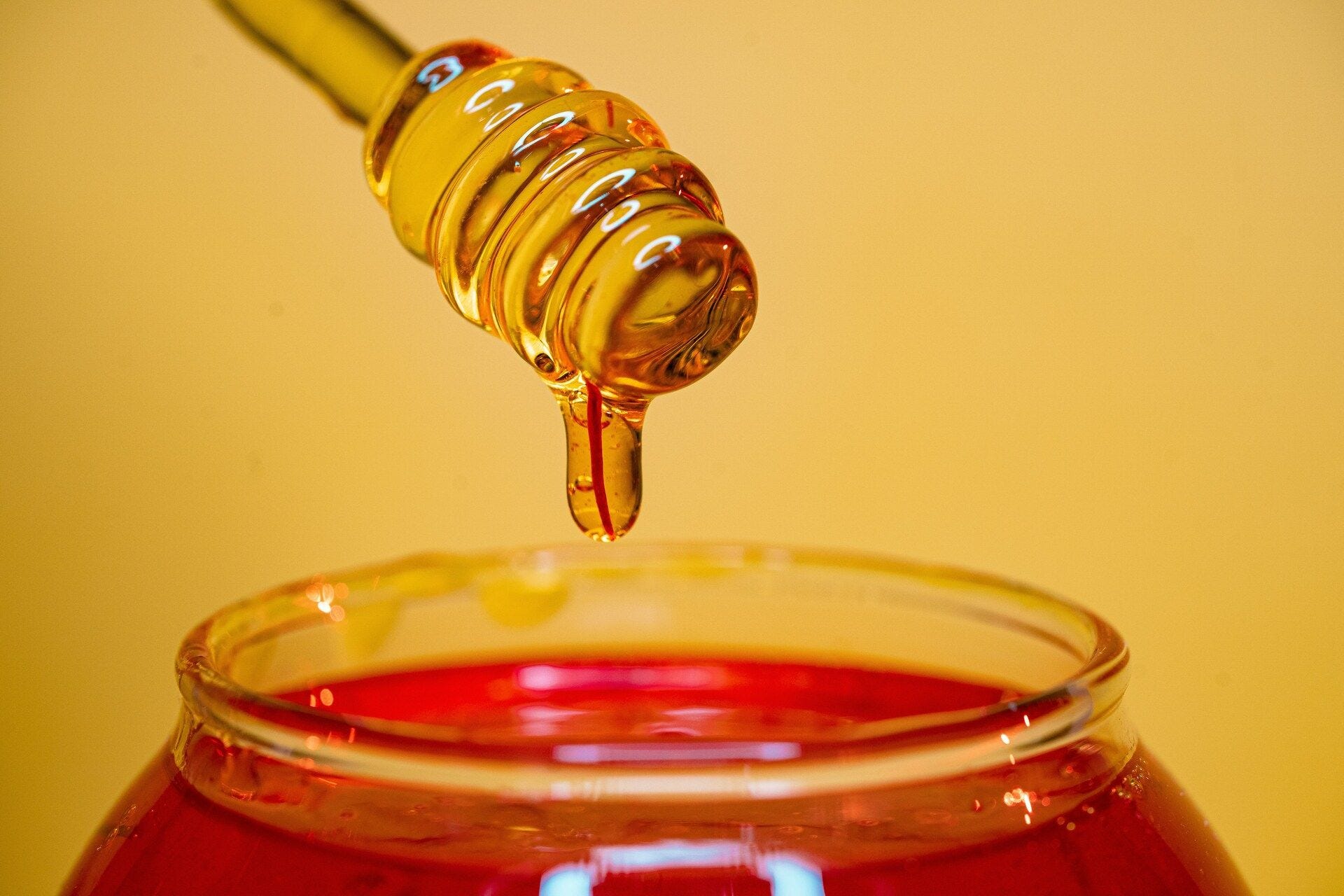
Raw honey coats mucosal tissue and reduces irritation through both physical barrier support and antimicrobial activity. Several studies have shown it can reduce nighttime cough frequency in children and adults. The benefit often comes from slow contact rather than dilution into large volumes of liquid.
For wound support
Medical-grade honey is used in clinical settings for certain types of wounds because of its ability to balance moisture while limiting bacterial overgrowth. Historically, raw honey was applied to minor cuts and burns for similar reasons. The mechanism is simple but effective: protection, hydration, and microbial control at the surface.
For digestive irritation
Honey has mild prebiotic properties and can soothe irritated upper digestive tissue when paired with herbs like ginger or chamomile. Unlike products that suppress stomach acid, honey tends to support tissue comfort without interfering with normal digestive signaling.
For herbal delivery
In traditional apothecaries, herbs were preserved in honey to create electuaries. Garlic-infused honey for immune support. Thyme honey for respiratory shifts. Cinnamon honey for circulation. Honey acts as both preservative and delivery system.
For energy recovery
Honey provides glucose and fructose in a ratio that offers relatively quick but smoother energy compared to refined sugar. It has long been used during illness or recovery when appetite is low but energy demand remains.
Research Note
Multiple clinical trials have compared honey to common over-the-counter cough suppressants and found comparable or greater symptom reduction in certain cases, particularly for nighttime cough. While not a replacement for medical care when needed, this reinforces that simple remedies can still be physiologically meaningful.
Did You Know?
Honey has been found intact in sealed ancient Egyptian tombs and was still preserved thousands of years later.
Its low moisture content, natural acidity, and enzymatic activity make it one of the few foods that does not spoil under proper storage conditions.
Historically, this stability is one reason it became a medicinal base. It could preserve herbs long before refrigeration existed.
Not All Honey Is The Same
Manuka honey contains higher concentrations of methylglyoxal, giving it stronger antimicrobial activity.
Buckwheat honey is darker and higher in antioxidant content.
Acacia honey is milder and less prone to crystallization.
Local wildflower honey reflects regional plant diversity and seasonal variation.
Processing also matters.
Highly filtered and heated honey loses many of the enzymes and volatile compounds that contribute to its functional properties. Raw, minimally processed honey retains more of its original activity.
Practical Preparation
Simple Thyme Honey for Respiratory Support
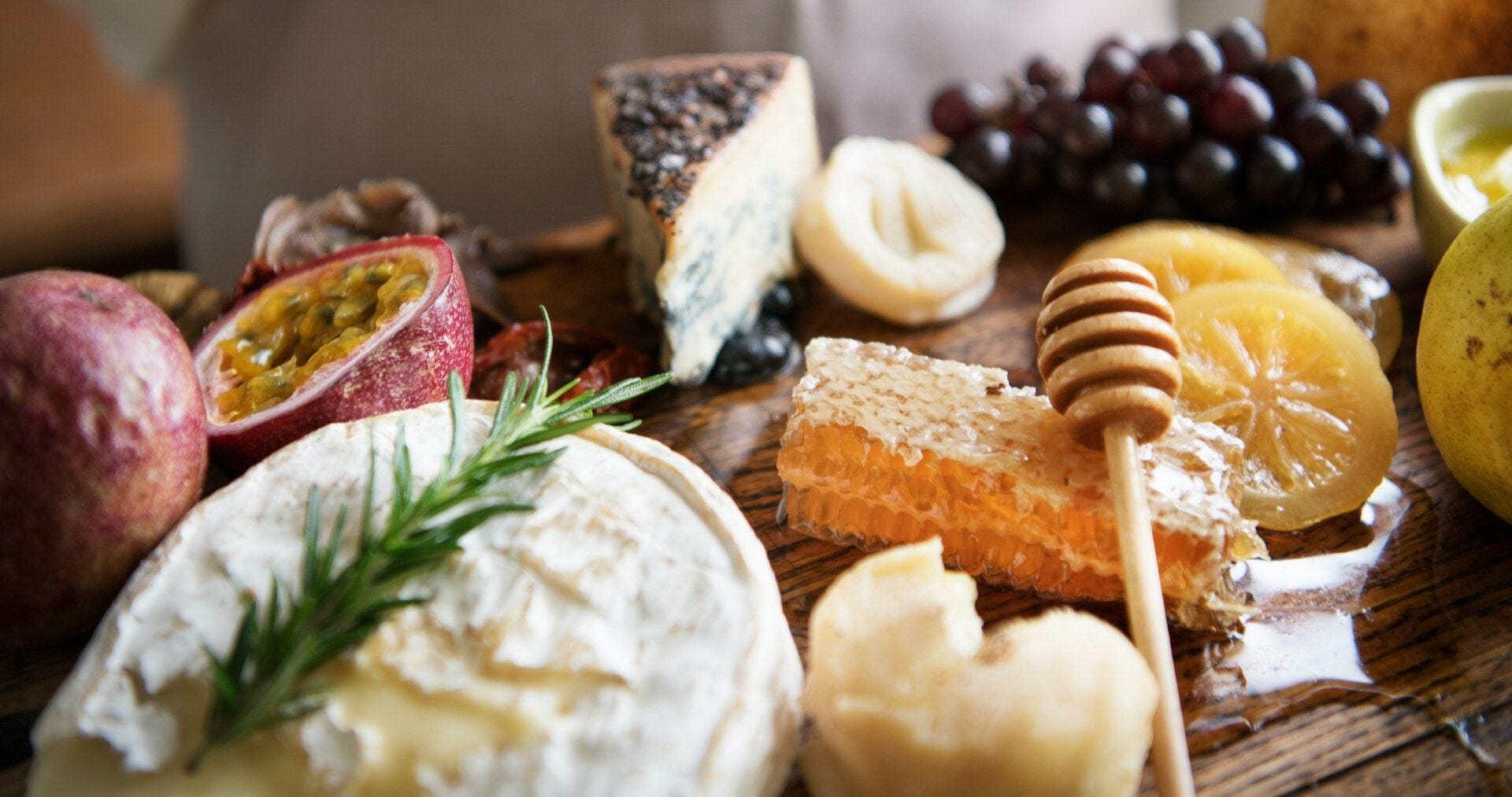
Fresh thyme contains volatile oils that support respiratory comfort. Combined with raw honey, it creates a simple, shelf-stable preparation.
To prepare:
Fill a small glass jar halfway with fresh thyme sprigs.
Pour raw honey over the herbs until fully covered.
Let sit at room temperature for 1–2 weeks.
Strain if desired.
Use one teaspoon slowly during throat irritation or add to warm herbal tea. The honey acts as both preservative and carrier, extracting the plant compounds gently over time.
Why This Matters
Modern wellness often separates compounds from context. Honey represents the opposite approach. It works through synergy rather than isolation.
Support does not always need to be concentrated. It often needs to be consistent.
Article Insights
Key Takeaways
Honey functions as both food and topical support
Raw honey retains enzymatic and antimicrobial activity
Different varieties provide different strengths
Traditional uses focused on preservation and tissue repair
Simple, consistent use tends to work better than excess
Sometimes the most anti-inflammatory thing you can do is create more rhythm and less pressure.