

Your arteries do more than carry blood. Their ability to stretch and relax may reveal more about your cardiovascular health than you realize. Here’s why researchers are paying attention, and which everyday foods may help.
Hi friends,
When most people think about heart health, they think about cholesterol, blood pressure, or clogged arteries.
But researchers have been paying attention to something else.
How flexible your arteries are.
Every time your heart beats, blood travels through your arteries. Healthy arteries expand slightly to accommodate that pressure, then recoil to help maintain blood flow.
It’s a remarkably efficient system.

But as we age, those arteries can gradually become less elastic.
Researchers call this arterial stiffness.
And it’s receiving considerable attention because studies have repeatedly linked greater arterial stiffness with an increased risk of cardiovascular problems, including heart disease and stroke.
That doesn’t mean stiff arteries automatically cause these conditions.
But they may reveal something important about how your cardiovascular system is aging.
The interesting part?
Arterial stiffness isn’t influenced by age alone. Blood pressure, physical activity, metabolic health, and even the foods we eat can affect vascular function.
Today, let’s explore why arterial stiffness matters and what you can actually do to support healthier blood vessels.
In Less Than 10 Minutes, We’ll Cover
What arterial stiffness actually means,
Why researchers are measuring it,
How aging changes your blood vessels,
Why nitric oxide matters for circulation,
Eight foods that may support healthier arteries, and
Simple habits that help preserve vascular health.
Before we begin, a quick note for readers who want to go deeper…
If you enjoy practical wellness breakdowns that connect nutrition, physiology, and everyday habits without the wellness fluff, consider upgrading to a paid Holistic Magazine subscription.
Paid subscribers receive access to our deeper nutrition guides, practical protocols, meal plans, and premium wellness breakdowns.
Here’s what paid subscribers are reading right now:
Upgrade to paid and unlock our complete library of premium wellness guides.
Your Arteries Aren’t Supposed to Be Rigid

Imagine a garden hose.
If the hose were completely rigid, every surge of water would travel through it with little cushioning.
But if the walls were flexible, they could expand slightly as water moved through them.
Your arteries work in a somewhat similar way.
The aorta, the largest artery in your body, contains elastic tissue that helps absorb pressure from each heartbeat.
As your heart pumps, the artery expands.
Between beats, it recoils.
This helps maintain a relatively continuous flow of blood throughout your body.
But over time, the proteins responsible for that flexibility begin to change.
Elastin, which allows arteries to stretch, can become damaged or fragmented. Collagen, which provides structural support, can accumulate or become more cross-linked.
The result?
Your arteries may become less capable of expanding and recoiling.
That matters because the heart must pump blood into a system that no longer cushions pressure as effectively.
And this can contribute to higher systolic blood pressure and increased strain on the cardiovascular system.
Why Researchers Are Measuring Arterial Stiffness

One of the most interesting developments in cardiovascular research is a measurement called pulse wave velocity.
The concept is surprisingly simple.
Every heartbeat creates a pressure wave that travels through your arteries.
That wave moves faster through stiff arteries than through flexible ones.
By measuring its speed, researchers can estimate how stiff certain arteries have become.
And studies have found that higher pulse wave velocity is associated with an increased risk of cardiovascular events and mortality, even after accounting for several traditional risk factors.
But there’s an important distinction.
Arterial stiffness isn’t the same thing as clogged arteries.
Atherosclerosis involves plaque accumulating within arterial walls.
Arterial stiffness describes how much those walls resist stretching.
The two can overlap, but they’re not identical.
You could have arteries that aren’t severely narrowed yet have still lost some of their elasticity.
That’s why researchers are interested in measuring more than cholesterol and blood pressure alone.
Arterial stiffness provides another window into vascular aging, although routine testing isn’t necessary for most people.
Nitric Oxide Is Part of the Story

Your blood vessels are lined with a thin layer of cells called the endothelium.
These cells help regulate blood flow, inflammation, clotting, and the ability of blood vessels to relax.
One of the molecules involved is nitric oxide.
Nitric oxide signals the smooth muscle within blood vessel walls to relax, allowing the vessels to widen.
This helps regulate circulation and blood pressure.
But as we age, nitric oxide availability and endothelial function can decline, particularly when cardiovascular risk factors are present.
That doesn’t mean a lack of nitric oxide is the only reason arteries become stiff.
Structural changes in the arterial walls matter too.
But it helps explain why blood vessel health isn’t determined entirely by genetics or age.
And interestingly, certain foods contain compounds that can influence these vascular processes.
Eight Foods That May Support Healthier Arteries
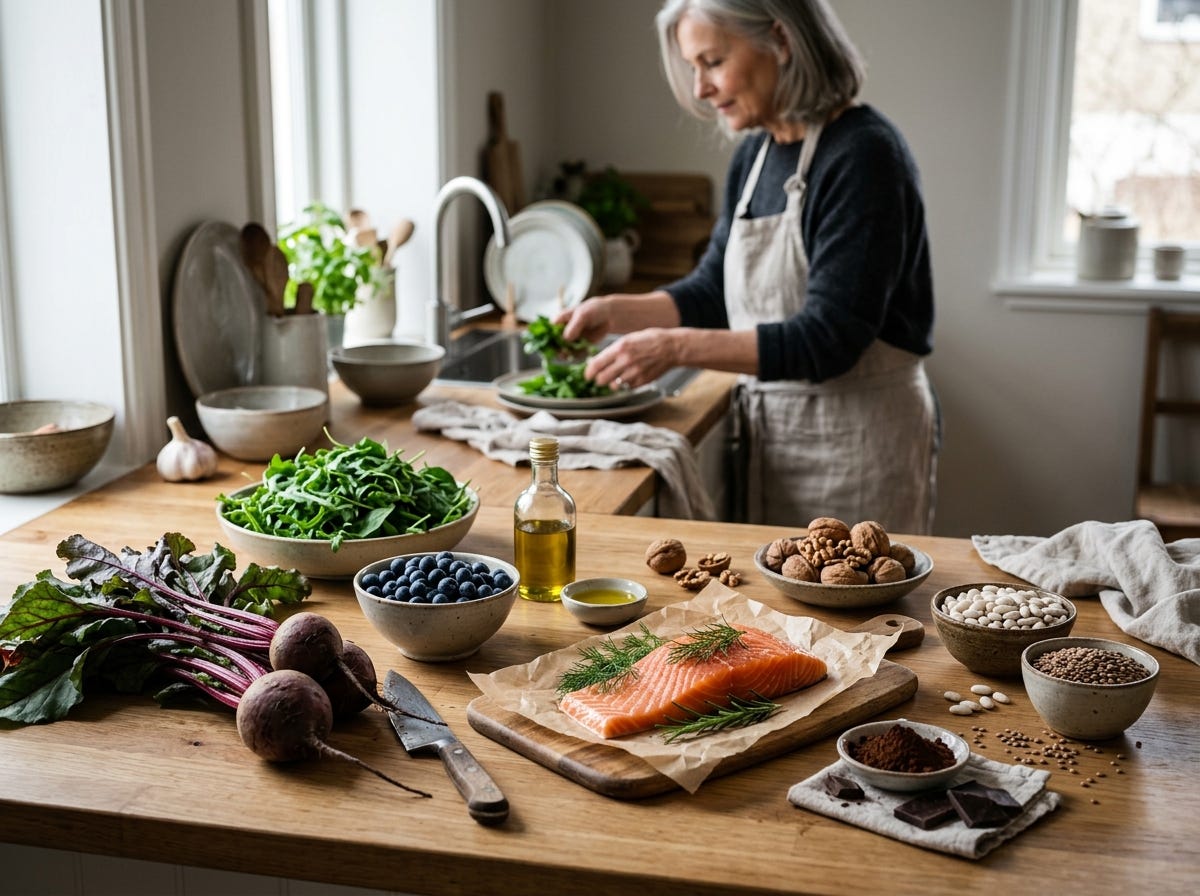
No food has been proven to reverse decades of arterial aging.
But several foods contain nutrients and plant compounds that have been studied for their effects on blood pressure, endothelial function, and vascular health.
Some may even modestly improve measurements of arterial stiffness.
Here are eight worth knowing about.
1. Beets

Beets are naturally rich in dietary nitrates, which your body can convert into nitric oxide.
Researchers have studied beetroot juice for its potential to improve blood vessel function and lower blood pressure.
Some trials have also found modest improvements in arterial stiffness measurements, although results aren’t consistent.
Try roasted beets with olive oil or a small glass of unsweetened beetroot juice.
2. Arugula and Spinach
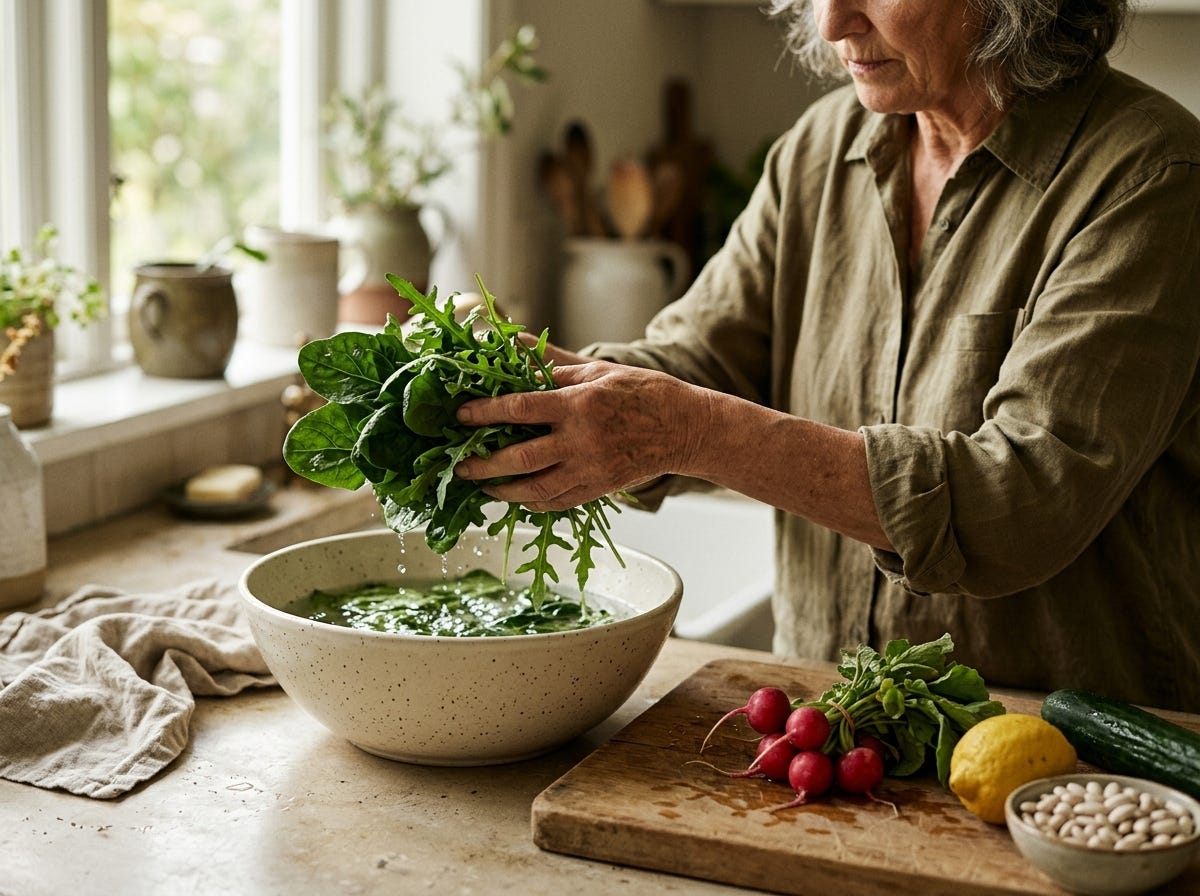
These leafy greens also contain dietary nitrates.
They provide potassium, folate, and various plant compounds involved in cardiovascular health.
Potassium is particularly important because it helps regulate blood pressure.
Add a handful of arugula to lunch or enjoy cooked spinach with dinner.
3. Extra Virgin Olive Oil
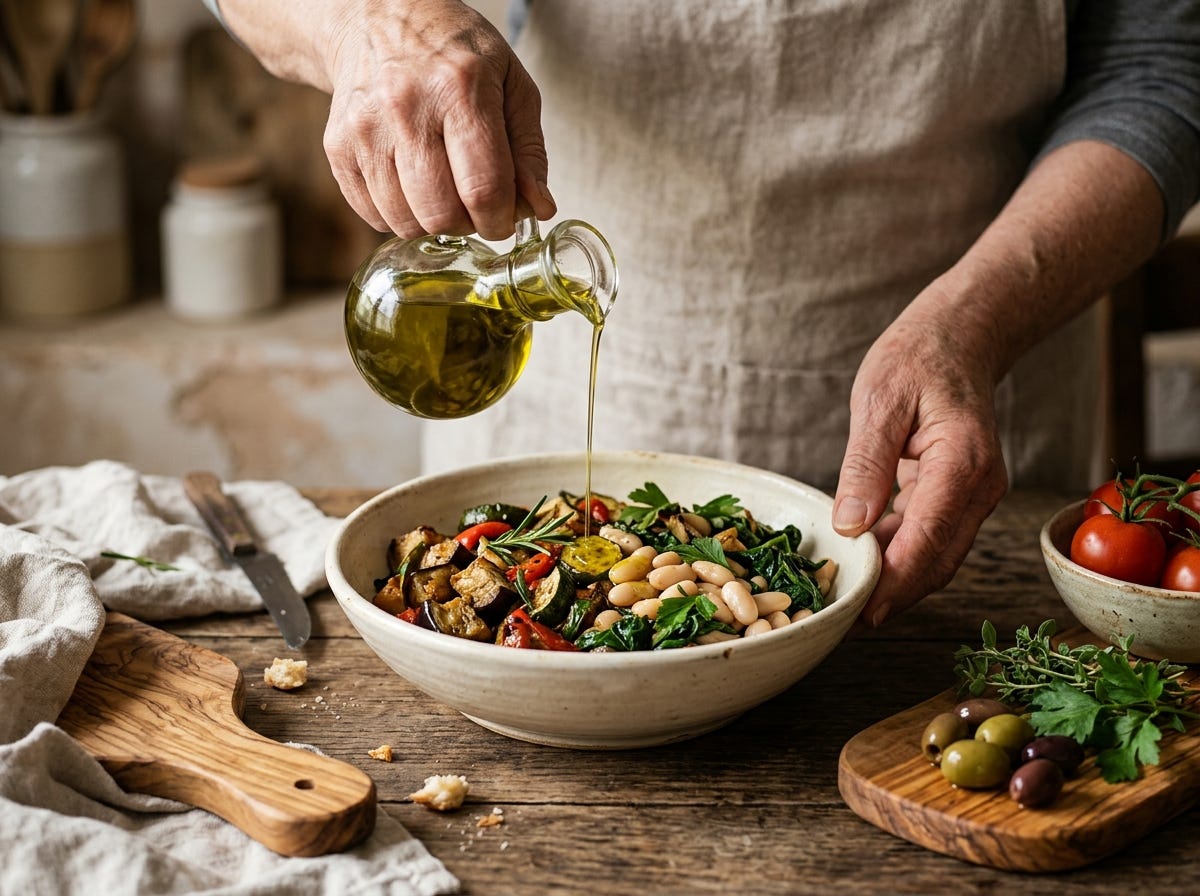
Extra virgin olive oil contains monounsaturated fats and naturally occurring polyphenols.
These compounds have been studied for their effects on inflammation, oxidative stress, and endothelial function.
Olive oil is also a major component of Mediterranean-style diets, which have been associated with better cardiovascular health.
Try drizzling it over vegetables, beans, or salads.
4. Walnuts
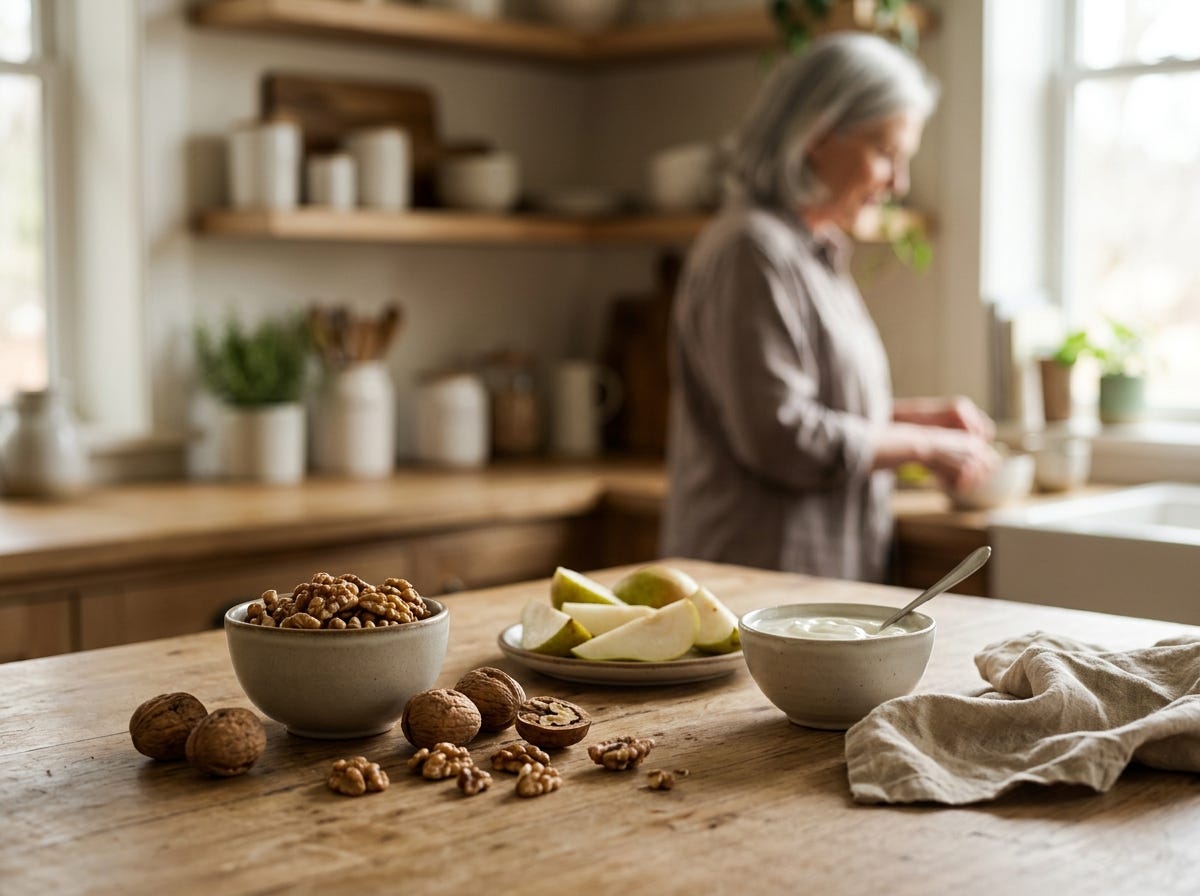
Walnuts contain unsaturated fats, fiber, and alpha-linolenic acid, a plant-based omega-3 fatty acid.
These nutrients can support healthy cholesterol levels and overall cardiovascular function.
While evidence that walnuts directly reduce arterial stiffness is limited, they’re a valuable addition to a heart-healthy eating pattern.
A small handful, roughly one ounce, is a practical serving.
Want to go beyond individual food recommendations?
Our paid Holistic Magazine subscribers get access to practical nutrition resources, including the Food Pairing Guide, Fiber Diversity Guide, and Gut-Friendly Cooking Guide + Meal Plans.
These resources are designed to help you turn nutritional knowledge into everyday habits.
Upgrade to paid to explore our complete premium library.
5. Blueberries
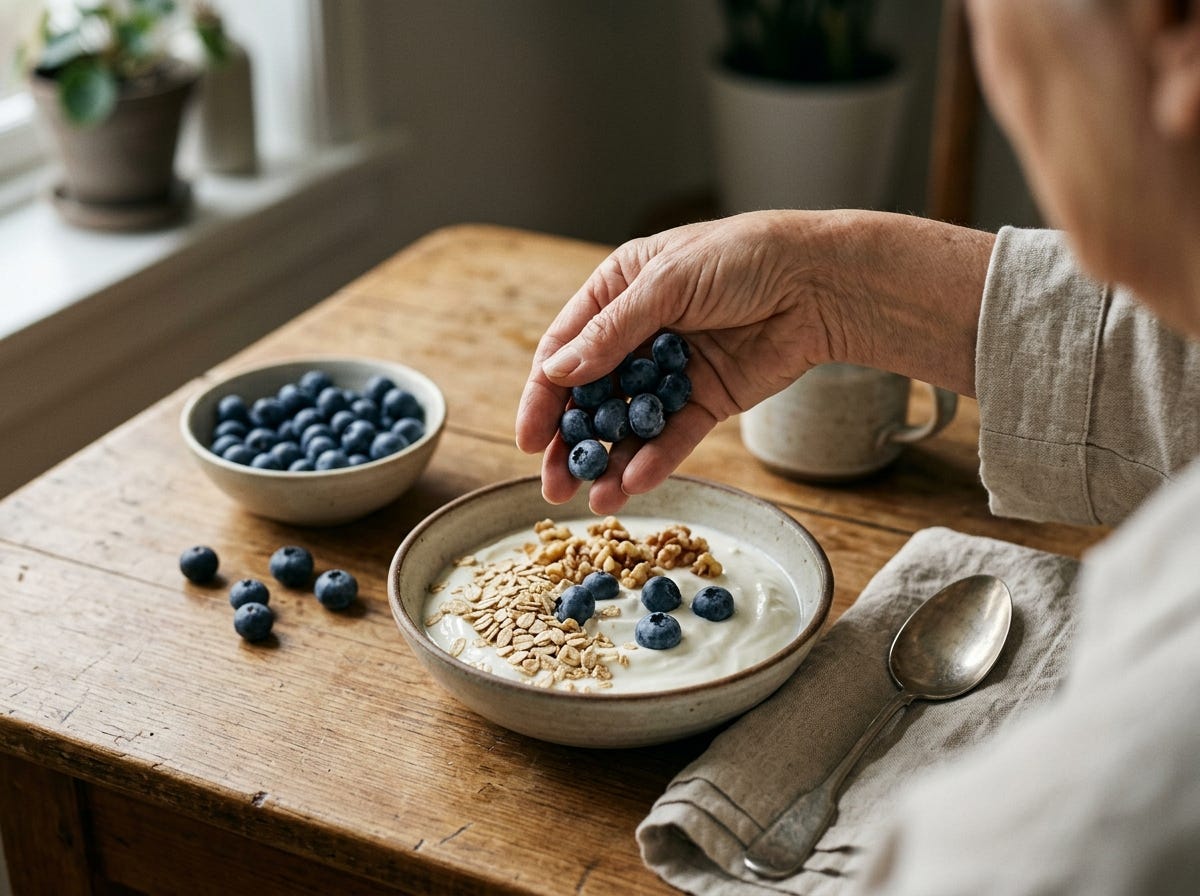
Blueberries contain anthocyanins, the plant pigments responsible for their deep blue color.
These compounds have been studied for their potential effects on endothelial function and cardiovascular health.
Some clinical trials have reported improvements in vascular function, although the evidence for preventing arterial stiffness remains limited.
Try half a cup to one cup of blueberries. Frozen berries work well too.
6. Cocoa

Cocoa contains flavanols that may support nitric oxide signaling and endothelial function.
Some controlled studies have found modest improvements in blood pressure and pulse wave velocity following cocoa flavanol consumption.
But not all chocolate contains meaningful amounts of these compounds.
Try unsweetened cocoa powder in plain yogurt or a beverage rather than relying on sugary chocolate bars.
7. White Beans and Lentils
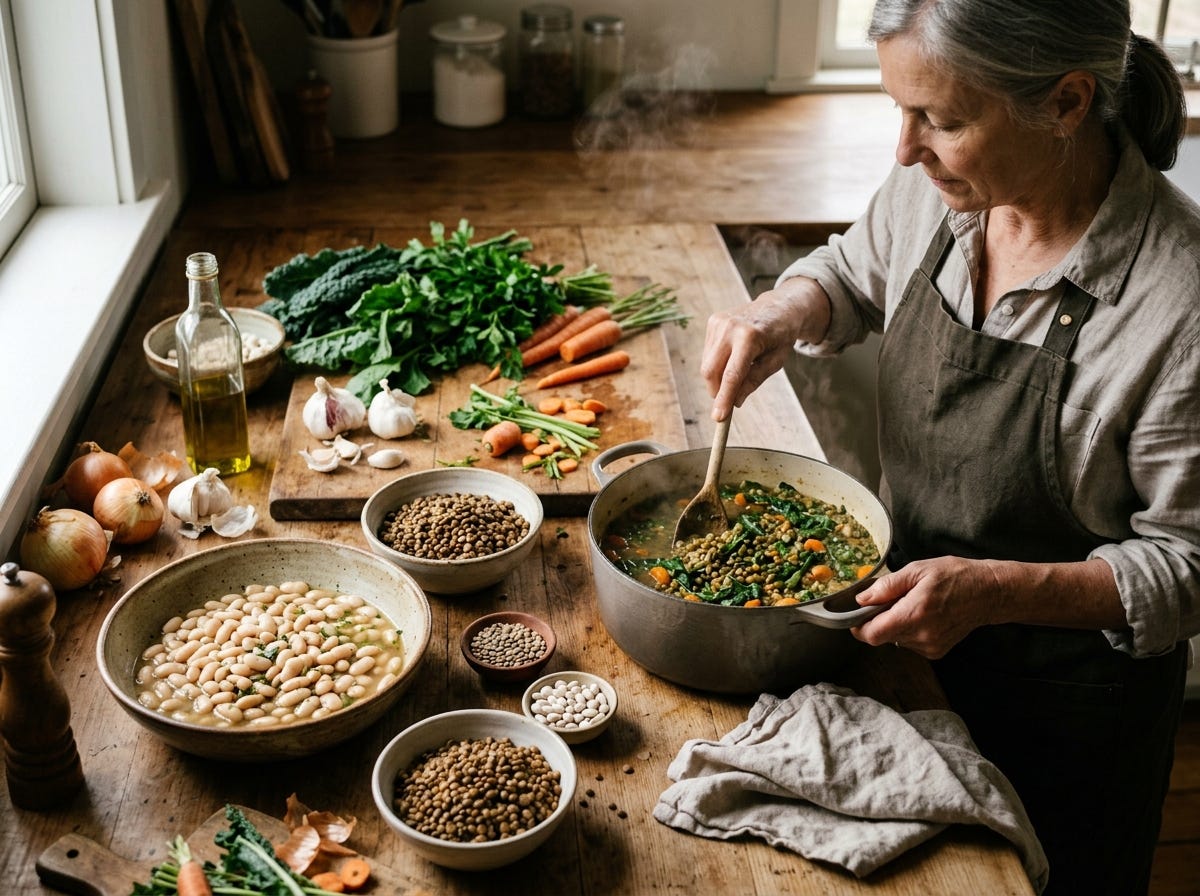
Beans and lentils provide fiber, potassium, magnesium, and plant protein.
These nutrients support cholesterol management, blood pressure regulation, and overall metabolic health.
They haven’t been conclusively shown to directly reverse arterial stiffness, but they fit naturally into dietary patterns associated with better cardiovascular outcomes.
Try half a cup of white beans with lunch or lentils alongside roasted vegetables.
8. Fatty Fish

Salmon, sardines, and trout provide EPA and DHA, two long-chain omega-3 fatty acids.
Researchers have studied these fats for their effects on triglycerides, inflammation, and vascular function.
Evidence for directly improving arterial stiffness is mixed, but fatty fish remain an excellent component of a heart-healthy diet.
Aim to include fish about twice a week.
The Bigger Picture Is Your Overall Diet

Here’s something important.
None of these foods works in isolation.
Your cardiovascular system responds to your overall eating pattern, not simply whether you eat beets or blueberries occasionally.
This is one reason Mediterranean-style and DASH-style diets receive so much attention in cardiovascular research.
They emphasize vegetables, fruits, legumes, whole grains, unsaturated fats, and other nutrient-rich foods.
Research has associated greater adherence to Mediterranean-style eating with lower arterial stiffness, although observational studies cannot establish cause and effect.
The larger takeaway?
You probably don’t need another exotic supplement.
You may benefit more from consistently eating vegetables, beans, berries, nuts, and other nutrient-dense foods while managing sodium intake and maintaining a balanced diet.
Your Arteries Also Respond to Movement

Food is only one part of the equation.
Your blood vessels respond to physical activity too.
When you walk, cycle, or exercise, blood flow increases.
That increased flow creates a mechanical signal along the endothelial lining of your arteries.
Researchers call it shear stress.
This signal can stimulate adaptations in blood vessel function, including pathways involving nitric oxide.
Regular aerobic exercise has been associated with improvements in certain measurements of arterial stiffness, particularly in people who were previously inactive.
And you don’t necessarily need intense workouts.
Brisk walking, cycling, swimming, and other forms of aerobic activity can all contribute.
Resistance training is valuable too, especially because maintaining muscle supports blood sugar regulation and healthy aging.
The important thing is giving your cardiovascular system regular opportunities to work.
A quick reminder for our free subscribers…
Our weekly articles explain the science behind better health. Our paid membership goes further with detailed nutrition guides, supplement resources, practical protocols, and meal plans.
Your subscription also helps us continue publishing independent, research-focused wellness education.
Become a paid subscriber and explore our growing library of premium health resources.
Don’t Obsess Over Having Perfectly Flexible Arteries

There’s a tendency to turn every interesting health measurement into something we need to optimize.
Blood sugar. Cholesterol. Cortisol. Biological age. Heart rate variability.
Now arterial stiffness.
But you don’t need to measure everything to take good care of your cardiovascular system.
For most people, knowing their blood pressure, understanding their cholesterol levels, staying physically active, and addressing established cardiovascular risk factors are more practical priorities.
Arterial stiffness is useful because it reminds us that cardiovascular aging involves more than clogged arteries.
Your blood vessels are living tissues that respond to pressure, movement, metabolic health, and the passage of time.
Some changes are part of normal aging.
Others are influenced by the habits we build over many years.
And while we can’t make our arteries permanently young, we can support the conditions that help them function well.
Bringing It Together

Researchers are interested in arterial stiffness because it offers another way to understand how the cardiovascular system ages.
Your arteries aren’t simply pipes carrying blood.
They’re elastic, responsive tissues that help regulate pressure and circulation with every heartbeat.
And their ability to perform that job matters.
But there’s no need to chase complicated solutions.
Beets and leafy greens provide dietary nitrates.
Olive oil, walnuts, and fatty fish contribute beneficial fats.
Blueberries and cocoa contain plant compounds being studied for their effects on vascular function.
Beans and lentils provide fiber and minerals that support cardiovascular health.
And regular physical activity helps your blood vessels adapt to the demands placed on them.
None of these habits can guarantee that your arteries will remain flexible forever.
But together, they can support healthier blood pressure, circulation, and long-term cardiovascular function.
Perhaps the most important takeaway is this:
Healthy arteries aren’t simply arteries without blockages. They’re blood vessels that can continue doing their jobs effectively as your body ages.
So instead of looking for a miracle food that reverses arterial aging, focus on the larger message behind the research.
Eat more plants. Choose healthier fats. Walk regularly. Maintain healthy blood pressure. And give your cardiovascular system reasons to remain active.
Your arteries have been responding to every heartbeat since before you were born.
Supporting them today is one more way to invest in your health for the years ahead.
Want to Go Deeper Into Your Health?
If you enjoyed today’s breakdown, consider becoming a paid Holistic Magazine subscriber.
You’ll unlock our growing library of premium nutrition guides, supplement resources, meal plans, and practical wellness protocols, including the Supplement Timing Guide, Cellular Hydration Protocol, and 14-Day Gut Reset.
We’re building Holistic Magazine for people who want to understand their bodies better and take a practical, science-backed approach to aging well.
Upgrade to paid today and get full access to our premium wellness library.