

Hi friends,
Over the years, Big Food and large-scale agriculture have slowly removed seeds from many fruits in an effort to make products easier to sell, easier to mass produce, easier to ship, and more convenient for consumers.
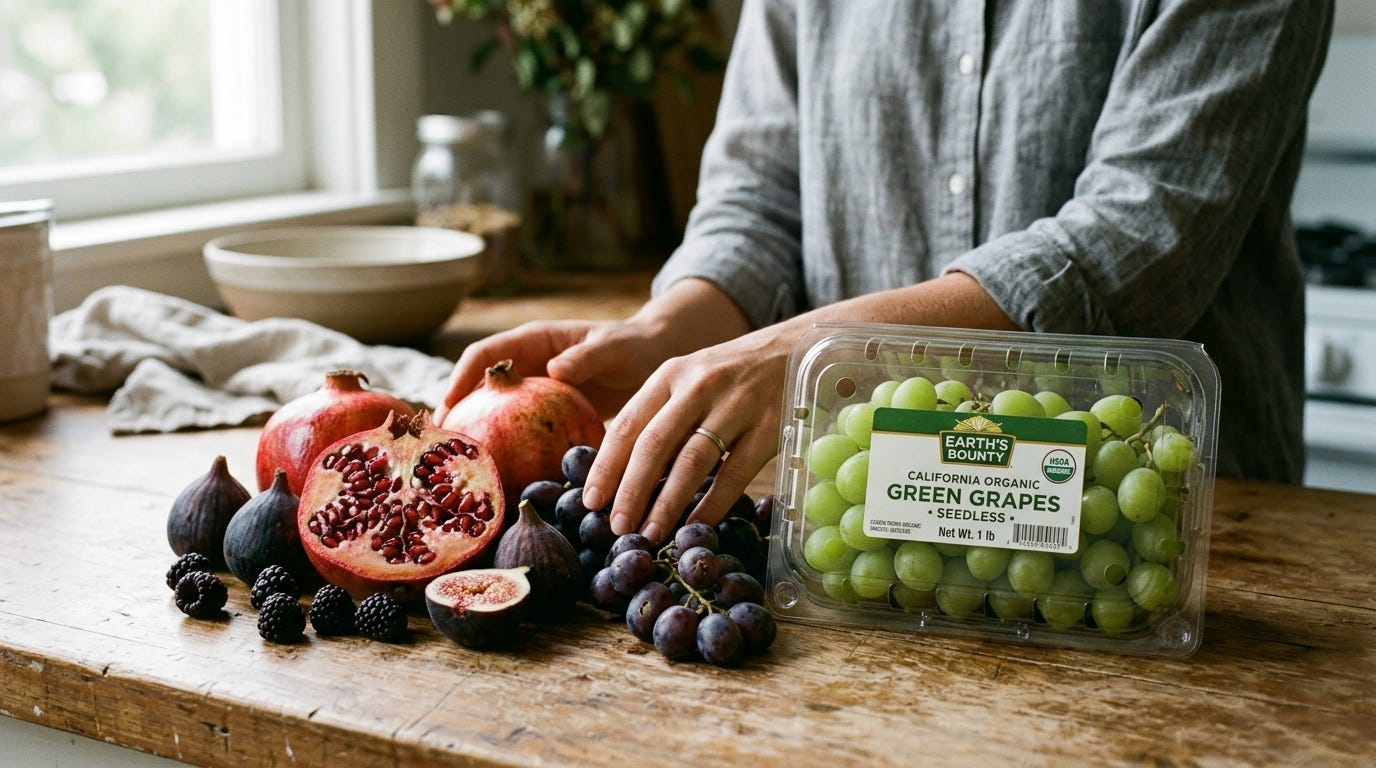
Seedless grapes.
Seedless watermelon.
Seedless cucumbers.
Seedless oranges.
The easier a fruit is to eat, standardize, package, and market at scale, the more profitable it often becomes.
And while most people see seedless fruit as a harmless convenience, very few stop to ask an important question:
What exactly did we lose when the seeds disappeared?
Because seeds were never just useless fillers inside fruit.
They’re the reproductive core of the plant, containing concentrated compounds designed to protect new life, including polyphenols, antioxidants, trace minerals, healthy fats, fiber compounds, and plant defense chemicals researchers are still studying today.
In nature, seeded fruits were the original version.
And interestingly, many of the compounds associated with circulation, gut health, metabolic health, antioxidant activity, collagen support, and cellular protection are found in or around the seed itself.
Modern bioengineering and selective breeding helped create fruits that are sweeter, softer, and more convenient for industrial food systems, but in many cases, those same changes also moved food further away from its original biological structure.
That matters more than most people realize.
In Less Than 10 Minutes, We’ll Cover:
Why many seeded fruits naturally contain more protective compounds
The connection between seeds, polyphenols, and antioxidants
Why some seeded fruits are often less modified
The surprising role seeds may play in gut and metabolic health
Which seeded fruits stand out the most
Before we begin, if you enjoy practical health breakdowns that connect nutrition, physiology, and real-world habits without the wellness fluff, consider subscribing to Holistic Magazine.
Free subscribers get structured, science-backed wellness breakdowns each week.
Paid subscribers get the deeper protocols, food systems, timing strategies, and premium guides we usually can’t fit into regular posts.
Here’s what paid subscribers are reading right now:
Why Seeds Matter More Than People Think
Seeds are nutrient storage systems.
A plant places some of its most important compounds into the seed because that seed is responsible for survival, growth, and reproduction.
That’s why many seeds naturally contain:
Polyphenols
Flavonoids
Trace minerals
Fiber compounds
Protective fatty acids
Antioxidants
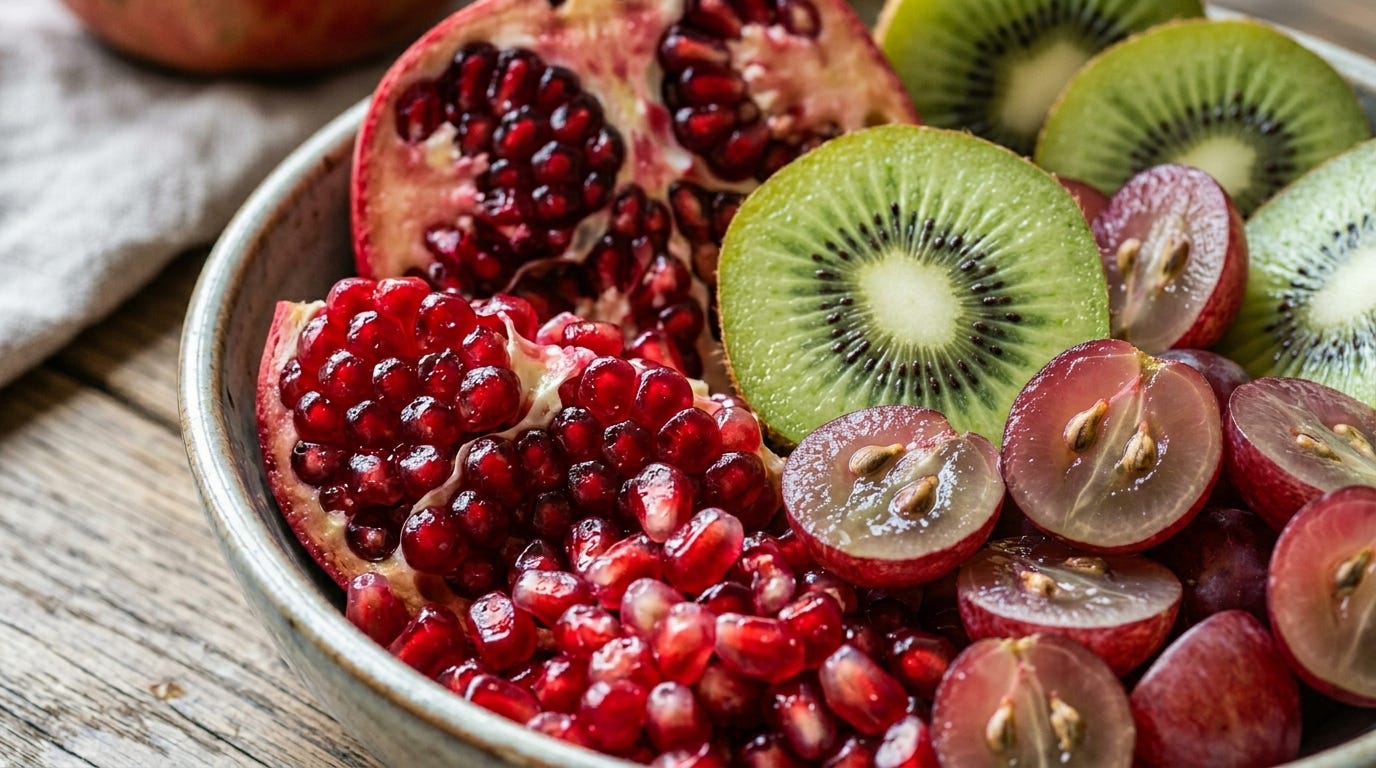
Grape seeds, for example, are rich in oligomeric proanthocyanidins (OPCs), compounds studied for circulation, oxidative stress, collagen support, and vascular health.
Pomegranate seeds contain punicalagins and polyphenols associated with antioxidant activity and cellular protection.
Even kiwi seeds contain small amounts of beneficial fatty acids and fiber compounds that contribute to digestive support.
In many cases, the seed and the flesh work together as a complete biological package.
The Seedless Trend
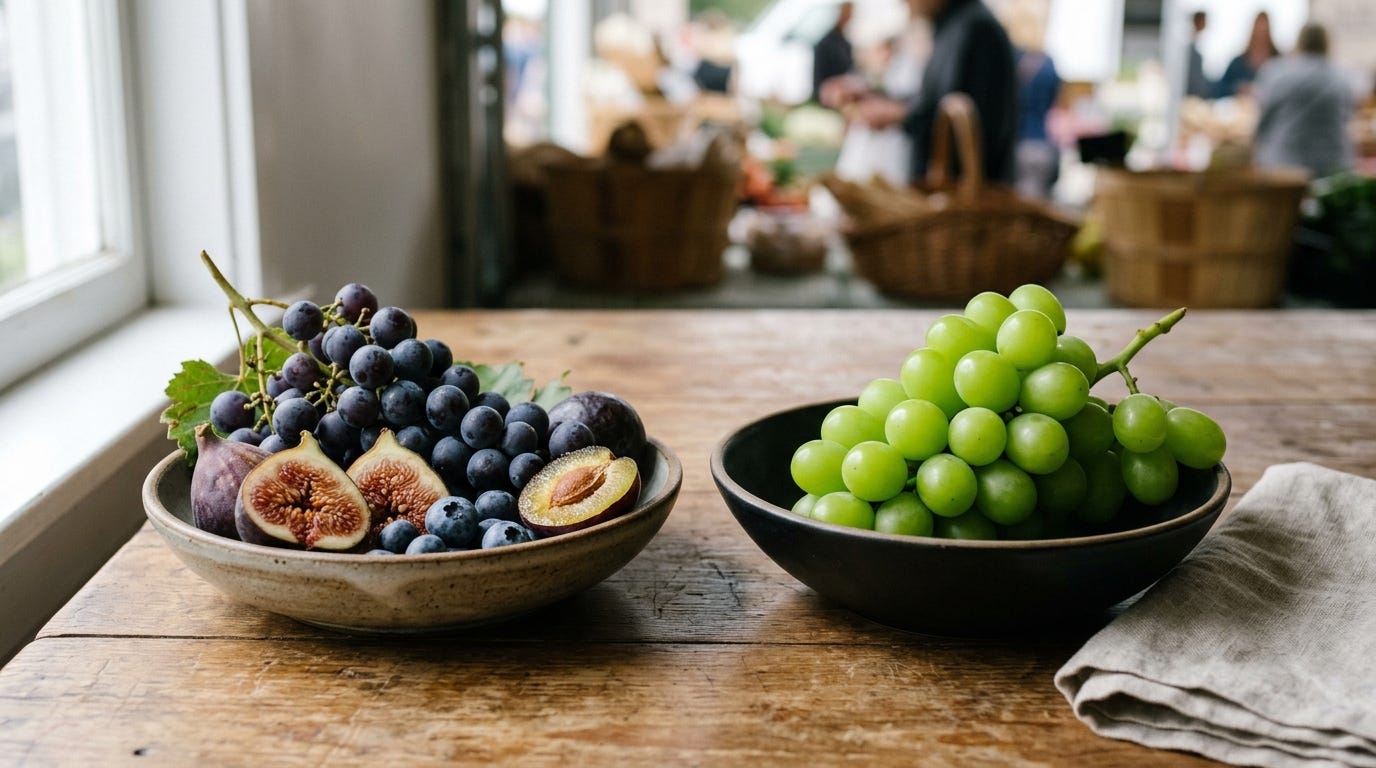
Modern agriculture often prioritizes:
Sweetness
Shelf life
Appearance
Convenience
Mass production
That’s part of why seedless fruits became so dominant.
Many seedless fruits are created through selective breeding and agricultural bioengineering methods designed to suppress seed development while still allowing the fruit itself to grow.
For industrial food systems, this creates products that are easier to standardize, easier to package, and easier to market globally.
But there’s a tradeoff people rarely talk about.
When food is repeatedly modified for convenience, texture, sweetness, and shelf life, it can gradually move further away from the plant’s original biological design.
And in many cases, the seed was carrying some of the most concentrated protective compounds in the entire fruit.
Convenience and optimization do not always equal better nutrition.
Seeded Fruits That Stand Out
Pomegranates
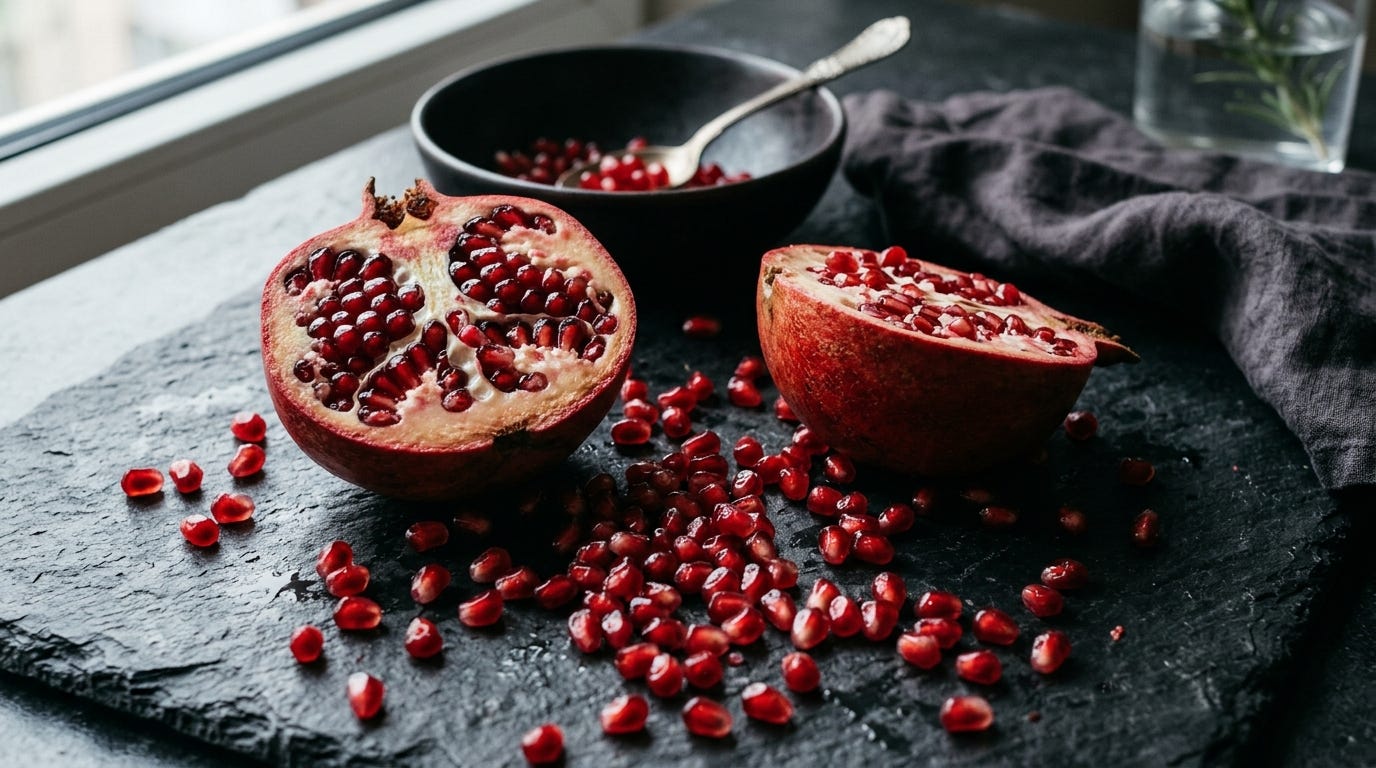
One of the richest fruit sources of polyphenols and antioxidant compounds.
The seeds and surrounding arils contribute fiber, antioxidants, and plant compounds associated with cardiovascular and cellular health.
Grapes With Seeds
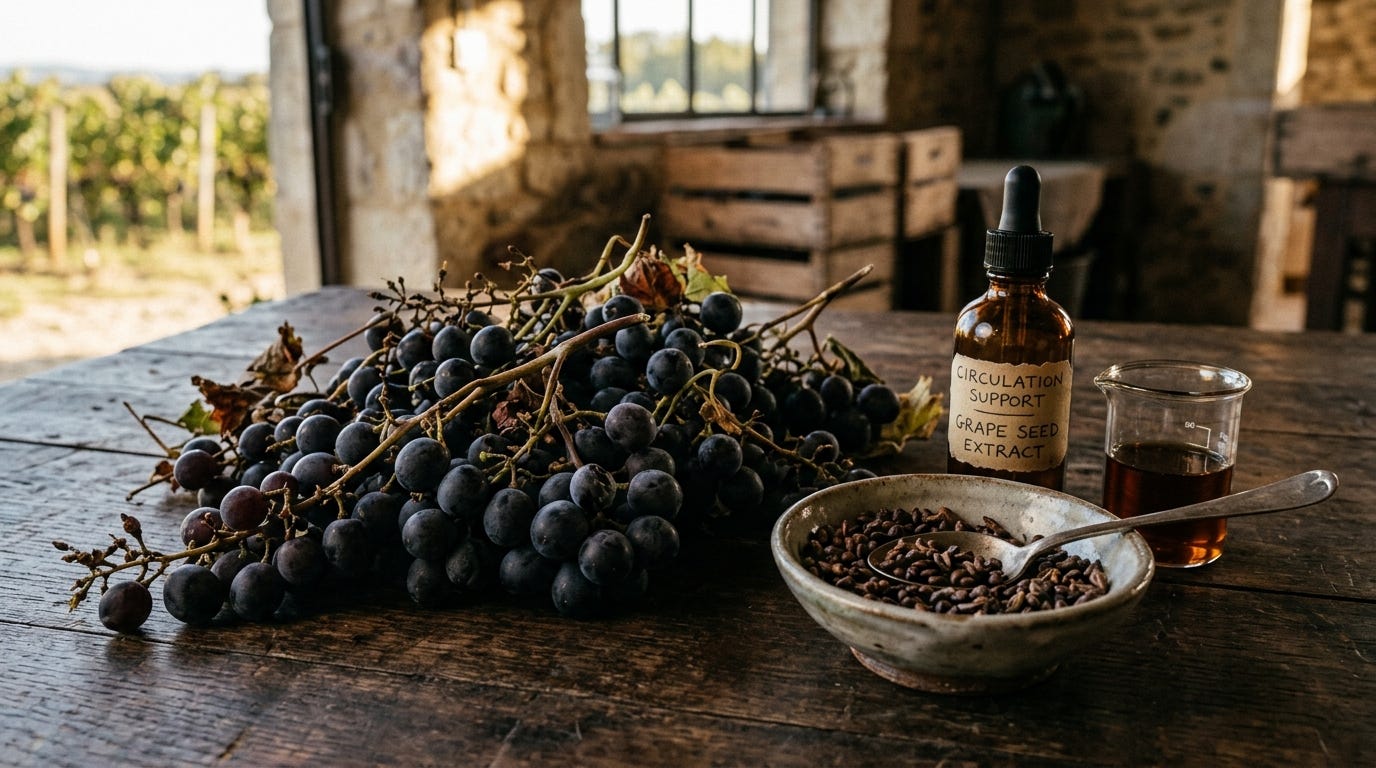
Grape seeds are widely studied for circulation and antioxidant support.
Many grape seed extracts are made specifically from the compounds concentrated inside the seed itself.
Watermelon With Seeds

Watermelon seeds contain magnesium, iron, zinc, and protein compounds.
In some cultures, roasted watermelon seeds are eaten intentionally as a nutrient-dense snack.
Kiwi
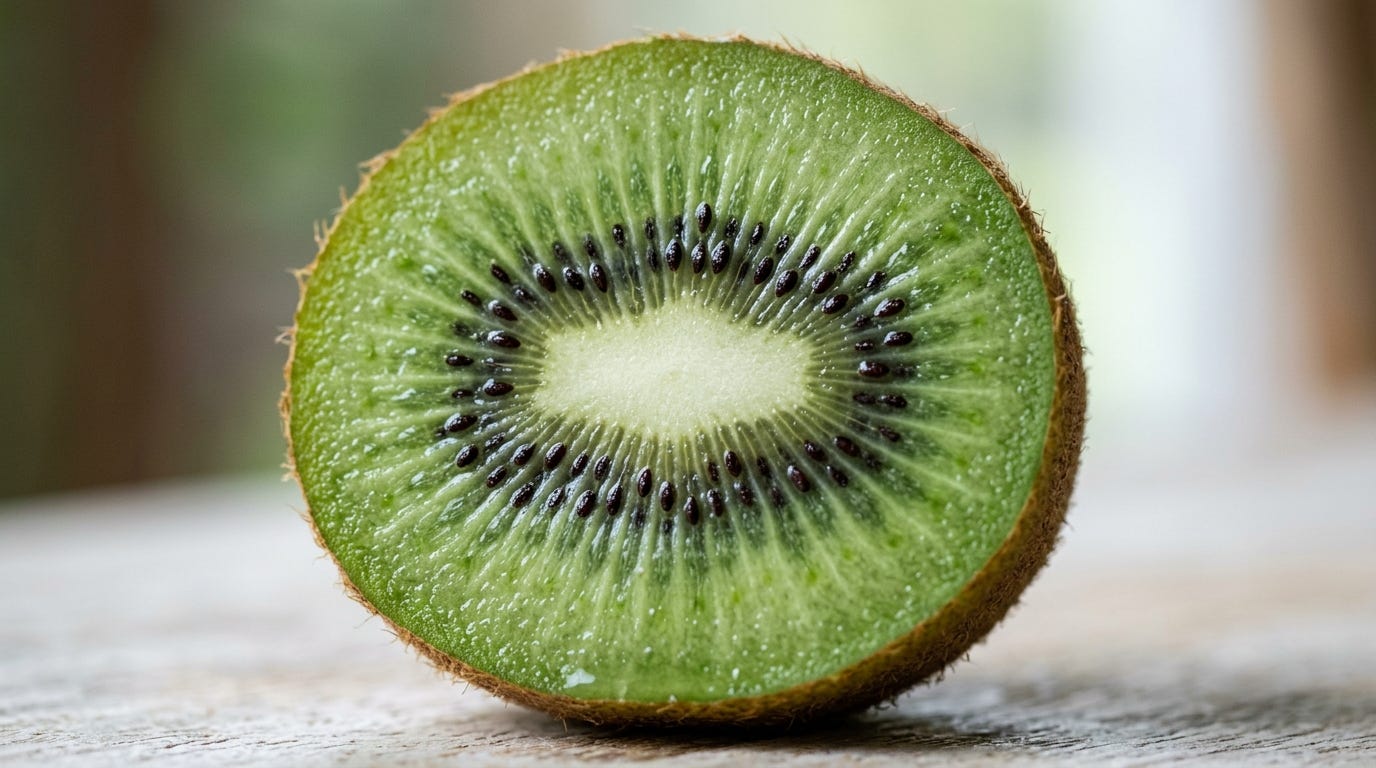
The tiny black seeds contribute fiber and healthy fats while the fruit itself supports digestion through natural enzymes like actinidin.
Passion Fruit
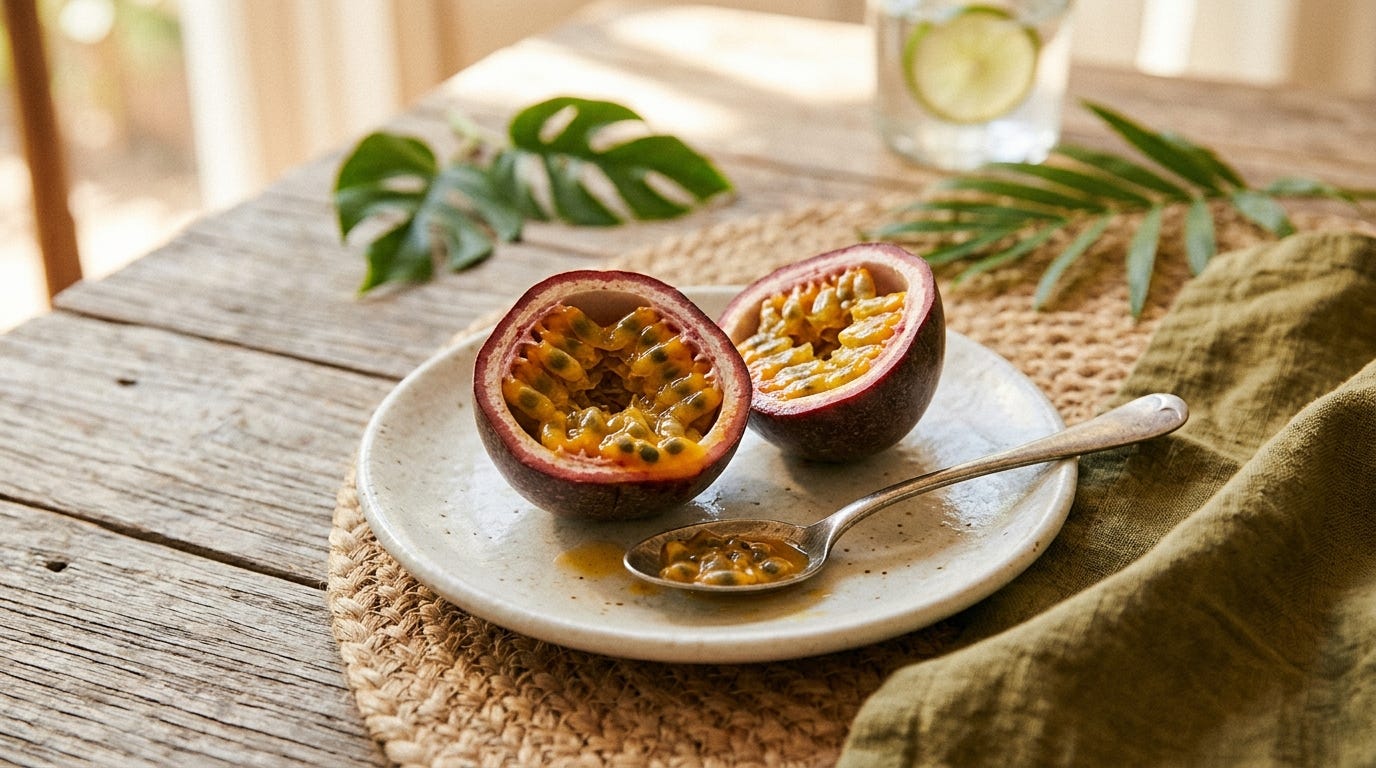
Rich in edible seeds that contribute fiber and plant compounds while slowing down how quickly the fruit is digested.
Guava
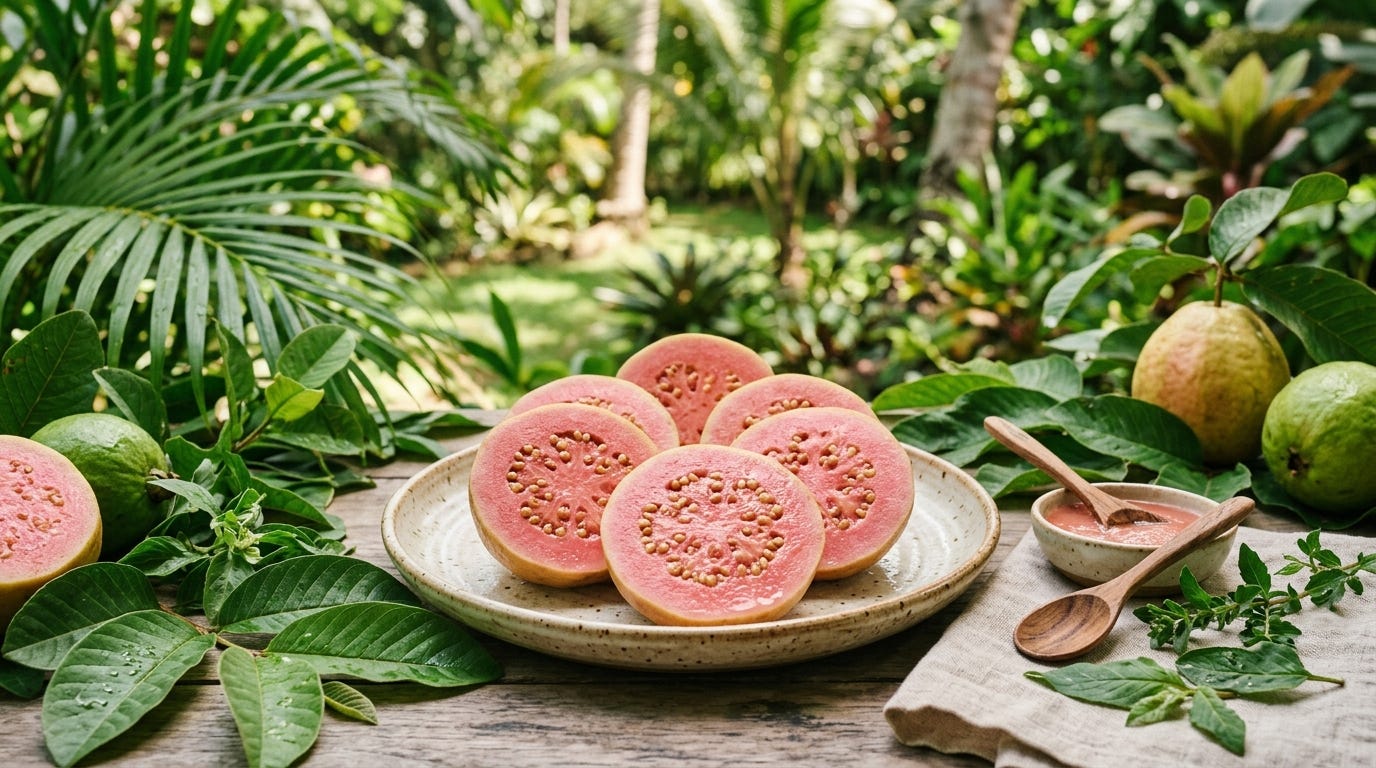
Contains numerous small seeds along with high vitamin C levels, fiber, and antioxidant compounds.
The Gut Connection

Seeds also naturally slow eating.
They create texture, require more chewing, and often come packaged with additional fiber compounds.
That matters because digestion starts in the mouth.
More chewing can influence satiety signaling, digestive enzyme release, and how the body processes carbohydrates.
Many seeded fruits also contain a combination of fiber and polyphenols that help support microbial diversity in the gut.
Researchers are increasingly finding that polyphenols and gut bacteria work together in ways we’re only beginning to understand.
Bringing It Together
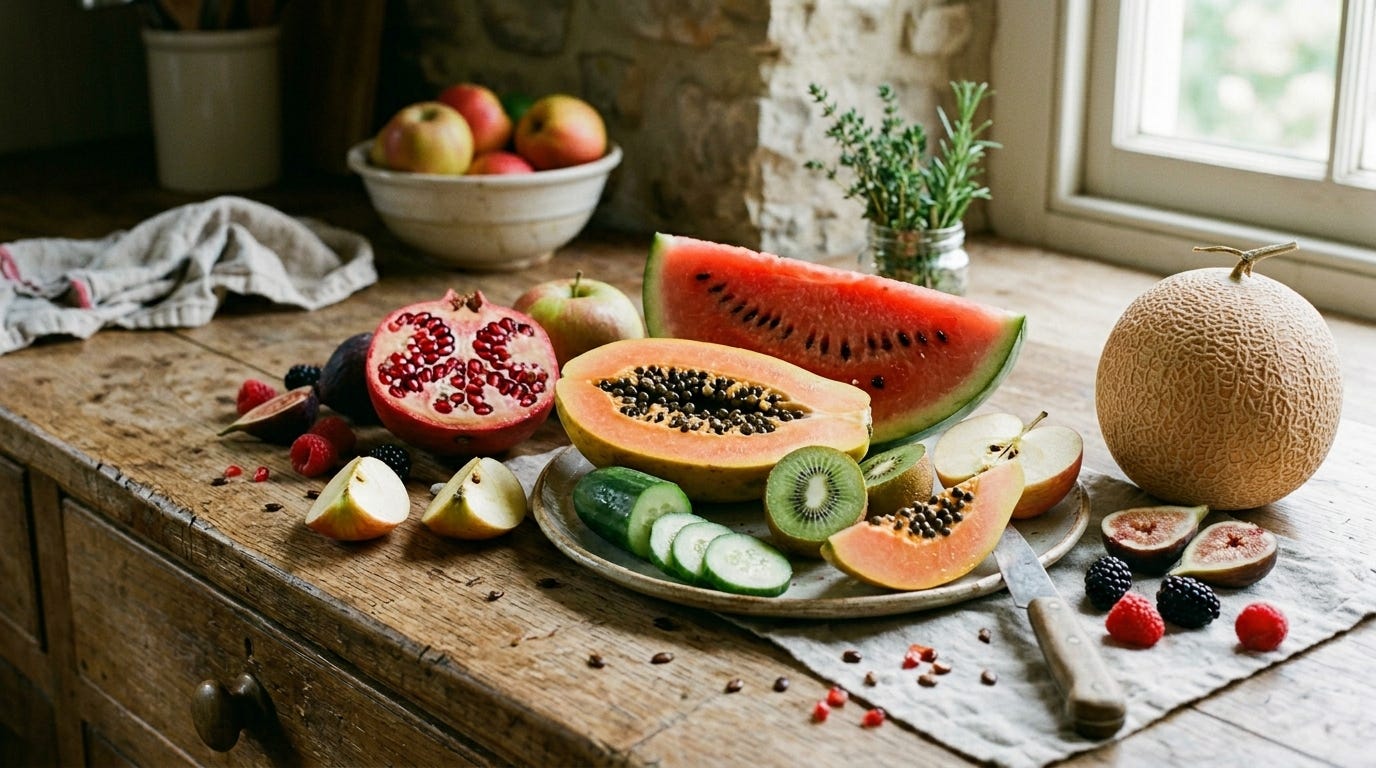
Nature rarely creates food randomly.
Seeds exist for a reason.
And while modern food systems removed many seeds in the name of convenience, shelf life, and profitability, those seeds may have contained more nutritional value than most people realized.
Seeded fruits often contain concentrated plant compounds tied to protection, survival, and reproduction, and those same compounds may also help support human health in ways we’re still uncovering.
Sometimes the parts removed first are the parts carrying the most interesting biology.

If you want deeper breakdowns on food systems, gut health, minerals, metabolism, and the physiology behind how the body actually works, paid subscribers get access to the full protocols, premium guides, and advanced nutrition breakdowns we don’t publish publicly.
Most health advice stays surface level.
We try to explain what’s happening underneath it.