


Hi friends,
Most people focus on what medication to take when they start feeling unwell, but often the first thing the body needs is support.
When you’re sick, your immune system requires energy, fluids, minerals, protein, and nutrients to do its job. At the same time, digestion often becomes less efficient, appetite decreases, and many people unintentionally eat less of the foods that help recovery most.

No single food can cure an illness. But certain foods can help support hydration, provide nutrients the immune system relies on, soothe irritated tissues, and make it easier for the body to recover.
Many traditional cultures around the world often turned to simple foods during illness. Broths, soups, teas, fruits, herbs, and easy-to-digest meals have been used for generations because they provide nourishment without placing additional stress on digestion.
In Less Than 10 Minutes, We’ll Cover:
What to eat when you have a sore throat
Foods that help support hydration
Why protein matters during illness
The role of vitamin C-rich foods
Simple foods that are easy on digestion
The importance of minerals and electrolytes
Foods that help support gut health
What to eat when you have little appetite
Before we begin, if you enjoy practical wellness breakdowns that connect nutrition, physiology, and real-world habits without the wellness fluff, consider subscribing to Holistic Magazine.
Free subscribers get structured, science-backed wellness articles each week.
Paid subscribers get the deeper protocols, advanced nutrition guides, meal systems, and premium breakdowns we usually cannot fit into regular posts.
Here’s what paid subscribers are reading right now:
Bone Broth Supports Hydration and Recovery
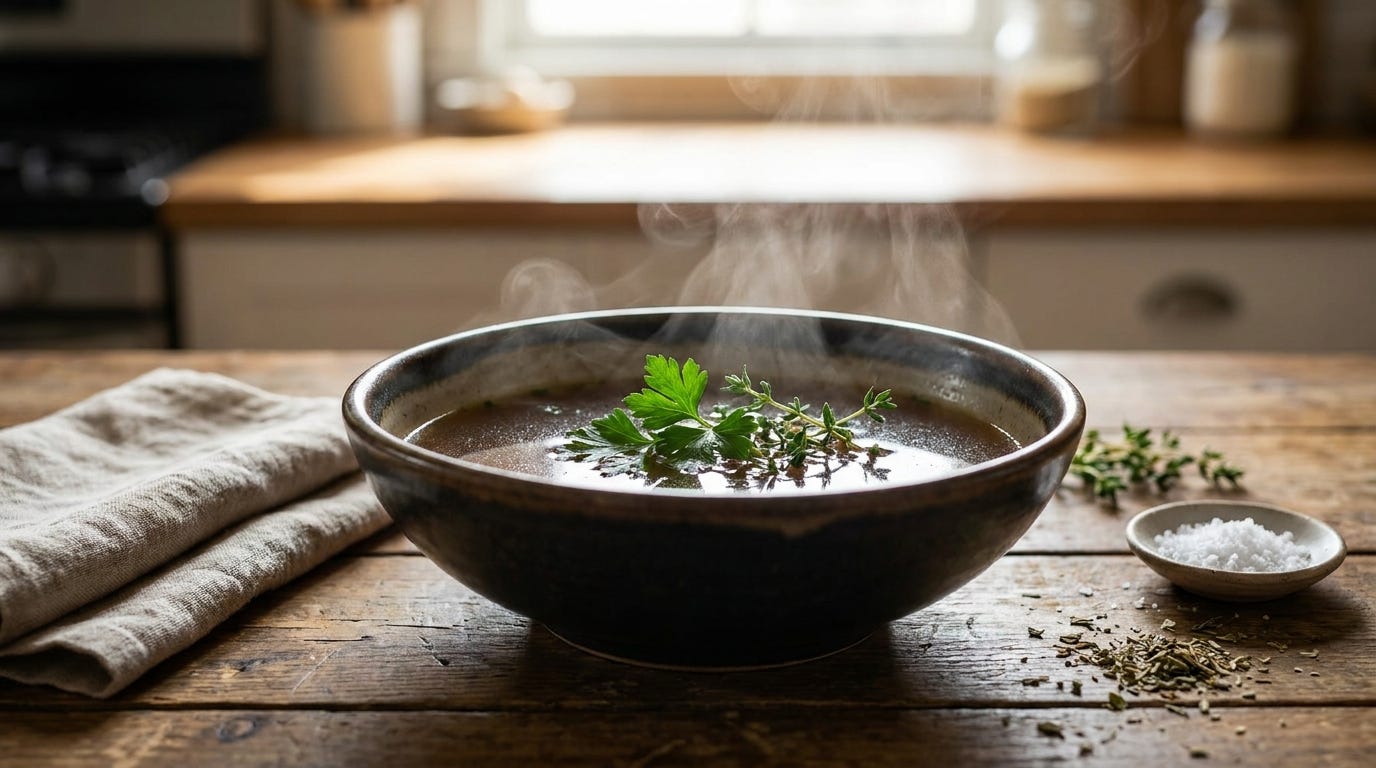
One of the most commonly recommended foods during illness is bone broth.
Broth provides fluids, electrolytes, amino acids, and minerals in a form that is often easy to consume even when appetite is low. Warm liquids may also help soothe irritated throats and support comfort when congestion is present.
Many people naturally lose fluids during illness through fever, sweating, reduced food intake, or decreased thirst. Because of this, hydration often becomes one of the most important recovery factors.
Traditional cultures have relied on broths for generations because they provide nourishment while being gentle on digestion.
Citrus Fruits Provide Vitamin C

Oranges, grapefruit, lemons, mandarins, and other citrus fruits contain vitamin C, one of the nutrients most closely associated with immune health.
Vitamin C supports numerous immune functions and also acts as an antioxidant throughout the body.
While vitamin C cannot prevent every illness, maintaining adequate levels helps support normal immune function and recovery processes.
Many citrus fruits also provide fluids that contribute to hydration.
Ginger Helps Support Comfort

Ginger has a long history of use throughout traditional wellness systems.
Many people find ginger tea particularly helpful when experiencing nausea, digestive discomfort, sore throats, or general feelings of illness.
Researchers have studied ginger for its effects on digestion, inflammation, and nausea regulation, which may partly explain why it remains one of the most widely used herbal remedies around the world.
Warm ginger tea can also encourage fluid intake when plain water feels less appealing.
Protein Helps The Immune System

When people become sick, they often eat less protein than usual.
However, protein provides the amino acids required to build immune cells, enzymes, antibodies, tissues, and repair mechanisms throughout the body.
Foods such as eggs, chicken, turkey, fish, Greek yogurt, cottage cheese, and slow-cooked meats can provide high-quality protein while remaining relatively easy to digest.
Many people focus entirely on vitamins during illness while overlooking the importance of adequate protein intake.
Honey and Warm Tea

Honey has been used traditionally for centuries to help soothe irritated throats.
Many people find that warm herbal tea combined with honey provides temporary comfort when dealing with throat irritation or persistent coughing.
Honey also contains naturally occurring compounds that researchers continue to study for their biological activity.
Simple combinations often become popular for a reason.
Potatoes and Electrolytes

Illness can sometimes increase fluid and mineral losses.
Potatoes provide potassium, one of the body’s primary electrolytes involved in hydration, nerve signaling, muscle function, and fluid balance.
Many people associate hydration only with water, but electrolytes help determine how effectively fluids are distributed throughout the body.
Along with potassium-rich foods, mineral-rich broths, fruits, vegetables, and adequate sodium intake can all support hydration status during illness.
Yogurt and Gut Health

A large portion of the immune system interacts with the digestive tract.
Foods such as yogurt, kefir, and other fermented foods contain beneficial bacteria that may help support a healthy gut environment.
Researchers continue exploring the relationship between the microbiome and immune function, digestion, inflammation, and overall health.
When appetite is low, yogurt can also provide protein while being easy to consume.
Watermelon and Hydrating Fruits

Many fruits naturally contain large amounts of water.
Watermelon, oranges, strawberries, cucumbers, and cantaloupe can all contribute to hydration while providing vitamins, minerals, and antioxidants.
Some people find hydrating fruits easier to tolerate than larger meals when they are not feeling well.
The body often recovers best when hydration remains consistent throughout the day.
Bringing It Together

When you’re not feeling well, the goal is not to find a single miracle food.
Recovery is usually supported by a combination of hydration, protein, minerals, rest, sleep, and nutrient-dense foods that are easy to digest.
Simple foods like bone broth, eggs, citrus fruits, ginger tea, yogurt, potatoes, honey, and hydrating fruits have remained popular across generations because they provide support in multiple ways at once.
The body is constantly working to restore balance. Giving it fluids, nutrients, rest, and time often provides the foundation it needs to do exactly that.
If you want deeper breakdowns on immune health, hydration, recovery nutrition, gut health, sleep, and daily wellness systems, paid subscribers get access to the full premium guides and advanced wellness breakdowns we don’t publish publicly.
Here’s what paid subscribers are reading right now: