


I. THE FOUNDATIONS OF THE BLUE ZONES DIET
Introduction
The Blue Zones became widely studied because certain regions around the world appeared to contain unusually high numbers of people living into their 90s and beyond while remaining active and engaged later into life.
These regions include places such as Okinawa in Japan, Sardinia in Italy, Ikaria in Greece, Nicoya in Costa Rica, and Loma Linda in California. While each culture has its own traditions and foods, researchers began noticing repeated lifestyle patterns shared across many of these populations. Food was certainly part of the picture, but so were movement, social connection, meal rhythms, stress levels, and daily routines.
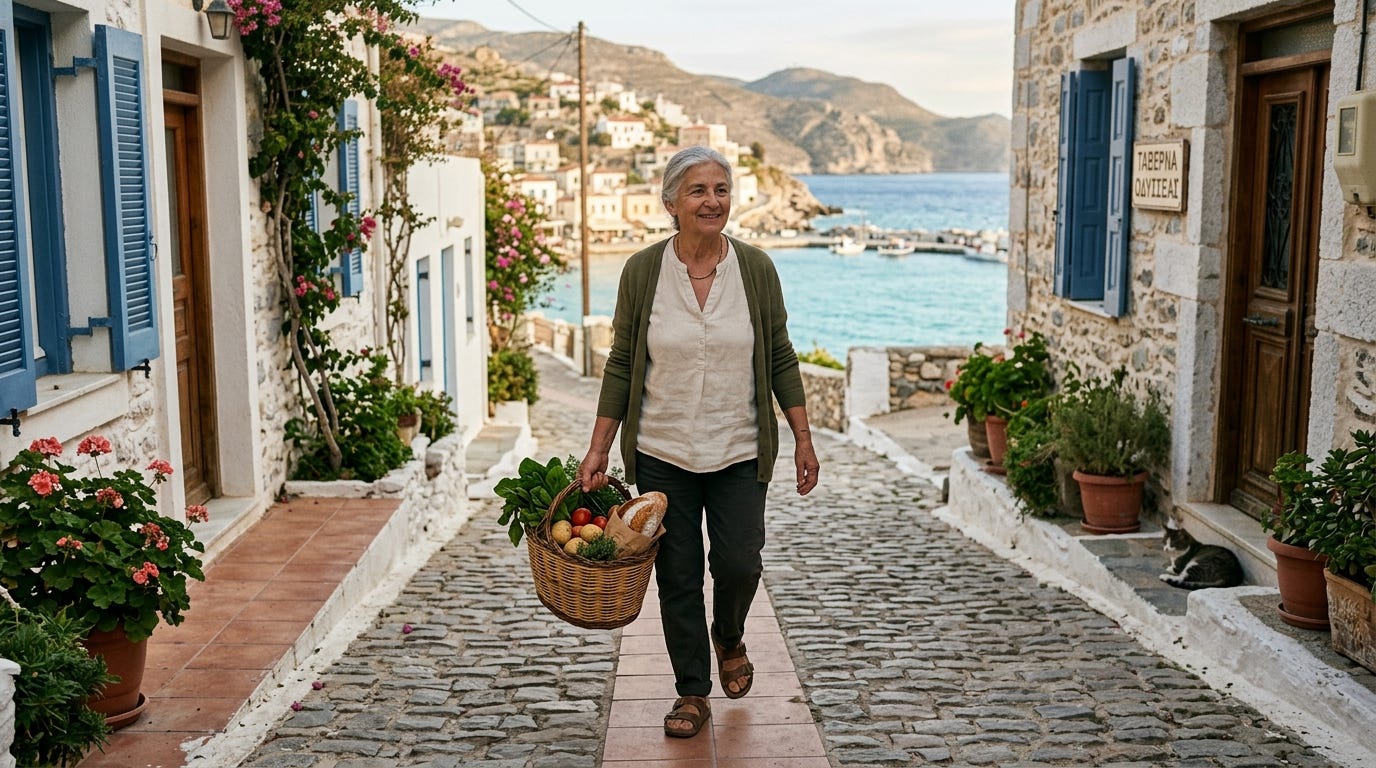
One of the most interesting aspects of the Blue Zones is how ordinary many of the habits appear.
The diets are not built around extreme restriction, expensive supplements, or complicated wellness systems. Meals are often simple, repetitive, seasonal, and deeply connected to local food traditions. People tend to eat more home-cooked meals, consume fewer ultra-processed foods, move naturally throughout the day, and maintain stronger community connections around food and daily life.
The Blue Zones also highlight something important about long-term health.
Longevity is usually shaped by patterns repeated consistently over decades rather than short periods of perfection. Most long-living cultures developed routines that supported steadier nourishment, regular movement, slower eating, better social support, more predictable rhythms, and less constant overstimulation.
This guide explores the Blue Zones diet through a practical lens focused on traditional foods, meal structure, cooking methods, hydration, digestion, satiety, recovery, and everyday longevity habits rather than rigid dietary rules.
The goal is not copying another culture perfectly.
The goal is understanding the common principles that repeatedly appeared in populations known for living long, active lives and exploring how those patterns may fit into modern life in a more realistic and sustainable way.
The Common Patterns Shared Across Blue Zones
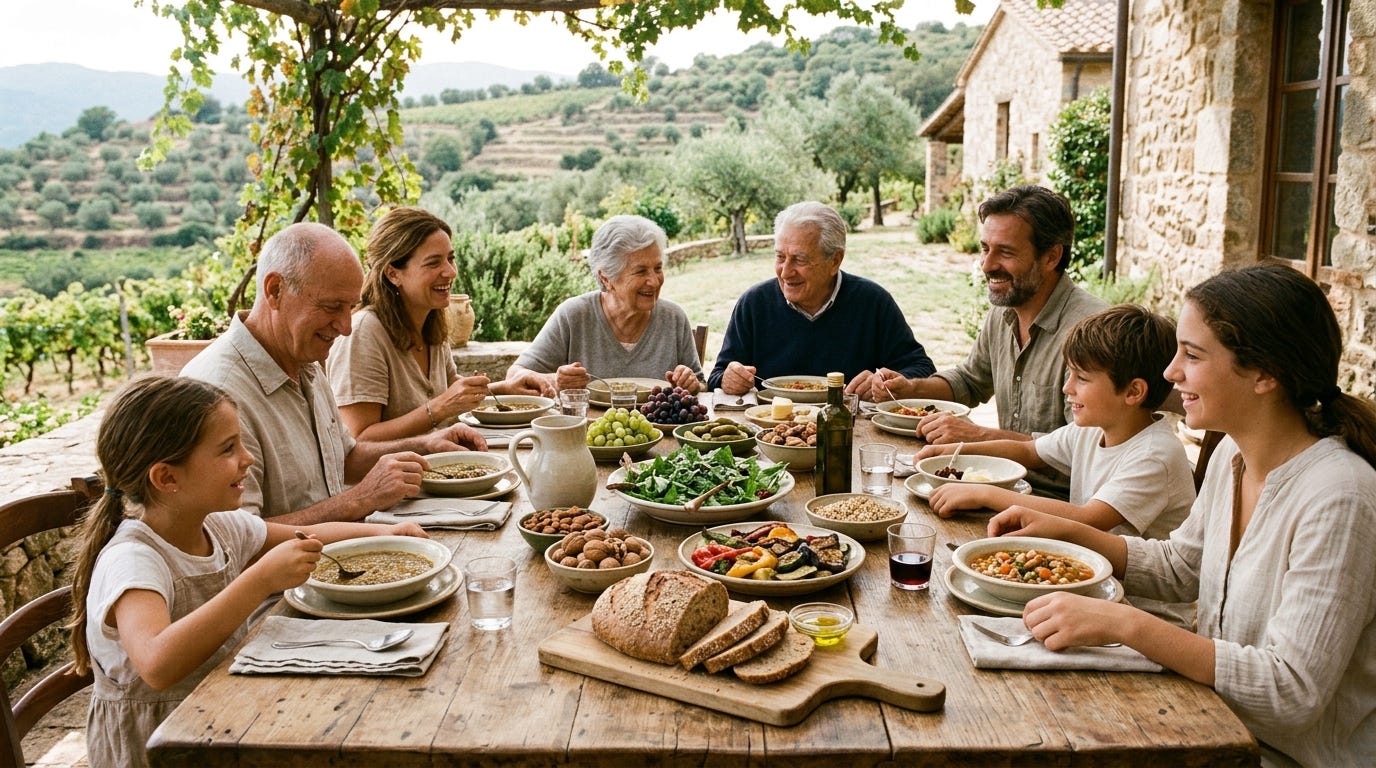
The Blue Zones differ geographically, culturally, and historically, yet many of the same food patterns appear repeatedly across all of them.
Meals are generally built around whole foods that remain relatively close to their natural form. Vegetables, legumes, herbs, grains, fruits, olive oil, nuts, soups, and slower-cooked meals appear consistently throughout these regions, often prepared using simple methods passed down through generations.
One of the strongest patterns is the heavy reliance on plant foods.
Beans and legumes appear especially often because they are affordable, filling, rich in fiber and minerals, and easy to integrate into soups, stews, grain bowls, and slow-cooked meals. Vegetables also play a major role, particularly cooked vegetables, bitter greens, onions, garlic, squash, root vegetables, and seasonal produce.
Meals also tend to feel slower and less overstimulating.
Many Blue Zone cultures traditionally eat fewer ultra-processed foods, fewer sugary drinks, smaller portions, more home-cooked meals, and more shared meals with family and community. This naturally changes meal pacing, satiety, and the overall relationship people have with food.
Movement is woven into everyday life as well.
Rather than relying entirely on intense workouts, many long-living populations walk frequently, garden, cook, clean, climb hills, and remain physically active through regular daily routines. Food and movement support each other rather than functioning as completely separate systems.
Stress and recovery patterns matter too.
Many Blue Zone cultures maintain slower evening rhythms, stronger community ties, spiritual practices, and daily routines that allow the nervous system to experience more regular periods of calm and social support.
What makes the Blue Zones interesting is not one magical ingredient.
It is the way meals, movement, social connection, hydration, cooking methods, and daily rhythms continuously reinforce each other over long periods of time.
