

Hi friends,
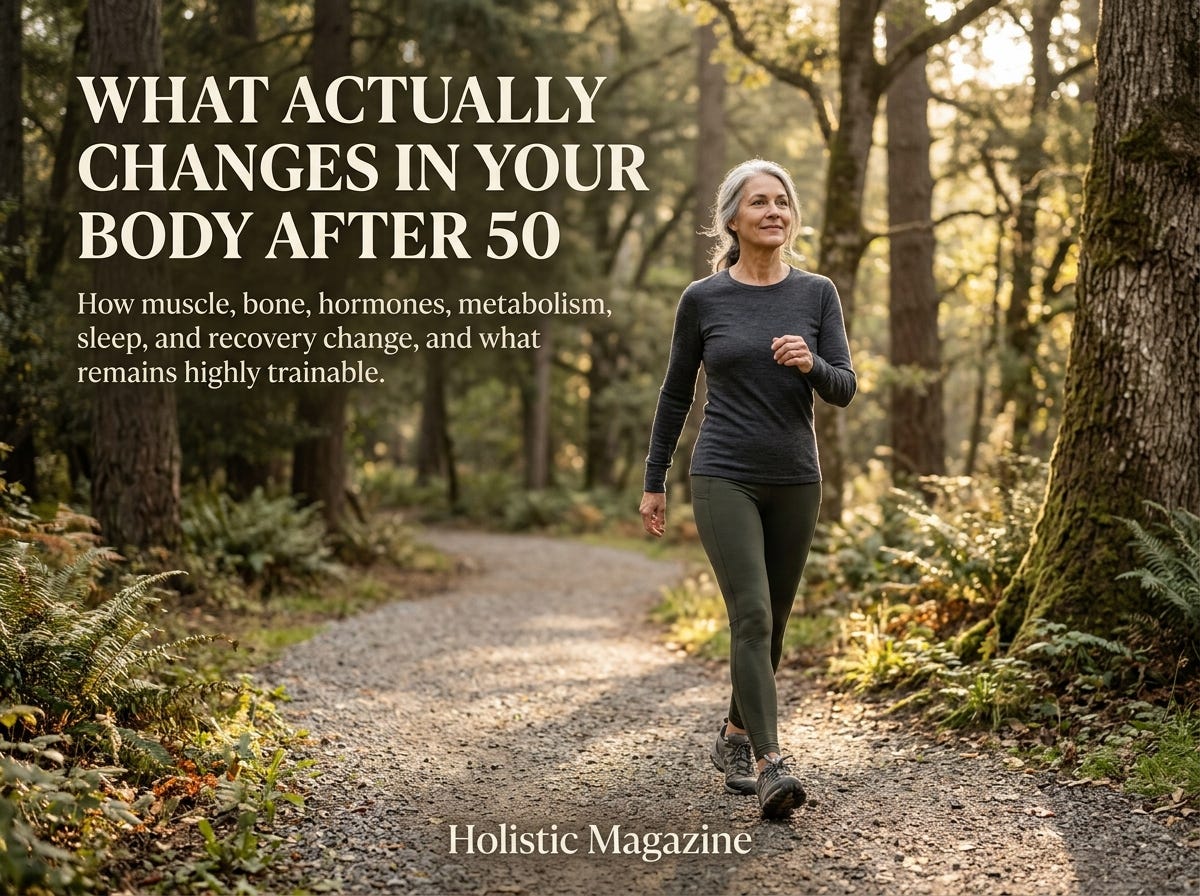
Turning 50 does not suddenly make your body old.
But several biological changes that have been happening gradually for years can become more noticeable around this stage of life.
Muscle becomes easier to lose. Bone density can gradually decline. Hormones shift. Recovery may take longer. Sleep can become lighter, and maintaining the same body composition often requires more intention than it did at 30.

But there is another side of aging that deserves much more attention.
Your body remains remarkably adaptable.
You can still build muscle. You can still become stronger. You can improve your balance, cardiovascular fitness, mobility, and metabolic health.
Many of the changes commonly blamed entirely on aging are also influenced by how much you move, how well you sleep, what you eat, and how consistently you challenge your body.
Understanding what actually changes after 50 can help you focus on the things that matter most.
In Less Than 10 Minutes, We’ll Cover
Why muscle becomes easier to lose
What happens to your bones
How hormones change
Why metabolism may feel slower
What happens to balance and mobility
Why recovery can take longer
How sleep changes with age
Why protein becomes more important
What remains highly trainable after 50
The habits that support healthy aging
Muscle Becomes Easier To Lose

One of the most important changes associated with aging happens quietly.
You gradually begin losing muscle mass and strength, particularly if you are not regularly challenging your muscles.
Age-related muscle loss is commonly called sarcopenia. It can begin earlier than most people realize and become increasingly noticeable later in life.
Part of the reason is that older muscle becomes somewhat less responsive to the signals that normally stimulate muscle growth. This means maintaining muscle may require a stronger and more consistent stimulus than it did when you were younger.
That stimulus comes largely from resistance training, adequate protein, regular movement, recovery, and quality sleep.
The encouraging part is that your muscles do not suddenly lose their ability to adapt at 50.
Research consistently shows that older adults can become stronger and build muscle when they begin resistance training.
Your muscles still respond to what you ask them to do.
Strength Matters More Than Appearance

Muscle is about much more than looking strong.
Your muscles help you climb stairs, carry groceries, get out of a chair, maintain your balance, protect your joints, and remain physically independent.
Muscle also plays an important role in metabolic health.
After you eat carbohydrates, much of the glucose entering your bloodstream can eventually be taken up by skeletal muscle. Active muscle provides your body with a large place to use and store that glucose.
This is one reason maintaining muscle becomes increasingly important as you age.
Muscle also serves as a reserve of amino acids that your body can draw upon during periods of illness, injury, or recovery.
Think beyond the mirror.
Muscle is part of your body’s physical and metabolic reserve.
Your Bones Are Changing Too

Your bones may feel solid and permanent, but they are constantly changing.
Throughout your life, old bone tissue is broken down while new bone tissue is created.
When you are younger, bone formation generally keeps pace with this process. As you age, that balance can gradually shift.
Bone breakdown may begin to exceed bone formation, causing bone mineral density to decline over time.
Hormonal changes can accelerate this process, particularly for women during and after menopause.
But bone is living tissue, and living tissue responds to stress.
Walking, resistance training, stair climbing, carrying weight, and other weight-bearing activities provide mechanical signals that encourage your body to maintain stronger bones.
Nutrition provides the building materials.
Protein, calcium, vitamin D, magnesium, phosphorus, and other nutrients all contribute to maintaining normal bone structure.
Your bones need nutrients, but they also need a reason to stay strong.
Hormones Begin To Shift

Hormonal changes are another important part of aging.
For women, the transition through perimenopause and menopause brings substantial changes in estrogen and progesterone.
For men, testosterone generally declines more gradually over time.
These hormonal changes can influence muscle mass, bone density, sleep, energy, mood, sexual health, and where body fat tends to accumulate.
But hormones do not operate independently.
Sleep, stress, nutrition, physical activity, body composition, medications, and overall health can all influence how you feel during this stage of life.
This is why healthy aging cannot be reduced to finding one hormone, supplement, or food to fix everything.
Your body functions as an interconnected system.
Your Metabolism Doesn’t Suddenly Shut Down
One of the most common beliefs about aging is that your metabolism simply collapses after 50.
The reality is more complicated.
Your daily energy expenditure depends on your body size, muscle mass, physical activity, everyday movement, food intake, sleep, and other physiological factors.
One major change is that many people simply move less as they get older.
You may no longer play the sports you played in your twenties. Your job may involve sitting for hours. You may walk less, spend more time driving, and gradually lose muscle.
These changes can happen so slowly that you barely notice them.
But over years, thousands of small reductions in daily movement add up.
Maintaining muscle and staying physically active are therefore two of the most useful things you can do for metabolic health as you age.
Protein Becomes More Important

Your muscles respond to dietary protein throughout your life.
But as you get older, the muscle-building response to smaller amounts of protein can become less robust.
Researchers sometimes refer to this as anabolic resistance.
This does not mean your body stops using protein.
It means consistently eating adequate protein becomes increasingly important for maintaining muscle.
Protein also provides amino acids your body needs to build enzymes, immune proteins, connective tissue, hormones, and countless other structures.
Eggs, fish, Greek yogurt, cottage cheese, poultry, lean meats, beans, lentils, and other protein-rich foods can all contribute.
Rather than eating very little protein throughout the day and consuming most of it at dinner, it can also be useful to include meaningful sources of protein across your meals.
After 50, protein is not simply a fitness nutrient.
It becomes part of maintaining strength and physical independence.
Balance Can Quietly Decline

Balance is something most people rarely think about until it becomes difficult.
But staying upright is actually an incredibly complex process.
Your brain constantly receives information from your eyes, inner ear, muscles, joints, feet, and nervous system.
Together, these systems tell your brain where your body is in space.
As vision, muscle strength, sensation, reaction time, and other systems change with age, balance can gradually become less reliable.
The good news is that balance is highly trainable.
Standing on one leg, strengthening your legs, walking in different directions, practicing controlled movements, maintaining ankle mobility, and simply moving your body in varied ways can challenge the systems responsible for balance.
Like muscle, balance responds to practice.
If you never challenge it, you give your body very little reason to maintain it.
Your Recovery May Take Longer

You may notice that a workout you could recover from quickly at 30 leaves you sore for longer at 55.
That can be a real physiological change.
Muscle tissue, connective tissue, hormones, sleep quality, training history, and overall activity can all influence how quickly you recover from physical stress.
This does not mean you should stop exercising hard.
It means recovery deserves more attention.
Sleep becomes part of training. Protein becomes part of training. Hydration becomes part of training. Rest days become part of training.
The goal is not to avoid challenging your body.
The goal is to challenge your body enough to stimulate adaptation while giving it enough time and nutrition to rebuild.
Sleep Often Changes After 50

Sleep architecture changes throughout adulthood.
Many people begin experiencing lighter sleep, more nighttime awakenings, or earlier waking as they get older.
Hormonal changes can contribute. So can stress, medications, alcohol, caffeine, sleep disorders, and waking during the night to use the bathroom.
Your circadian rhythm can also shift earlier with age.
You may naturally become tired earlier in the evening and wake earlier in the morning.
Morning sunlight can help reinforce your internal clock. Regular exercise can support sleep quality. Keeping a consistent wake time can help regulate your circadian rhythm.
A dark, quiet, cool bedroom can also make it easier for your body to maintain sleep.
Sleep becomes increasingly important when you are trying to maintain muscle, regulate appetite, recover from exercise, support your immune system, and keep your brain functioning well.
Your Blood Sugar Response Can Change

Muscle plays an enormous role in metabolic health.
When your muscles contract, they become better able to take glucose from your bloodstream.
That means losing muscle while simultaneously becoming less active can gradually make glucose regulation more difficult.
Fortunately, this also gives you something powerful to work with.
Movement after eating can help your muscles use some of the glucose circulating in your bloodstream.
It does not have to be complicated.
A short walk after dinner matters.
Taking the stairs matters.
Getting up from your desk throughout the day matters.
Even doing a brief set of bodyweight squats after eating activates some of the largest muscles in your body.
Small amounts of movement repeated throughout the day can add up to a surprisingly meaningful amount of physical activity.
Your Joints Need Movement

Many people respond to stiffness by moving less.
Unfortunately, moving less can create an even smaller movement vocabulary over time.
Your joints are designed to move.
Regular movement helps maintain range of motion, coordination, muscle strength, and confidence in your body’s ability to move.
You do not necessarily need an hour-long mobility routine every morning.
Walk. Squat. Reach. Rotate. Carry things. Bend down. Get onto the floor and stand back up.
Move your shoulders through their range of motion.
Move your hips.
Move your ankles.
Your body adapts to the movements you repeatedly perform, but it can also gradually lose capacity in movements you completely abandon.
Keep reminding your body what it is capable of doing.
Your Heart Still Responds To Training
Cardiovascular fitness tends to decline with age, particularly when activity levels decrease.
But your cardiovascular system remains highly trainable.
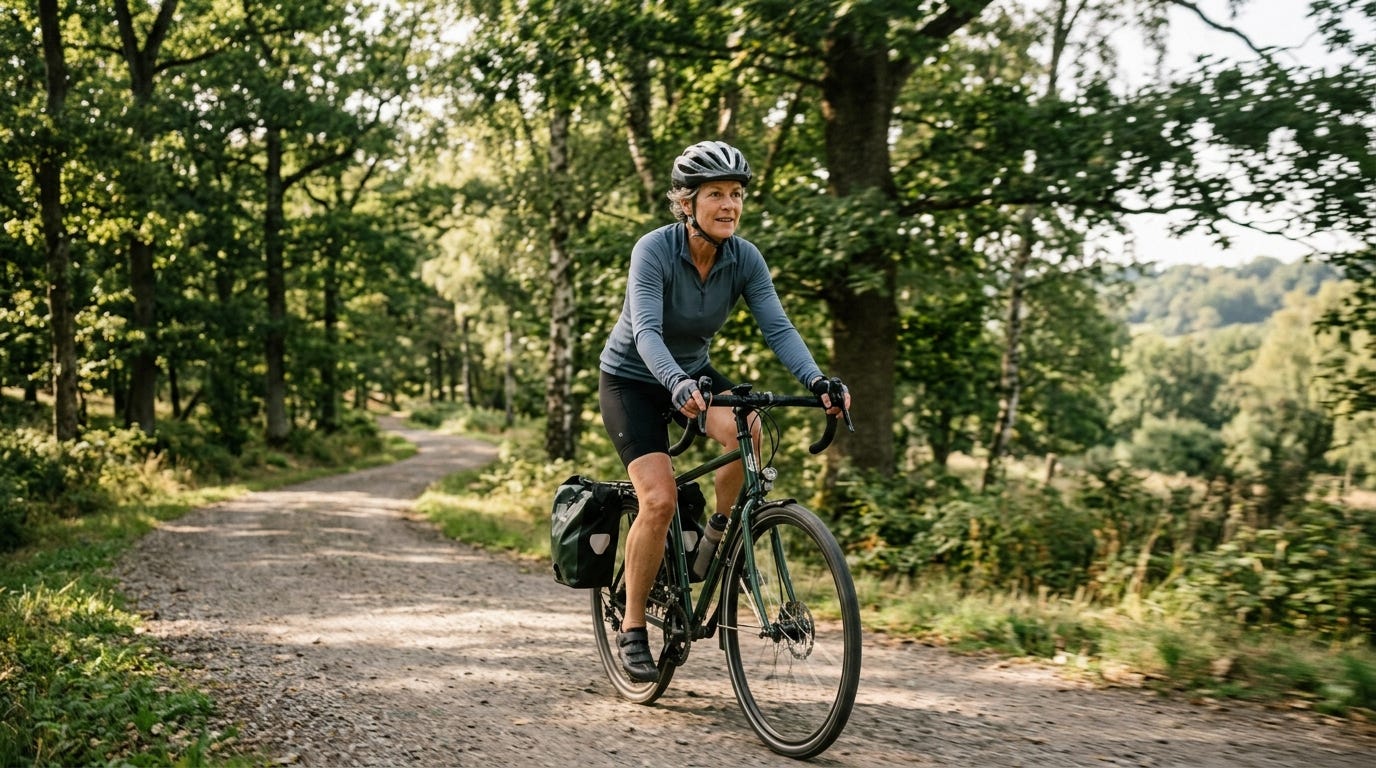
Walking can improve cardiovascular fitness.
Cycling can improve cardiovascular fitness.
Swimming can improve cardiovascular fitness.
Hiking can improve cardiovascular fitness.
More challenging aerobic exercise can improve cardiovascular fitness too.
The activity itself matters less than consistently asking your cardiovascular system to do more than it normally does.
Your heart does not stop adapting because you turned 50.
Neither do your blood vessels, lungs, or muscles.
The training stimulus still matters.
Your Brain Still Changes Too
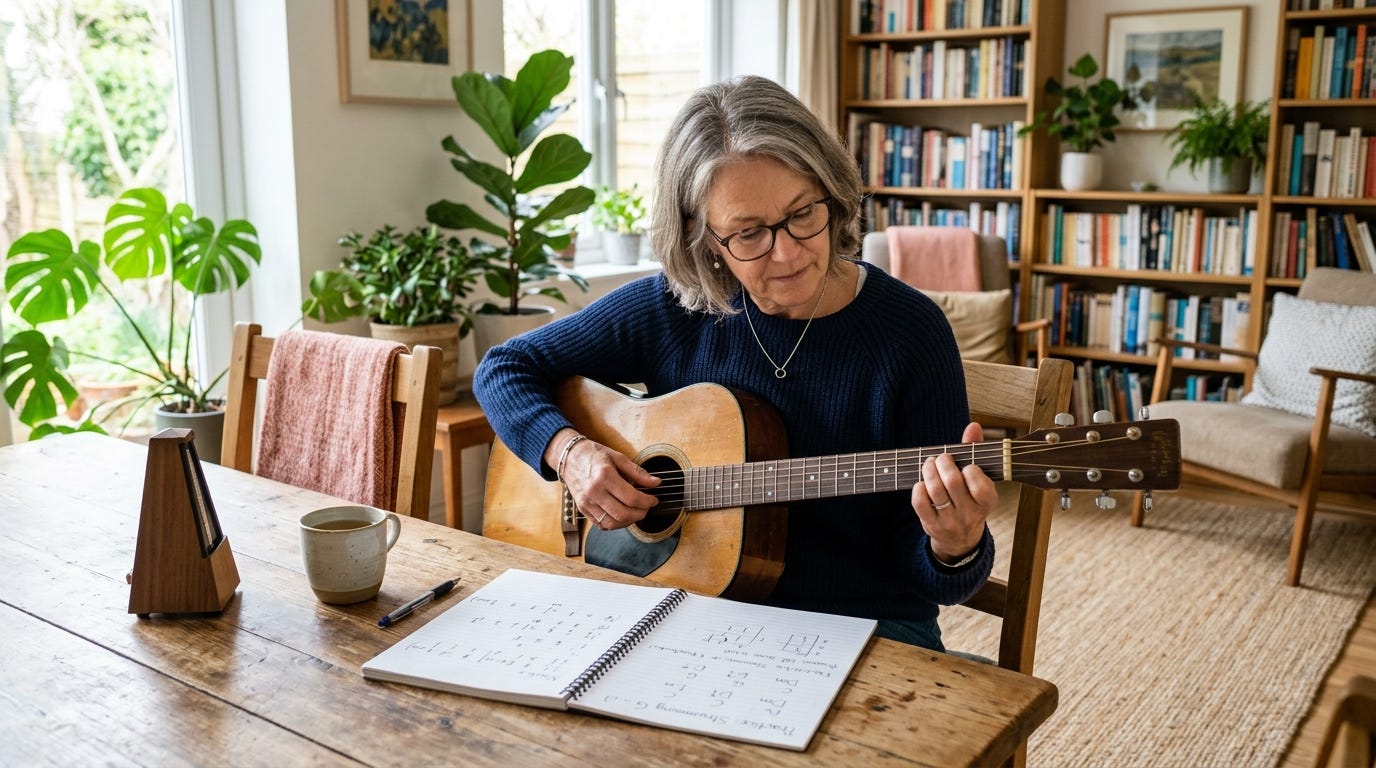
Your brain continues adapting throughout your life.
This ability is known as neuroplasticity.
Learning something new creates a challenge for your nervous system.
Reading, learning a language, playing music, dancing, navigating unfamiliar environments, socializing, solving problems, and practicing new physical skills all provide different forms of stimulation.
Exercise is particularly interesting because it challenges multiple systems simultaneously.
When you walk, lift weights, dance, swim, or play a sport, your brain is coordinating movement while your cardiovascular system increases blood flow and your muscles respond to physical stress.
Your brain needs challenges just like your muscles do.
What Remains Highly Trainable After 50
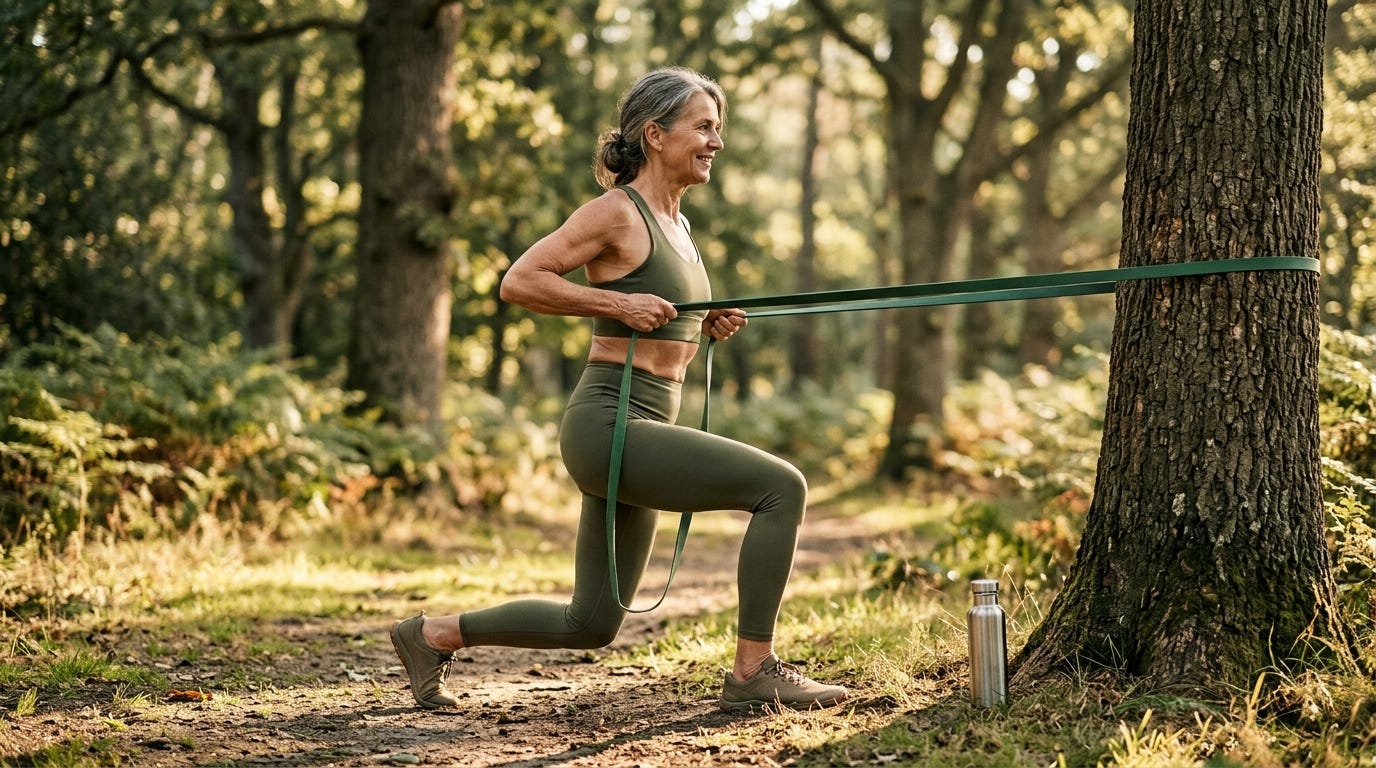
Aging changes your physiology.
But aging does not eliminate adaptability.
You can still become significantly stronger.
You can build muscle.
You can improve cardiovascular fitness.
You can improve your balance.
You can increase endurance.
You can improve coordination.
You can improve mobility.
You can improve insulin sensitivity.
You can become more confident in your movement.
The starting point may be different at 55 than it was at 25.
Recovery may require more attention, and progress may need to happen more gradually.
But adaptation still happens.
That distinction matters.
The Habits That Matter Most

Healthy aging does not require turning your entire life into a wellness project.
Most of the biggest benefits come from surprisingly ordinary habits practiced consistently.
Walk every day.
Challenge your muscles several times each week.
Eat enough protein.
Eat vegetables, fruits, herbs, nuts, seeds, legumes, and other minimally processed foods.
Get outside.
Expose your eyes to natural morning light.
Maintain relationships.
Drink enough fluids.
Protect your sleep.
Practice your balance.
Keep learning.
Keep moving.
You do not need to do everything perfectly.
The body responds to what you repeatedly do.
Bringing It Together

Your body changes after 50.
Muscle becomes easier to lose. Bones require more attention. Hormones shift. Recovery may take longer. Sleep can become lighter, and staying strong requires more intention.
But aging is not the same thing as inevitable decline.
Your muscles still respond to resistance.
Your heart still responds to exercise.
Your balance still responds to practice.
Your brain still responds to learning.
Your metabolism still responds to movement.
And your body continues adapting to the signals you repeatedly give it.
The goal is not to train, eat, or live exactly like you did at 25.
The goal is to build a body that remains strong, mobile, capable, and resilient at 60, 70, 80, and beyond.
Small choices repeated every day often have the biggest impact on how well you age over time.
If you enjoy practical wellness breakdowns that connect nutrition, physiology, and everyday habits without the wellness fluff, consider subscribing to Holistic Magazine.
Free subscribers receive evidence-based wellness articles each week.
Paid subscribers receive our in-depth protocols, meal systems, premium nutrition guides, and practical wellness resources designed to help you build lasting health.
A very comprehensive article and a lot to digest. Thanks for this .