


Hi friends,
Many people assume aging is simply determined by the number of birthdays they’ve celebrated.
While getting older is inevitable, how quickly our bodies age is influenced by much more than the calendar. Scientists now know that our daily habits can affect many of the biological processes associated with aging. The foods we eat, the quality of our sleep, how much we move, our exposure to chronic stress, and even the amount of muscle we maintain all influence how well our bodies function over time.

Some people remain energetic, independent, and mentally sharp well into their 80s and 90s. Others begin experiencing fatigue, stiffness, memory problems, declining strength, and chronic disease decades earlier.
Although genetics play a role, research suggests that lifestyle has an enormous influence on healthy aging. The encouraging news is that many of these factors are within our control.
Today we’ll explore the everyday habits that may quietly accelerate aging and what you can do instead to help your body stay healthier for years to come.
In Less Than 10 Minutes, We’ll Cover:
What biological aging really means
Why chronic inflammation matters
The surprising importance of muscle
How blood sugar influences aging
Why sleep and stress matter
Everyday habits that speed up aging
Practical ways to support healthy aging
Before we begin, if you enjoy practical wellness breakdowns that connect nutrition, physiology, and everyday habits without the wellness fluff, consider subscribing to Holistic Magazine.
Free subscribers receive structured, science-backed wellness articles each week.
Paid subscribers receive the deeper protocols, advanced nutrition guides, meal systems, and premium wellness breakdowns we usually cannot fit into regular posts.
Here’s what paid subscribers are reading right now:
We publish two premium articles each week.
Chronic Inflammation

Inflammation is one of your body’s most important healing tools. It helps repair damaged tissue and fight infections whenever you’re injured or sick.
The problem begins when low-grade inflammation never completely turns off. Over time, chronic inflammation has been associated with many conditions that become more common as we age, including heart disease, type 2 diabetes, arthritis, and cognitive decline.
Many everyday habits influence inflammation, including poor sleep, chronic stress, smoking, physical inactivity, excess body fat, and diets high in ultra-processed foods.
Fortunately, these same habits are also among the most powerful places to make positive changes. Eating more whole foods, staying active, sleeping well, and managing stress all help support a healthier inflammatory balance.
Losing Muscle
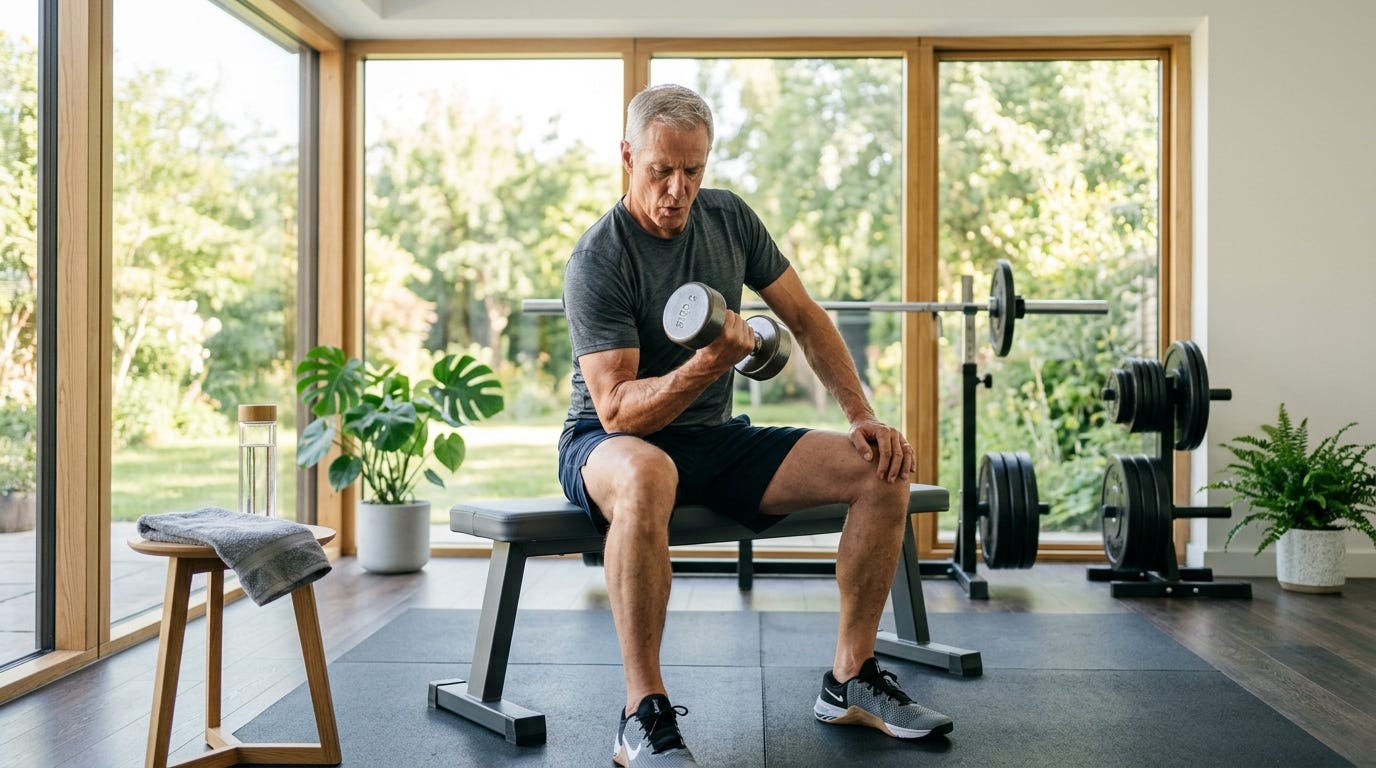
Many people think muscle is only important for appearance or athletic performance.
In reality, muscle is one of the strongest predictors of healthy aging. As we grow older, we naturally begin losing muscle unless we continue challenging it through strength training and adequate protein intake.
Healthy muscle helps regulate blood sugar, supports balance, protects bone health, improves mobility, and keeps metabolism functioning well. It also helps maintain the independence that allows people to continue doing the activities they enjoy later in life.
Strength training just two or three times each week, combined with sufficient dietary protein, can help slow this natural decline. Maintaining muscle may be one of the most overlooked strategies for aging well.
Poor Blood Sugar Control

Your body is designed to carefully regulate blood sugar throughout the day. When blood sugar repeatedly spikes and crashes, it places additional stress on many tissues throughout the body.
Over time, consistently elevated blood sugar has been linked to damage affecting blood vessels, nerves, kidneys, eyes, and other organs. Researchers also study compounds called advanced glycation end products (AGEs), which form when excess sugar attaches to proteins like collagen and may contribute to changes associated with aging.
Fortunately, improving blood sugar doesn’t require eliminating carbohydrates. Building balanced meals with protein, fiber, healthy fats, and minimally processed foods, along with walking after meals and maintaining muscle, can help provide steadier energy while supporting long-term metabolic health.
Poor Sleep And Chronic Stress

Sleep is when much of your body’s repair work takes place. During healthy sleep, hormones are regulated, tissues are repaired, memories are processed, and your immune system performs many of its most important functions.
Chronic stress can interfere with many of these same processes. When your body remains in a constant state of “fight-or-flight,” stress hormones like cortisol stay elevated for longer than they were designed to, influencing inflammation, blood sugar, mood, and recovery.
While it’s impossible to eliminate stress completely, daily habits like morning sunlight, regular movement, deep breathing, prayer or meditation, and maintaining a consistent sleep schedule can help your body recover more effectively.
Healthy aging depends just as much on recovery as it does on activity.
Sitting Too Much

The human body was designed to move.
Yet many people now spend most of their day sitting at desks, driving, or looking at screens. Long periods of inactivity can affect circulation, insulin sensitivity, muscle health, joint mobility, and cardiovascular fitness.
Even people who exercise regularly benefit from moving throughout the rest of the day.
Simple habits like walking after meals, taking movement breaks every hour, using the stairs, stretching, gardening, or standing during phone calls all help reduce long periods of uninterrupted sitting.
These small bursts of movement may seem insignificant, but they add up over the course of a lifetime.
Smoking, Alcohol, And Too Much Sun

Some of the most well-established accelerators of aging are also some of the most preventable.
Smoking increases oxidative stress, damages blood vessels, reduces oxygen delivery, and significantly raises the risk of numerous chronic diseases. Excessive alcohol can impair sleep, increase inflammation, and interfere with normal recovery processes.
Sunlight provides important health benefits, particularly for regulating your circadian rhythm, but years of excessive ultraviolet exposure can accelerate visible skin aging and increase the risk of skin cancer.
Protecting your health isn’t about avoiding life’s pleasures. It’s about recognizing that small choices, repeated over many years, often shape how well we age.
Healthy Aging Is Built Daily

Many people search for one anti-aging supplement, one miracle food, or one breakthrough discovery.
Healthy aging rarely works that way.
Instead, it’s built through thousands of small decisions repeated consistently over time. Eating nourishing meals, staying active, maintaining muscle, sleeping well, managing stress, nurturing meaningful relationships, and avoiding harmful habits all work together to support long-term health.
Perfection isn’t necessary.
What matters most is consistency.
Bringing It Together

Aging is a natural part of life, but how we age is influenced by far more than the passing of time.
Every day, your body is repairing cells, rebuilding tissues, maintaining muscle, regulating hormones, and responding to the choices you make. While no one can stop the aging process completely, many of the habits that support healthy aging are remarkably simple.
Moving your body regularly, eating nutrient-dense foods, maintaining muscle, sleeping well, managing stress, and avoiding harmful habits all help create the conditions for your body to function at its best for years to come.
If you enjoy practical wellness breakdowns that connect nutrition, physiology, and everyday habits without the wellness fluff, consider subscribing to Holistic Magazine.
Paid subscribers receive the deeper protocols, advanced nutrition guides, meal systems, and premium wellness breakdowns we usually cannot fit into regular posts.
Here’s what paid subscribers are reading right now:
We publish two premium articles each week.