

Hi friends,
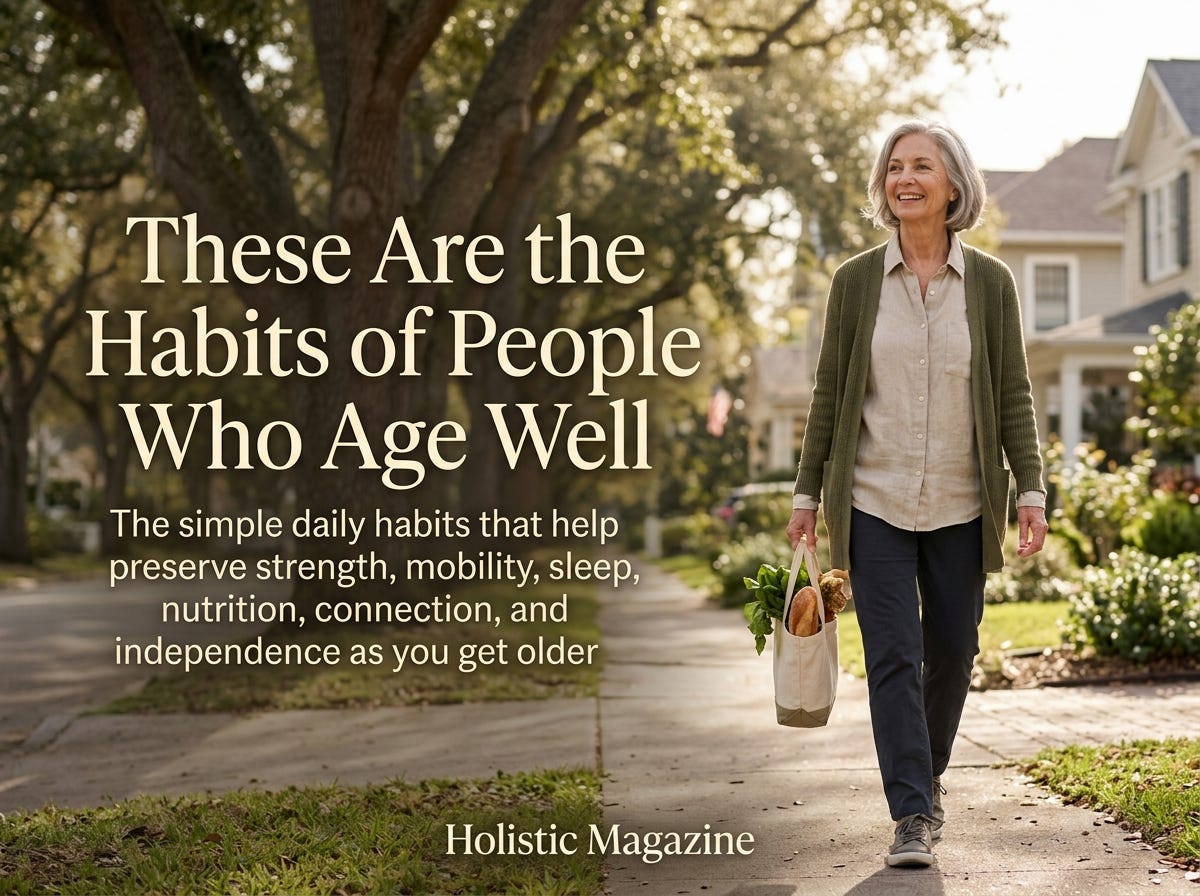
Healthy aging rarely comes down to one supplement, one superfood, or one perfect routine. More often, it’s the result of small habits repeated for years: walking regularly, maintaining muscle, eating enough protein, sleeping consistently, staying socially connected, and continuing to use your body in ways that challenge strength, balance, mobility, and coordination.
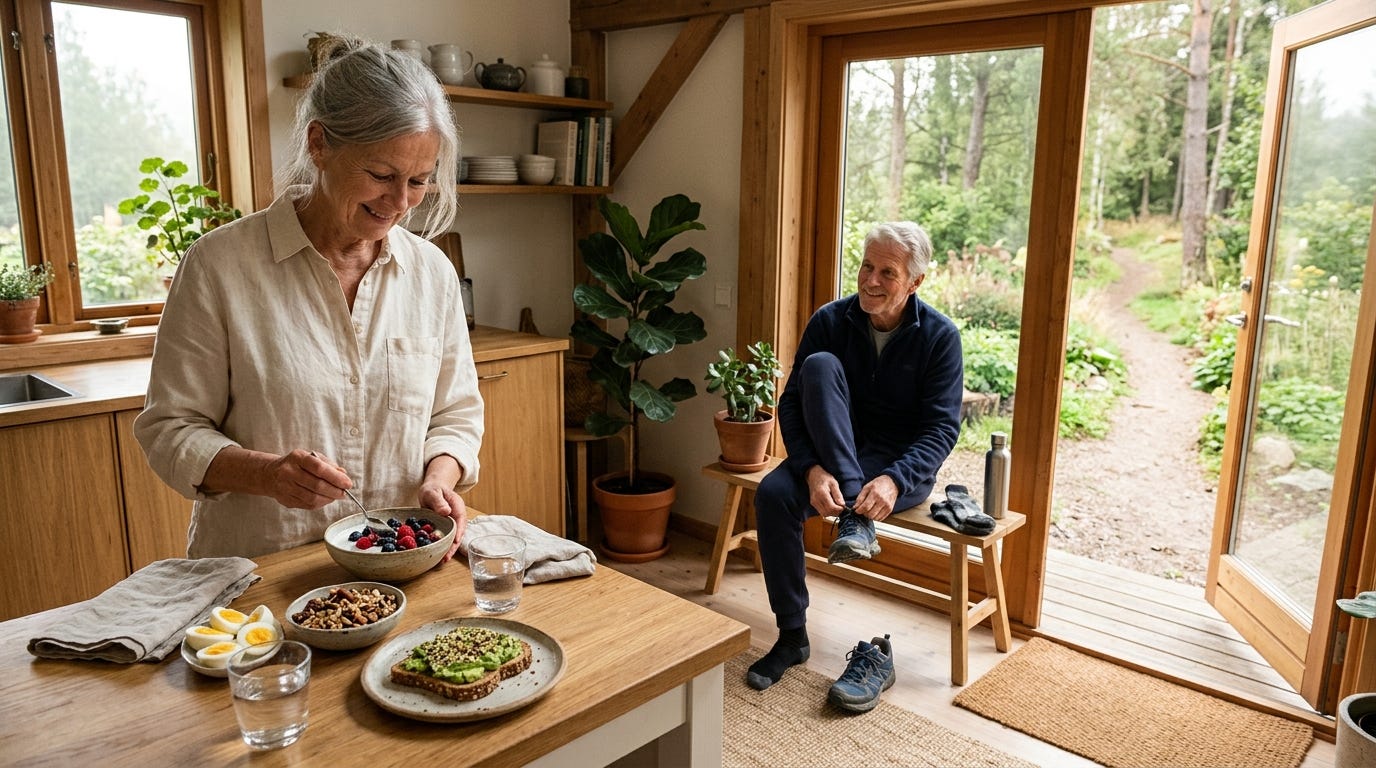
The interesting part is that most of these habits aren’t complicated.
They’re things almost anyone can start doing.
In Less Than 10 Minutes, We’ll Cover
Why walking may be one of the simplest healthy-aging habits
Why maintaining muscle becomes more important with age
Why strong legs and good balance matter so much
How sleep, morning light, and daily movement work together
Why protein, fiber, healthy fats, and minerals all matter
How social connection, learning, and stress management fit into healthy aging
And the small everyday habits that can help you stay capable for longer
❤️ Love what we share?
Join our FREE Holistic Magazine health webinar with Dr. Ian Quitadamo and learn why you can eat well, exercise, take supplements, and still feel like something is off.
Discover how a more personalized approach may help you better understand what your body actually needs. Spots are limited.
Wednesday, October 7
4 PM PT / 7 PM ET
Save your free spot:
https://events.midrahealth.com/training
1. They Walk Every Day
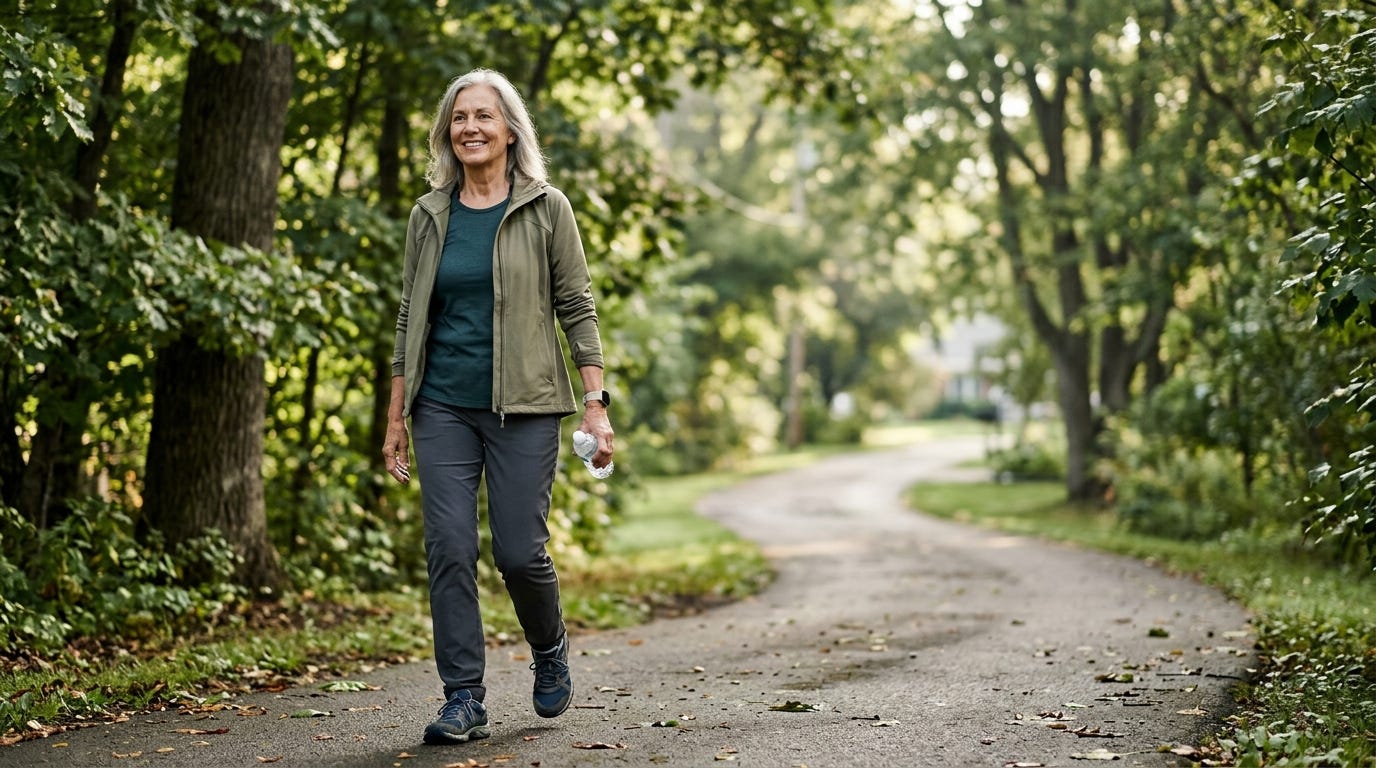
Walking supports circulation, cardiovascular health, mobility, blood sugar regulation, and endurance.
Even short walks add up.
2. They Protect Their Muscle
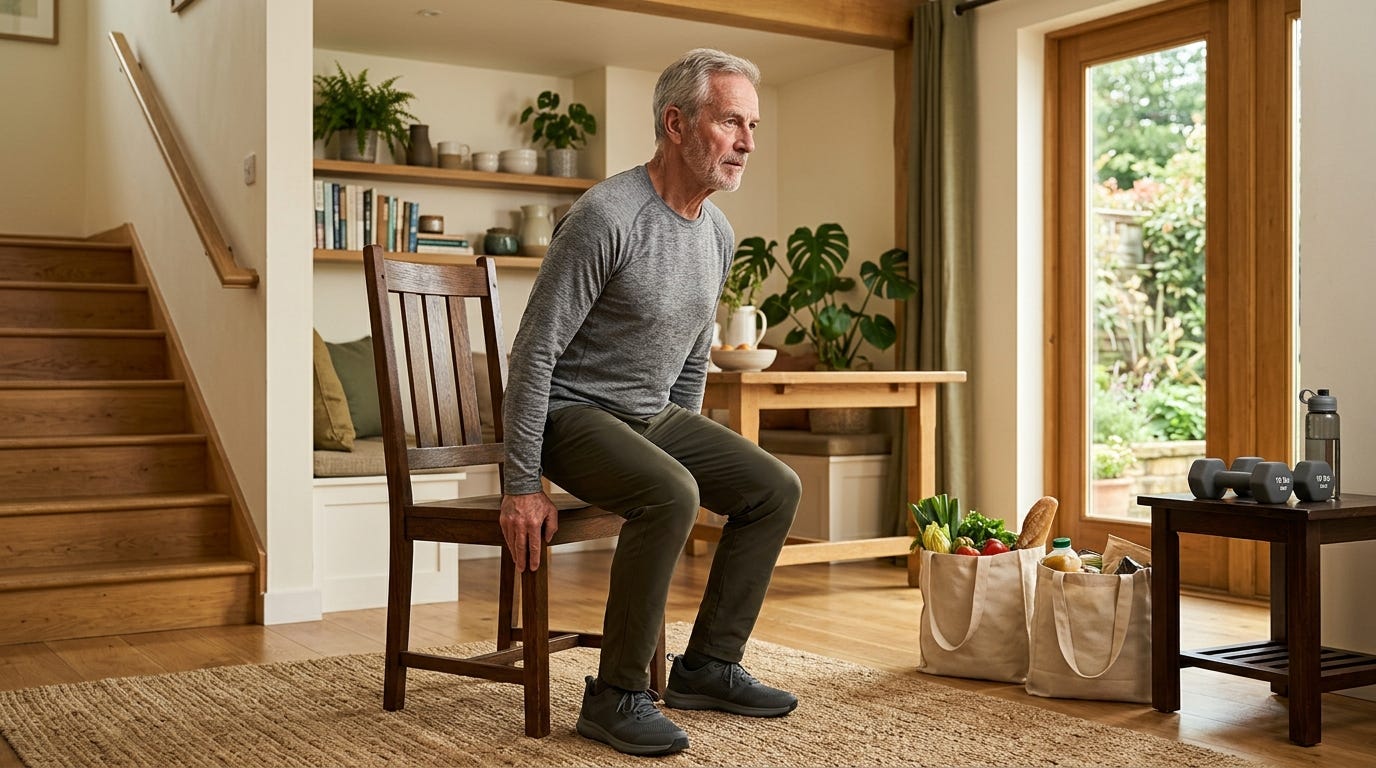
Muscle becomes increasingly important as we age.
Strength training, carrying groceries, climbing stairs, squatting, and getting up from chairs all help keep muscles working.
3. They Eat Enough Protein
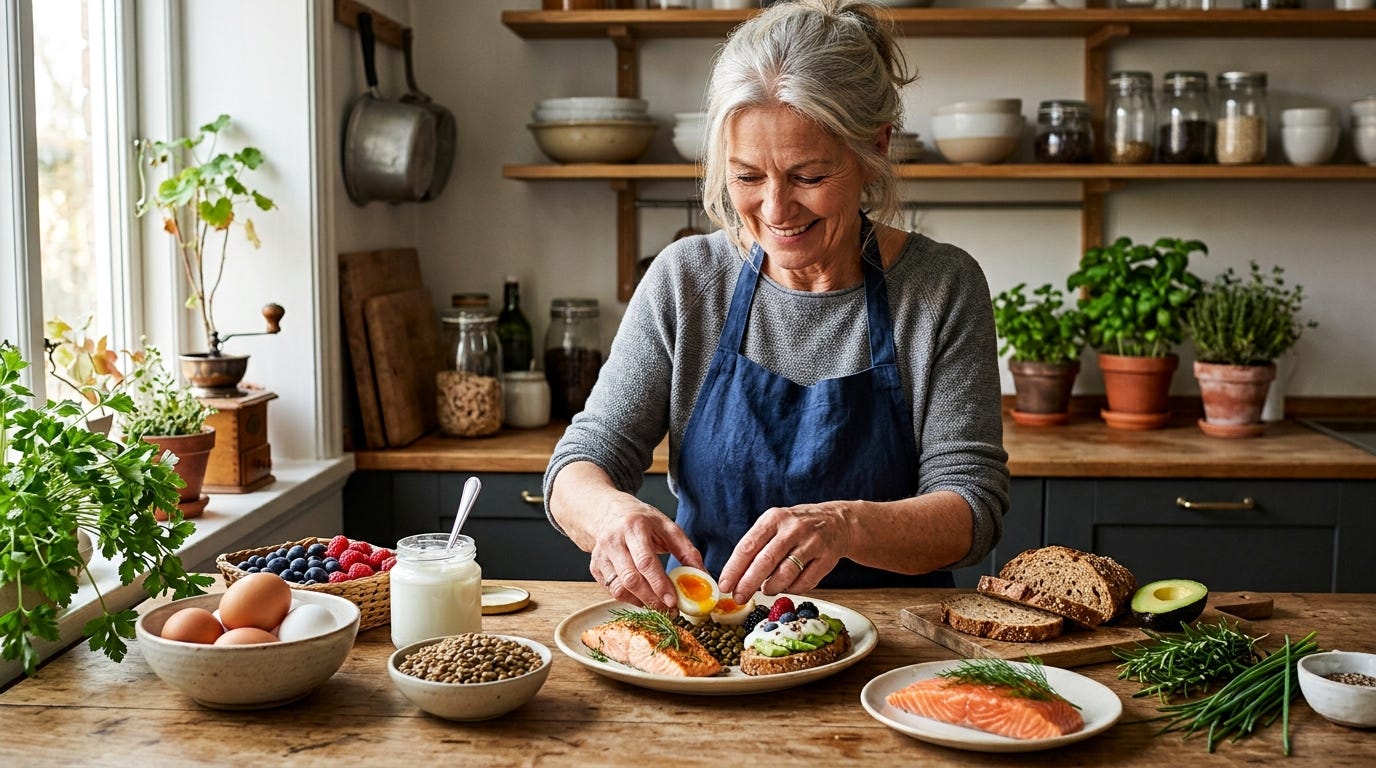
Protein provides the amino acids your body needs to maintain and repair muscle and other tissues.
Eggs, fish, Greek yogurt, beans, lentils, poultry, and other protein-rich foods can all contribute.
4. They Eat Plants Every Day
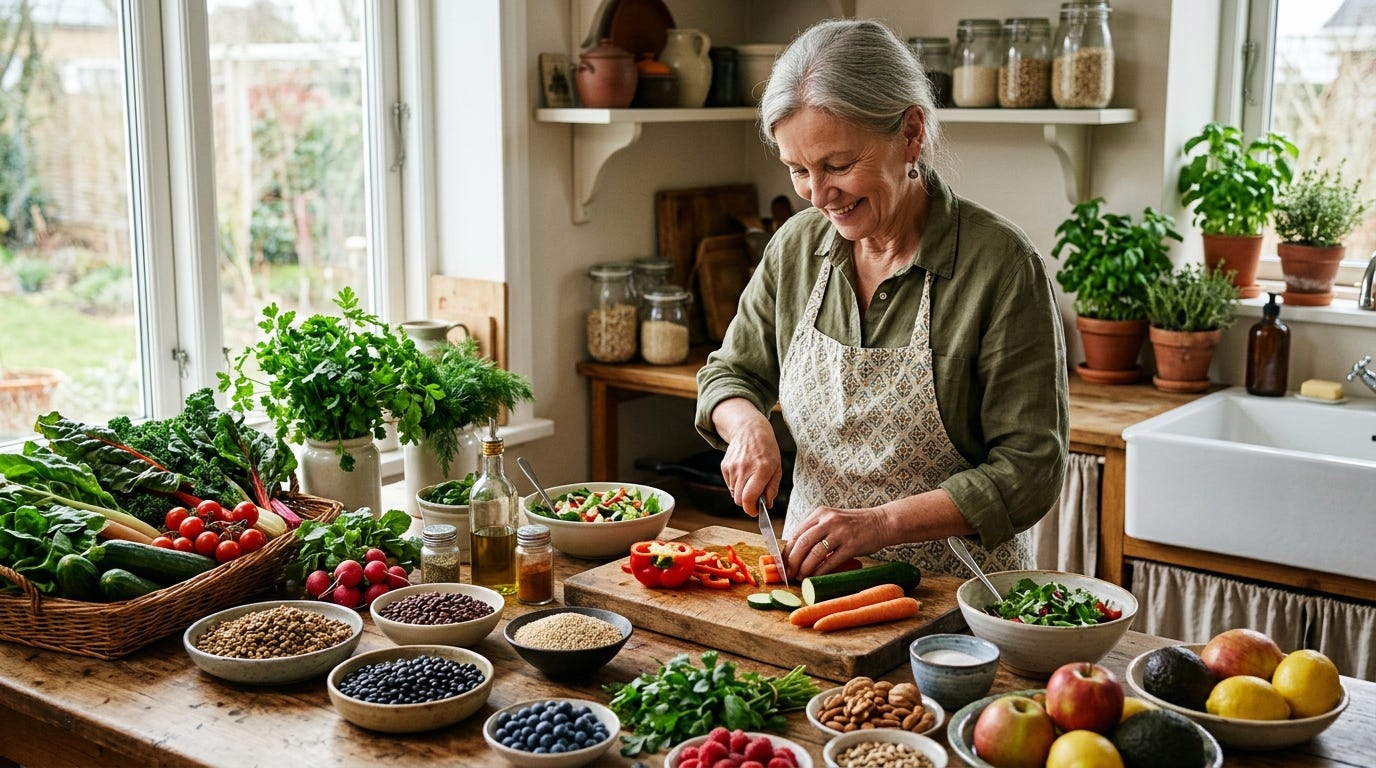
Vegetables, fruits, beans, herbs, nuts, and seeds provide fiber, vitamins, minerals, and naturally occurring plant compounds.
Variety matters.
5. They Keep Their Legs Strong

Strong legs help with walking, balance, stairs, getting out of chairs, and maintaining independence.
Simple movements like squats and sit-to-stands can go a long way.
6. They Get Morning Light

Morning light helps your brain understand that the day has started.
That helps regulate your circadian rhythm, alertness, and nighttime sleep.
7. They Prioritize Sleep

Sleep supports the brain, immune system, metabolism, hormones, muscle recovery, and cardiovascular health.
Healthy aging gets much harder when sleep is consistently neglected.
8. They Keep Moving Throughout the Day

A workout doesn’t completely make up for an entire day of sitting.
Walking, gardening, cleaning, cooking, stretching, taking the stairs, and simply standing up more often all count.
9. They Eat Fiber
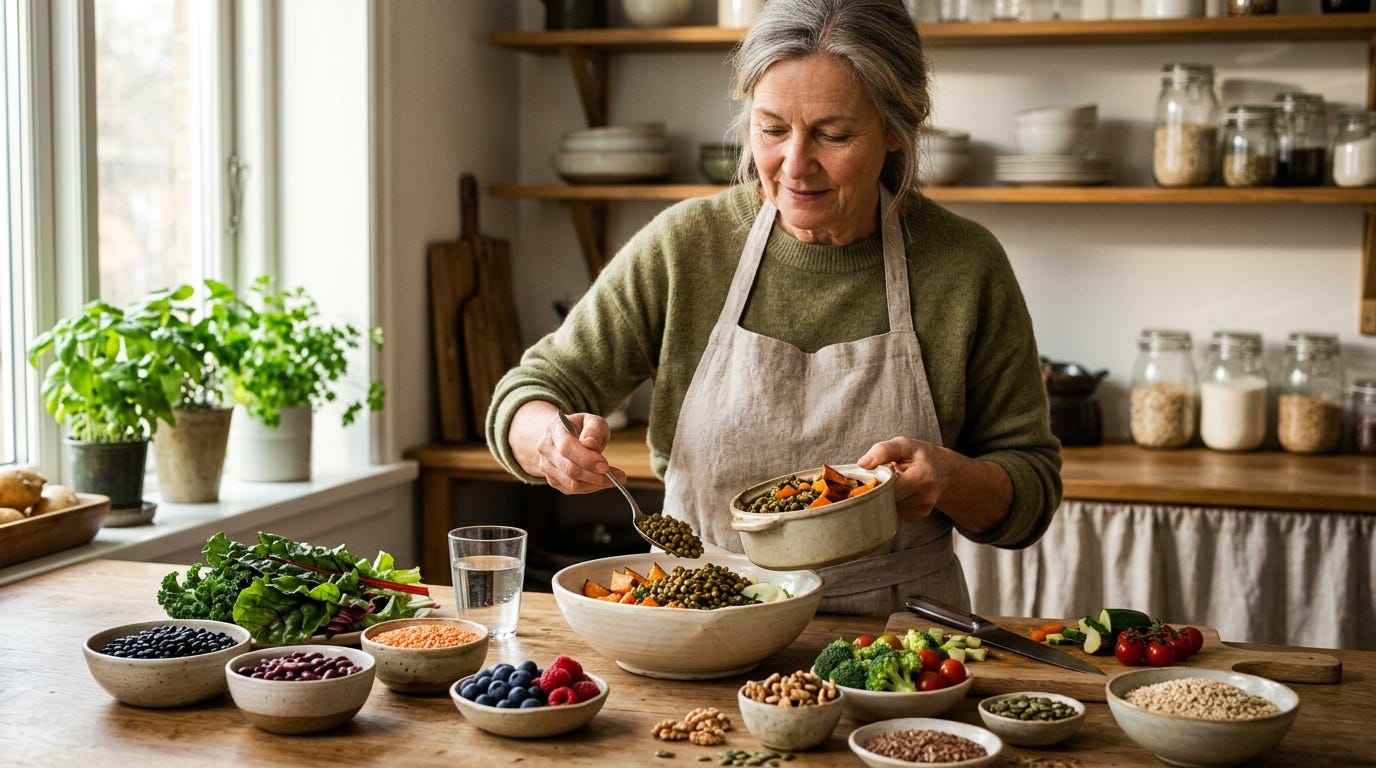
Fiber supports digestion, regularity, blood sugar regulation, and the microorganisms living in your gut.
Beans, lentils, vegetables, berries, nuts, and seeds make it easier to get enough.
10. They Maintain Their Balance
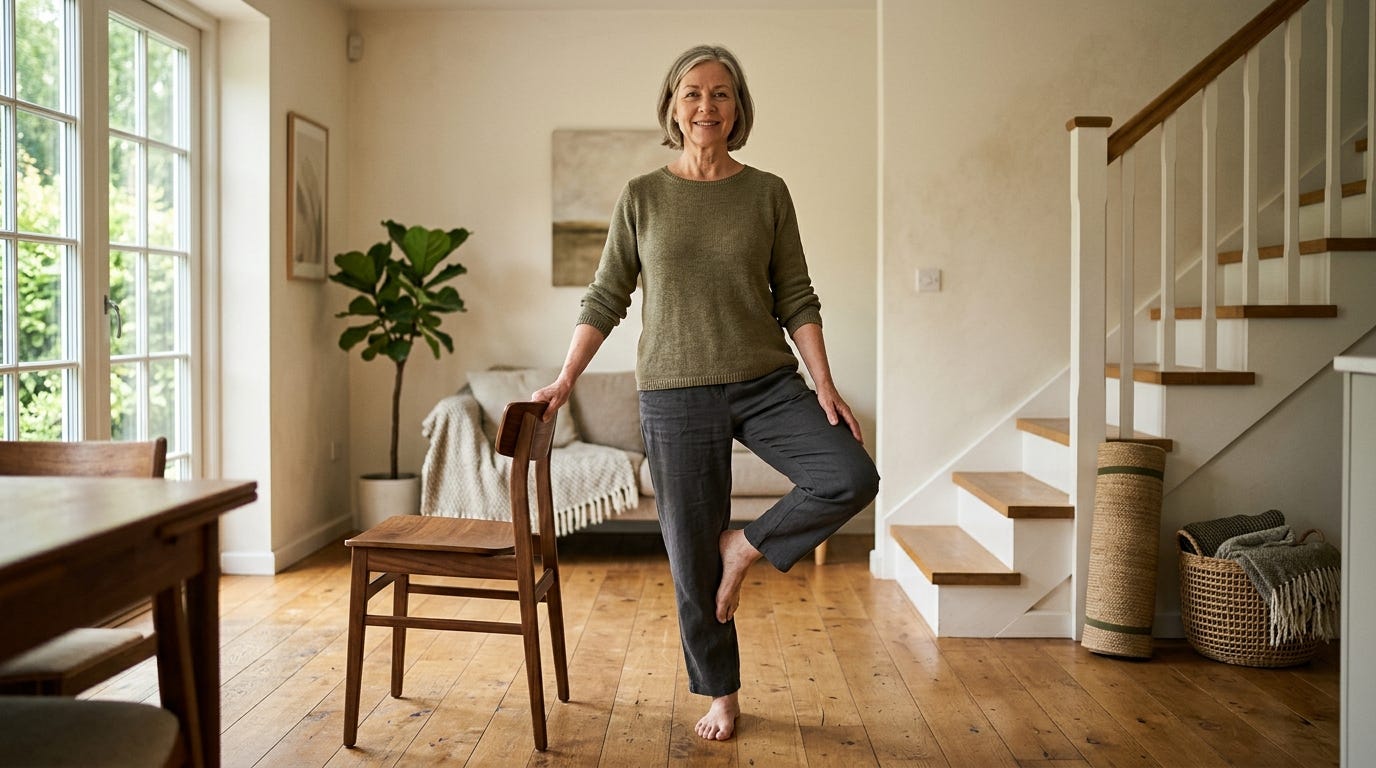
Balance is a skill.
Standing on one leg, walking heel-to-toe, climbing stairs, and moving through different positions help keep that skill sharp.
11. They Eat Healthy Fats

Olive oil, avocado, walnuts, seeds, eggs, and fatty fish provide fats your body uses for cell membranes, hormones, and many other functions.
12. They Stay Hydrated
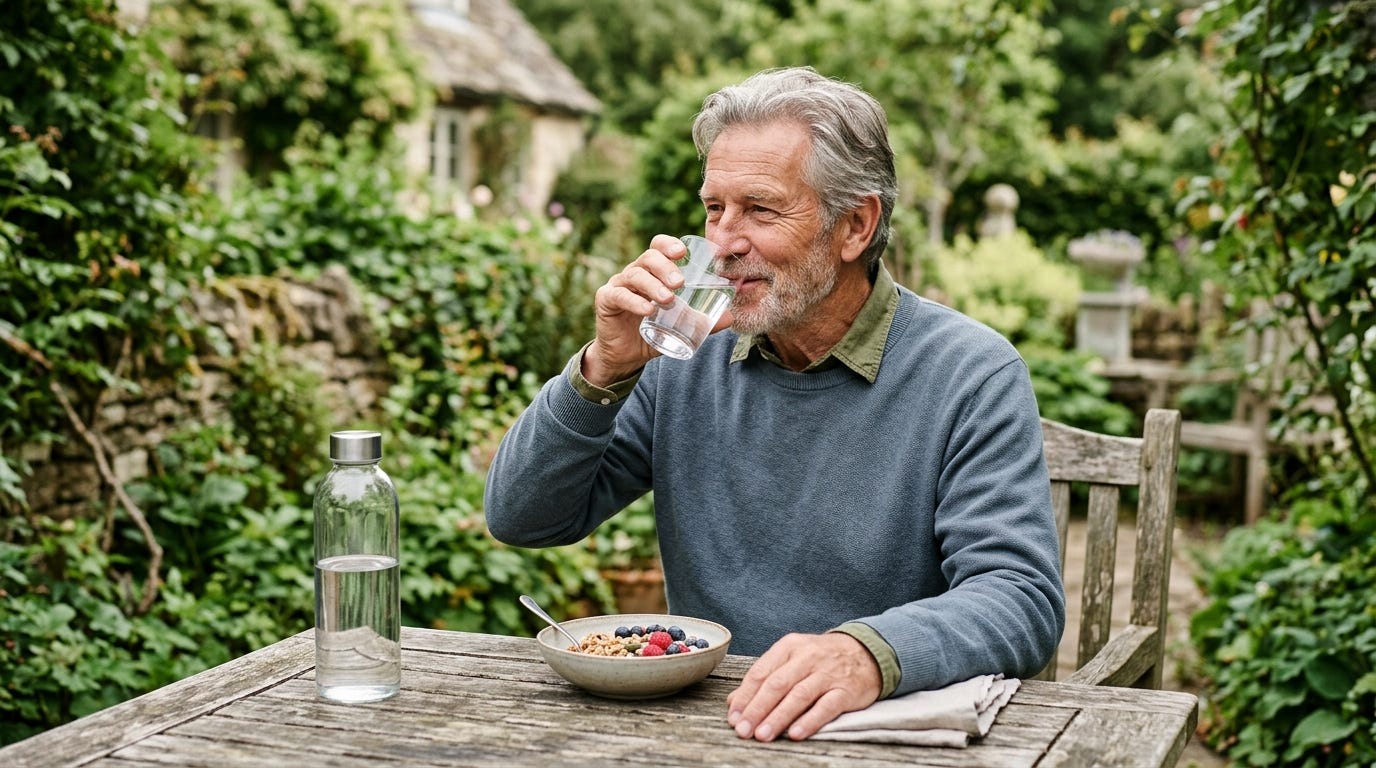
Water helps transport nutrients, regulate body temperature, support circulation, and maintain normal cellular function.
It’s simple, but easy to overlook.
❤️ Want to go deeper?
Join Dr. Ian Quitadamo for our FREE Holistic Magazine health webinar and learn why generic health advice only goes so far.
October 7 at 4 PM PT / 7 PM ET
Save your spot:
https://events.midrahealth.com/training
13. They Keep Learning

Reading, learning new skills, solving problems, playing music, traveling, and having stimulating conversations keep the brain engaged.
Your brain likes being used.
14. They Stay Connected

Friends, family, neighbors, communities, and meaningful relationships matter.
Health isn’t only biological.
15. They Spend Time Outside

Being outdoors naturally encourages movement, daylight exposure, relaxation, and time away from screens.
16. They Take Care of Their Feet
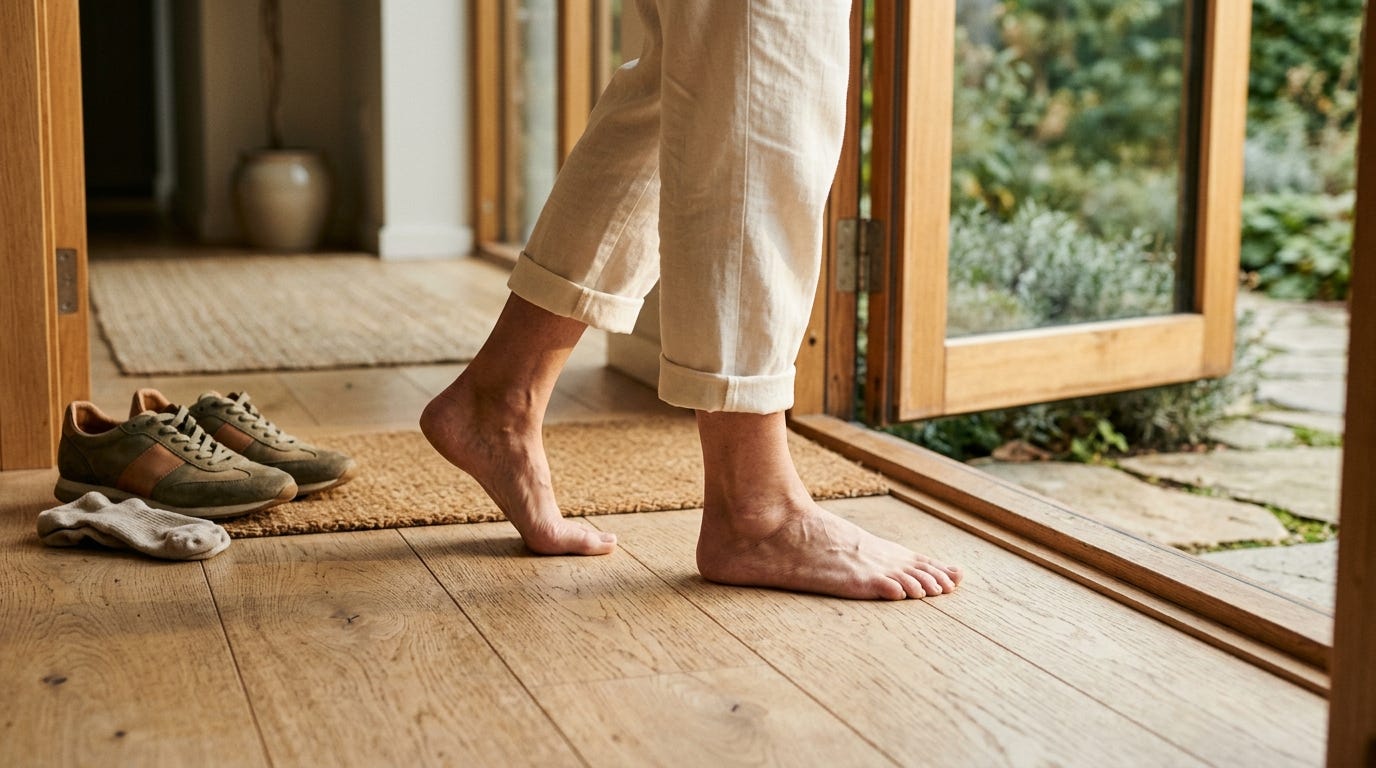
Your feet are the foundation for walking, balance, and stability.
Toe movement, calf raises, comfortable footwear, and regular movement can help maintain function.
17. They Keep Getting Up and Down

Getting out of a chair, climbing stairs, kneeling, bending, and getting off the floor require strength, mobility, balance, and coordination.
Keep practicing the movements you want to keep.
18. They Eat Omega-3-Rich Foods

Fatty fish such as salmon and sardines provide EPA and DHA omega-3 fats.
Walnuts, chia seeds, and flaxseeds provide plant-based ALA.
19. They Don’t Smoke

Few lifestyle choices affect long-term health as broadly as tobacco exposure.
Avoiding smoking protects nearly every organ system.
20. They Keep Their Blood Moving

Walking, stretching, calf raises, squats, cycling, swimming, and other movement all support circulation.
You don’t need a complicated routine.
21. They Eat Foods Rich in Minerals
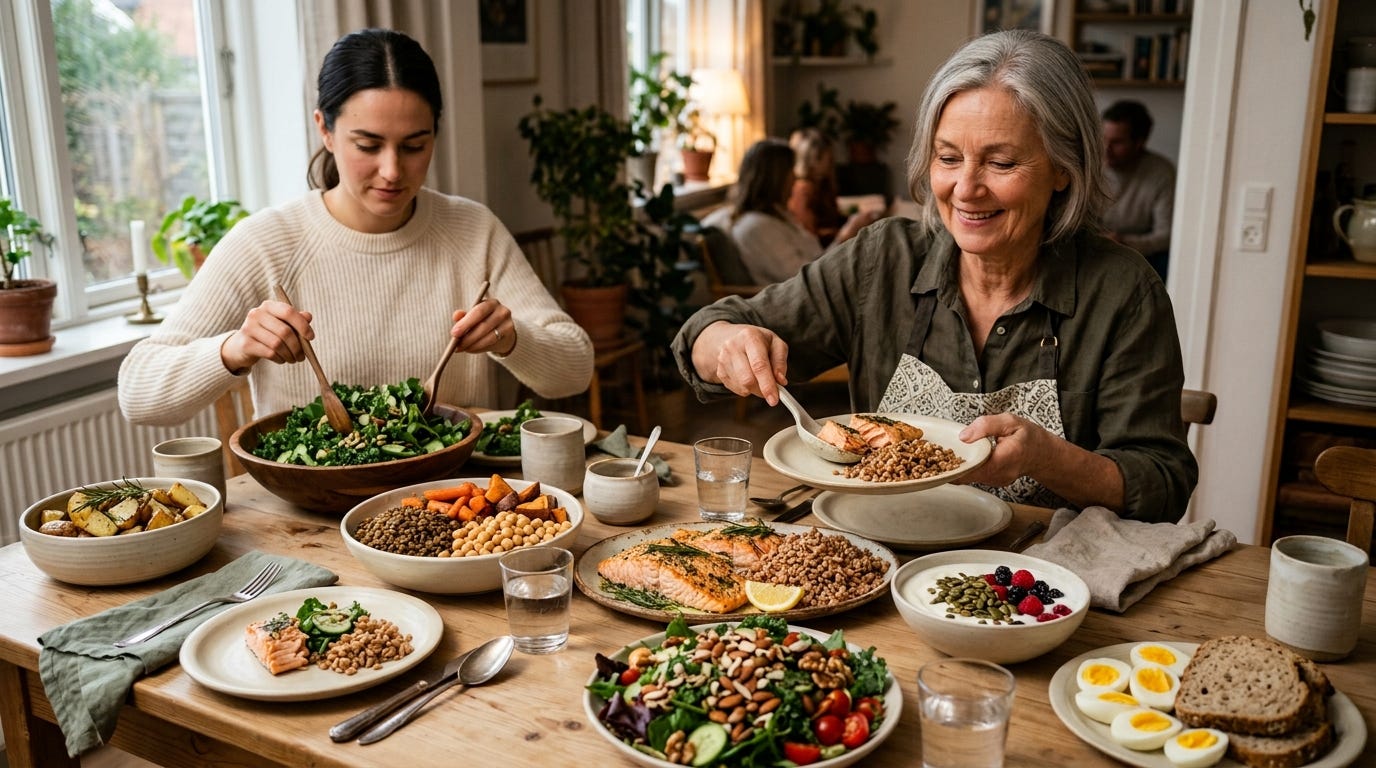
Magnesium, potassium, calcium, zinc, selenium, and other minerals participate in thousands of processes throughout the body.
Whole foods naturally provide many of them together.
22. They Manage Stress

You can’t eliminate stress.
But walking, breathing exercises, hobbies, music, sunlight, nature, sleep, and strong relationships can help your body recover from it.
23. They Keep Their World Interesting

New foods.
New places.
New skills.
New conversations.
New challenges.
Healthy aging isn’t only about preserving the body.
It’s about continuing to use it.
Bringing It Together

People who age well usually aren’t doing anything magical.
They walk.
They sleep.
They maintain muscle.
They eat nourishing foods.
They stay connected.
They keep learning.
They keep moving.
And they do those things consistently.
You don’t need to change everything at once.
Pick a few habits worth keeping and repeat them long enough for them to become part of how you live.
❤️ Love what we share?
Join our FREE Holistic Magazine health webinar with Dr. Ian Quitadamo and discover how a more personalized approach may help you better understand what your body actually needs.
Wednesday, October 7
4 PM PT / 7 PM ET
Save your free spot:
https://events.midrahealth.com/training