

Hi friends,
Getting older changes the body. Energy can shift. Muscle mass becomes harder to maintain. Sleep may change. Recovery can take longer.
But sometimes we blame aging for symptoms that deserve a closer look.

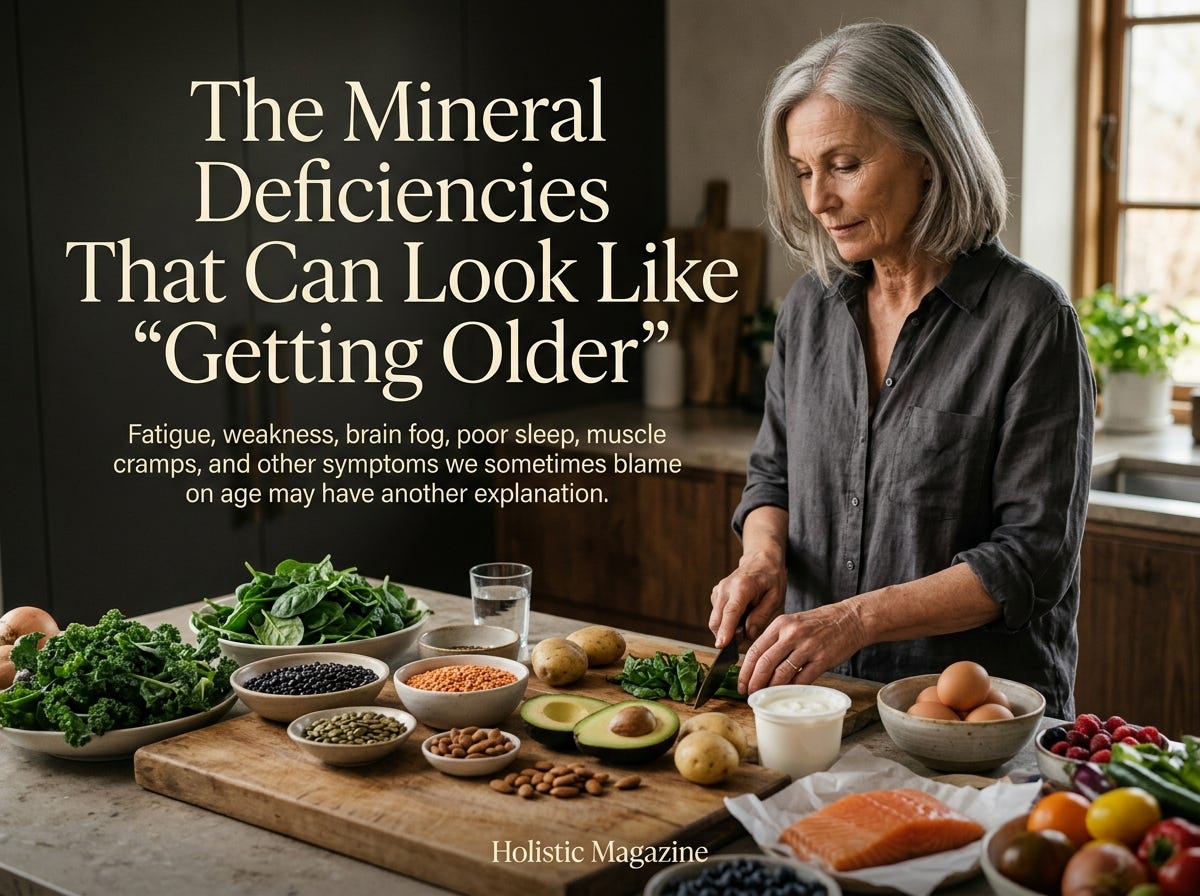
Feeling unusually tired, weak, foggy, cold, restless, or achy isn’t always simply a consequence of another birthday. In some cases, inadequate intake or low levels of certain minerals can contribute to symptoms that look surprisingly similar to what people describe as “getting older.”
And that distinction matters.
Because aging itself isn’t something we can reverse. But nutrition is something we can often improve.
Today, let’s look at several important minerals that become especially worth paying attention to as we age.
In Less Than 10 Minutes, We’ll Cover
Why mineral status can change with age,
The minerals involved in energy and muscle function,
Why cramps and weakness aren’t always just aging,
How minerals affect your thyroid, bones, sleep, and brain, and
Some practical foods that can help you get more of them naturally.
Love what we share?
Join our FREE Holistic Magazine health masterclass with Dr. Ian Quitadamo and learn why you can eat well, exercise, take supplements, and still feel like something is off.
Get a deeper understanding of what may be happening beneath the surface and why the same approach doesn’t work for everyone.
Reserve your free spot:
https://events.midrahealth.com/training
Magnesium: When Everything Feels a Little “Off”

Magnesium participates in hundreds of reactions throughout the body. Your muscles use it. Your nervous system uses it. Your heart uses it. It also plays a role in normal energy metabolism, bone health, and electrolyte balance.
When magnesium intake is inadequate, symptoms can include muscle cramps, weakness, fatigue, tingling, and abnormal heart rhythms in more severe cases. Those are symptoms many people might simply chalk up to stress or getting older.
Magnesium-rich foods include pumpkin seeds, almonds, cashews, black beans, leafy greens, avocado, and dark chocolate.
The bigger lesson isn’t that everyone needs a magnesium supplement. It’s that minerals often work quietly in the background until we aren’t getting enough of them.
Iron: When “Low Energy” Is More Than Low Energy

Iron deserves special attention because it helps your body make hemoglobin, which allows red blood cells to transport oxygen.
When iron becomes too low, fatigue can become profound. You may feel weak, unusually tired, short of breath with activity, lightheaded, or simply less capable than you used to.
It can feel like your body suddenly lost its stamina.
But iron is also a perfect example of why blindly supplementing isn’t a good idea. Too much iron can be harmful, and low iron can sometimes point to blood loss or another underlying issue that deserves investigation.
Food sources include red meat, shellfish, lentils, beans, pumpkin seeds, and leafy greens. Vitamin C-containing foods can also help your body absorb plant-based iron.
If persistent fatigue seems out of proportion to your lifestyle, it may be worth asking your healthcare provider whether bloodwork makes sense rather than automatically assuming it’s age.
Potassium: Your Muscles Need It Every Day

Potassium is an electrolyte involved in muscle contraction, nerve signaling, fluid balance, and healthy blood pressure regulation.
When potassium drops too low, weakness, fatigue, muscle cramps, constipation, or abnormal heart rhythms can occur.
Fortunately, potassium isn’t hiding in some exotic supplement. Potatoes, beans, lentils, avocado, bananas, leafy greens, squash, yogurt, and many fruits and vegetables contain it.
One of the simplest ways to support potassium intake is also one of the least exciting pieces of health advice imaginable: eat more whole plants.
Your muscles, nerves, and cardiovascular system will happily take it from there.
Calcium: It Isn’t Just About Your Bones

Most people associate calcium with osteoporosis.
That’s important, but calcium does much more.
Your muscles need calcium to contract. Your nerves use calcium for signaling. Your heart depends on tightly regulated calcium levels. And your skeleton acts as a major calcium reservoir.
As we age, preserving bone density becomes increasingly important because fractures can dramatically affect mobility and independence later in life.
Good food sources include dairy products, sardines with bones, canned salmon with bones, calcium-set tofu, certain leafy greens, and fortified foods.
And remember: bones aren’t built from calcium alone. Protein, vitamin D, magnesium, resistance exercise, and weight-bearing activity all contribute to the bigger picture.
Love what we share?
Join our FREE Holistic Magazine health masterclass with Dr. Ian Quitadamo and learn why you can eat well, exercise, take supplements, and still feel like something is off.
Get a deeper understanding of what may be happening beneath the surface and why the same approach doesn’t work for everyone.
Reserve your free spot:
https://events.midrahealth.com/training
Zinc: A Small Mineral With a Long Job Description

Zinc is needed for immune function, wound healing, DNA synthesis, cell division, taste, smell, and many other biological processes.
Inadequate zinc intake can show up in subtle ways. Appetite may change. Wounds may heal more slowly. Taste or smell can become impaired. Immune function may suffer.
Those symptoms can easily get dismissed as part of aging.
Zinc is found in oysters, beef, poultry, dairy products, pumpkin seeds, beans, and lentils.
You don’t need enormous amounts. Like many trace minerals, zinc is valuable precisely because the body needs relatively small quantities of it consistently.
Selenium: Tiny Amounts, Important Functions

Selenium is another trace mineral that doesn’t receive much attention, but your body uses it to make important antioxidant enzymes and thyroid-related proteins.
You only need a small amount.
Seafood, eggs, meat, poultry, and Brazil nuts can provide selenium. Brazil nuts are particularly concentrated, which is also why more isn’t necessarily better. One or two can contain a substantial amount.
This is a good example of an important nutrition principle: more of a nutrient isn’t automatically healthier.
The goal is sufficiency, not excess.
Iodine: Your Thyroid Depends on It

Iodine is required to make thyroid hormones, which influence metabolism, temperature regulation, growth, and many other processes.
When iodine intake becomes inadequate, thyroid function can be affected. Symptoms associated with an underactive thyroid can include fatigue, feeling cold, constipation, dry skin, and changes in energy or weight.
Again, those are symptoms people frequently attribute to getting older.
Iodine can come from seafood, dairy products, eggs, sea vegetables, and iodized salt.
But iodine is another nutrient where supplementation deserves caution. Both too little and too much can affect thyroid function.
Minerals Work Together
Nutrition gets complicated when we isolate everything.
Magnesium affects muscle and nerve function. Potassium helps regulate electrical activity. Calcium contributes to muscle contraction. Iron helps deliver oxygen. Zinc participates in cellular repair. Selenium and iodine support thyroid biology.
Your body isn’t running these systems independently. They interact constantly.
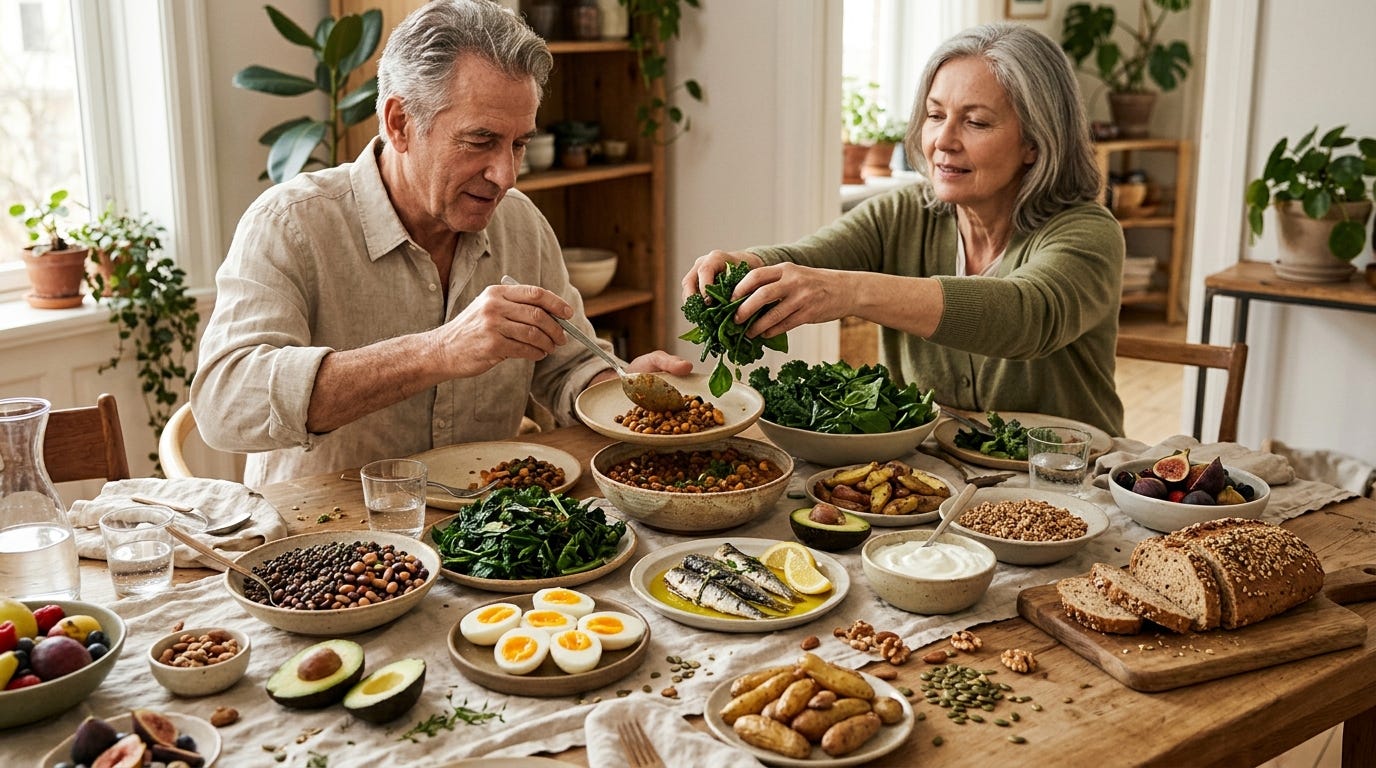
That’s why a varied diet tends to work better than obsessing over one “miracle” mineral.
Beans give you magnesium, potassium, iron, and other nutrients. Pumpkin seeds provide magnesium, zinc, and iron. Sardines provide calcium, selenium, protein, and healthy fats. Leafy greens contribute magnesium, potassium, folate, and other compounds.
Food naturally packages nutrients together.
Don’t Diagnose Yourself From Symptoms Alone

This part is important.
Fatigue doesn’t automatically mean you’re low in iron. Muscle cramps don’t automatically mean magnesium deficiency. Feeling cold doesn’t automatically mean you need iodine.
Many nutritional deficiencies produce vague symptoms that overlap with dozens of other conditions.
Persistent fatigue, weakness, numbness, unexplained changes in weight, significant hair loss, shortness of breath, heart palpitations, or other new symptoms deserve proper evaluation rather than a cabinet full of supplements.
Sometimes the smartest nutritional intervention is simply getting the right information first.
Start With Food

You don’t need a complicated mineral protocol.
Start by making your diet more nutritionally dense.
Eat beans regularly. Add pumpkin seeds or nuts. Eat leafy greens. Include seafood if you eat it. Eat eggs. Include yogurt or other calcium-rich foods. Eat potatoes, avocados, vegetables, and fruit. Use a variety of whole foods rather than eating the same five foods every day.
You don’t need every meal to be perfect. You simply want your nutritional bases covered consistently.
Bringing It Together

Some changes really are part of aging.
But we shouldn’t automatically blame age for every change in how we feel.
Fatigue, weakness, muscle cramps, poor recovery, constipation, changes in appetite, and brain fog can have many causes. In some people, inadequate intake or deficiencies of essential minerals may be part of the picture.
That’s why healthy aging isn’t only about chasing longevity supplements or complicated protocols.
Sometimes it means going back to fundamentals.
Eat enough protein. Eat mineral-rich foods. Maintain your muscles. Move every day. Get outside. Sleep. Eat a varied diet. And when your body starts behaving differently, pay attention instead of assuming it’s simply because you’re getting older.
Your body still needs the same raw materials it always did.
It may just become more important to make sure you’re actually giving them to it.
Love what we share?
Join our FREE Holistic Magazine health masterclass with Dr. Ian Quitadamo and learn why you can eat well, exercise, take supplements, and still feel like something is off.
Get a deeper understanding of what may be happening beneath the surface and why the same approach doesn’t work for everyone.
Reserve your free spot: