


Hi friends,
Inflammation isn’t always something to fear.
In fact, it’s one of your body’s most important defense mechanisms.
When you get a cut, catch a virus, or strain a muscle, inflammation helps coordinate healing and repair.
The problem isn’t inflammation itself.
The problem is when it never fully turns off.
Chronic, low-grade inflammation can quietly persist for months or even years without causing obvious symptoms. Over time, researchers have linked it to heart disease, type 2 diabetes, arthritis, fatty liver disease, cognitive decline, certain cancers, and many other chronic conditions.
The encouraging news is that many of the habits that contribute to inflammation are also the ones you can improve.
Small changes, practiced consistently, can have a meaningful impact over time.

In Less Than 10 Minutes, We’ll Cover
What chronic inflammation really is
Why it often develops silently
10 hidden causes of chronic inflammation
Foods and herbs that naturally support a healthy inflammatory response
Lifestyle habits that help calm inflammation
What to avoid
How long improvements may take
What Is Chronic Inflammation?

Inflammation is a normal part of your immune system.
It helps fight infections, repair damaged tissue, and protect your body from harm.
Normally, inflammation resolves once the threat has passed.
Chronic inflammation is different.
Instead of switching off, the immune system remains mildly activated for months or even years.
Because it often develops without obvious symptoms, many people don’t realize it’s happening until health problems begin appearing later in life.
Hidden Cause #1: Highly Processed Foods

Ultra-processed foods tend to be high in refined carbohydrates, added sugars, unhealthy fats, and sodium while providing very little fiber or beneficial plant compounds.
Over time, diets centered around these foods have been associated with higher inflammatory markers.
Hidden Cause #2: Poor Gut Health

Your digestive tract is home to trillions of bacteria that help regulate immunity, digestion, and metabolism.
When microbial diversity declines, inflammatory signaling may increase, making gut health an important part of overall health.
Hidden Cause #3: Chronic Stress

Long-term stress affects much more than your mood.
It influences hormones, immune cells, blood sugar regulation, digestion, and sleep, all of which can contribute to chronic inflammation.
Hidden Cause #4: Poor Sleep

Sleep is when much of your body’s repair work takes place.
Regularly sleeping too little has been linked to increased inflammatory markers and impaired immune function.
Hidden Cause #5: Physical Inactivity

Movement helps regulate inflammation.
People who exercise regularly tend to have lower levels of several inflammatory markers than those who remain sedentary.
Hidden Cause #6: Excess Visceral Fat

Fat tissue isn’t simply stored energy.
Visceral fat surrounding internal organs produces inflammatory signaling molecules that may contribute to chronic disease over time.
Hidden Cause #7: Frequent Blood Sugar Spikes

Large swings in blood sugar may increase oxidative stress and inflammatory activity.
Meals rich in protein, fiber, and healthy fats help support more stable blood sugar levels.
Hidden Cause #8: Smoking And Heavy Alcohol Intake

Smoking damages tissues throughout the body while increasing oxidative stress.
Heavy alcohol intake may also promote inflammation and disrupt the balance of beneficial gut bacteria.
Hidden Cause #9: Environmental Toxins

Long-term exposure to cigarette smoke, air pollution, certain industrial chemicals, and other environmental pollutants may contribute to chronic inflammation by increasing oxidative stress throughout the body.
While it’s impossible to eliminate every exposure, reducing unnecessary contact where possible may benefit long-term health.
Hidden Cause #10: Poor Oral Health

Your mouth is closely connected to the rest of your body.
Untreated gum disease and chronic oral infections have been associated with higher levels of systemic inflammation.
Brushing, flossing, and regular dental care support both oral and overall health.
Foods That Naturally Support A Healthy Inflammatory Response
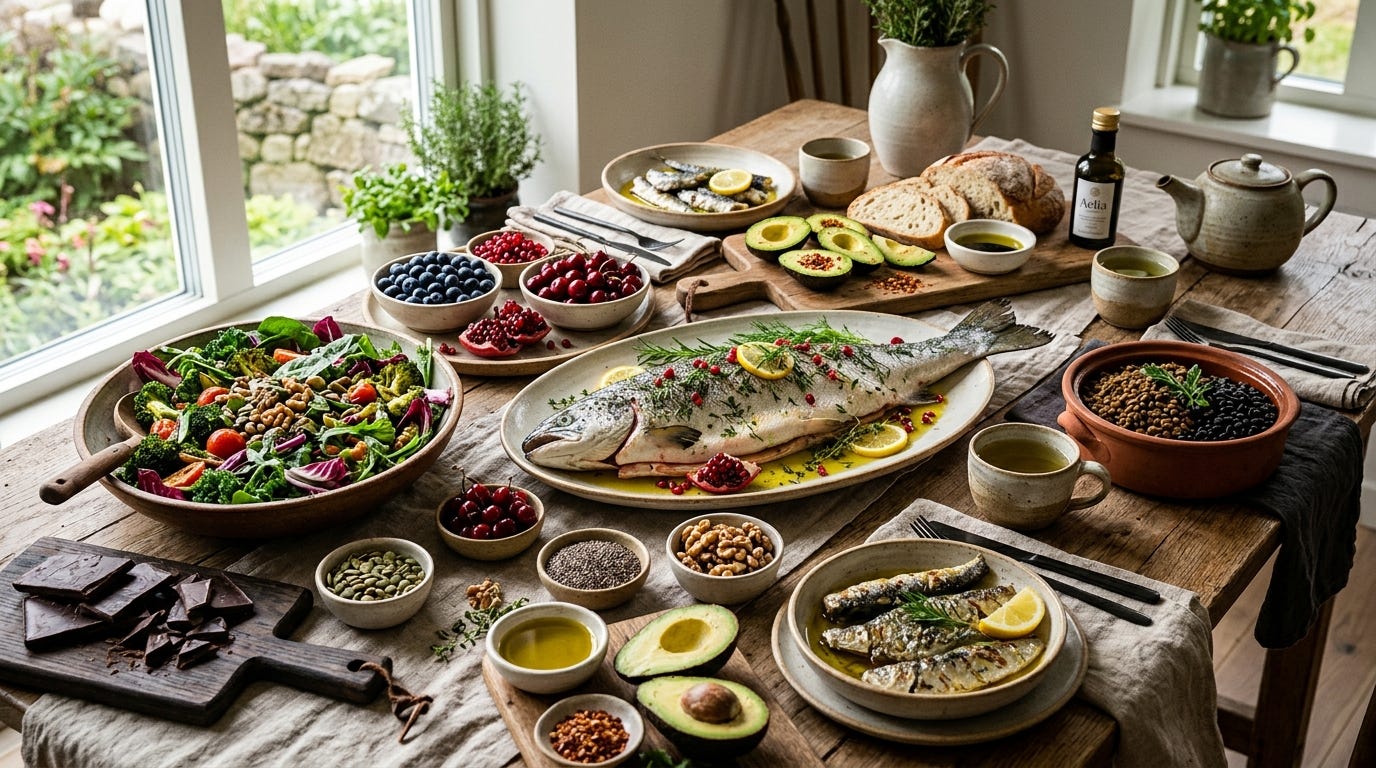
Many whole foods contain nutrients and plant compounds that help support your body’s normal inflammatory balance.
Consider including foods such as:
Extra virgin olive oil
Fatty fish like salmon and sardines
Blueberries
Pomegranates
Tart cherries
Leafy greens
Broccoli
Purple cabbage
Tomatoes
Avocados
Walnuts
Pumpkin seeds
Beans
Lentils
Flaxseeds
Chia seeds
Green tea
Dark chocolate with a high cocoa content
Herbs And Spices That May Help

Many herbs and spices contain naturally occurring compounds that have been studied for their ability to support a healthy inflammatory response.
Some of the best researched include:
Turmeric
Ginger
Garlic
Cinnamon
Rosemary
Oregano
Thyme
Basil
Parsley
Sage
Natural Ways To Help Reduce Chronic Inflammation

Nutrition is only part of the picture.
Daily habits have a powerful influence on how your immune system functions.
Consider building these habits into your routine:
Walk for 10 to 20 minutes after meals.
Strength train at least two or three times each week.
Aim for seven to nine hours of quality sleep.
Get morning sunlight soon after waking.
Manage stress through meditation, prayer, breathing exercises, or time in nature.
Eat at least 25 to 30 grams of protein with each meal.
Aim for 25 to 35 grams of fiber each day.
Eat a wide variety of colorful fruits and vegetables each week.
Stay well hydrated throughout the day.
Maintain meaningful social connections.
Spend more time outdoors.
Maintain a healthy body weight.
Avoid smoking.
Limit heavy alcohol intake.
Make movement part of your everyday life.
What To Limit

While working to lower inflammation, it may help to reduce habits that make recovery more difficult.
These include:
Ultra-processed foods
Artificial sweeteners
Sugar-sweetened beverages
Smoking
Heavy alcohol intake
Chronic sleep deprivation
Long periods of sitting
Persistent unmanaged stress
Repeated blood sugar spikes
How Long Does It Take?

Lowering chronic inflammation is usually a gradual process.
Some people notice improvements in energy, digestion, or joint comfort within a few weeks of making healthier lifestyle changes.
Other improvements may take months as your body continues to repair and adapt.
The goal isn’t finding one miracle food or supplement.
It’s consistently creating an environment where your body can function at its best.
Bringing It Together

Chronic inflammation rarely has one single cause.
Instead, it develops from the combined effects of nutrition, sleep, stress, physical activity, gut health, body composition, and many other daily habits.
The good news is that these same lifestyle factors can also help support a healthier inflammatory response.
Focus on eating mostly whole foods, filling your plate with colorful plants, moving your body regularly, sleeping well, managing stress, and caring for your gut microbiome.
Small choices repeated consistently often have the greatest impact on long-term health.
If you enjoy practical wellness breakdowns that connect nutrition, physiology, and everyday habits without the wellness fluff, consider subscribing to Holistic Magazine.
Free subscribers receive evidence-based wellness articles each week.
Paid subscribers receive our in-depth protocols, meal systems, premium nutrition guides, and practical wellness resources designed to help you build lasting health.
Intestinal permeability is still one of the most underappreciated drivers of systemic symptoms. The moment I start explaining to clients that their skin issues, joint pain, and brain fog may be coming from their gut, not from separate, unrelated problems, everything clicks. It reframes the whole clinical picture.