


I. HOW FOOD PREPARATION AFFECTS DIGESTION
Introduction

Why How You Cook Matters as Much as What You Eat
Food is often evaluated based on ingredients alone, but the way food is prepared plays an important role in how it is broken down, absorbed, and experienced by the digestive system.
Cooking changes the structure of food, influencing how easily enzymes can access nutrients, how quickly food moves through the digestive tract, and how much effort the body needs to fully process a meal.
When preparation methods support digestion, meals tend to feel lighter, more comfortable, and more consistent in how they are processed, even when the ingredients remain similar.
When preparation makes food more difficult to break down, digestion may feel heavier, slower, or more reactive, which can influence bloating, energy levels, and overall comfort after eating.
These differences are often subtle, but over time they shape how the digestive system responds to food on a daily basis.
This guide focuses on how cooking methods, meal structure, and food combinations influence digestion, and how small adjustments in preparation can create a more stable and supportive environment for the gut.
Digestion Begins Before You Eat

How Food Preparation Influences Breakdown
Digestion begins before food enters the body, as the preparation of a meal influences how the digestive system will respond once eating begins.
Chopping, soaking, cooking, and combining ingredients all change the physical and chemical structure of food, which determines how easily it can be broken down by stomach acid and digestive enzymes.
Foods that are prepared in a way that softens fibers, reduces toughness, and breaks down complex structures tend to require less effort from the digestive system, allowing nutrients to be accessed more efficiently.
This process also influences how quickly digestion begins, as the body responds to the sight, smell, and anticipation of food by initiating enzyme release and preparing the digestive tract.
When meals are prepared with digestion in mind, the transition from eating to digestion tends to feel smoother, with fewer disruptions in how food is processed.
Over time, these patterns support a more consistent digestive experience, where the body is better able to handle a wider range of foods with greater ease.
Cooking vs Raw Foods

How Preparation Changes Digestibility
Both raw and cooked foods contribute to a balanced diet, but the way they are processed by the digestive system differs based on how their structure has been altered.
Cooking breaks down plant cell walls, softens fibers, and denatures proteins, which allows digestive enzymes to access nutrients more easily and often leads to more efficient digestion.
Raw foods retain their original structure, which can provide beneficial compounds and textures, but may require more effort to break down, especially for individuals with more sensitive digestion.
The balance between raw and cooked foods can influence how meals feel after eating, with cooked foods often providing a more immediately digestible option and raw foods contributing to variety and microbial support.
Preparation methods such as lightly cooking vegetables or combining raw foods with easier-to-digest components can create meals that are both supportive and varied.
Over time, adjusting the balance of raw and cooked foods based on how the body responds can help create a more comfortable and sustainable approach to eating.
The Role of Heat, Time, and Texture
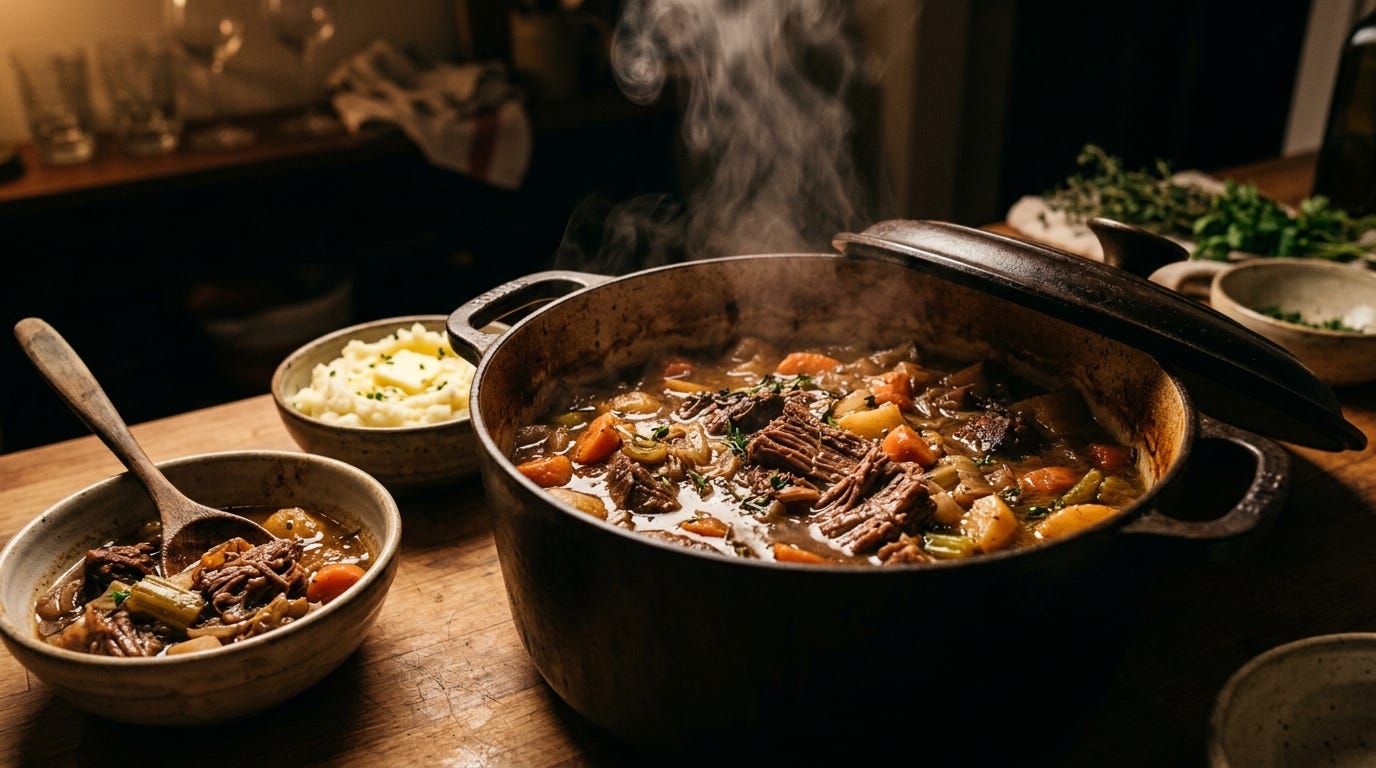
Why Softer Foods Are Often Easier to Digest
Heat and time influence the texture of food, which in turn affects how easily it can be broken down during digestion.
Longer cooking times and gentle heat can soften fibers, reduce structural resistance, and create textures that are easier for the digestive system to process.
This is one reason slow-cooked meals, soups, and stews often feel easier to digest, as the ingredients have already undergone a degree of breakdown before they are eaten.
Texture also influences how food is chewed, which is the first stage of digestion, as softer foods require less mechanical effort while still allowing for thorough mixing with saliva and digestive enzymes.
Foods that are harder, drier, or more fibrous may require more chewing and digestive effort, which can influence how they are experienced after eating.
Adjusting cooking methods to create a balance of textures that feel comfortable and manageable often supports a smoother digestive process.
II. BUILDING GUT-FRIENDLY MEALS
The Structure of a Gut-Friendly Meal
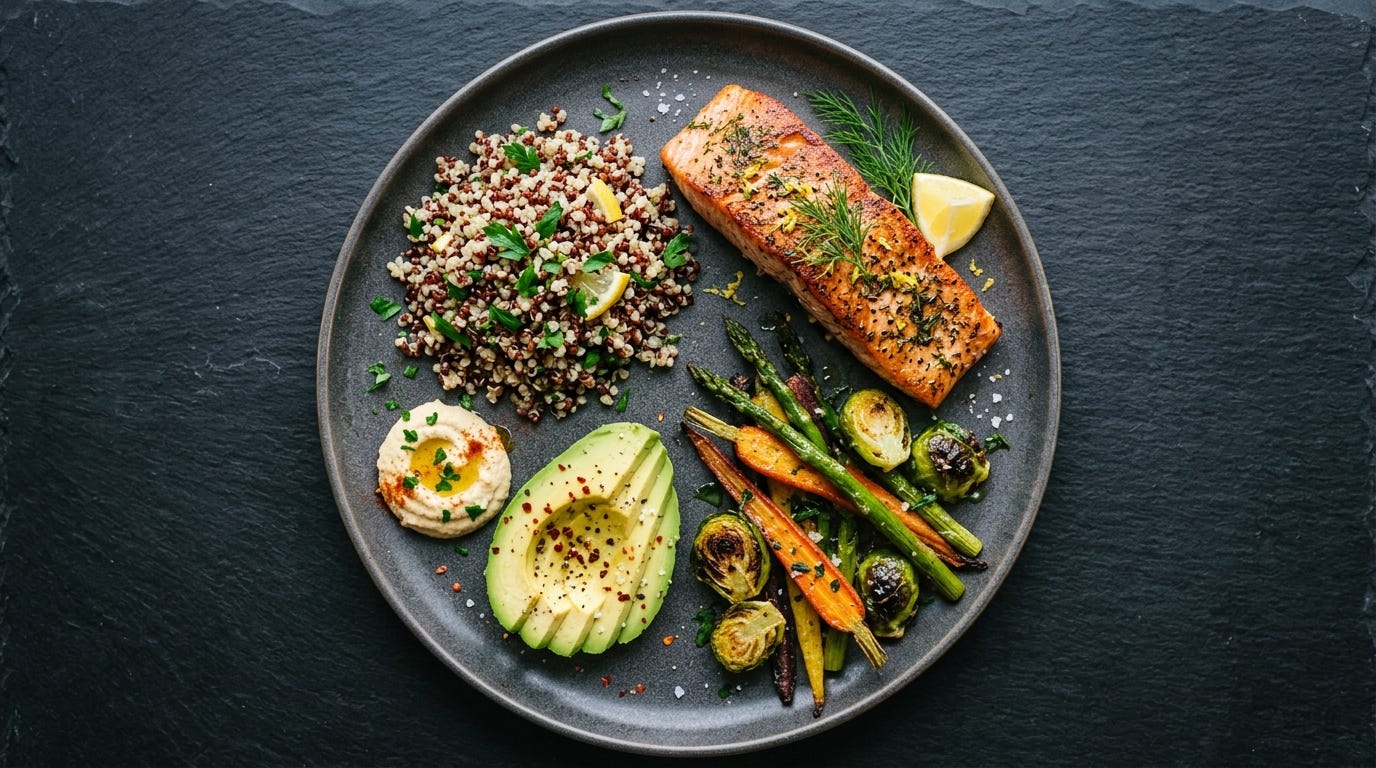
Protein, Fats, Carbohydrates, and Fiber Working Together
The way a meal is structured plays a central role in how it is digested, because the balance between protein, fats, carbohydrates, and fiber determines how quickly food moves, how thoroughly it is broken down, and how stable the digestive experience feels afterward.
Protein supports satiety and provides the building blocks for repair, while also requiring adequate stomach acid and enzymatic activity to be broken down effectively, which means its presence in a meal influences how digestion is initiated.
Carbohydrates provide readily available energy and interact with digestive signaling in a way that influences both motility and absorption, particularly when they are paired with other macronutrients that slow their release into the bloodstream.
Fats contribute to the pacing of digestion by slowing gastric emptying and supporting the absorption of fat-soluble nutrients, while also influencing how satisfied and stable energy feels after a meal.
Fiber interacts with all of these components by providing structure within the digestive tract, supporting movement, and feeding beneficial gut bacteria, which further influences how the system functions over time.
When these elements are balanced, meals tend to feel more stable, with fewer abrupt changes in energy or digestion, allowing the body to process food in a way that feels consistent and predictable.
