


Hi friends,
Stress hormones don’t just respond to trauma, they respond to rhythm.
Cortisol follows a curve. It rises in the morning to wake you up, gradually tapers through the day, and lowers at night so repair can happen. When that rhythm shifts, sleep changes, energy changes, mood changes.
Many people experience it as:
Wired but tired at night.
A second wind around 9 or 10 pm.
Waking at 2 or 3 am with a busy mind.
Grogginess in the morning even after enough hours in bed.
Afternoon crashes that lead to caffeine or sugar.
Feeling alert at the wrong times and depleted at the right ones.
Sometimes it also shows up as colder hands and feet at night, racing thoughts when the house is quiet, or feeling “on” long after the day is done.
Before adding supplements, it helps to stabilize the inputs that shape cortisol in the first place.
IN LESS THAN 10 MINUTES WE’LL COVER:
What a healthy cortisol curve looks like
Why modern light exposure and meal timing shift it
A practical 7-night reset
How to lower evening stress signaling without suppressing cortisol
How to strengthen the morning rise naturally
A Note From Holistic Magazine
Health shapes your energy, digestion, mood, and long-term resilience. If you value grounded, research-informed guidance that looks at systems instead of trends, consider upgrading to the paid subscription.
Your support allows us to continue building practical, system-based wellness education for more people.
Here is a simple 7-night reset designed to rebuild stress resilience through behavior, light, food, and rhythm.
Night 1: Protect the Drop
Cortisol lowers when light lowers. Artificial light at night can delay that drop, especially bright overhead lighting and screens close to the eyes.

Dim overhead lighting after sunset.
Lower screen brightness and avoid intense LED exposure 60 to 90 minutes before bed.
Step outside briefly in real darkness if possible.
Darkness is not just aesthetic, it is a signal to the brain that vigilance can decrease.
Night 2: Stabilize Fluids and Minerals
Cortisol helps regulate blood pressure and fluid balance. If sodium intake is too low, the body compensates, sometimes with fatigue, dizziness, or afternoon crashes.

Salt your food to taste, especially at dinner.
Avoid excessive plain water late at night.
Notice how you feel when you stand up the next morning.
Hydration depends on minerals, not just water volume. Circulation stability reduces unnecessary stress signaling.
Night 3: Anchor Blood Sugar at Dinner
Nighttime cortisol spikes are often linked to blood sugar instability. If glucose drops too low overnight, cortisol rises to correct it.

Include 25 to 40 grams of protein at dinner.
Add whole-food carbohydrates if tolerated.
Avoid heavy sugar close to bedtime.
Stable glucose reduces the need for stress hormones overnight and supports deeper sleep cycles.
Night 4: Slow the Breath
Breathing patterns influence nervous system tone. Shallow, rapid breathing keeps the body in vigilance even when you are lying in bed.

Spend 5 to 10 minutes breathing slowly through the nose.
Make the exhale slightly longer than the inhale.
Let the shoulders drop, unclench the jaw.
The body reads breath as information about safety and threat.
Night 5: Reduce Physical Tension
Chronic muscle tension reinforces stress signaling, especially in the neck, jaw, and abdomen.
Gently stretch before bed.

Scan the body for tight areas and consciously release them.
Consider a warm shower or bath to relax muscles.
Relaxed muscle tone supports a calmer internal state and smoother transition into sleep.
Night 6: Create a Digital Boundary
Cognitive stimulation late at night keeps cortisol engaged. Emails, scrolling, problem-solving, even planning tomorrow’s schedule extend vigilance.
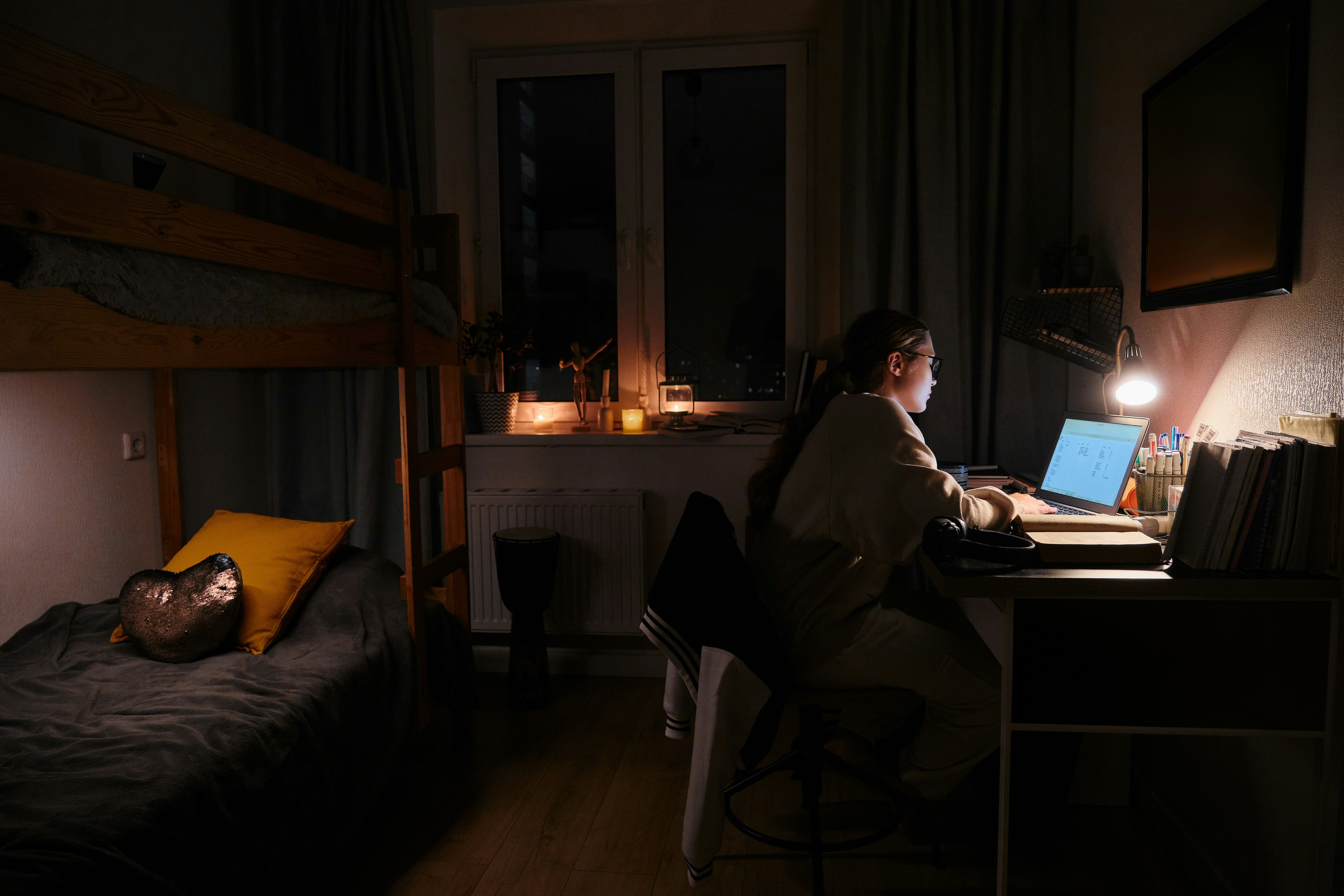
Set a defined time to stop emails and news.
Avoid intense conversations late in the evening.
Choose low-input activities before bed.
The nervous system responds to mental load as much as physical demand.
Night 7: Strengthen the Morning Rise
A healthy cortisol rhythm requires a clear morning rise. That rise helps set energy, appetite, and focus for the day.
Step outside within 20 minutes of waking.

Expose your eyes to natural light, even if it is cloudy.
Move your body gently before looking at your phone.
Delay caffeine slightly if possible, allowing your natural cortisol to peak first.
Morning light anchors the entire day and improves the following night’s drop.
What New Research Suggests
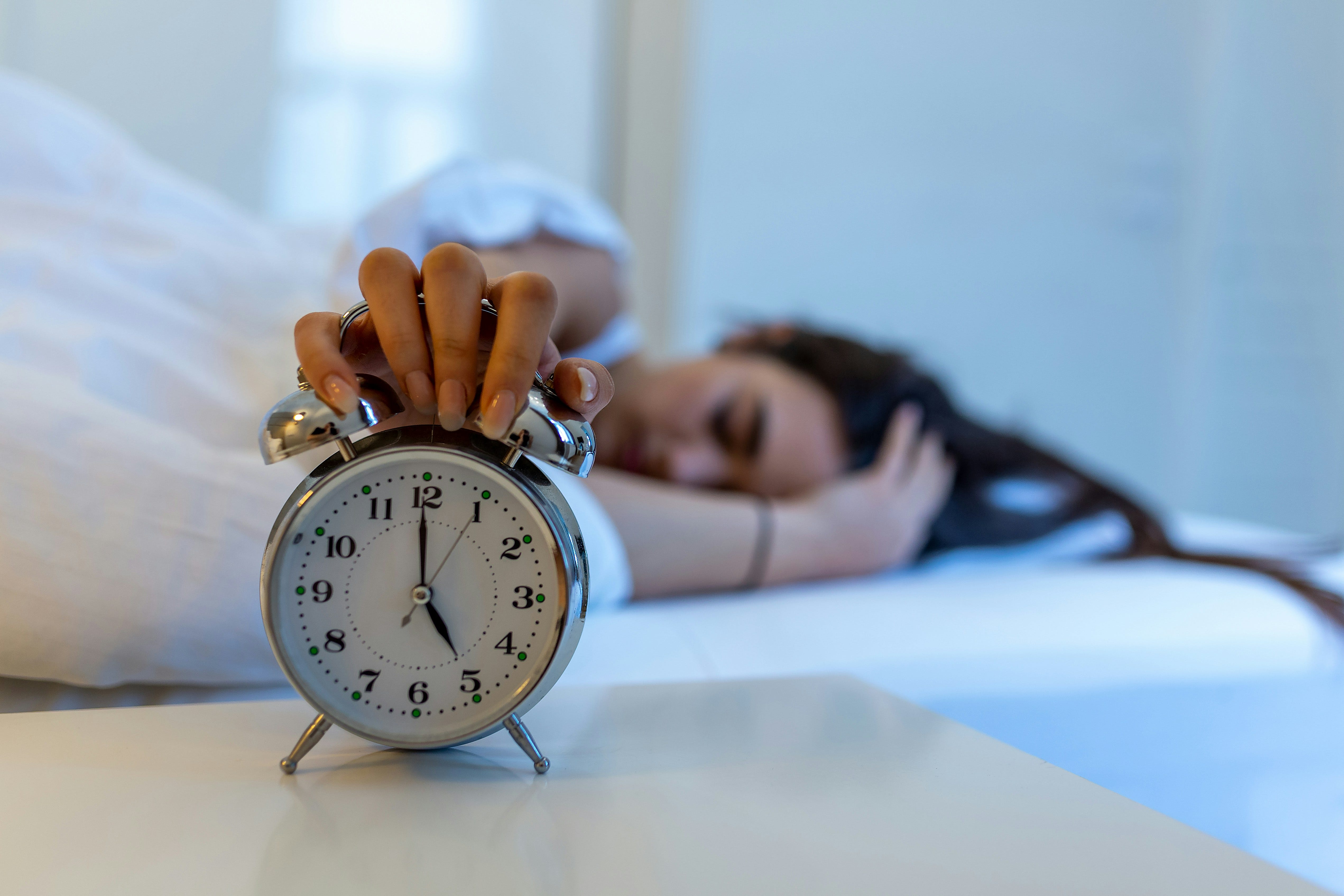
Circadian alignment influences cortisol amplitude, insulin sensitivity, immune tone, and sleep architecture. Small changes in light exposure, meal timing, and stress regulation can improve sleep onset and reduce nighttime awakenings. Elevated evening cortisol often reflects environmental input, accumulated stimulation, and blood sugar shifts rather than a permanently dysregulated system.
Consistency builds rhythm and rhythm builds resilience.
Why This Matters
Cortisol influences digestion, immune signaling, thyroid conversion, blood sugar regulation, and mood stability. When the curve normalizes, people often notice steadier energy, deeper sleep, fewer cravings, clearer thinking, and better recovery from workouts and stress.

The body is adaptive. It recalibrates when given clear, repeated signals.
Seven nights will not solve every stressor in modern life. But they can begin to restore direction to a hormone that depends on timing.
Resilience is rarely rebuilt through intensity. It is rebuilt through light exposure, stable meals, slower breath, mineral balance, and repetition.
Sometimes resilience is rebuilt quietly, through small signals the body has been waiting for.
If this framework helped you think differently about stress and rhythm, the full Mineral Repletion guide goes even deeper into the foundations that influence cortisol stability.
For $8 per month, you’ll get structured protocols, printable checklists, and long-form breakdowns designed for real life.
Upgrade here to support the mission and access premium content.