

Hi friends,
When people think about keeping their blood sugar healthy, they usually think about food. Eat fewer refined carbohydrates. Avoid too much added sugar. Eat more protein. Get enough fiber. Choose whole foods. And certainly, what you eat matters.
But there’s another part of the equation we probably don’t talk about enough: what you do after you eat.
Once you finish a meal, your body has an enormous amount of work to do. Food has to be digested, nutrients have to be absorbed, carbohydrates are broken down, glucose begins entering your bloodstream, and insulin helps your cells take up and use or store that glucose.
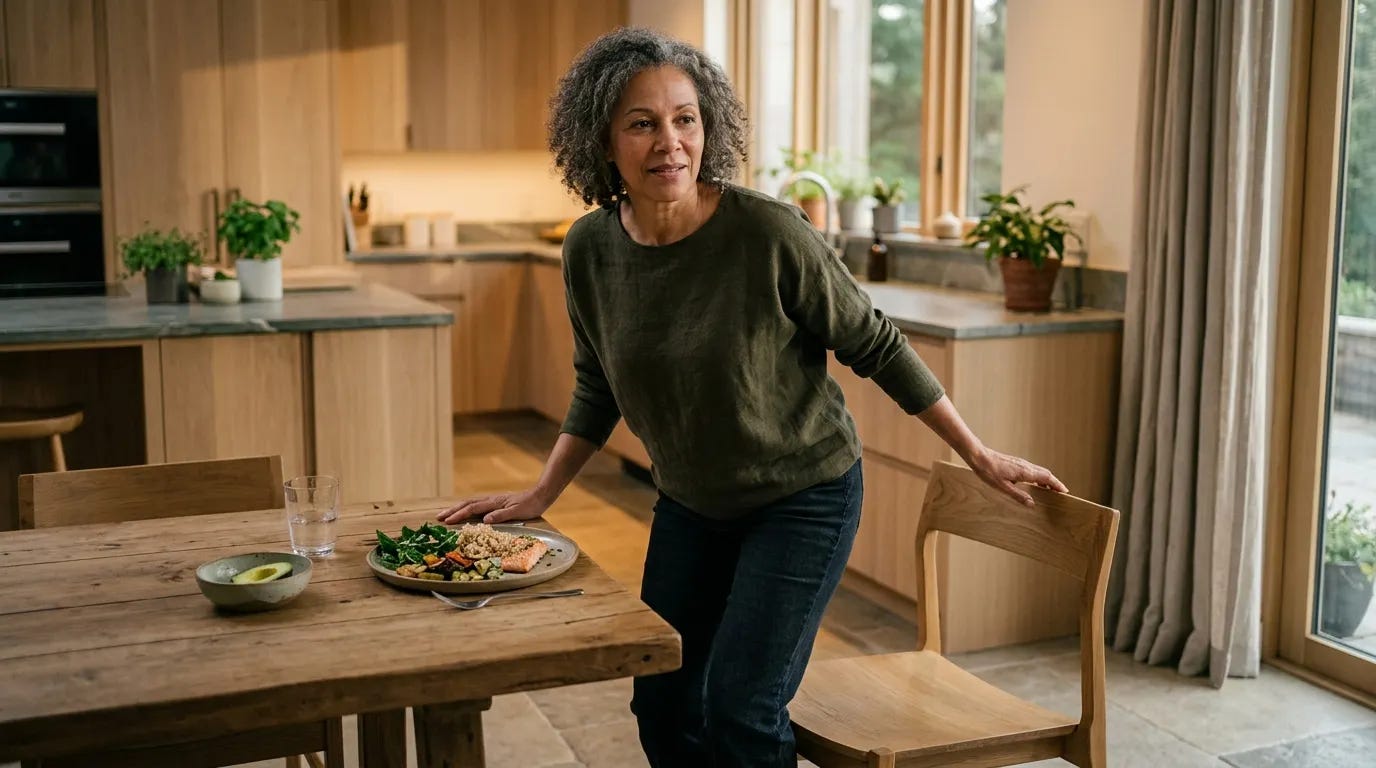
And sitting right below your waist are some of the largest glucose-using tissues in your body: your muscles.
Your quadriceps, hamstrings, glutes, and calves aren’t simply there to help you walk around. They’re metabolically active tissues that can use glucose for energy and store some of it for later.
That makes one remarkably simple habit worth paying attention to: walking for about 10 minutes after eating.
It doesn’t require a gym, supplements, special equipment, or an hour-long workout. You simply finish your meal, get up, and move.
So today, let’s look at why something as ordinary as a short walk after a meal may be one of the simplest habits you can build for metabolic health.
In Less Than 10 Minutes, We’ll Cover
What happens to blood sugar after you eat
Why skeletal muscle plays such an important metabolic role
What changes when your muscles start contracting
Why walking after meals can be useful
Why you don’t need an intense workout
When to take your walk
What to do if you can’t walk
Why building muscle matters long-term
A simple seven-day experiment you can try
Before we begin, a quick note from Dr. Ian Quitadamo…
If you enjoy practical wellness breakdowns that connect nutrition, physiology, and everyday habits without the wellness fluff, consider subscribing to Holistic Magazine.
Free subscribers receive structured, science-backed wellness articles each week. Paid subscribers receive our deeper guides, a growing resource library, premium wellness content, and live sessions every other week with Dr. Ian Quitadamo, where he teaches on important health topics and explores general questions from the community.
It’s all available for $5 a month, and that price is intentional. We want trustworthy, practical health education to remain accessible rather than becoming another wellness resource reserved only for people who can afford expensive programs.
Your Blood Sugar Naturally Rises After You Eat
Let’s start with something completely normal. When you eat carbohydrates, your digestive system breaks many of them down into smaller molecules, including glucose. That glucose is absorbed through your intestines and enters your bloodstream, which is why your blood glucose naturally rises after a meal.
Your pancreas responds by releasing insulin. Insulin acts as an important signal that helps cells throughout your body take up glucose so it can either be used for energy or stored for later. This happens every day, and the fact that your blood sugar rises after eating isn’t inherently a problem. That’s normal physiology.
What becomes more interesting is how high that rise is, how long it lasts, and how efficiently your body handles the glucose afterward. The composition and size of the meal matter, but so do things like physical activity, insulin sensitivity, muscle mass, sleep, and overall metabolic health.
And one of the largest places that glucose can go is skeletal muscle.
Your Muscles Are Metabolic Machinery
Most people think about muscle in terms of strength or appearance. Muscle helps you lift something heavy, climb stairs, get out of a chair, carry groceries, maintain your balance, and remain physically capable as you get older.
But muscle has another role that receives far less attention. Skeletal muscle is metabolically active tissue. Your muscles require energy to function, and glucose is one of the fuels they can use. Muscle can also store glucose in the form of glycogen, essentially keeping some energy available for later.
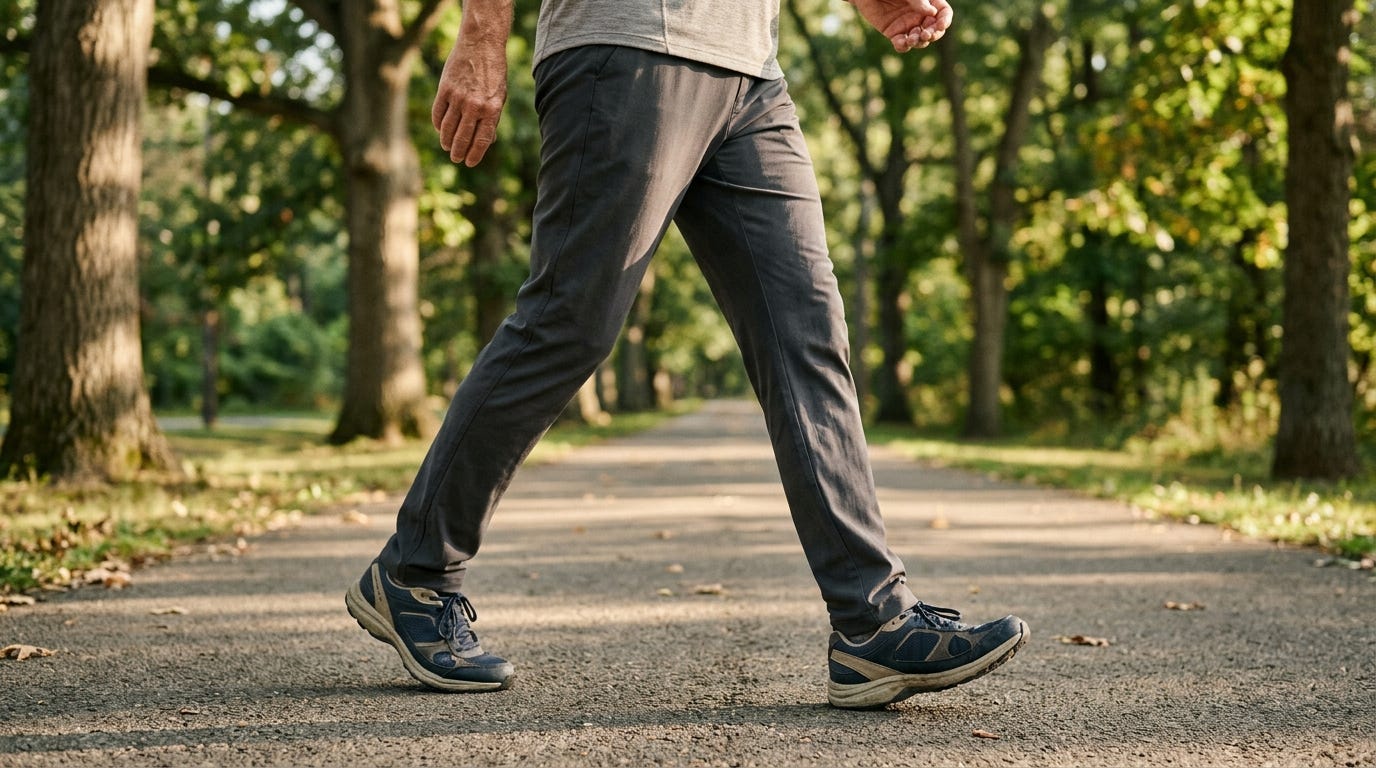
Think about what happens when you start walking. Your quadriceps help extend and stabilize your knees. Your hamstrings and glutes help move your hips. Your calves help propel you forward. Your core helps stabilize your body. With every step, muscles throughout your body repeatedly contract and relax.
All of that requires energy. Suddenly, some of the largest muscles in your body aren’t simply sitting there anymore. They’re working.
And that changes what’s happening metabolically.
Muscle Contraction Changes the Equation
Insulin normally plays an important role in helping glucose enter muscle cells. But there’s another interesting mechanism at work. When skeletal muscles contract during physical activity, they can increase glucose uptake through pathways that don’t depend entirely on insulin.
In simpler terms, movement gives your muscles a reason to start using fuel.
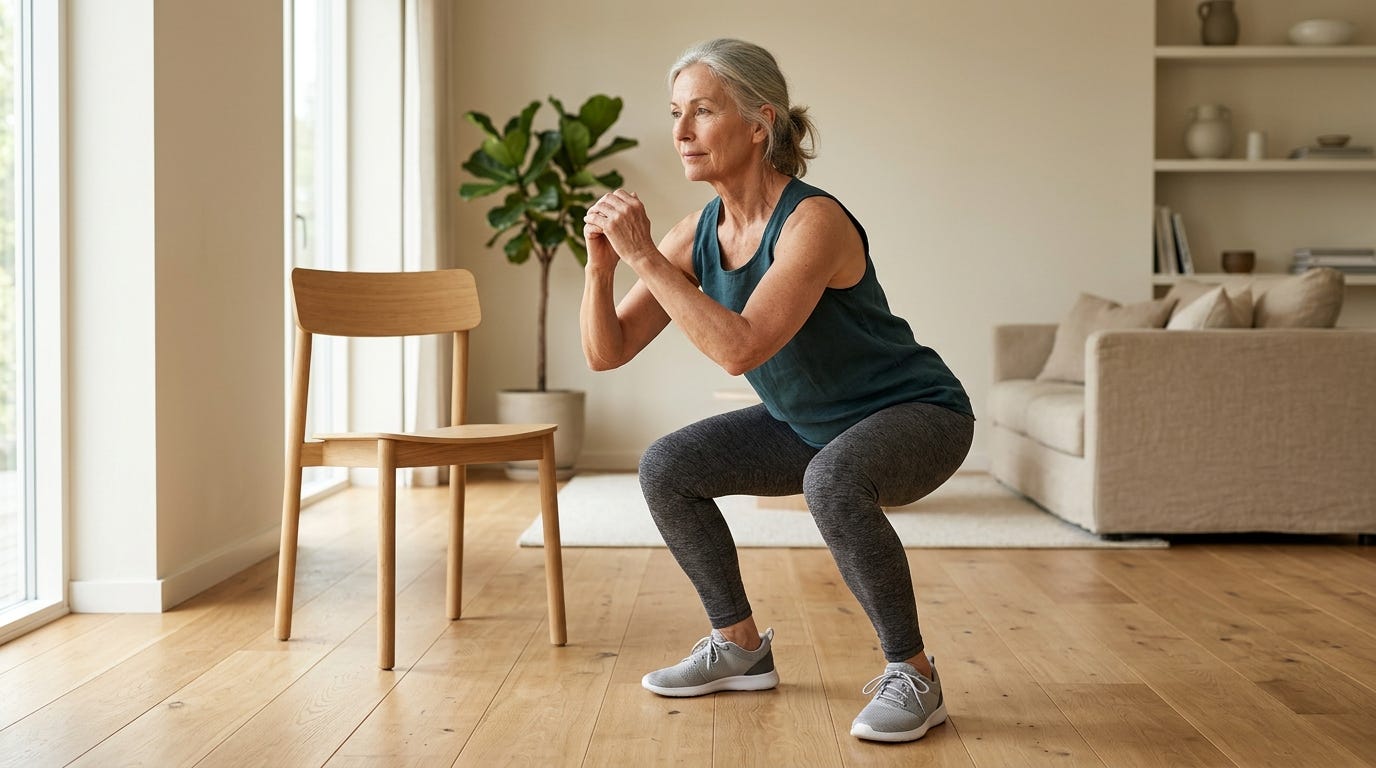
Imagine finishing a large dinner and immediately sitting on the couch for the next two hours. Your digestive system is working, nutrients are entering your bloodstream, and your body is processing that meal, but the enormous muscles in your legs aren’t being asked to do very much.
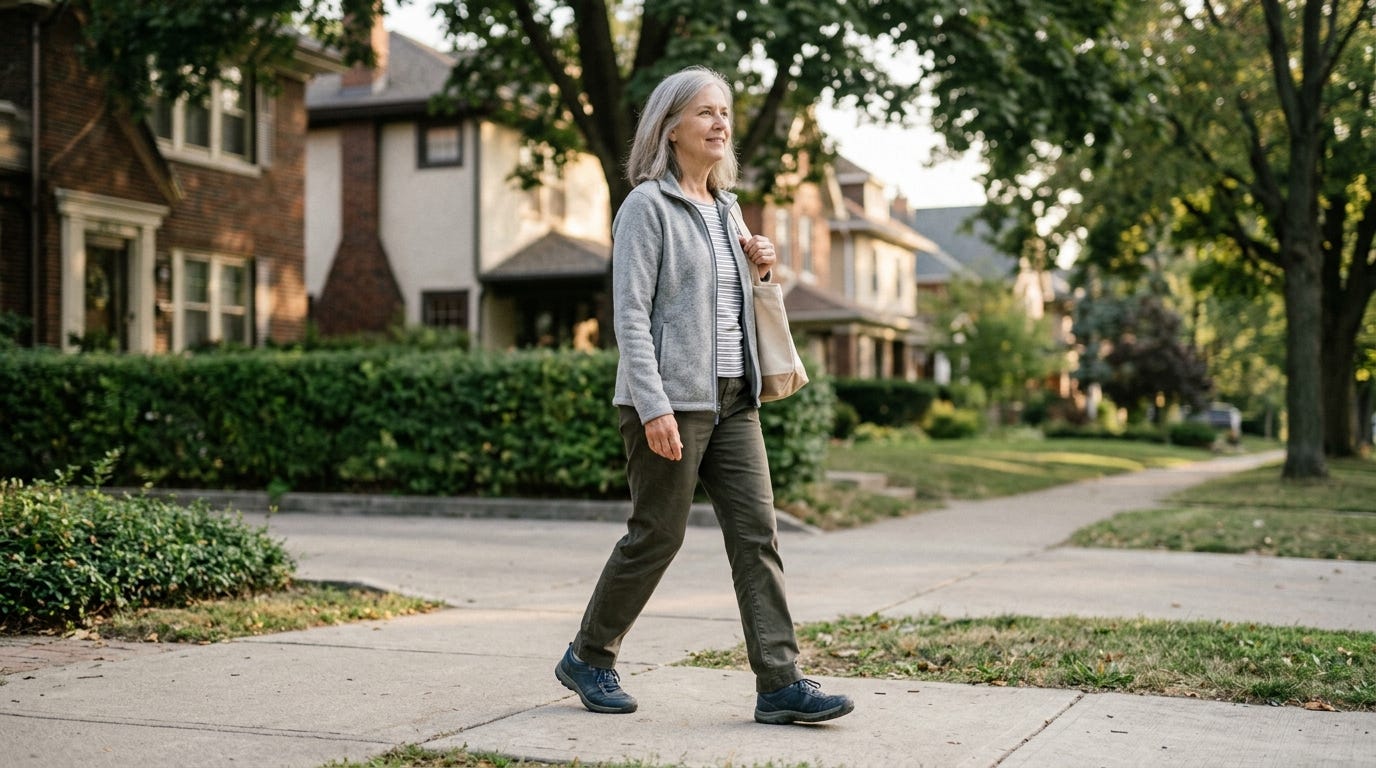
Now imagine finishing that same dinner and going for a short walk around your neighborhood. Your calves, quadriceps, hamstrings, glutes, and other muscles repeatedly contract. Those tissues require energy to keep you moving, and glucose is one of the fuels available to help provide it.
That’s the simple principle behind the after-meal walk. You aren’t trying to “burn off” everything you just ate. You’re giving your muscles something to do during a period when nutrients are entering your bloodstream.
Why Walking After Eating Can Be Useful

Research examining post-meal activity has found that walking after eating can help moderate the post-meal glucose response compared with remaining sedentary. You don’t necessarily need an intense workout either. Even relatively light activity can make a meaningful difference in how your body handles the glucose entering your bloodstream after a meal.
When you think about the physiology, this makes sense. You’ve just eaten a meal that provides your body with energy, and then you’re asking some of the largest muscles in your body to begin working. Instead of remaining completely sedentary while your body processes the meal, you introduce muscular activity during that same period.
This creates a very simple change in your routine. Instead of eat → sit, you create a new pattern: eat → move → sit.
And that small distinction matters because it’s something you can realistically repeat every day. The most useful health habits aren’t necessarily the ones that produce the biggest response on a single day. They’re often the ones simple enough to become part of your life.
You Don’t Need an Hour-Long Workout
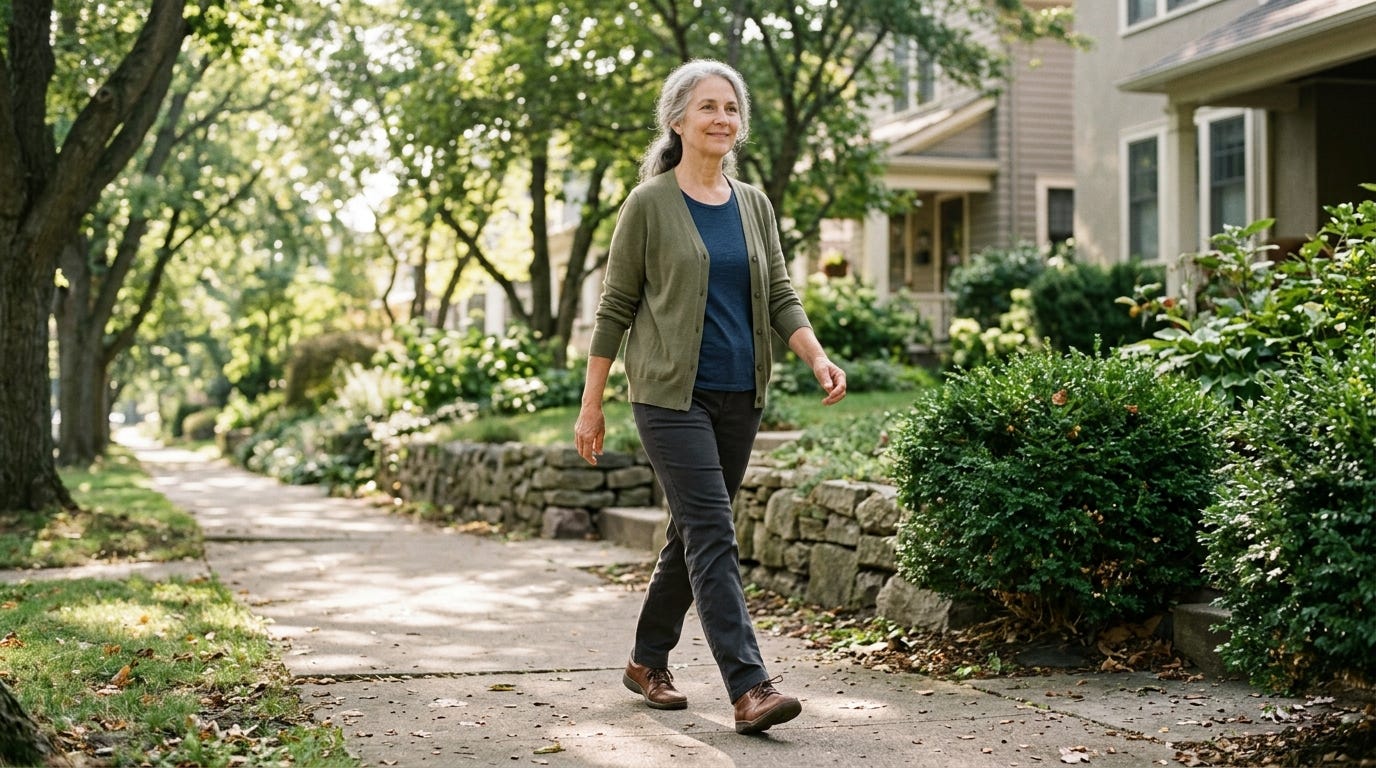
This is where health advice sometimes becomes unnecessarily complicated. Tell someone that exercise helps with blood sugar and they may imagine changing clothes, driving to a gym, exercising for an hour, showering, driving home, and reorganizing a large part of their day.
That’s great if you enjoy doing it, but it creates a huge psychological barrier for someone who simply wants to become a little healthier.
A short post-meal walk is different. Put your shoes on, walk outside, go around the block, and come home. Ten minutes. You aren’t trying to set a personal record, burn hundreds of calories, or turn dinner into a workout. You’re simply giving your muscles something to do.
And because the habit is small, it becomes much easier to repeat tomorrow, then the next day, and then the next. Eventually, the goal is for walking after dinner to feel as normal as brushing your teeth before bed.
Why 10 Minutes?
There’s nothing magical about exactly 10 minutes. Your metabolism doesn’t suddenly flip a switch at nine minutes and fifty-nine seconds. Ten minutes is useful partly because it’s realistic.
An hour sounds like exercise. Thirty minutes can still feel like a commitment. But most people can find 10 minutes somewhere in their day, particularly when the habit is attached to something they already do every single day.
And everyone already eats.
That makes meals an incredibly useful behavioral trigger. Instead of telling yourself that you need to “exercise more,” you can create a much simpler rule: when dinner ends, I walk.
The meal becomes the reminder. You don’t have to schedule another activity or wait until you feel motivated. You’ve simply attached a new behavior to something that was already going to happen.
When Should You Walk?
You don’t need to obsess over the exact minute. The practical idea is to get moving relatively soon after eating rather than automatically remaining sedentary for the next several hours

Your post-meal glucose response develops as food is digested and nutrients are absorbed. Moving during this general period gives your muscles something to do while that energy is becoming available.
That doesn’t mean you need to finish your final bite and immediately rush out the door. Clean up the table, put the leftovers away, get your shoes, and then go. The larger goal is simply breaking a pattern many of us have accidentally created: eating dinner followed by several hours of sitting.
There’s nothing wrong with relaxing after dinner. Relaxation matters too. Just consider putting a little movement between the meal and the couch.
Start With One Meal

You also don’t have to suddenly walk after breakfast, lunch, and dinner every single day. Turning one simple new habit into three new obligations is a good way to stop doing all of them.
Start with one meal. For many people, dinner makes the most sense because it tends to be one of the larger meals of the day and because the hours afterward are often particularly sedentary. We finish eating, sit on the couch, watch television, scroll through our phones, work on our computers, and eventually go to bed.
But maybe lunch works better for you. Maybe you already have a lunch break and can spend the last 10 minutes walking. That’s perfectly fine.
The best habit isn’t necessarily the theoretically perfect habit. It’s the one you’ll actually continue doing six months from now.
You Don’t Have to Walk Fast
Another misconception about movement is that it only counts when it’s difficult. We’ve become accustomed to measuring exercise through calories burned, heart rate zones, miles, steps, and workout intensity. Those things can be useful, but they can also make simple movement feel less valuable than it actually is.
You don’t need to turn your neighborhood walk into cardio training. Your muscles still contract when you walk at a comfortable pace. Your calves still work. Your quadriceps still work. Your hamstrings and glutes still work. Your body still requires energy to move you from one place to another.
If you naturally want to walk faster, great. But don’t let intensity become another barrier. A comfortable walk that you take every day is far more useful than the perfect workout you rarely do.
What If You Can’t Go Outside?
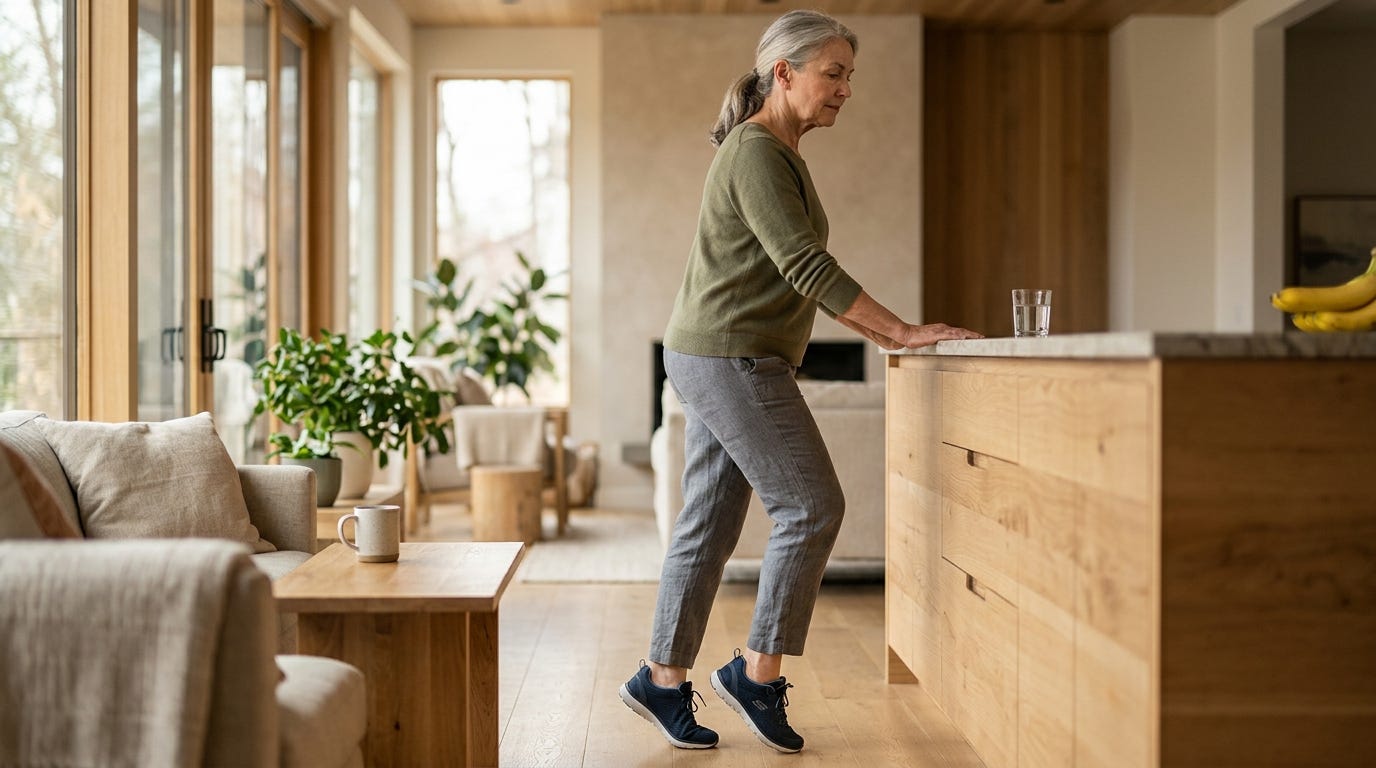
Walking is convenient, but walking itself isn’t the magic. The underlying principle is movement and muscle contraction.
That means there are plenty of alternatives. Maybe it’s raining. Maybe it’s freezing outside. Maybe you live somewhere that isn’t particularly walkable. Maybe you have young children and can’t simply leave the house.
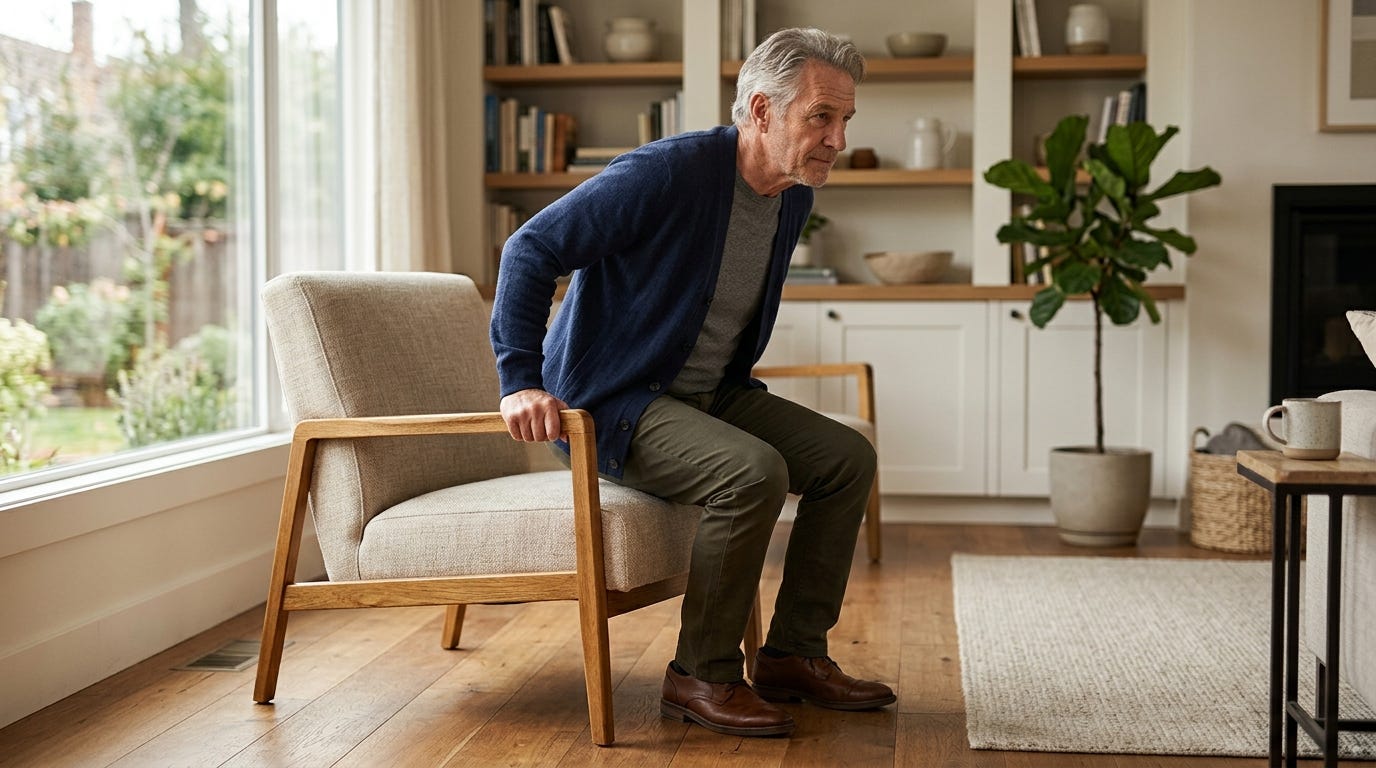
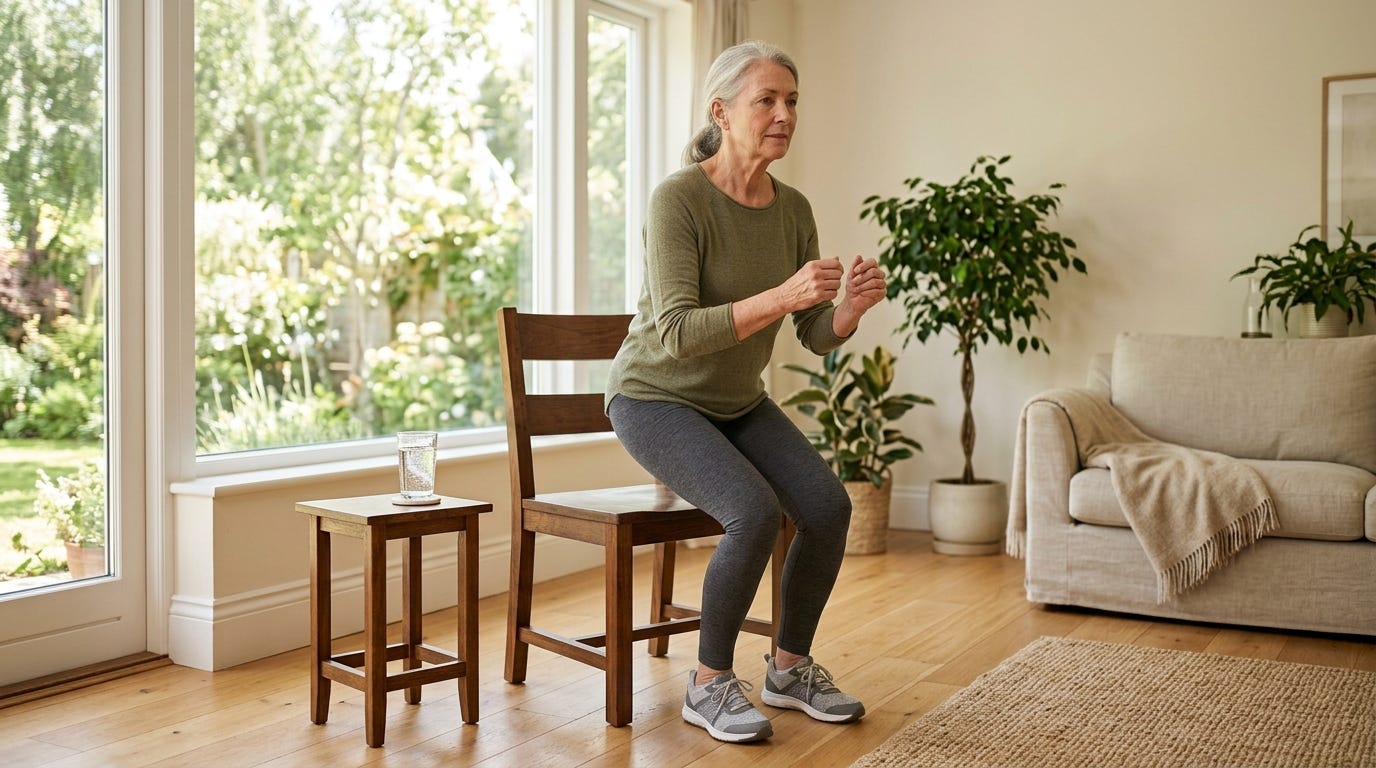
Walk around your home. Clean the kitchen. Put away laundry. Walk up and down the stairs if that’s appropriate for you. Use a stationary bike. Practice controlled sit-to-stands from a chair. Do some light household chores instead of immediately sitting down.
You don’t need to recreate a formal exercise session in your living room. The larger idea is simply to avoid automatically transitioning from eating directly into prolonged sitting.
Give your muscles something to do.
There’s a Bigger Lesson Here About Sitting
Modern life has created a strange situation. Many of us can exercise for 30 or 60 minutes and still spend almost the entire rest of the day sitting. We sit while driving, working, eating, watching television, scrolling through our phones, and relaxing.
That means someone can technically exercise regularly while still being remarkably sedentary during most of their waking hours.
This is why small bouts of movement throughout the day deserve more attention. Walking to the mailbox matters. Taking the stairs matters. Standing up from your desk matters. Carrying groceries matters. Walking after lunch matters. Walking after dinner matters.
None of these things individually replaces structured exercise. But together they create a completely different day than one spent almost entirely in a chair.
We tend to evaluate movement by asking, “Did I exercise today?” A better question may sometimes be: “How much of my day did I actually spend moving?”
Walking Helps. But Don’t Forget Strength.
There’s an even bigger metabolic lesson hiding inside the after-meal walk. The reason walking is interesting in the first place is partly because muscle itself is metabolically important.
That makes preserving muscle increasingly valuable as we age. Walking regularly uses your muscles and supports cardiovascular fitness, but resistance exercise provides something walking may not provide enough of: a stronger stimulus for maintaining strength and muscle.
That resistance can come from dumbbells, machines, resistance bands, bodyweight exercises, step-ups, squats, or other appropriate movements. Someone starting from a lower level of fitness might even begin by repeatedly practicing getting out of a chair.
You don’t need to become a bodybuilder. The goal is maintaining enough muscle and physical capacity that your body continues having plenty of useful tissue available to move, store fuel, perform daily tasks, and keep you active.
Think of the combination simply: walk regularly and challenge your muscles regularly.
Your Metabolism Doesn’t Stop at the Kitchen Table

We spend enormous amounts of time discussing what people should eat. Should you eat carbohydrates? How much protein do you need? Which fats are healthiest? Should you fast? Should you eat breakfast? Should you stop eating several hours before bed?
Those can all be useful questions, but nutrition doesn’t exist in isolation. Once food enters your body, your body has to do something with it.
Your digestive system breaks food down. Your intestines absorb nutrients. Your liver processes and stores them. Your hormones help regulate them. Your muscles use them. Your activity level changes the demand for energy. Your sleep, muscle mass, stress, and overall metabolic health can influence the entire process.
So instead of only asking “What should I eat?”, it may be worth asking another question: “What am I going to do after I eat?”
Sometimes the answer doesn’t need to be complicated.
Get up and move.
Bringing It Together

After you eat, nutrients begin entering your bloodstream. Carbohydrates can be broken down into glucose, and insulin helps your cells take up and manage that glucose. Your skeletal muscles represent one of the major places glucose can be used and stored, and when those muscles contract, their demand for energy increases.
That means one of the simplest things you can do after eating doesn’t require changing what’s on your plate. It happens afterward.
Walk around the block. Walk your dog. Walk around your house. Take the stairs. Clean the kitchen. Move your legs. You don’t need an hour, a gym membership, or the perfect workout.
Start with 10 minutes.
We spend so much time thinking about what we put into our bodies that we sometimes forget the other side of metabolism. Your body has to do something with all of that energy.
So the next time you finish eating, don’t overthink it. Get up, go for a walk, and give your muscles something to do.
Thank you!