

Hi friends,
Have you ever met someone in their 80s or 90s who still takes morning walks, tends to their garden, spends time with friends, and seems genuinely excited about life?
You might wonder what their secret is.
Is it genetics? Their diet? The fact that they’ve never missed a morning walk?
The truth is that healthy aging involves a combination of genetics, environment, access to healthcare, and everyday habits.

While researchers haven’t discovered a guaranteed formula for living to 100, decades of research have identified several behaviors consistently associated with healthier, longer lives.
And here’s something encouraging.
You don’t have to wait until you’re older to benefit from these habits. You can start building them today.
Let’s explore 10 habits worth paying attention to.
1. They Keep Moving Throughout the Day
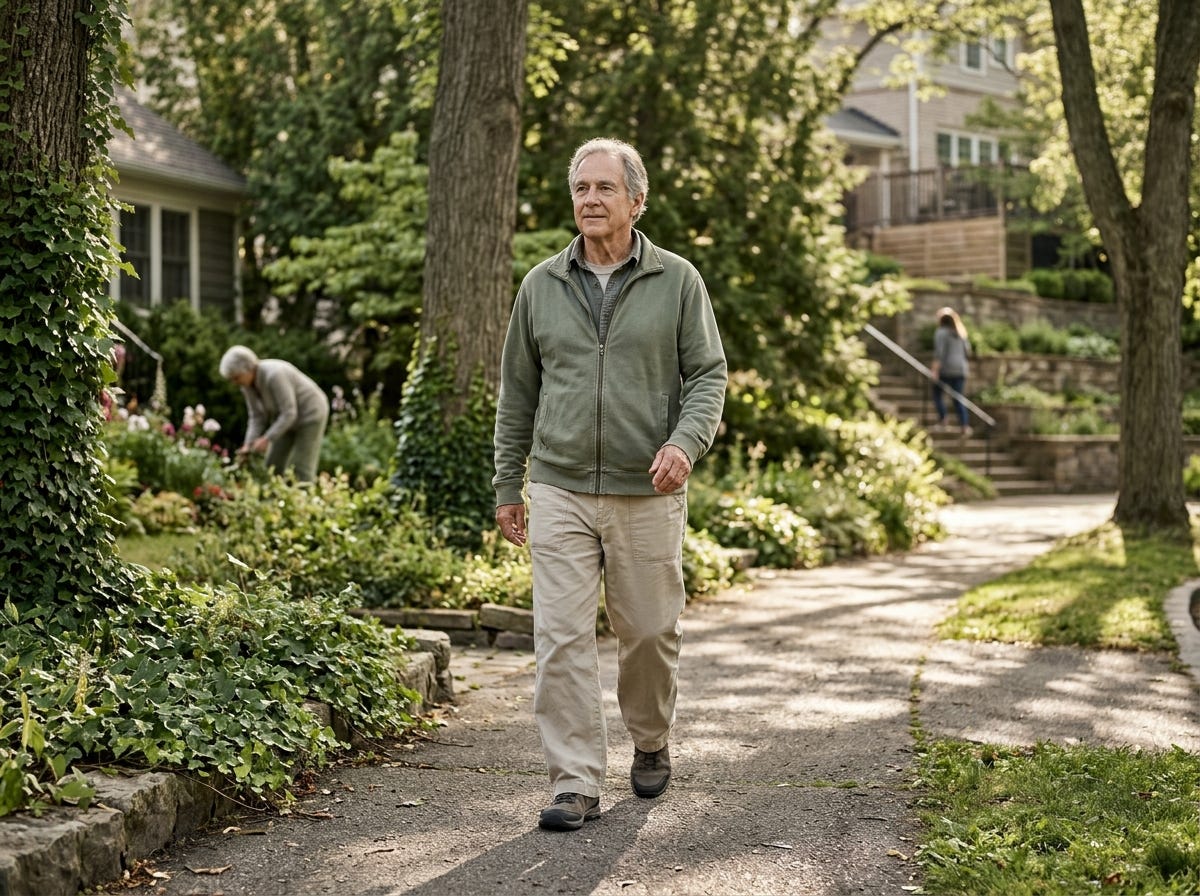
One common characteristic of healthy older adults is that they continue moving.
Walking, gardening, cleaning, dancing, and taking the stairs all contribute to daily physical activity.
Movement helps maintain cardiovascular health, regulate blood sugar, support mobility, and preserve independence.
For adults 65 and older, the CDC recommends at least 150 minutes of moderate-intensity aerobic activity weekly, along with strength and balance exercises.
Try this: Take a 10-minute walk after meals, stand up regularly throughout the day, and find activities you genuinely enjoy.
Consistency matters more than having an elaborate exercise routine.
2. They Prioritize Strength, Not Just Cardio

Muscle becomes increasingly important as we age.
Without regular resistance exercise, we gradually lose muscle mass and strength, affecting balance, metabolism, and our ability to perform everyday activities.
Strength training helps preserve the muscles needed to carry groceries, climb stairs, get out of chairs, and maintain independence.
And you don’t need to become a bodybuilder.
Try this: Include resistance exercises two or three times per week. Squats, resistance bands, wall push-ups, and light weights are excellent starting points.
Even people in their 80s and 90s can improve strength with appropriately supervised training.
Want to Take a More Personalized Approach to Healthy Aging?
Your nutrition, lifestyle, and health needs can change as you get older.
Our Certified Integrative Health Practitioners can help you evaluate your current habits, identify areas that may need attention, and explore practical strategies to support your long-term health.
Speak With Our Certified Integrative Health Practitioners:
Schedule your FREE consultation today:
3. They Eat Mostly Nutrient-Dense Foods

There’s no single longevity diet that everyone must follow.
However, dietary patterns associated with longer lives tend to emphasize vegetables, fruits, legumes, whole grains, nuts, and other minimally processed foods.
These foods provide fiber, vitamins, minerals, and beneficial plant compounds.
Protein is especially important for maintaining muscle as we age.
Think beans, lentils, eggs, fish, Greek yogurt, nuts, and colorful vegetables.
Try this: Build meals around vegetables, a quality protein source, and fiber-rich carbohydrates.
You don’t need perfect meals. You need a consistent pattern of nourishing your body.
4. They Address Nutritional Gaps When Food Isn’t Enough
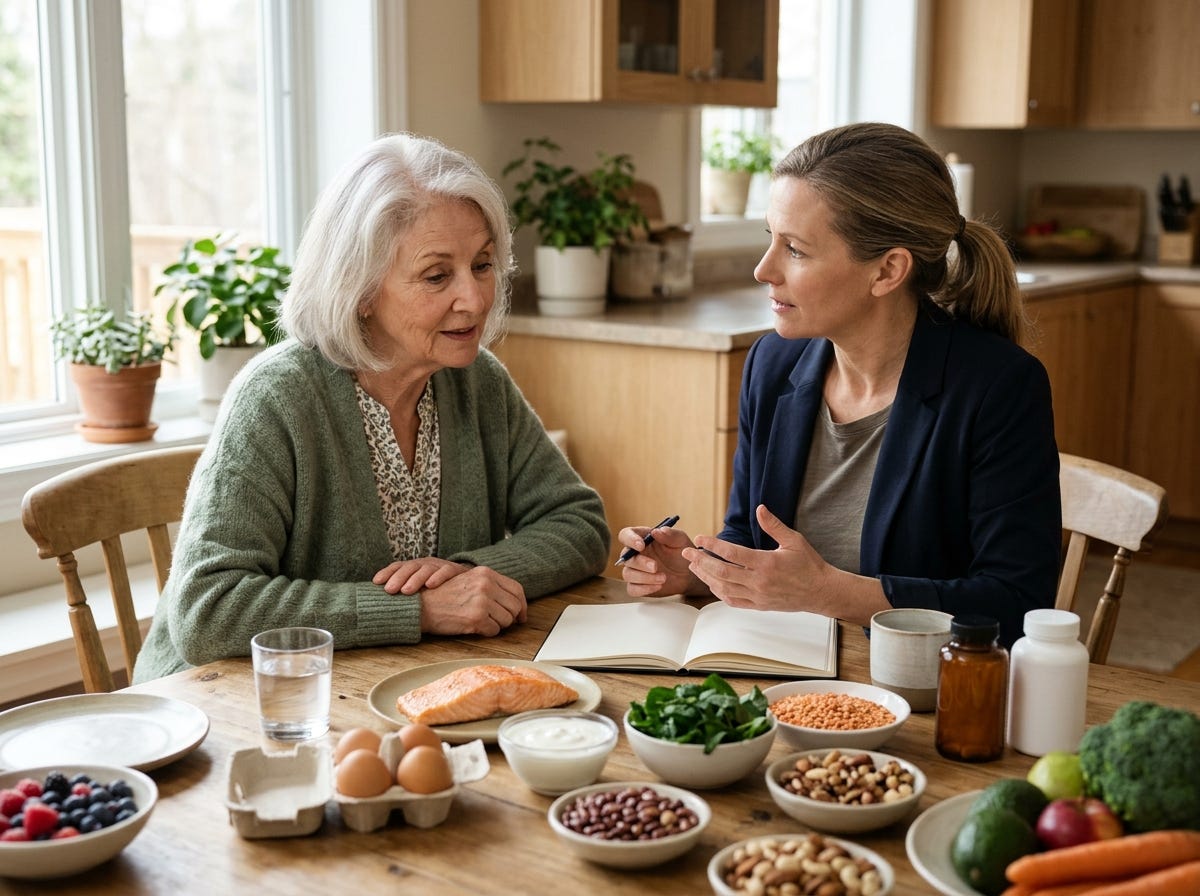
We believe that getting nutrients from whole foods should always be the starting point.
But here’s something important.
Even people who eat healthy diets may not always meet every nutritional need.
Age-related changes in nutrient absorption, dietary restrictions, certain medications, and individual health conditions can make it more difficult to obtain adequate amounts of some nutrients.
For example:
Vitamin B12: Absorption can decline with age or certain medications, making supplementation necessary for some people.
Vitamin D: Limited sun exposure and dietary intake can contribute to inadequate vitamin D levels.
Calcium: Some older adults struggle to meet their daily needs through food alone.
Protein: Older adults with low appetites may have difficulty consuming enough to maintain muscle mass.
Iron: Supplementation may be appropriate when iron deficiency is confirmed, but unnecessary iron can be harmful.
This is where carefully selected supplements can play a useful role.
However, not every supplement is created equal.
Quality, dosage, ingredient forms, third-party testing, and potential medication interactions all matter.
And more isn’t always better.
Try this: Review your diet and any suspected deficiencies with a qualified healthcare professional before adding supplements.
Not Sure Which Supplements Are Worth Taking?
At Holistic Magazine, we’ve reviewed more than 50 supplement brands to better understand differences in ingredient quality, formulation, transparency, and testing.
Our Certified Integrative Health Practitioners can help you navigate your options, discuss your nutritional needs, and determine when professional testing or further medical evaluation may be appropriate.
Book your FREE consultation to learn more about the supplements and nutritional strategies we recommend.
5. They Maintain Meaningful Relationships

Your relationships may influence your health more than you realize.
Research has linked loneliness and social isolation with greater risks of cardiovascular disease, depression, and cognitive decline.
Meaningful relationships provide emotional support, encouragement, and opportunities to stay active.
And it’s not necessarily about having hundreds of friends.
A few dependable relationships can make a meaningful difference.
Try this: Call an old friend, schedule a weekly family dinner, join a community group, or reconnect with someone you’ve been meaning to contact.
Your social health deserves attention alongside your physical health.
6. They Protect Their Sleep

Sleep is one of the most overlooked parts of healthy aging.
While we sleep, our bodies regulate important processes involving memory, metabolism, immune function, and recovery.
Poor sleep can affect blood sugar regulation, mood, concentration, and cardiovascular health.
Contrary to popular belief, older adults still need adequate sleep, generally around seven to nine hours for most adults and seven to eight hours for those over 65.
Try this: Maintain consistent sleep and wake times, get natural light in the morning, and limit caffeine later in the day.
If you regularly wake up exhausted despite adequate sleep, consider discussing possible underlying causes with your healthcare professional.
7. They Have a Reason to Get Up Every Morning
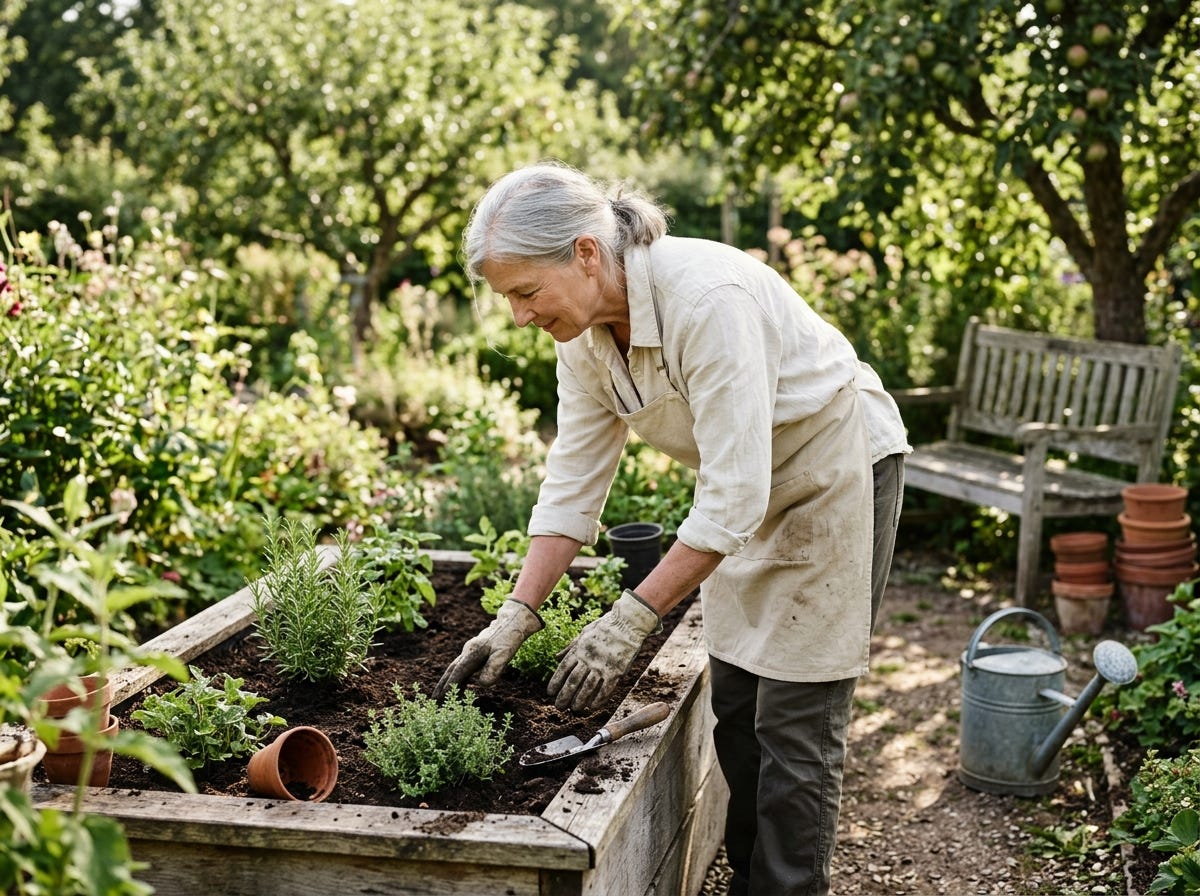
Having a sense of purpose may be an important part of healthy aging.
Some research has found that people reporting a stronger sense of purpose tend to experience better health outcomes and lower mortality risk.
Purpose can come from many places.
Raising grandchildren. Volunteering. Gardening. Mentoring younger generations. Caring for a pet. Learning something new.
You don’t need an extraordinary mission.
Try this: Ask yourself what makes your days feel meaningful and intentionally make more room for it.
Having something to look forward to can contribute to a richer, more fulfilling life.
Healthy Aging Starts With Understanding Your Body
Many people focus on eating better and exercising more but overlook potential nutritional gaps, sleep concerns, and other factors that may affect how they feel.
Our Certified Integrative Health Practitioners can help you take a closer look at your current routine and explore personalized approaches to nutrition, supplementation, and healthy aging.
And because we’ve reviewed more than 50 supplement brands, we can share what we look for when evaluating quality and formulations.
Schedule your FREE consultation and take the next step toward better health.
8. They Find Ways to Manage Stress

Stress is unavoidable, regardless of age.
But prolonged stress can interfere with sleep, influence blood pressure, and make healthy routines harder to maintain.
People who age well often develop ways to recover from life’s challenges.
Some spend time outdoors. Others practice meditation, pray, exercise, or talk with people they trust.
There’s no single perfect stress-management technique.
Try this: Spend 10 minutes daily doing something that helps you unwind.
A short walk, breathing exercise, or quiet moment without your phone can be a useful starting point.
9. They Keep Their Minds Engaged

Healthy aging involves more than maintaining physical strength.
Our brains benefit from continued learning, meaningful activities, and social engagement.
Reading, learning languages, playing instruments, volunteering, and participating in hobbies can provide cognitive stimulation.
Although no single activity guarantees protection against dementia, staying mentally and socially engaged is associated with better well-being.
Try this: Challenge yourself to learn something new every month.
It might be a recipe, hobby, language, or skill you’ve always wanted to explore.
Curiosity doesn’t have an expiration date.
10. They Take Preventive Healthcare Seriously

Some of the most important longevity habits aren’t particularly exciting.
They involve monitoring blood pressure, managing cholesterol, following recommended screenings, avoiding tobacco, and addressing health concerns early.
Many chronic conditions develop gradually without obvious symptoms.
Regular medical visits can help identify risk factors before they lead to more serious complications.
And preventive care can include reviewing your nutritional status, medications, and supplement use.
Try this: Review your recommended screenings, vaccinations, medications, and cardiovascular risk factors with your healthcare professional.
Prevention can be one of the most valuable investments you make in your future health.
The Most Important Lesson About Longevity

Here’s what we hope you’ll remember.
Living longer is valuable. But living well during those extra years matters just as much.
The goal is to maintain the strength to enjoy your hobbies, the energy to spend time with loved ones, and the independence to continue doing the things that matter to you.
And while we can’t control every factor involved in aging, we can influence many of the habits that support our health.
Move regularly. Eat nourishing foods. Protect your sleep. Stay connected to people you love.
And when your diet alone doesn’t meet your nutritional needs, appropriately chosen supplements may help fill the gaps.
You don’t need to change everything overnight.
Start with a few habits you can realistically maintain, and build from there.
Ready to Invest in Your Long-Term Health?
At Holistic Magazine, we believe better health starts with better information and personalized guidance.
Our Certified Integrative Health Practitioners can help you explore your nutritional needs, lifestyle habits, and supplement options.
We’ve reviewed over 50 supplement brands, examining factors such as formulation, ingredient quality, testing, and transparency to help inform our recommendations.
Whether you’re looking to improve your energy, support healthy aging, or better understand which supplements may be appropriate for you, we’re here to help.
Schedule your FREE consultation today.
Because the best time to start investing in your future health isn’t when you turn 80.
It’s today.
Here’s to more healthy years, more meaningful moments, and a life well lived.
Holistic Magazine
What I like most is that none of these habits needs a gym or a gadget: a walk after meals, standing up often, time with friends. And thank you for saying it plainly: there's no guaranteed formula, just habits that keep showing up in people who age well.