

Hi friends,
Antibiotics can be life-saving. In acute infections, they reduce complications and prevent serious outcomes.
But they are not selective.
They reduce pathogenic bacteria.
They also reduce commensal bacteria.
They shift diversity.
They alter short-chain fatty acid production.
And they change immune signaling in the gut.
For some people, recovery is smooth. For others, digestion, energy, mood, and skin feel different for months.
The question is not whether antibiotics are sometimes necessary.
The better question is how to support the terrain after the disruption.
🌿 IN LESS THAN 10 MINUTES WE’LL COVER:
What antibiotics actually change in the gut
Why diversity matters more than “good vs bad bacteria”
When probiotics help and when they don’t
The role of fiber and resistant starch
A practical recovery framework
What Antibiotics Actually Do
The gut microbiome is an ecosystem. Hundreds of species compete, cooperate, and regulate each other.
Antibiotics reduce bacterial load broadly. In the short term, this lowers diversity. Some strains rebound quickly. Others recover slowly. A few may not return without dietary pressure.
Lower diversity can influence bowel regularity, bloating patterns, immune tone, histamine tolerance, and even mood stability.
The gut produces short-chain fatty acids like butyrate, which support colon cell integrity and regulate inflammation. When microbial diversity drops, butyrate production often drops with it.
The goal is not to “replace bacteria,” it’s to restore ecosystem resilience.
Why Diversity Is the Real Target
Many people focus on adding a probiotic immediately.
Probiotics can be helpful. But they are transient in most cases. They pass through more than they permanently colonize.
What shifts long-term composition is substrate.
Bacteria grow based on what you feed them.
Diversity grows when:
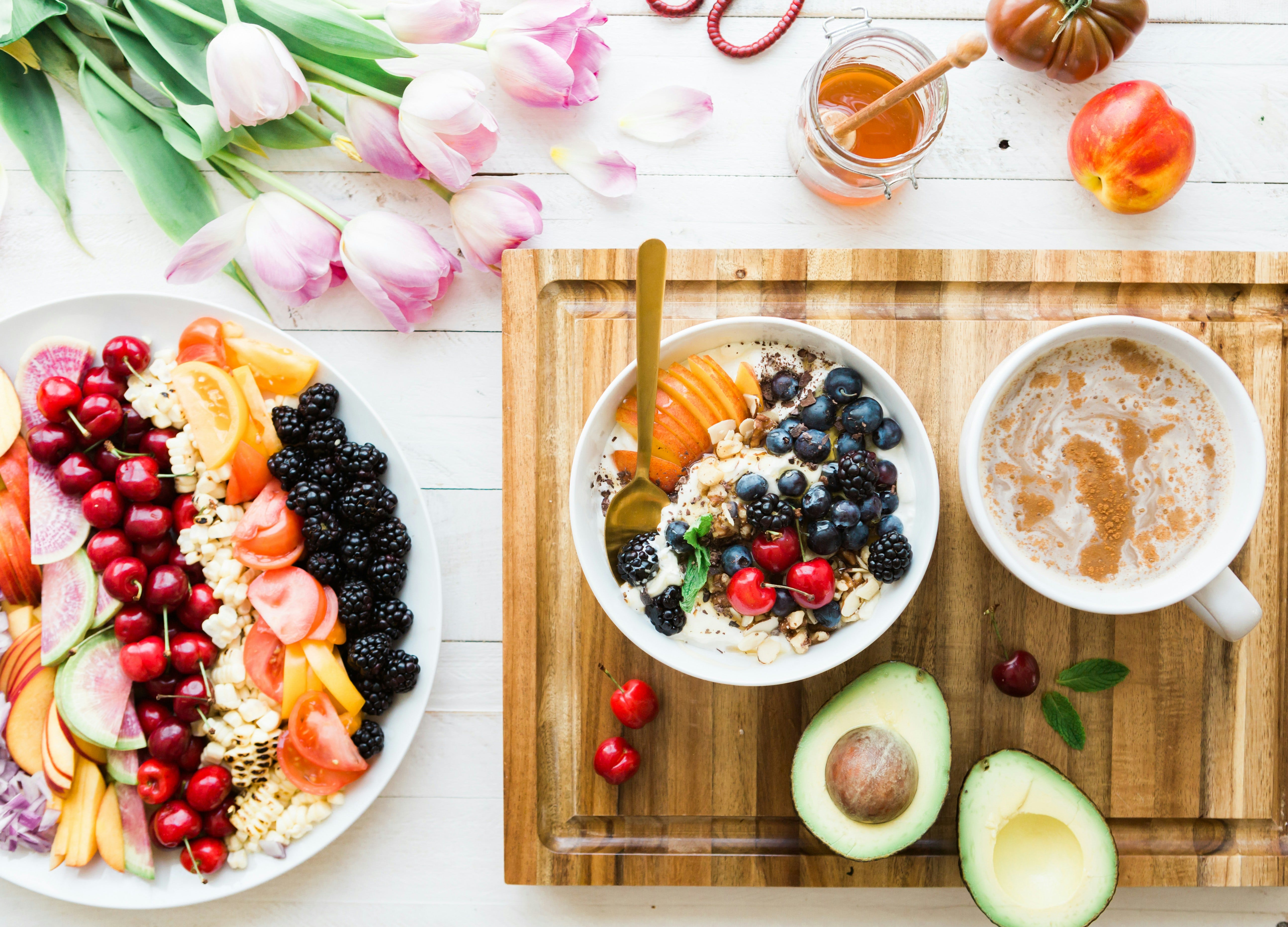
Fiber variety increases
Polyphenol intake increases
Resistant starch is present
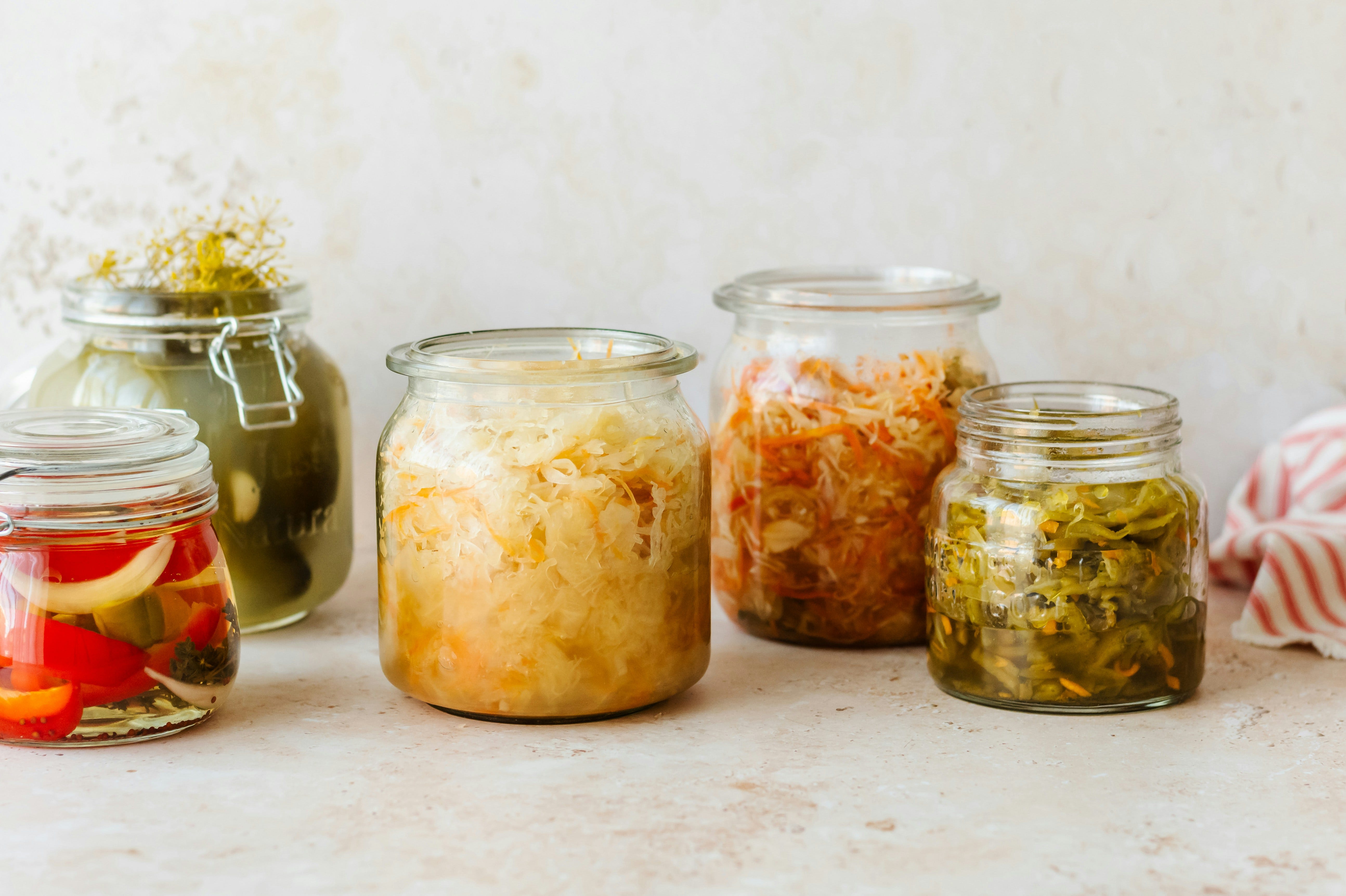
Fermented foods are tolerated
Rebuilding the gut is less about seeding and more about feeding.
A Note From Holistic Magazine…
Health is everything. It shapes your energy, digestion, mood, and long-term resilience.
If you value grounded, research-informed guidance that looks at systems instead of trends, please consider upgrading to the paid subscription. Your support allows us to continue bringing practical wellness information to more people.
For just $8 per month, you’ll receive deeper protocols, structured guides, and ongoing frameworks on topics like gut repair, mineral balance, anti-aging strategies, detox support, and food-first healing.
We’ve just released two new premium guides:
An Apothecarist’s Guide to Honey Remedies
A 40-page deep dive with a concise 1-page summary for quick reference.The Supplement Timing Guide
A practical breakdown of when and how to take common supplements for better absorption and fewer unintended interactions.
Next week, we’re releasing our newest 40-page guide on Mineral Repletion, a comprehensive framework for rebuilding foundational mineral status in a modern diet.
Upgrade to support the mission and access premium content.
When Probiotics Make Sense
Probiotics can be helpful:
During antibiotic use to reduce diarrhea risk
Immediately after to reduce opportunistic overgrowth
In cases of antibiotic-associated loose stools
Strains like Lactobacillus and Saccharomyces boulardii are often studied in this context.
But more is not always better.
Some people experience bloating, histamine reactions, or brain fog from high-dose multi-strain products. That often signals a gut that needs gradual rebuilding, not aggressive repopulation.
Start low. Assess tolerance. Build slowly.
The Fiber Conversation
Fiber is not one thing.
Soluble fiber feeds bacteria and produces short-chain fatty acids.
Insoluble fiber supports motility.
Resistant starch feeds butyrate-producing organisms.
After antibiotics, the gut lining may be more sensitive. Introducing fiber gradually is important.
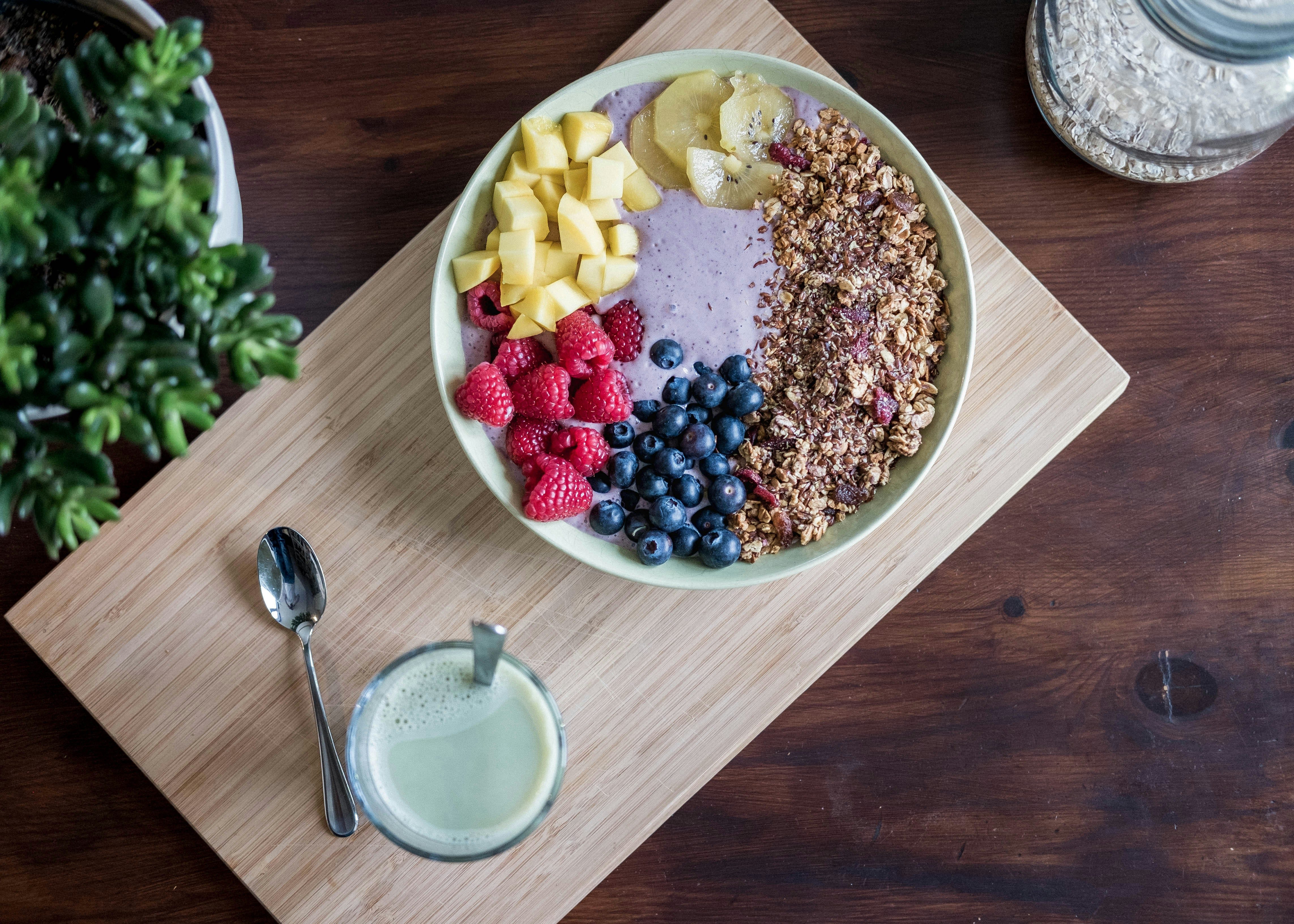
Examples include:
Cooked and cooled potatoes or rice
Oats
Green bananas
Lentils
Flax or chia seeds
Variety matters more than volume.
Supporting the Terrain
Antibiotics can temporarily alter stomach acid, bile flow, and intestinal motility.
Supporting digestive capacity improves microbial recovery.
Practical considerations:
Prioritize protein to support mucosal repair
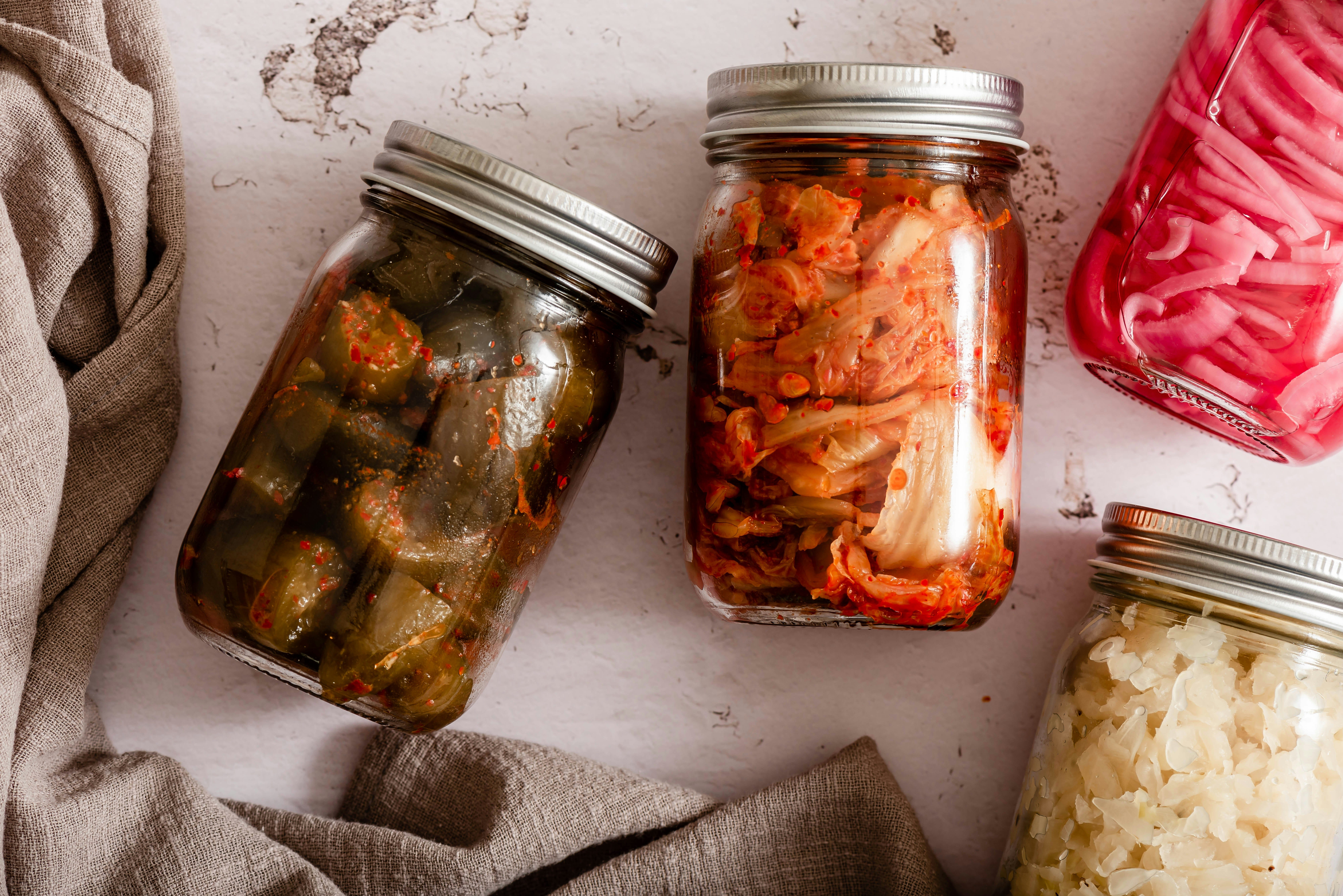
Include fermented foods if tolerated
Maintain regular meal timing
Support sleep to regulate immune repair
Avoid ultra-processed foods during recovery
The immune system and microbiome are intertwined. If stress remains high, recovery slows.
Research Insights
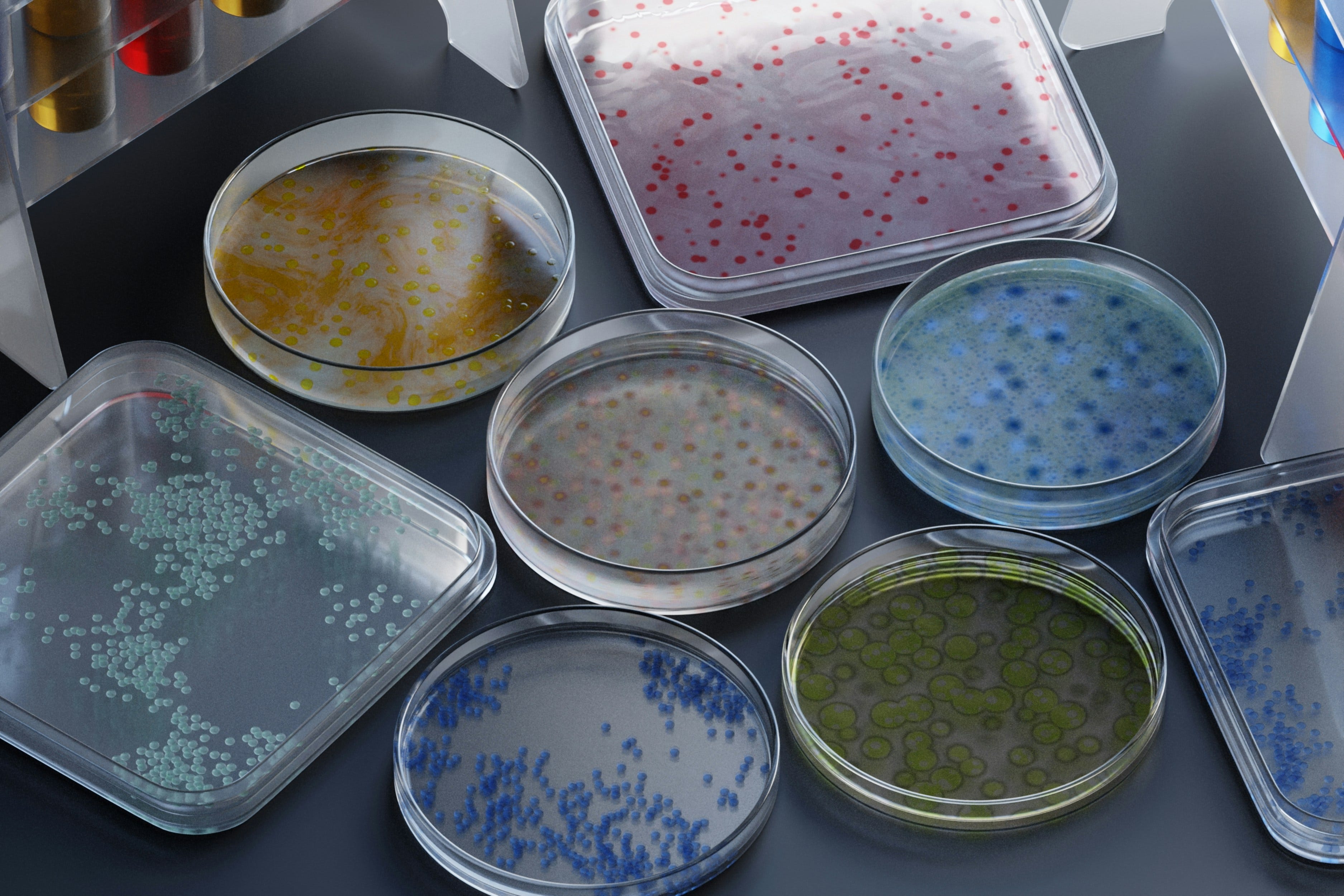
New research shows that microbiome diversity often begins to rebound within weeks after antibiotics, but full recovery can take months and depends heavily on diet quality and diversity.
Some studies suggest that immediate high-dose probiotic supplementation may delay the natural re-establishment of certain native strains in some individuals. This reinforces the importance of individualized pacing.
Food diversity appears consistently protective in long-term microbial stability.
Practical Framework
Week 1–2
Gentle fiber introduction
Light fermented foods if tolerated
Emphasize whole foods and protein
Avoid heavy alcohol and processed sugar
Week 3–4
Increase fiber variety
Add resistant starch
Consider low-dose probiotic if symptoms persist
Month 2+
Focus on dietary diversity
Maintain consistent meal rhythm
Continue strength training and stress regulation
The gut does not need force.
It needs stability.
Why This Matters
The microbiome isn’t separate from mood, immunity, or metabolic health. It’s woven into all of it, influencing how we digest, regulate inflammation, respond to stress, and produce energy. After antibiotics, the body isn’t broken. It’s recalibrating and trying to restore balance within a complex ecosystem. The goal isn’t to chase perfection or force rapid correction, but to support resilience over time by creating the conditions that allow the system to rebuild in a stable, sustainable way.