


Hi friends,
Most people think digestion begins when food reaches the stomach.
But physiologically, digestion starts earlier.
It starts in the brain.
Before the first bite of food even reaches the stomach, the body begins preparing the digestive system. The sight, smell, and anticipation of food activate neural pathways that signal the stomach, pancreas, liver, and intestines.
This early stage is known as the cephalic phase of digestion, and it quietly controls a significant portion of digestive activity.
When this signaling works smoothly, the digestive system prepares itself in advance.
When the signaling becomes disrupted, digestion often feels slower, heavier, or less efficient.
Many digestive symptoms actually begin before food even reaches the stomach.
In Less Than 10 Minutes, We’ll Cover
Why digestion begins in the brain
How the nervous system activates stomach acid and digestive enzymes
Why stress can weaken digestive signaling before the first bite
Symptoms that sometimes appear when this signaling is disrupted
5 simple things you can do before meals to support digestion
Love What We Share?
Help us keep this work going by becoming a paid subscriber.
Our goal is to elevate wellness information and help people stay healthy instead of only seeking treatment after problems appear.
Your support allows us to continue publishing long-form guides, structured protocols, and practical checklists designed to help people better understand how their bodies work.
Paid subscribers also gain access to our exclusive growing premium library.
Here are some of our most recent premium articles:
We expand the premium library every week. Thank you for supporting the work.
The Cephalic Phase of Digestion
The cephalic phase is the body’s anticipatory digestive response.

When the brain detects food through sight, smell, taste, or even thought, it activates the vagus nerve and begins preparing the digestive system.
During this phase the body increases:
saliva production
stomach acid secretion
digestive enzyme release
pancreatic activity
bile flow
Research suggests that 20–30% of digestive secretions may occur before food even reaches the stomach.
In other words, digestion is already underway before the first bite is swallowed.
The Brain–Gut Connection
This early phase is largely controlled by the vagus nerve, one of the main communication pathways between the brain and digestive system.
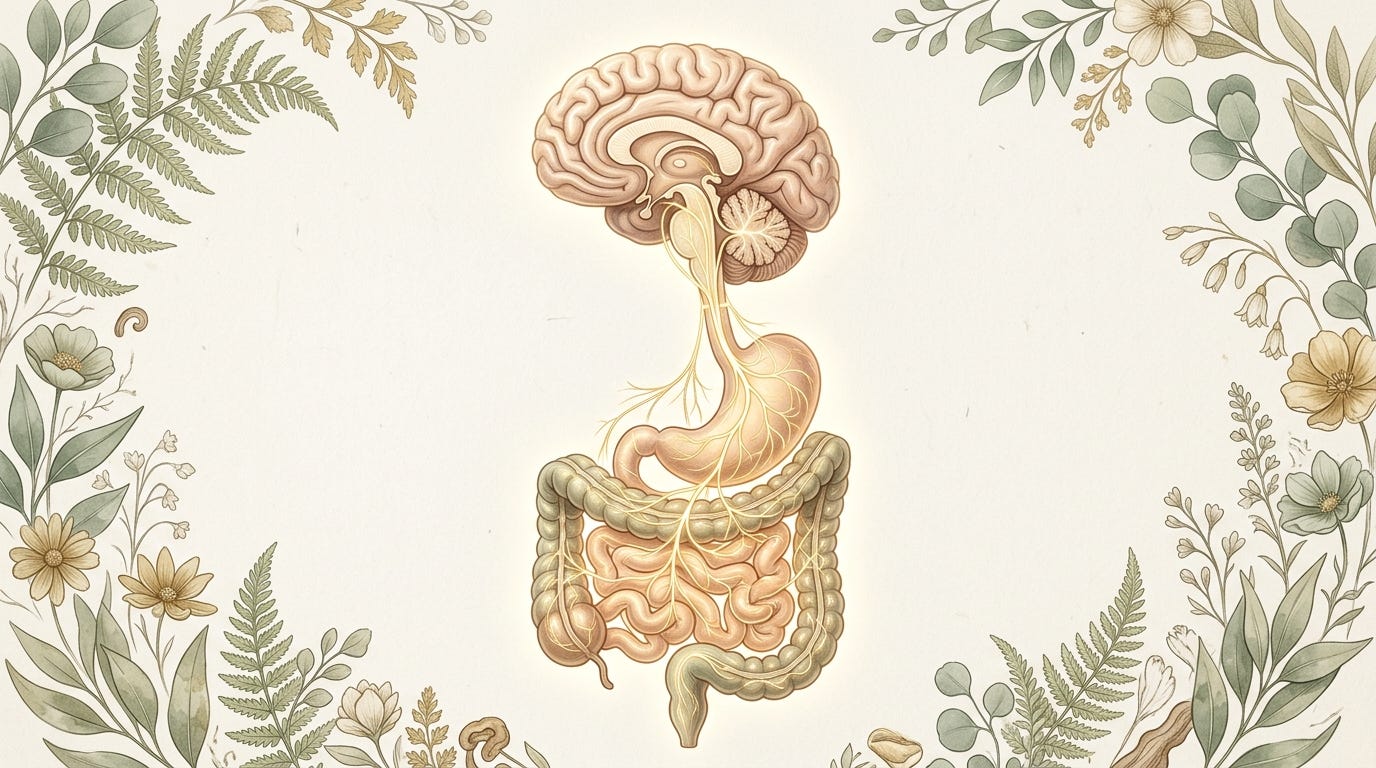
The vagus nerve helps coordinate signals that regulate:
stomach acid production
enzyme secretion
gut motility
blood flow to digestive organs
communication between gut and brain
When this signaling is functioning well, the digestive system tends to break down food more efficiently and absorb nutrients more effectively.
But when the nervous system is under chronic stress, the body often prioritizes survival over digestion.
Why Stress Disrupts Digestion
When the body enters a stress response, the nervous system shifts into what is often called a fight-or-flight state.

During this state:
blood flow shifts toward muscles
digestive secretions may decrease
stomach acid production can drop
gut motility may slow or become irregular
As a result, people may experience symptoms such as:
bloating
reflux
feeling overly full after meals
sluggish digestion
inconsistent appetite
The digestive system itself is not necessarily damaged.
Often the signaling that activates digestion has simply changed.
5 Simple Things You Can Do Before Meals to Improve Digestion
Because digestion begins in the brain, small habits before eating can significantly influence how the digestive system performs.
These shifts are simple, but they help activate the early digestive phase.
1. Slow Down Before You Eat
Taking a moment to pause before meals can help shift the nervous system into a more relaxed state.

Even 30–60 seconds of slowing down can signal the body that it is safe to begin digestion.
Some people find it helpful to take a few slow breaths before eating.
2. Engage Your Senses
The brain begins digestive signaling when it perceives food through sight and smell.
Taking a moment to notice the appearance and aroma of food helps activate the cephalic phase.

This sensory engagement may help stimulate saliva, enzymes, and stomach acid.
3. Chew Thoroughly
Chewing does more than mechanically break down food.

It also stimulates digestive signaling and saliva production.
Slower chewing allows enzymes in saliva to begin breaking down carbohydrates and sends signals to the stomach that food is arriving.
4. Reduce Distractions During Meals
Eating while scrolling, working, or rushing can keep the nervous system in a partially stressed state.
Creating a more focused eating environment helps the brain direct attention toward digestion.

Even small shifts, such as putting away a phone during the first few minutes of a meal, may help.
5. Eat in a Calm Environment
The digestive system tends to function best when the nervous system perceives safety.

Eating in a calm environment, even briefly, can help support digestive signaling.
This does not require a perfect setting.
Often it simply means giving the body a moment to settle before beginning a meal.
Why Small Signals Matter
The body responds strongly to small signals that indicate safety and readiness.

Digestion is not simply a mechanical process of breaking down food.
It is a coordinated system involving the brain, nervous system, hormones, and digestive organs.
Small habits before meals may seem simple, but they help communicate important signals to the body.
Signals that digestion can begin.
Signals that nutrients are on the way.
Signals that the body can move into a state of repair rather than defense.
Over time, these small signals can shape how smoothly digestion works day to day.
Why This Matters
The body rarely works in isolated systems.
Digestion is not simply a stomach process. It is a coordinated interaction between the brain, nervous system, and digestive organs.
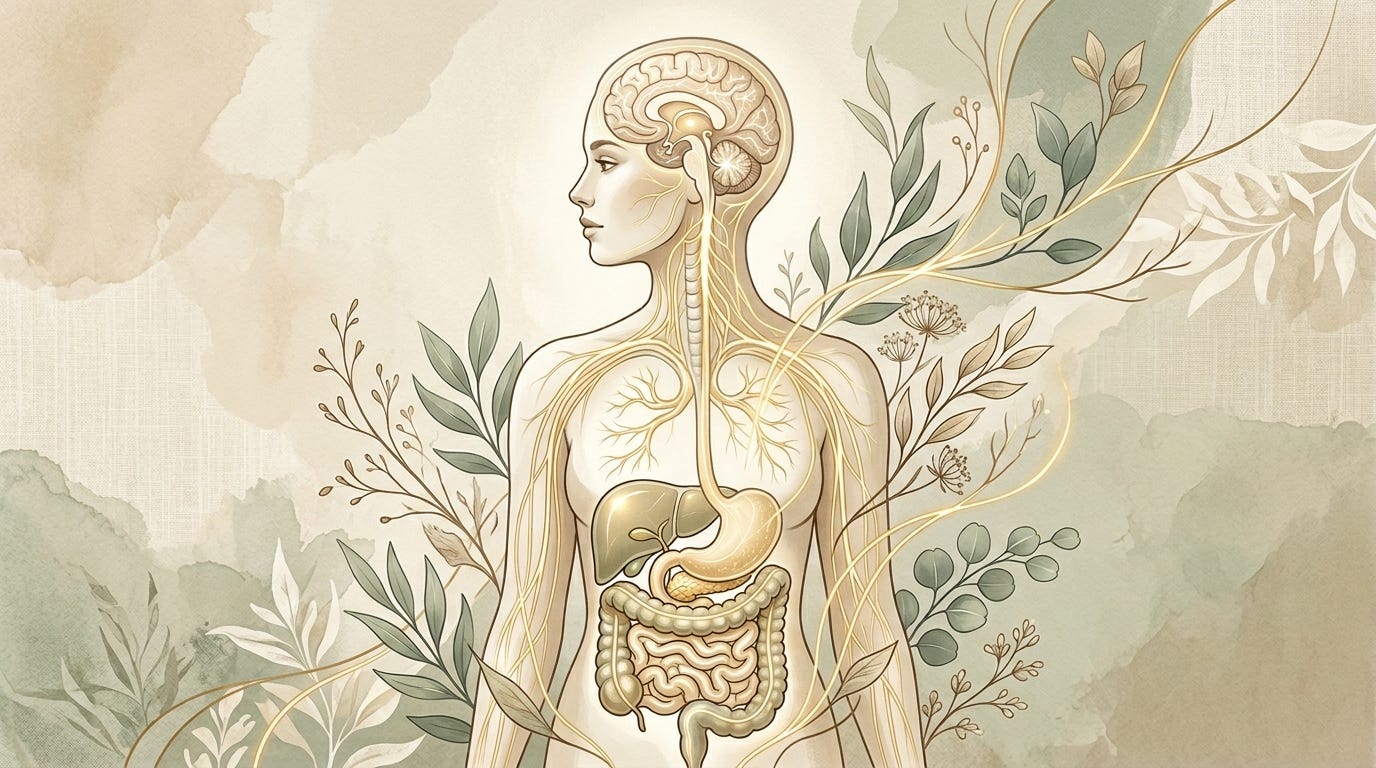
When this coordination works smoothly, digestion tends to feel easier and more predictable.
Energy after meals becomes steadier. Bloating may decrease. Nutrient absorption improves.
Sometimes the most important part of digestion happens before the first bite.
If You Want to Go Deeper
If this topic interests you, the Digestive Foundations Guide explores the key systems that regulate digestion, including stomach acid, enzyme activity, gut motility, and nervous system signaling.
It also includes practical checklists and simple protocols designed to help people understand how these systems interact.
Paid members receive access to our growing library of structured guides, including:
For $8 per month, you’ll gain access to long-form guides, printable checklists, and deeper breakdowns designed for real life.
We expand the premium library every week.
Thank you for reading and supporting our work!