


Hi friends,
A lot of people are starting to use spices for health.
Turmeric, cinnamon, ginger, garlic.
They’re simple, accessible, and already part of most kitchens.
So naturally, people begin adding more of them into their routine, hoping to support digestion, reduce inflammation, or improve energy.
But results can feel inconsistent.

Sometimes they help, sometimes they don’t feel like they’re doing much, and sometimes they even feel irritating.
Most of the time, it comes down to how they’re being used and what your body needs in that moment.
In Less Than 10 Minutes, We’ll Cover:
Why spices affect people differently
When common spices tend to work well
When to be more thoughtful using them
How to match spices to how you feel
Simple ways to use them without overdoing it
Before We Begin…
What you’re reading here is the foundation.
Knowing which spices to use is helpful but knowing how to use them based on your body makes the difference.
Paid subscribers get:
structured protocols using food, herbs, and spices
timing strategies based on digestion and energy patterns
deeper breakdowns of what to use and when
Along with access to our full guide library, including:
If you want a clear system instead of guessing, you can upgrade below.
Why Spices Feel Different Day to Day

Spices don’t act in isolation.
They interact with:
your digestion
your current stress level
your body temperature
how recently you’ve eaten
On a day when digestion feels strong, warming spices can feel supportive.
On a day when your system feels sensitive or overstimulated, those same spices can feel like too much.
This is why something that worked last week might not feel the same today.
Warming vs Cooling Matters More Than Most People Think
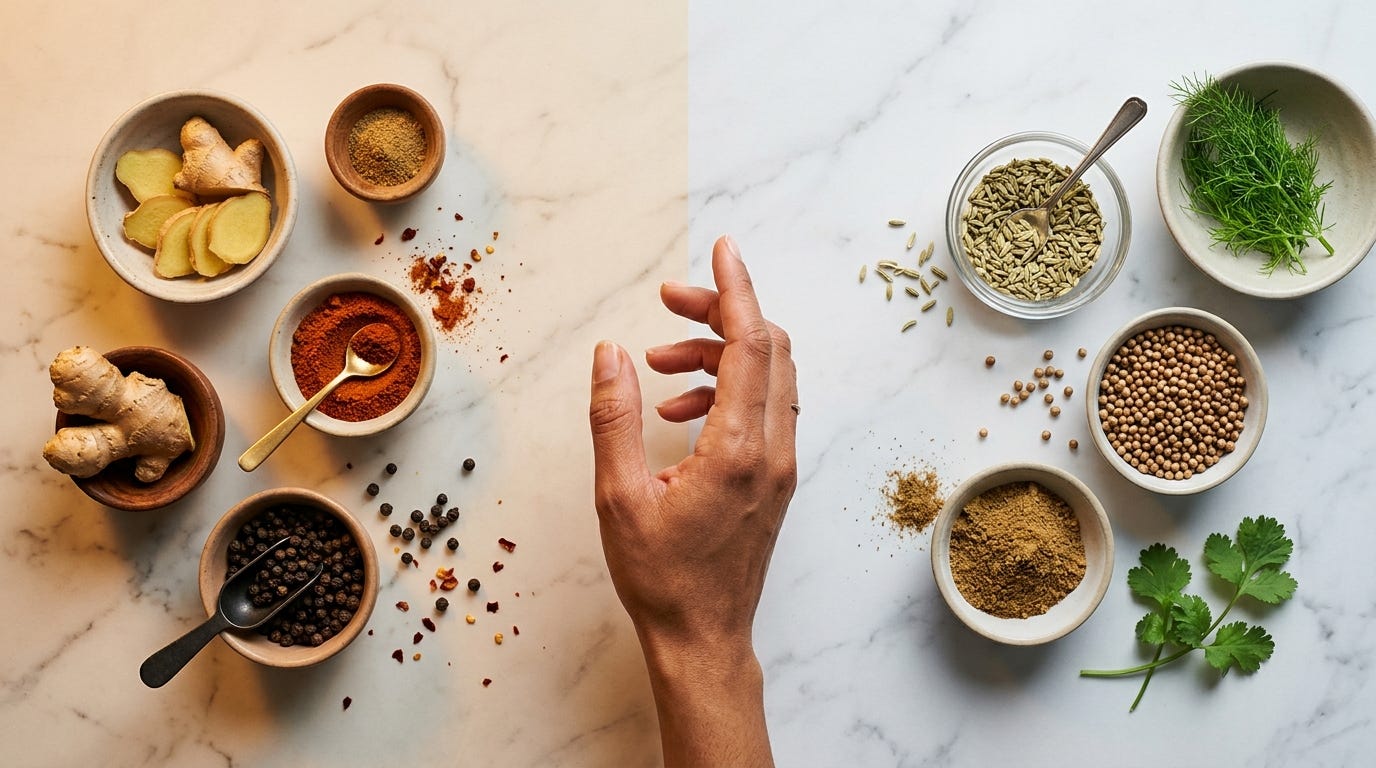
Many spices gently shift the body in one direction.
Some tend to warm and stimulate:
ginger
cayenne
black pepper
Others tend to cool and settle:
coriander
fennel
Neither is better.
It depends on how you feel.
If your body already feels warm, restless, or irritated, adding more heat can amplify that.
If your body feels cold, slow, or low energy, warming spices can help bring things back online.
12 Spices + When to Be More Thoughtful
1. Turmeric
Helpful for inflammation and joint support, especially when paired with fat and black pepper
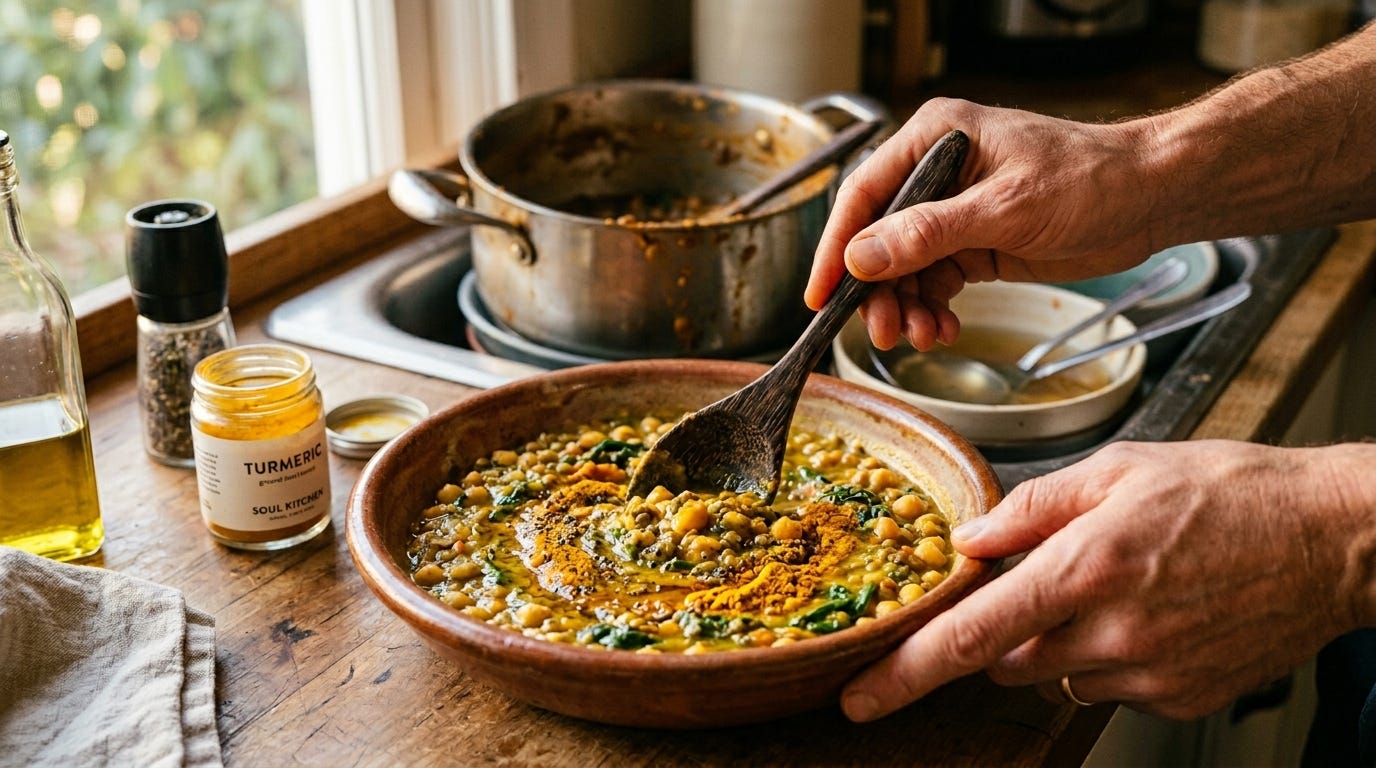
Be mindful if digestion feels weak or sluggish, as it can feel heavy for some people
2. Cinnamon
Helpful for supporting blood sugar balance and reducing cravings
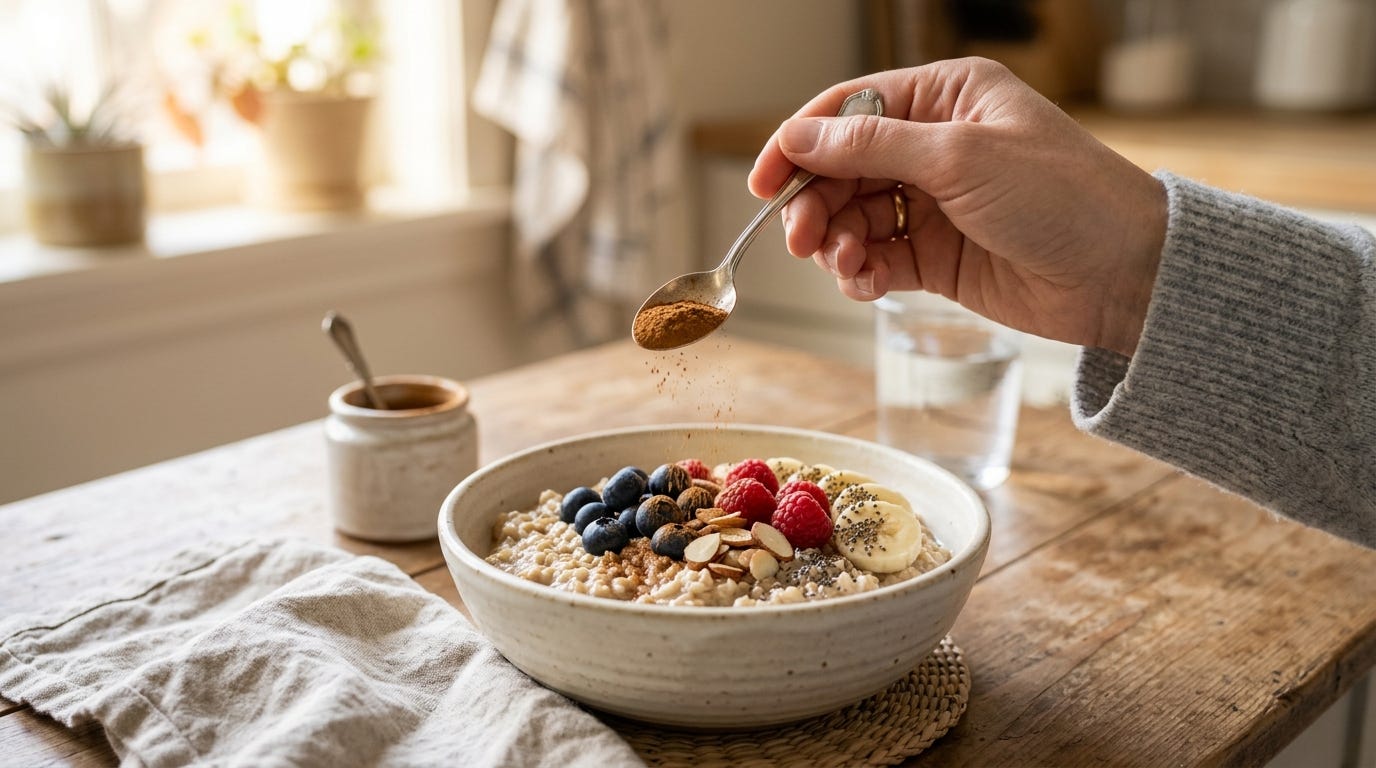
Be mindful if you’re already under-eating or dealing with low energy, as it can suppress appetite further
3. Ginger
Helpful for digestion, nausea, and circulation
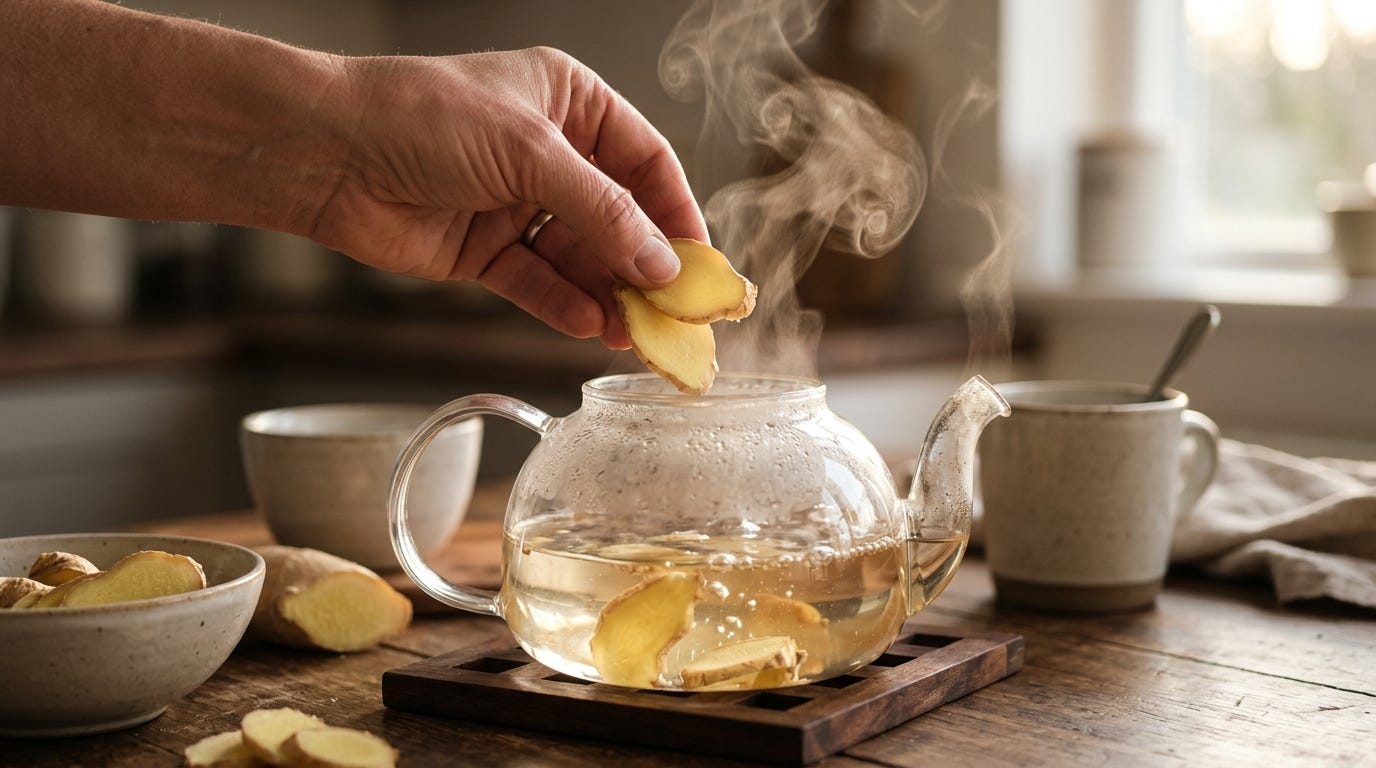
Be mindful if you tend to feel overheated or run warm, as it can add to that sensation
4. Garlic
Helpful for immune support and microbial balance
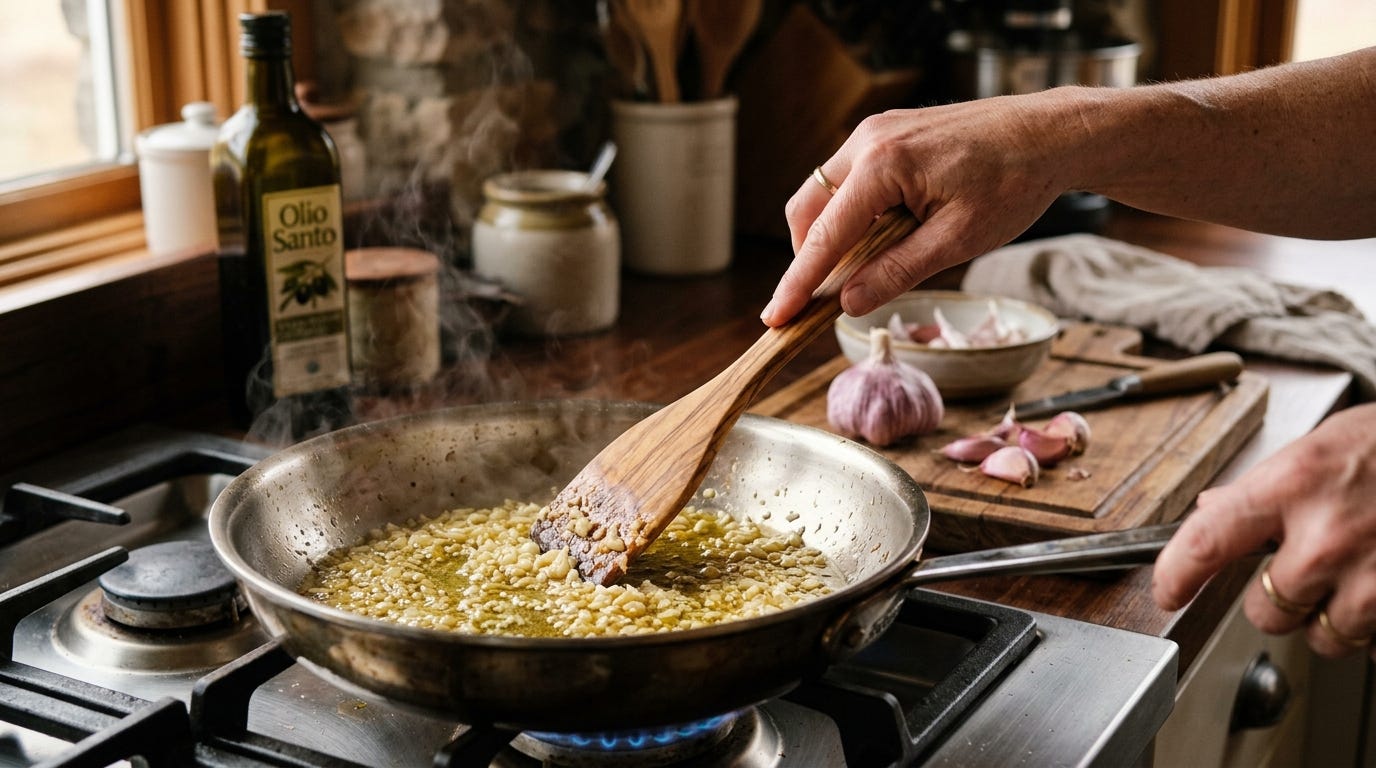
Be mindful if your gut feels irritated or sensitive, especially in raw forms
5. Cayenne
Helpful for circulation and warming the body
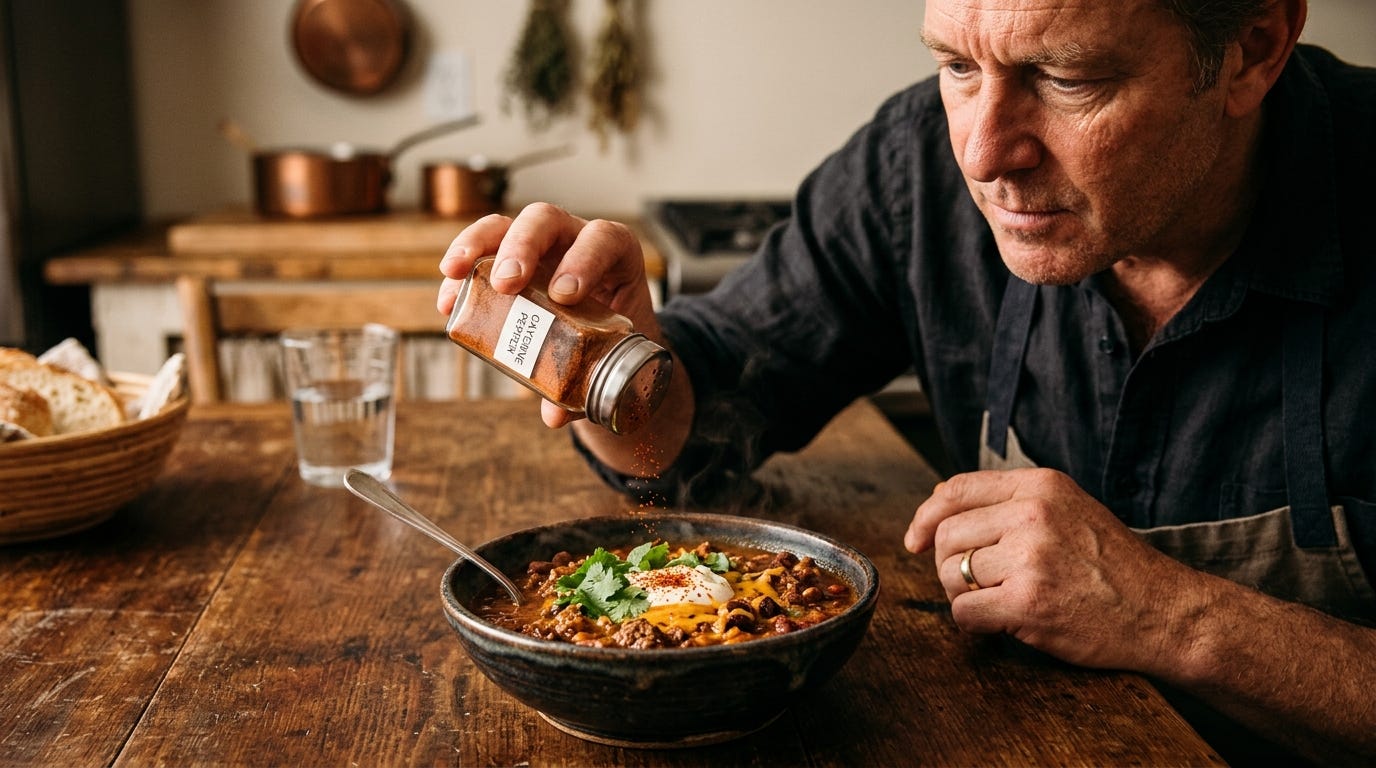
Be mindful if you deal with reflux or stomach irritation, as it can make symptoms more noticeable
6. Black Pepper
Helpful for improving absorption, especially alongside turmeric
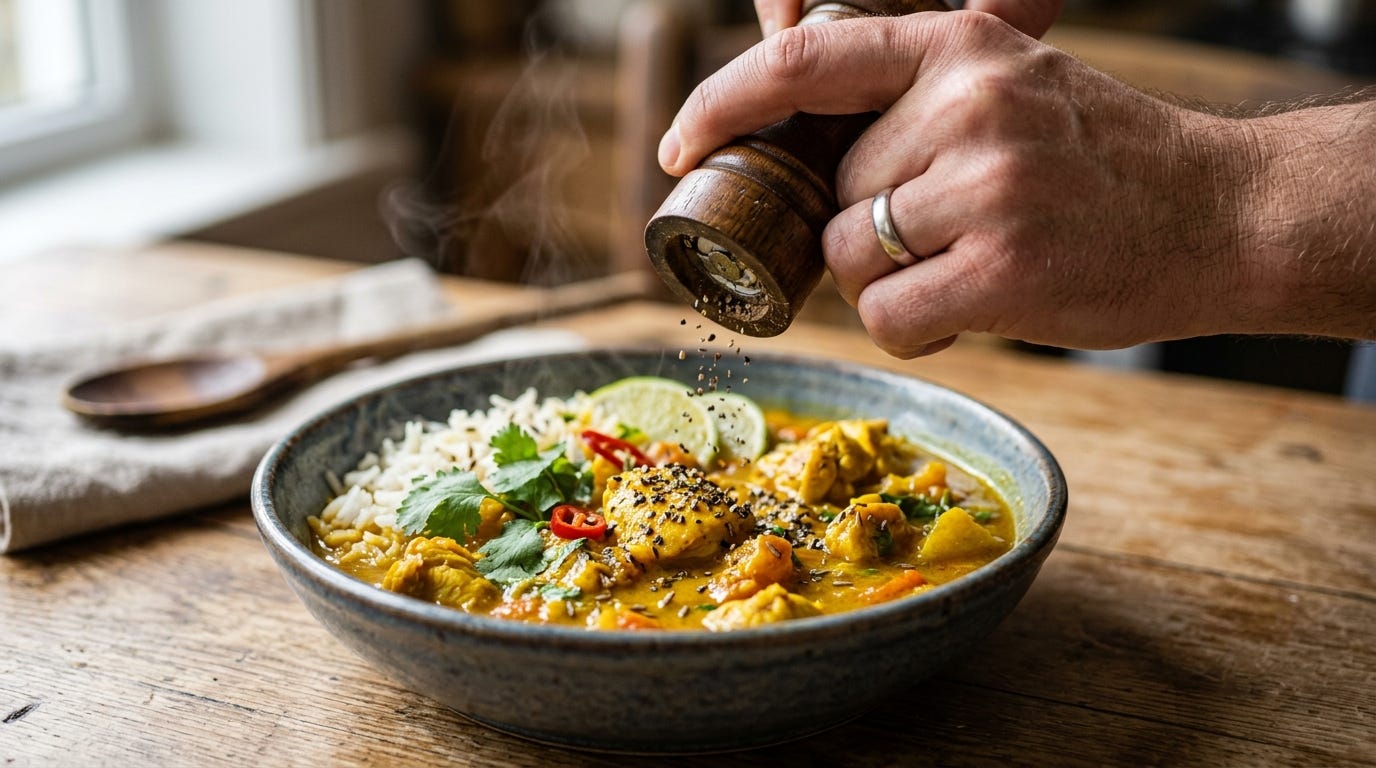
Be mindful if you have gut sensitivity, as it can be irritating in larger amounts
7. Clove
Helpful for microbial balance and oral health
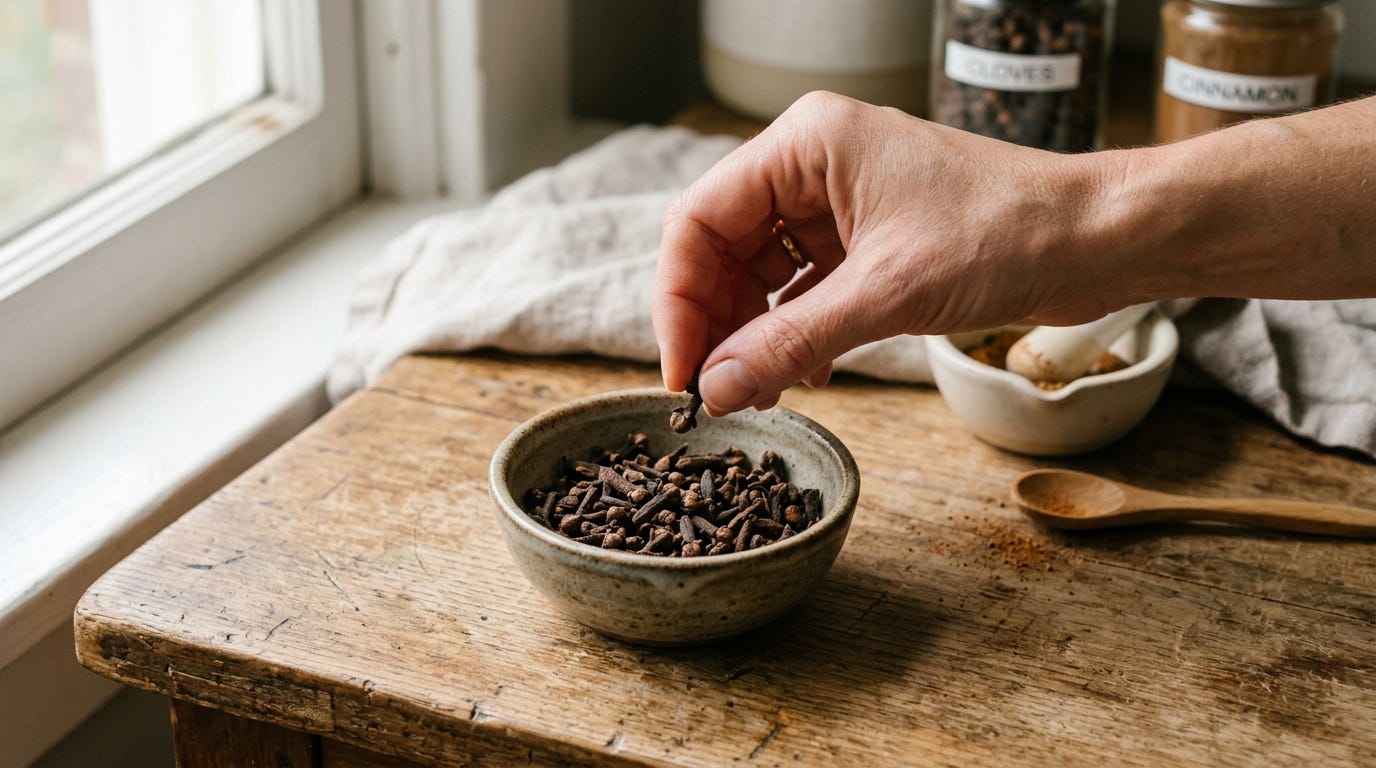
Be mindful with frequent or high intake, as it is very concentrated
8. Nutmeg
Helpful in small amounts for relaxation and sleep support
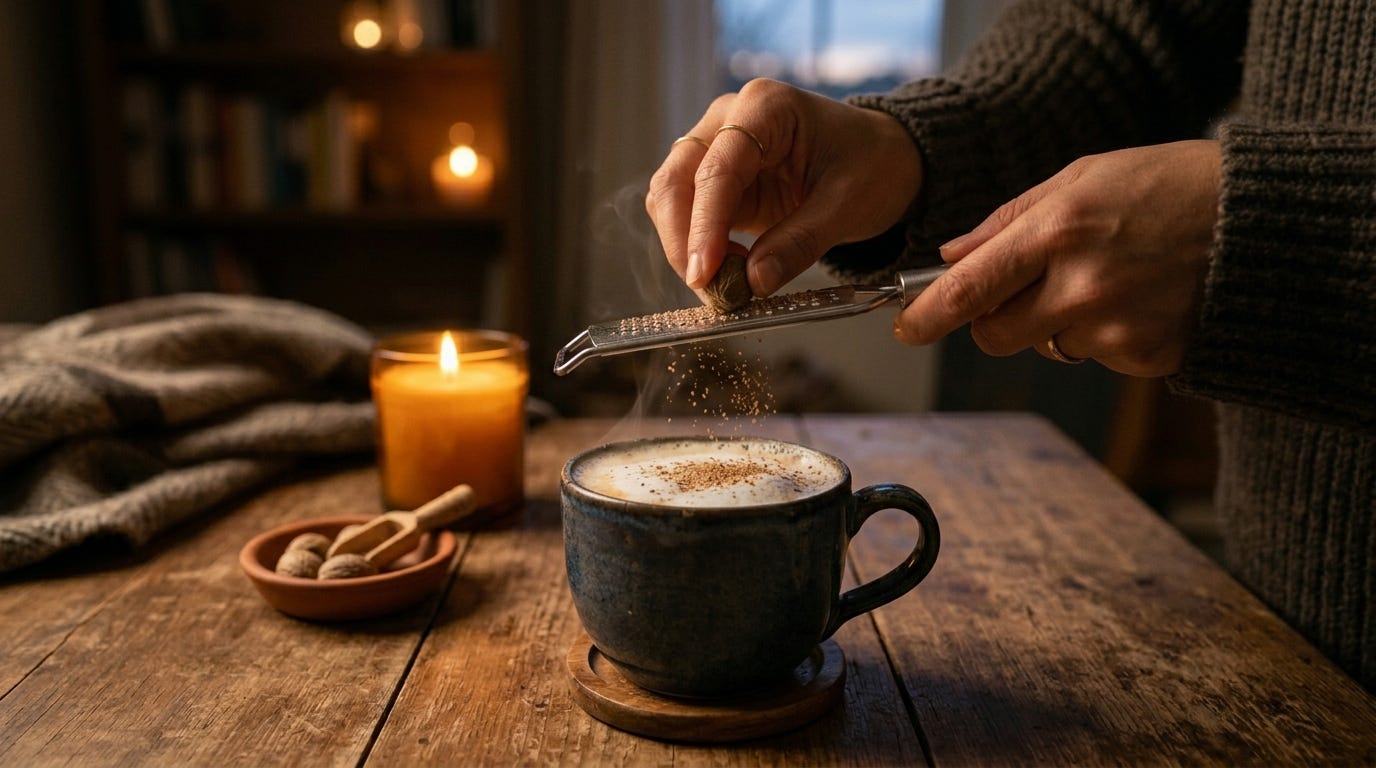
Be mindful with quantity, as even slightly higher amounts can feel too strong
9. Fennel
Helpful for reducing bloating and supporting digestion

Be mindful if you already feel cold or low energy, as it has a cooling effect
10. Cumin
Helpful for digestion and mineral support
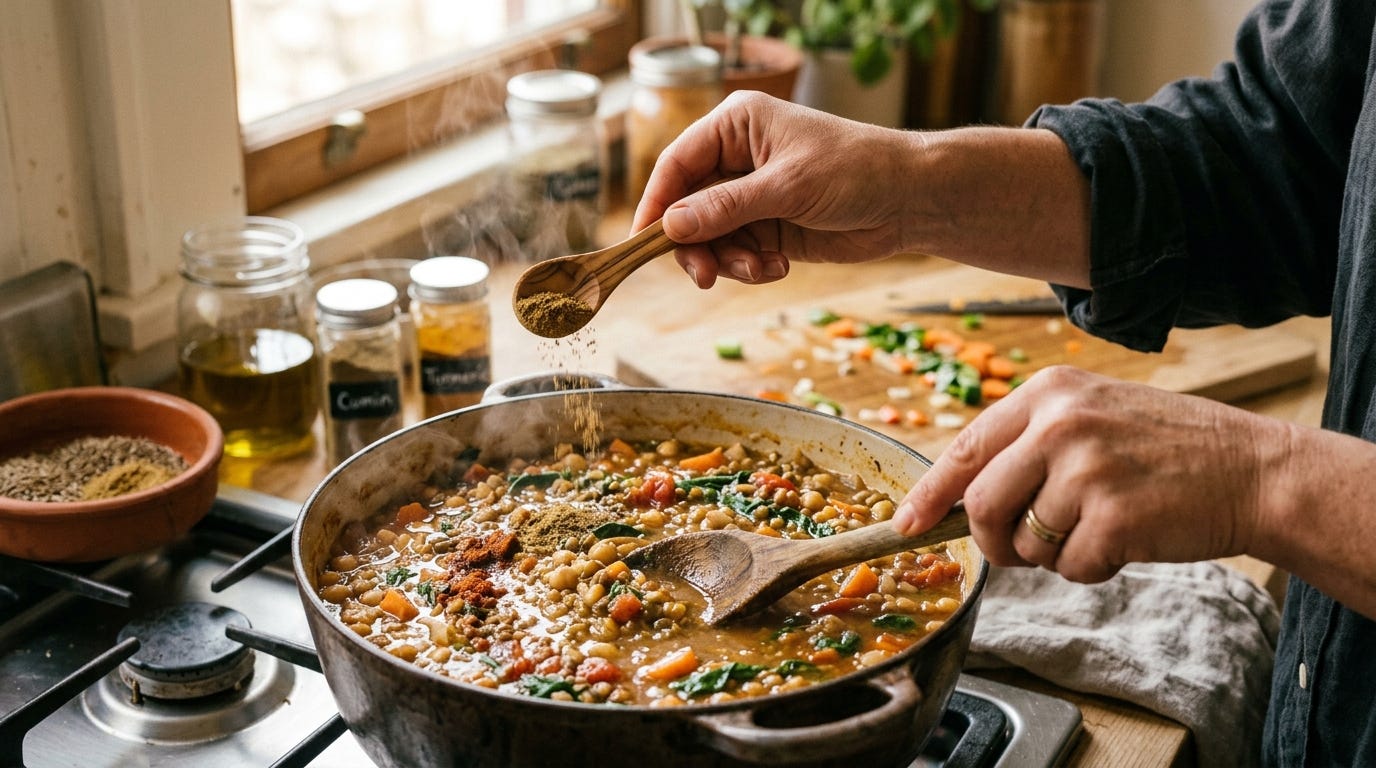
Be mindful if digestion already feels overstimulated or sensitive
11. Coriander
Helpful for gentle digestion and a cooling effect
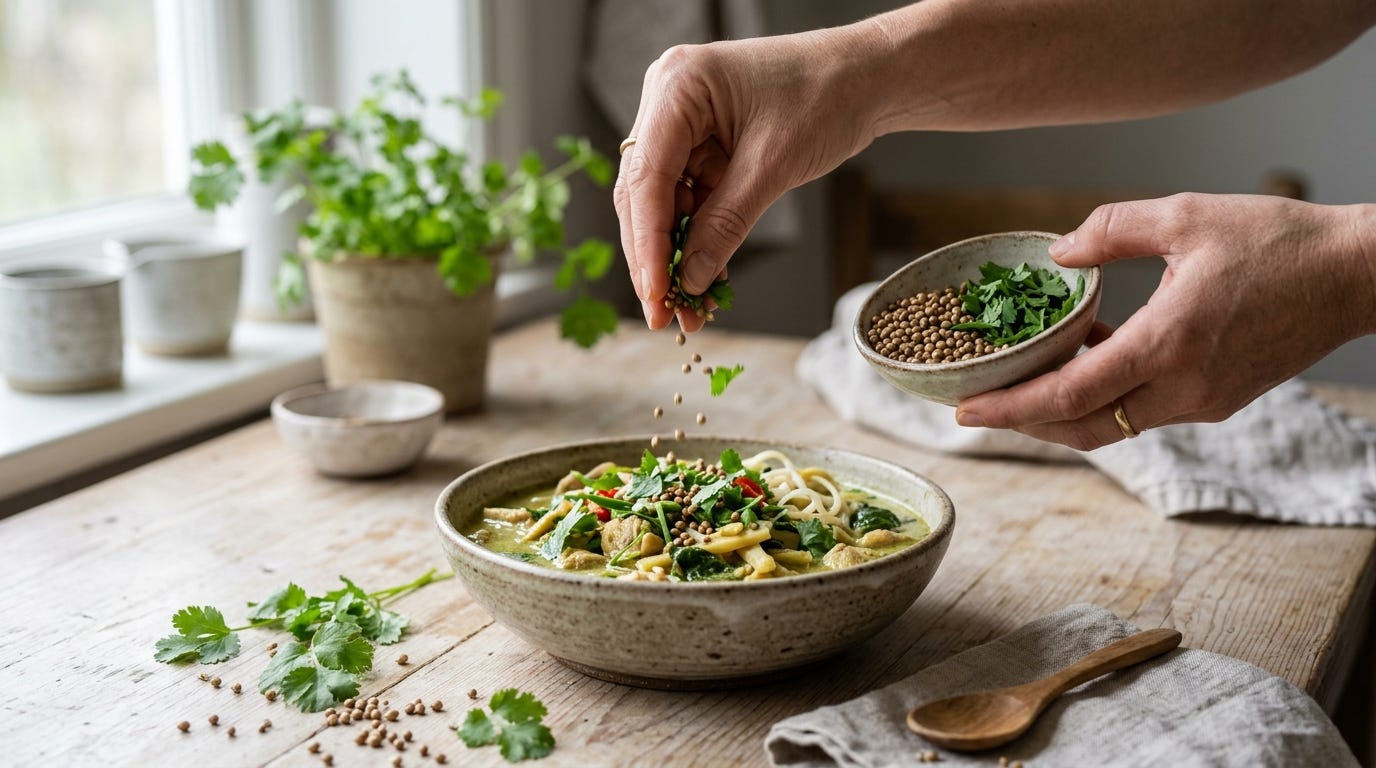
Be mindful if you tend to run cold or feel sluggish
12. Mustard Seed
Helpful for stimulating digestion
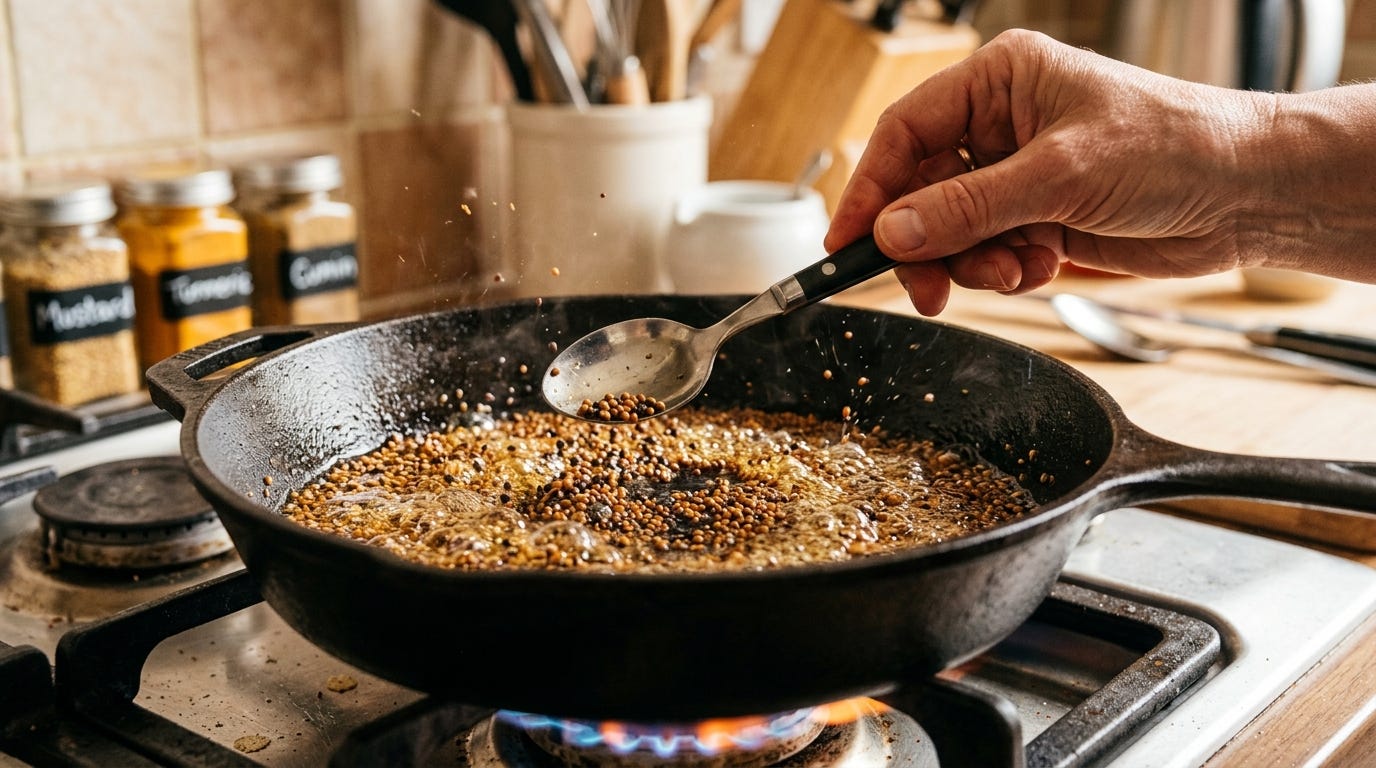
Be mindful if you have irritation in the stomach lining or sensitivity
How to Use Spices More Effectively
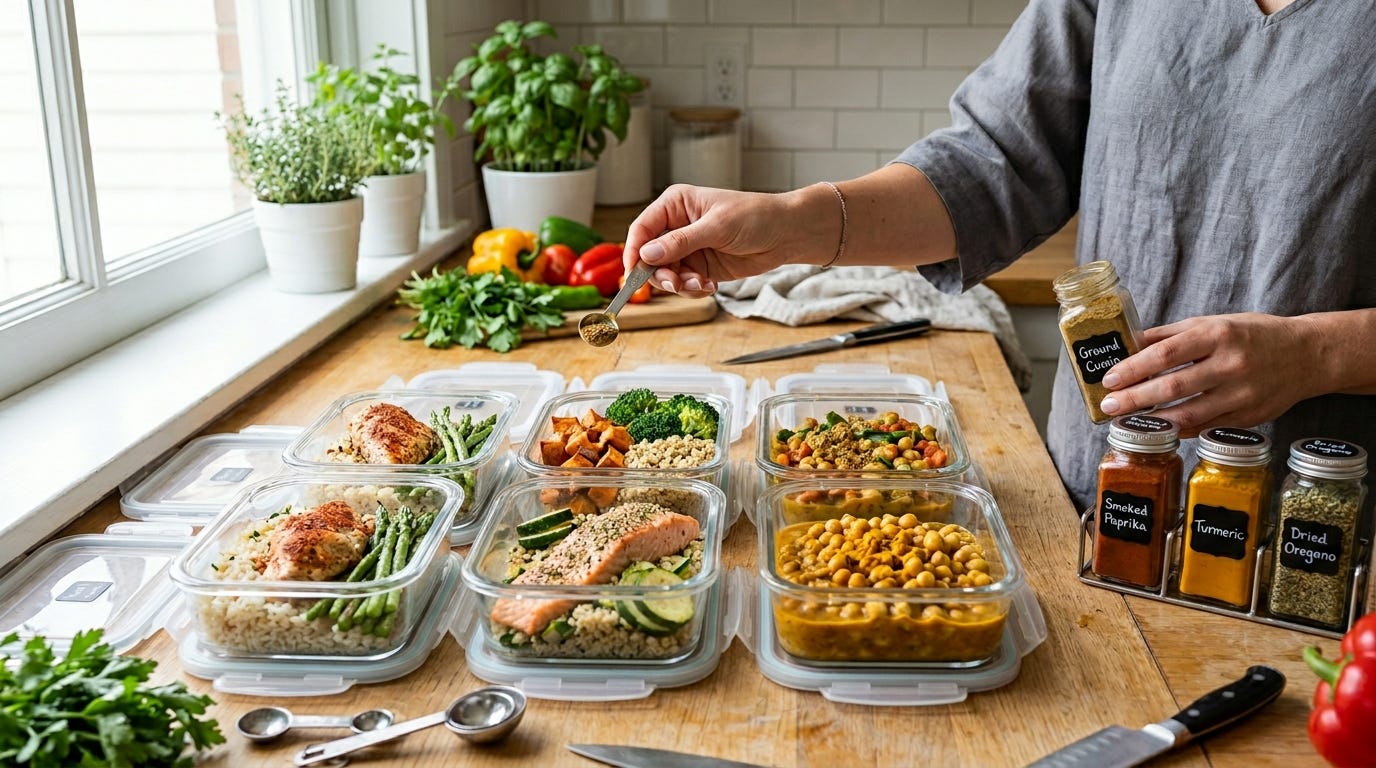
A few small shifts tend to make a noticeable difference:
Start with smaller amounts and build gradually
Pay attention to how you feel after meals, not just what you ate
Combine spices with whole meals instead of taking them on their own
Rotate instead of using the same ones every day
Use warmth or cooling intentionally based on how your body feels
You don’t need to use everything at once.
Consistency and awareness tend to work better than stacking multiple inputs.
Food Still Sets the Baseline
Spices support what’s already there.
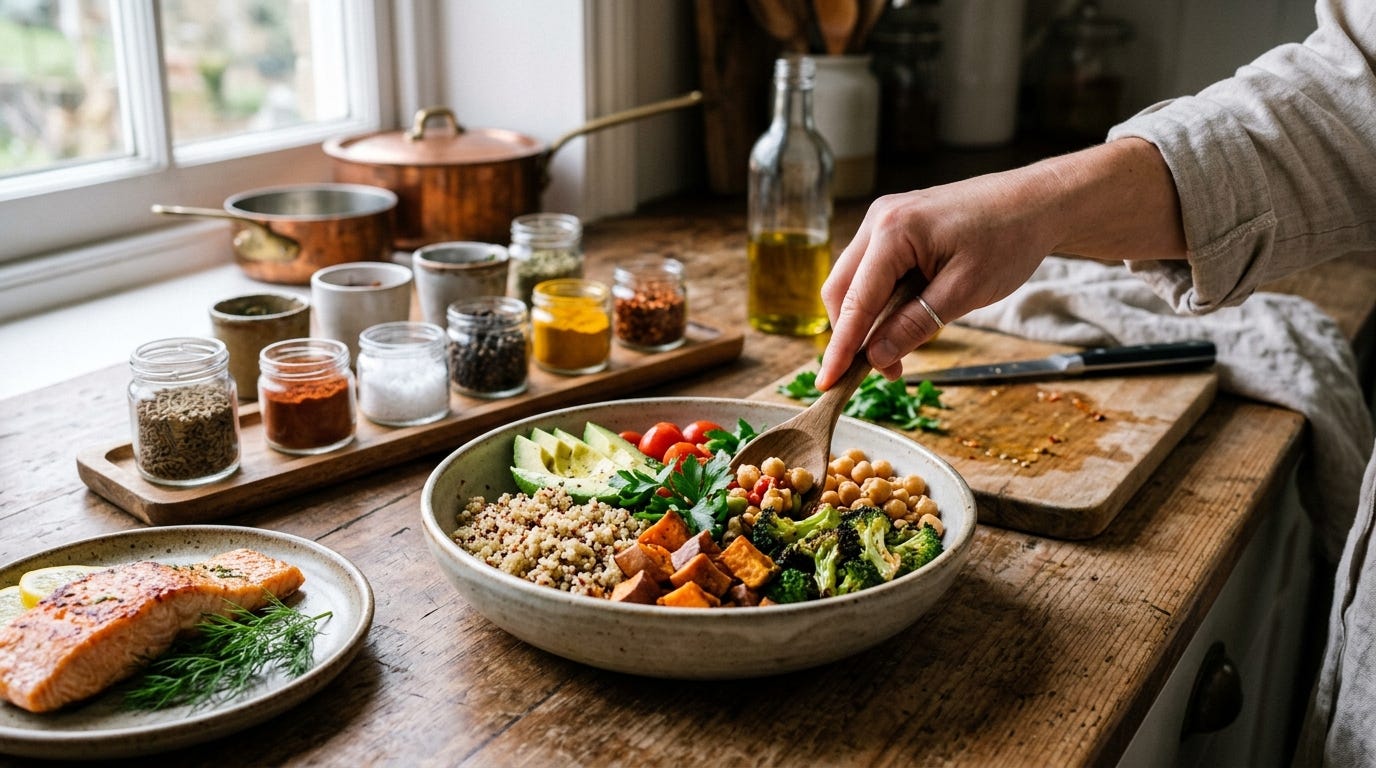
They work best when your foundation is in place:
regular meals
enough minerals
steady hydration
consistent sleep
When those are off, even the best additions feel inconsistent.
When those are steady, simple additions tend to go further.
Bringing It Together
Spices are small inputs that can shift how your body responds throughout the day.

Some stimulate,
some settle,
some support digestion,
others influence circulation or temperature.
When you start paying attention to how they feel in your body, patterns begin to show up.
That’s where they become more useful.
What you’re reading here is the foundation…
Knowing which spices to use is helpful but knowing how to use them based on your body makes the difference.
Paid subscribers get:
structured protocols using food, herbs, and spices
timing strategies based on digestion and energy patterns
deeper breakdowns of what to use and when
Along with access to our full guide library, including: