


Hi friends,
Hormones act as your body’s chemical messengers, helping coordinate countless processes that keep you healthy each day. They influence your energy levels, metabolism, muscle maintenance, bone health, sleep, mood, recovery, and many other aspects of physical well-being.
As we grow older, it’s natural for the production of certain hormones to gradually change. Hormones such as growth hormone, testosterone, estrogen, progesterone, and DHEA naturally decline with age, while changes in insulin sensitivity and stress hormones may also occur over time.

Although these changes are a normal part of aging, everyday lifestyle habits continue to play a powerful role in supporting healthy hormone function. The foods you eat, the quality of your sleep, your activity level, stress management, and overall nutrition all influence the environment in which your hormones operate.
Many people assume that hormone health is determined only by age or genetics. In reality, healthy daily habits help support your body’s ability to regulate hormones naturally while promoting long-term vitality and resilience.
Today we’ll walk through practical, evidence-informed habits that help support healthy aging hormones through nutrition, movement, recovery, and consistent lifestyle choices.
In Less Than 10 Minutes, We’ll Cover:
Why hormones naturally change with age
The importance of preserving muscle mass
How protein supports healthy aging
Why resistance training matters
The connection between sleep and hormone production
Nutrients that support healthy hormone function
How body composition influences hormones
Everyday habits that promote healthy aging
Simple lifestyle changes that support long-term vitality
Before we begin, if you enjoy practical wellness breakdowns that connect nutrition, physiology, and everyday habits without the wellness fluff, consider subscribing to Holistic Magazine.
Free subscribers receive structured, science-backed wellness articles each week.
Paid subscribers receive the deeper protocols, advanced nutrition guides, meal systems, and premium wellness breakdowns we usually cannot fit into regular posts.
Here’s what paid subscribers are reading right now:
We publish two premium articles each week.
Eat Enough Protein

Protein becomes increasingly important as we age.
Your body continuously repairs and rebuilds muscles, bones, skin, enzymes, hormones, and many other tissues. Consuming enough high-quality protein provides the amino acids needed to support these ongoing processes while helping preserve lean muscle mass.
Maintaining muscle isn’t only about strength. Healthy muscle tissue also supports balance, mobility, metabolic health, and healthy aging overall.
Aim to include a source of protein with each meal.
Excellent options include:
Fish
Chicken
Eggs
Greek yogurt
Cottage cheese
Lentils
Beans
Tofu
Tempeh
Lean meats
Distributing protein throughout the day may provide greater support than consuming most of it at a single meal.
Prioritize Resistance Training

One of the most effective ways to support healthy aging hormones is to regularly challenge your muscles.
Resistance training stimulates muscles to adapt, helping preserve strength, maintain bone health, and support healthy metabolic function as you age. Physical activity also works alongside your body’s natural hormone signaling to encourage tissue repair and recovery.
You don’t need to spend hours in the gym to experience these benefits.
Aim to perform resistance exercises two to four times each week using activities that match your fitness level.
Examples include:
Bodyweight exercises
Resistance bands
Free weights
Weight machines
Pilates
Functional strength exercises
Combined with adequate protein and recovery, regular strength training helps create an internal environment that supports healthy aging.
Get Quality Sleep Every Night

Many of the body’s most important recovery processes occur while you sleep.
During healthy sleep, your body regulates hormones involved in tissue repair, metabolism, appetite, immune function, and recovery. Poor or inconsistent sleep may gradually affect these systems, making it more difficult for your body to maintain healthy hormone balance.
Supporting better sleep doesn’t usually require perfection. Instead, small habits practiced consistently often make the greatest difference.
Helpful sleep habits include:
Keeping a consistent bedtime
Getting morning sunlight
Limiting bright screens before bed
Sleeping in a cool, dark room
Creating a relaxing evening routine
Managing evening stress
Quality sleep provides the foundation upon which many other healthy aging habits are built.
Maintain A Healthy Body Composition

Maintaining a healthy body composition becomes increasingly important as we age.
While some changes in body composition are a natural part of getting older, carrying excess body fat—particularly around the abdomen—may influence the body’s ability to regulate hormones effectively. At the same time, gradually losing muscle mass can affect strength, mobility, metabolic health, and overall vitality.
Rather than focusing solely on the number on the scale, aim to build habits that help preserve lean muscle while supporting a healthy amount of body fat.
Helpful strategies include:
Eating balanced meals
Including adequate protein
Strength training regularly
Staying physically active throughout the day
Prioritizing quality sleep
Managing stress consistently
Healthy aging is often less about becoming lighter and more about becoming stronger, more resilient, and maintaining the muscle that supports long-term health.
Don’t Fear Healthy Fats

Healthy fats play an important role in a balanced diet and provide essential building blocks that support many normal functions throughout the body.
Foods rich in unsaturated fats also supply nutrients that help support heart health, brain function, healthy cell membranes, and overall well-being. Including a variety of these foods regularly contributes to a dietary pattern associated with healthy aging.
Rather than avoiding fat altogether, focus on choosing minimally processed sources as part of balanced meals.
Excellent choices include:
Extra-virgin olive oil
Avocados
Walnuts
Almonds
Pistachios
Chia seeds
Ground flaxseed
Pumpkin seeds
Fatty fish such as salmon and sardines
Replacing highly processed fats with whole-food sources helps create a more nutrient-dense eating pattern that supports overall health.
Support Your Micronutrient Intake

Your body depends on a wide variety of vitamins and minerals to support normal hormone production, bone health, muscle function, energy metabolism, and countless other biological processes.
Although no single nutrient determines hormone health, consistently eating a nutrient-rich diet helps provide the raw materials your body needs to function at its best.
Many people can support their micronutrient intake by building meals around colorful, minimally processed foods.
Aim to regularly include:
Dark leafy greens
Colorful vegetables
Fresh fruits
Beans and lentils
Nuts and seeds
Whole grains
Dairy foods or fortified alternatives
Seafood
Certain nutrients—including vitamin D, magnesium, zinc, selenium, and iodine—play particularly important roles in supporting normal physiological function. If you’re concerned about your intake, discussing appropriate testing or supplementation with your healthcare provider may be worthwhile.
Stay Physically Active Throughout The Day

Exercise sessions are valuable, but they represent only a small portion of the day.
The amount you move between workouts also contributes to healthy aging. Walking, climbing stairs, gardening, household chores, and other forms of everyday movement help support circulation, joint mobility, metabolic health, and overall physical function.
Remaining active throughout the day also helps counteract the effects of prolonged sitting, which has become increasingly common in modern lifestyles.
Simple ways to increase daily movement include:
Taking short walking breaks
Choosing the stairs when possible
Parking farther from your destination
Gardening
Walking while talking on the phone
Stretching during work breaks
Playing with children or grandchildren
These small bursts of activity add up over time and work alongside structured exercise to support healthy aging and long-term vitality.
Spend Time Outdoors

Spending time outdoors supports more than just physical activity.
Natural light helps regulate your circadian rhythm, fresh air encourages movement, and spending time in green spaces may help reduce stress while supporting overall mental well-being. Together, these everyday experiences contribute to a healthier internal environment that supports many aspects of healthy aging.
Whether it’s a morning walk, working in the garden, hiking on weekends, or simply enjoying time in a local park, regular exposure to nature encourages habits that benefit both body and mind.
Aim to make outdoor time a regular part of your weekly routine whenever possible.
Like many healthy habits, the benefits often come from consistency rather than duration.
Manage Daily Stress

Your body is designed to respond to short periods of stress.
During challenging situations, hormones such as cortisol help you stay alert and respond appropriately. However, when stress becomes ongoing, it may influence sleep, appetite, energy levels, recovery, and other systems that work closely with your body’s hormone network.
While it’s impossible to eliminate every source of stress, building simple daily habits that encourage relaxation can help support overall hormonal health.
Helpful stress-management practices include:
Deep breathing
Prayer or meditation
Walking outdoors
Journaling
Gentle stretching
Spending time with family and friends
Practicing gratitude
Even a few minutes of intentional relaxation each day can help support both physical and mental well-being.
Limit Ultra-Processed Foods And Excess Added Sugar

The foods you eat every day help shape the environment in which your hormones function.
Ultra-processed foods often provide large amounts of refined carbohydrates, added sugars, unhealthy fats, and sodium while contributing relatively few vitamins, minerals, fiber, or other beneficial nutrients.
When these foods become the foundation of the diet, it becomes more difficult to consistently provide the nutrients your body depends on to support healthy aging.
Building most meals around whole, minimally processed foods helps increase the intake of protein, fiber, healthy fats, vitamins, and minerals that support overall health.
Simple swaps include:
Fresh fruit instead of sugary desserts
Whole grains instead of refined grains
Nuts instead of highly processed snack foods
Water or unsweetened beverages instead of sugar-sweetened drinks
Home-cooked meals more often throughout the week
Small improvements made consistently often have a greater impact than attempting a complete dietary overhaul overnight.
Consider Key Nutrients That Support Healthy Aging
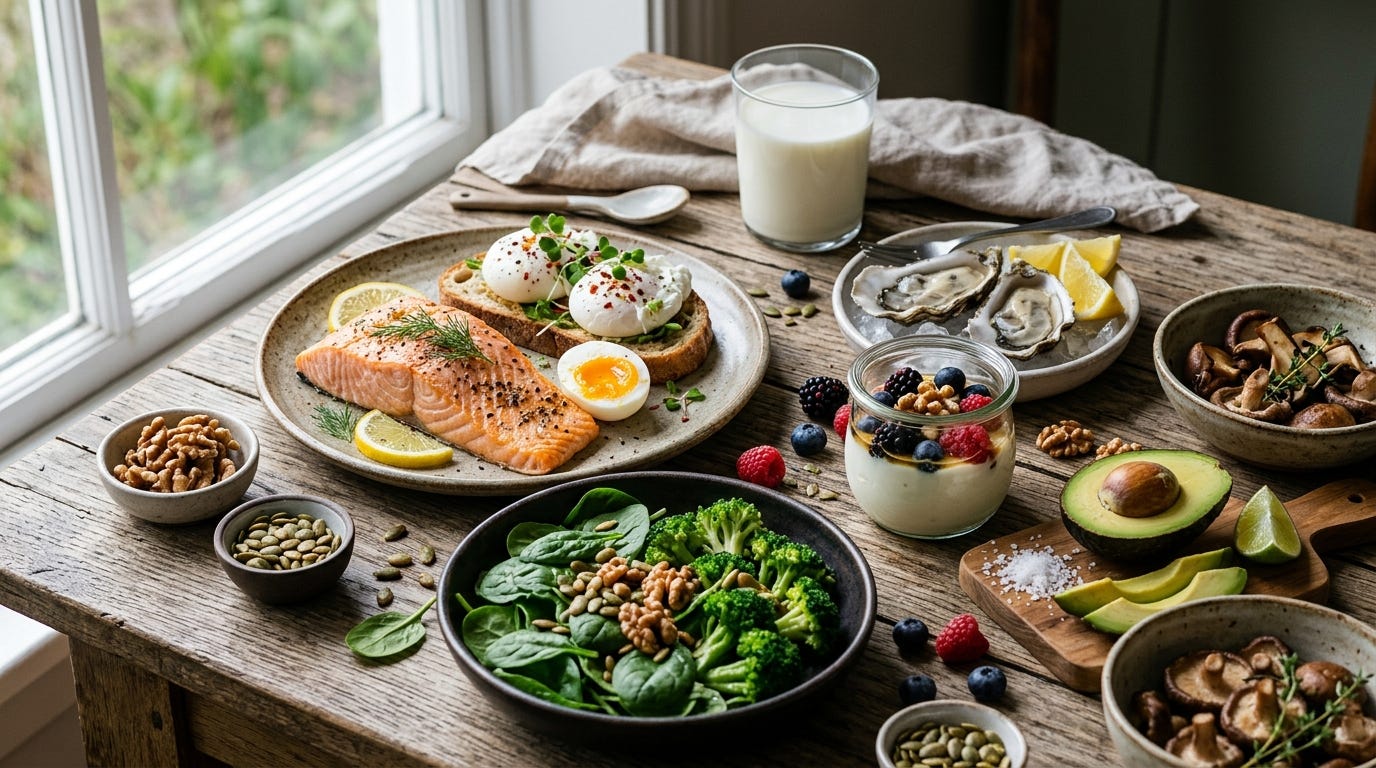
While no vitamin or supplement can stop the natural aging process, several nutrients play important roles in supporting healthy bones, muscles, nerves, and normal hormone function.
Whenever possible, meeting your nutritional needs through a balanced diet remains the best foundation. However, some people may benefit from supplementation if they have dietary restrictions, certain health conditions, or nutrient deficiencies identified by their healthcare provider.
Some of the nutrients commonly discussed in healthy aging include:
Vitamin D
Magnesium
Omega-3 fatty acids
Calcium
Zinc
Vitamin B12
Each supports different aspects of healthy physiology, including bone strength, muscle function, energy metabolism, immune health, and normal cellular function.
Rather than searching for a single “anti-aging” supplement, focus first on building a nutrient-rich eating pattern and discuss supplementation with your healthcare provider when appropriate.
Stay Socially And Mentally Engaged

Healthy aging involves much more than nutrition and exercise.
Maintaining meaningful relationships and continuing to challenge your mind also contribute to overall well-being as you grow older.
Regular social interaction has been associated with better emotional health, while mentally stimulating activities help keep the brain active throughout life.
Simple ways to stay engaged include:
Spending time with family and friends
Joining community groups
Volunteering
Reading books
Learning a new skill
Playing strategy games
Working on puzzles
Taking educational classes
Healthy aging is supported by caring for both the body and the mind.
Be Consistent More Than Perfect

Many people search for the perfect supplement, diet, or exercise program while overlooking the everyday habits that influence healthy aging the most.
Supporting healthy hormones doesn’t usually depend on one dramatic change. Instead, it’s often the result of consistently eating nutritious foods, staying active, building strength, sleeping well, managing stress, and giving your body the nutrients it needs each day.
There will always be vacations, holidays, busy workweeks, and unexpected life events that interrupt your routine.
Rather than striving for perfection, simply return to your healthy habits as soon as you can.
Small choices repeated consistently over months and years often have a greater impact than short periods of doing everything perfectly.
Bringing It Together

Healthy aging is influenced by far more than the passing of time.
While it’s natural for hormone levels to gradually change with age, the daily habits you practice continue to shape how well your body functions throughout every stage of life. The foods you eat, the quality of your sleep, your level of physical activity, your ability to manage stress, and the nutrients you provide your body all work together to support healthy hormone function and long-term vitality.
Fortunately, supporting healthy aging hormones doesn’t require an extreme diet or a complicated wellness routine. It usually begins with simple habits that become part of everyday life. Eating adequate protein, strength training regularly, staying physically active, choosing nutrient-dense foods, prioritizing quality sleep, managing daily stress, and maintaining meaningful social connections all contribute to a healthier internal environment.
As these habits become more consistent, many people notice improvements in their energy, strength, recovery, mobility, sleep quality, and overall sense of well-being. While aging is inevitable, the way we care for our bodies each day can help support resilience, independence, and vitality for years to come.
It’s also important to remember that healthy hormone aging isn’t about maintaining the hormone levels of your twenties forever. Instead, it’s about giving your body the support it needs to function as well as possible throughout every decade of life. Small, sustainable habits often provide greater long-term benefits than searching for quick fixes or miracle solutions.
The goal isn’t simply to live longer, but to maintain the strength, mobility, mental clarity, and energy that allow you to fully enjoy the years ahead. By building healthy routines today, you’re making an investment in your future health that can continue paying dividends for decades.
If you enjoy practical wellness breakdowns that connect nutrition, physiology, and everyday habits without the wellness fluff, consider subscribing to Holistic Magazine.
Paid subscribers receive the deeper protocols, advanced nutrition guides, meal systems, and premium wellness breakdowns we usually cannot fit into regular posts.
Here’s what paid subscribers are reading right now:
We publish two premium articles each week.