

Hi friends,
Antibiotics have saved millions of lives.
When they’re truly needed, they’re one of modern medicine’s greatest achievements.
But antibiotics don’t only kill the bacteria causing an infection.
They also reduce many of the beneficial bacteria living inside your digestive tract.
For some people, the microbiome begins recovering within weeks.
For others, it can take months, and certain bacterial species may never fully return without dietary support.
The good news is that your gut is remarkably adaptable.
The foods you eat and the habits you practice every day can help create an environment where beneficial microbes thrive again.
In Less Than 10 Minutes, We’ll Cover
What antibiotics do to your gut
Why some people recover faster than others
Foods that help beneficial bacteria return
Why fiber matters more than probiotics
The role of fermented foods
Habits that support gut healing
What to avoid during recovery
How long microbiome recovery may take
What Happens To Your Gut After Antibiotics?
Your digestive tract contains trillions of bacteria.
Together they help:
Digest fiber
Produce vitamins
Support your immune system
Protect against harmful microbes
Produce beneficial compounds like short-chain fatty acids
Communicate with your brain
Antibiotics cannot perfectly distinguish harmful bacteria from helpful ones.
As they fight an infection, they also reduce many beneficial species.
This often decreases the diversity of your microbiome, which is considered one of the hallmarks of a healthy gut.
Lower diversity has been associated with digestive symptoms, reduced resilience, and slower recovery after illness.
Recovery Doesn’t Happen Overnight
Many people assume their gut returns to normal as soon as they finish antibiotics.
Recovery actually varies from person to person.
Several factors influence how quickly beneficial bacteria return, including:
Your diet
Your age
Stress levels
Sleep quality
Physical activity
Whether you’ve taken multiple rounds of antibiotics
Your microbiome before treatment
Some bacterial populations recover within a few weeks.
Others may take several months.
Feed Your Good Bacteria First
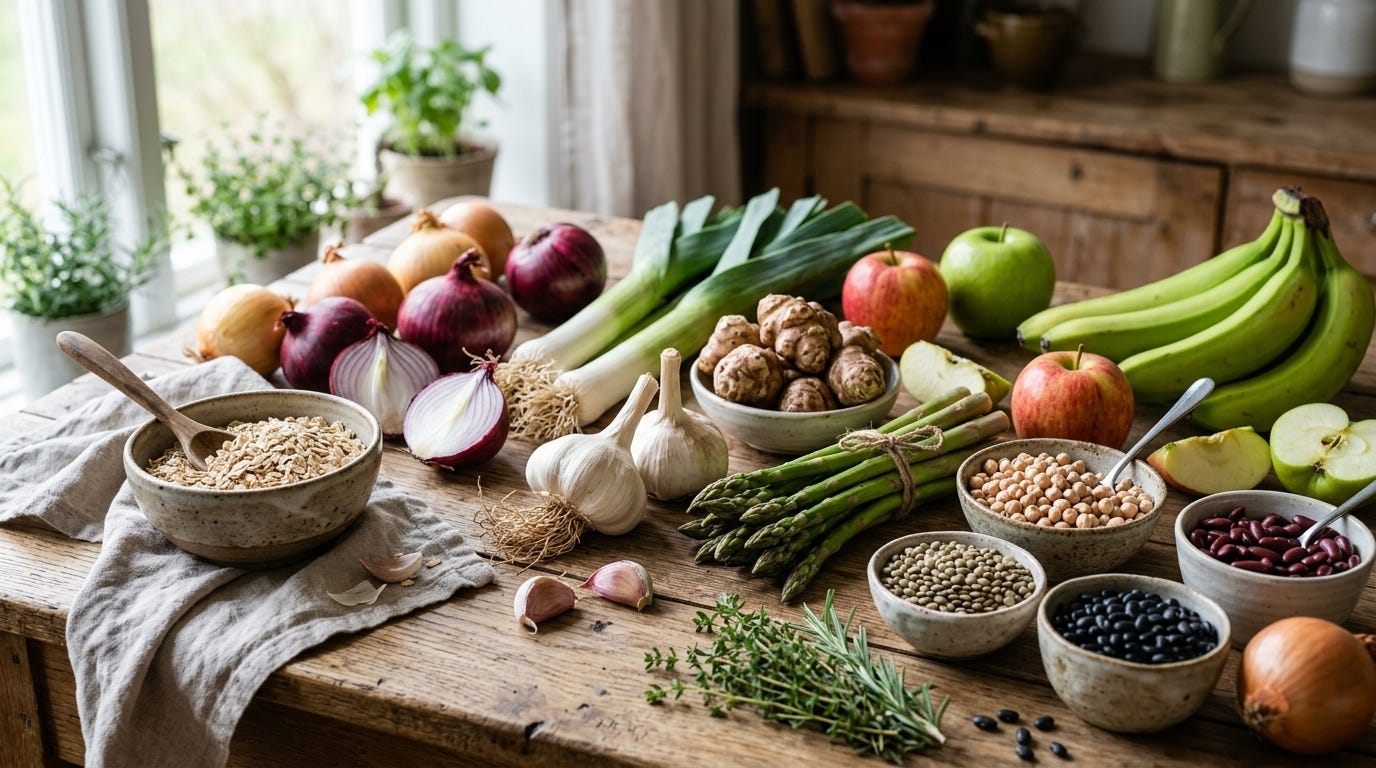
One of the most effective ways to rebuild your microbiome isn’t adding bacteria.
It’s feeding the bacteria that remain.
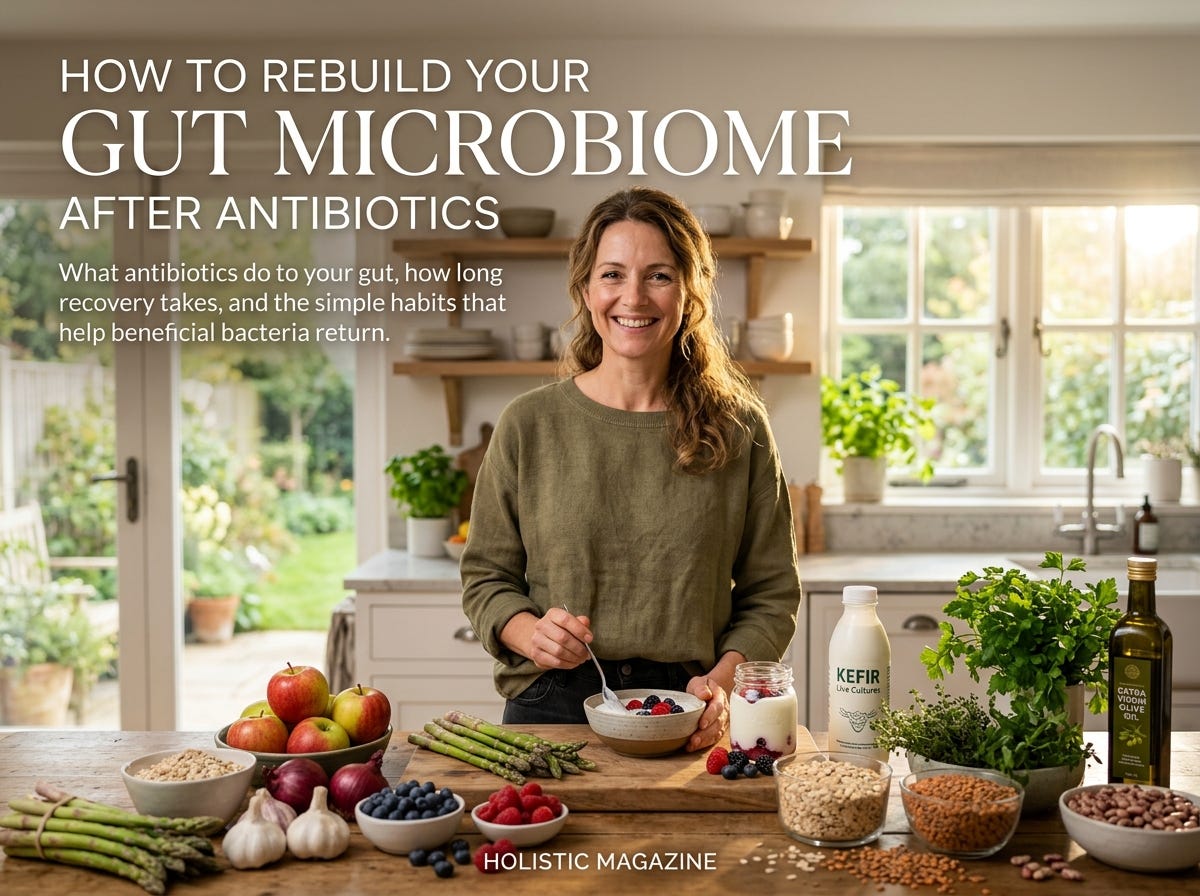
Beneficial microbes thrive on dietary fiber, particularly prebiotic fibers.
Excellent sources include:
Garlic
Onions
Leeks
Asparagus
Jerusalem artichokes
Oats
Apples
Beans
Lentils
Chickpeas
Green bananas
When bacteria ferment these fibers, they produce compounds called short-chain fatty acids that help nourish the cells lining your colon.
Variety Matters More Than Perfection
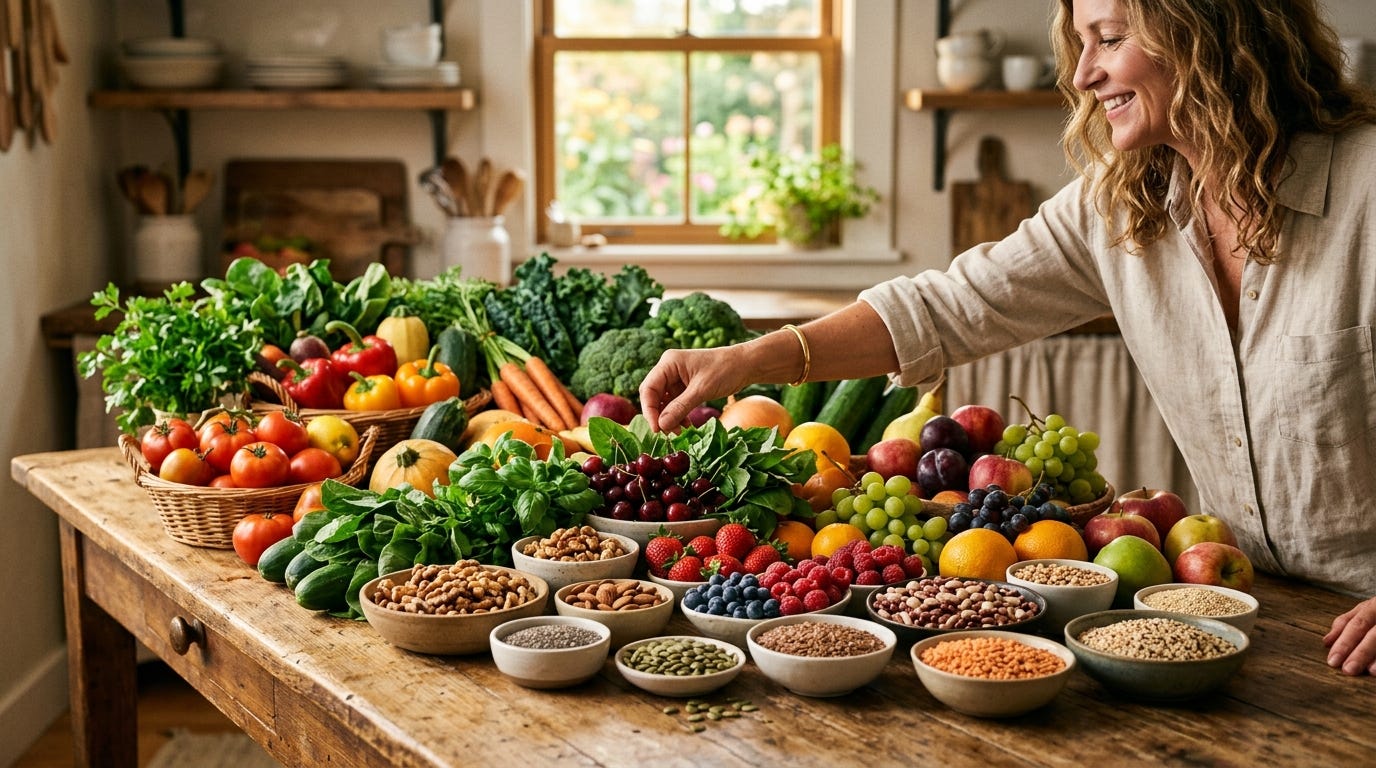
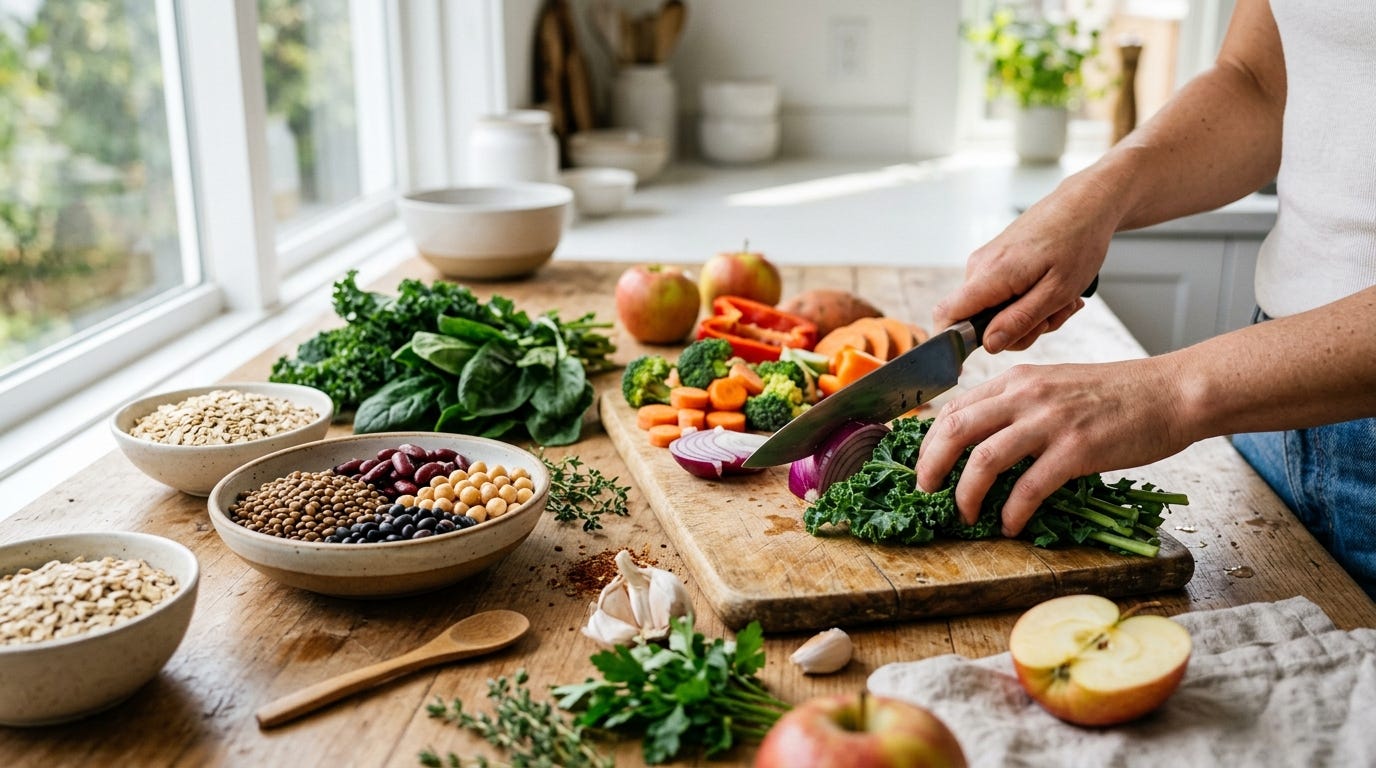
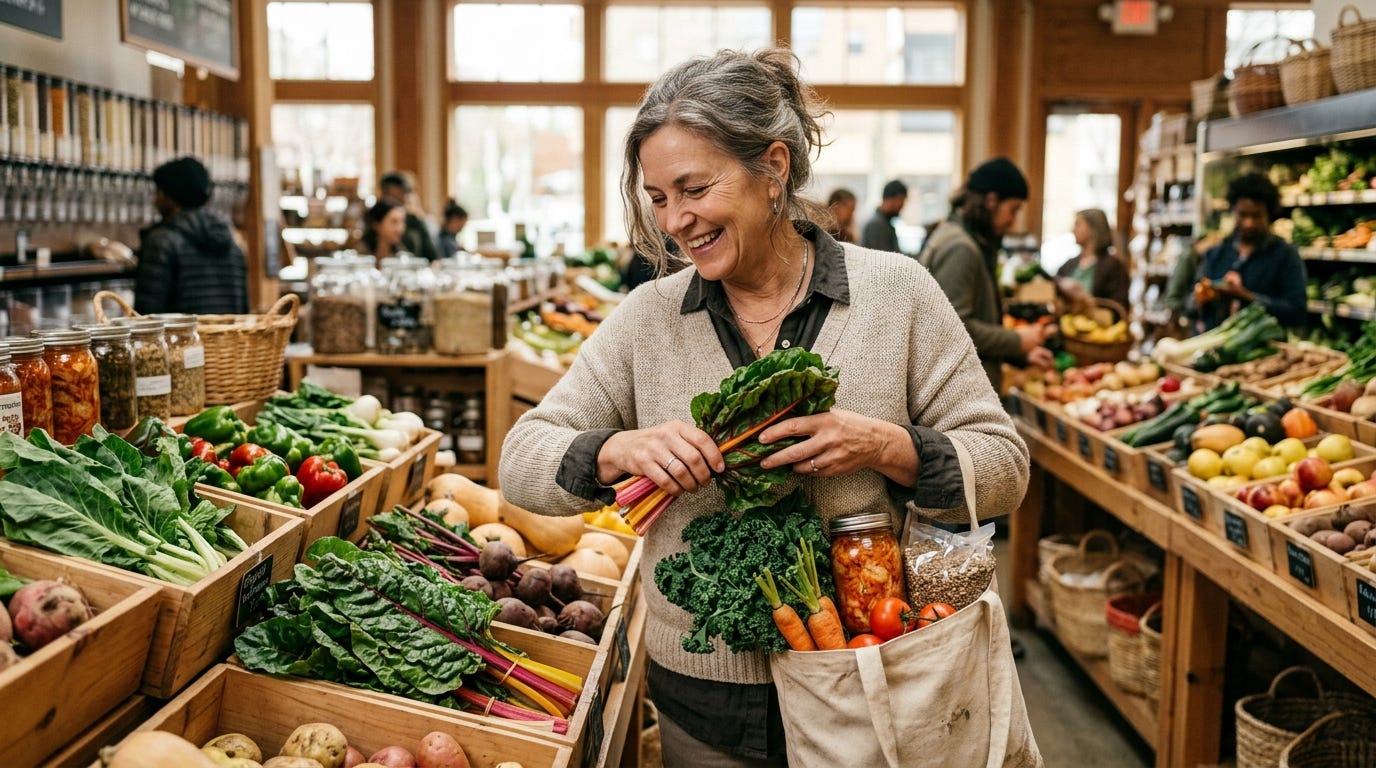
Research consistently shows that people who eat a wider variety of plant foods tend to have more diverse gut microbiomes.
Aim to eat many different:
Vegetables
Fruits
Beans
Herbs
Nuts
Seeds
Whole grains
Spices
Every plant provides different fibers and polyphenols that nourish different microbial species.
Fermented Foods Can Help
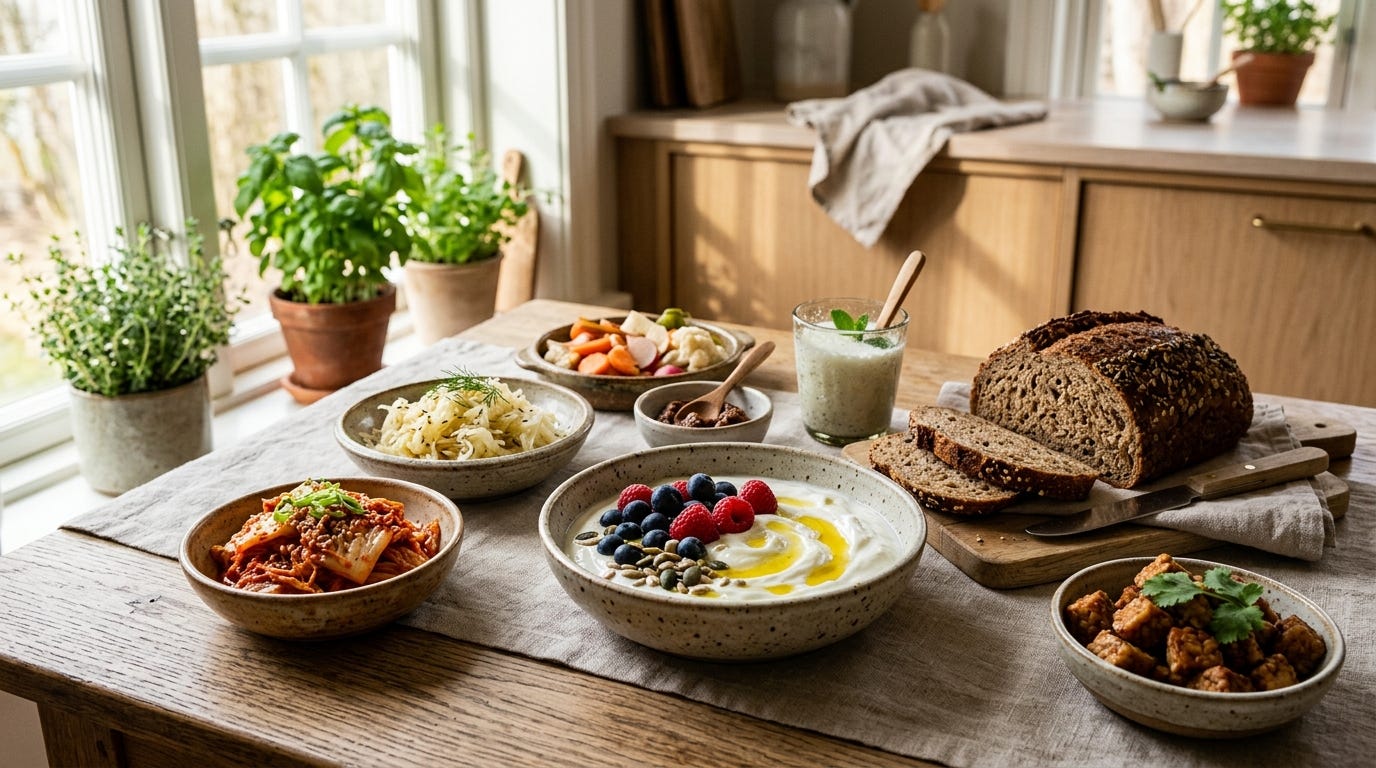
Fermented foods introduce live microorganisms while also providing beneficial compounds created during fermentation.
Consider including foods like:
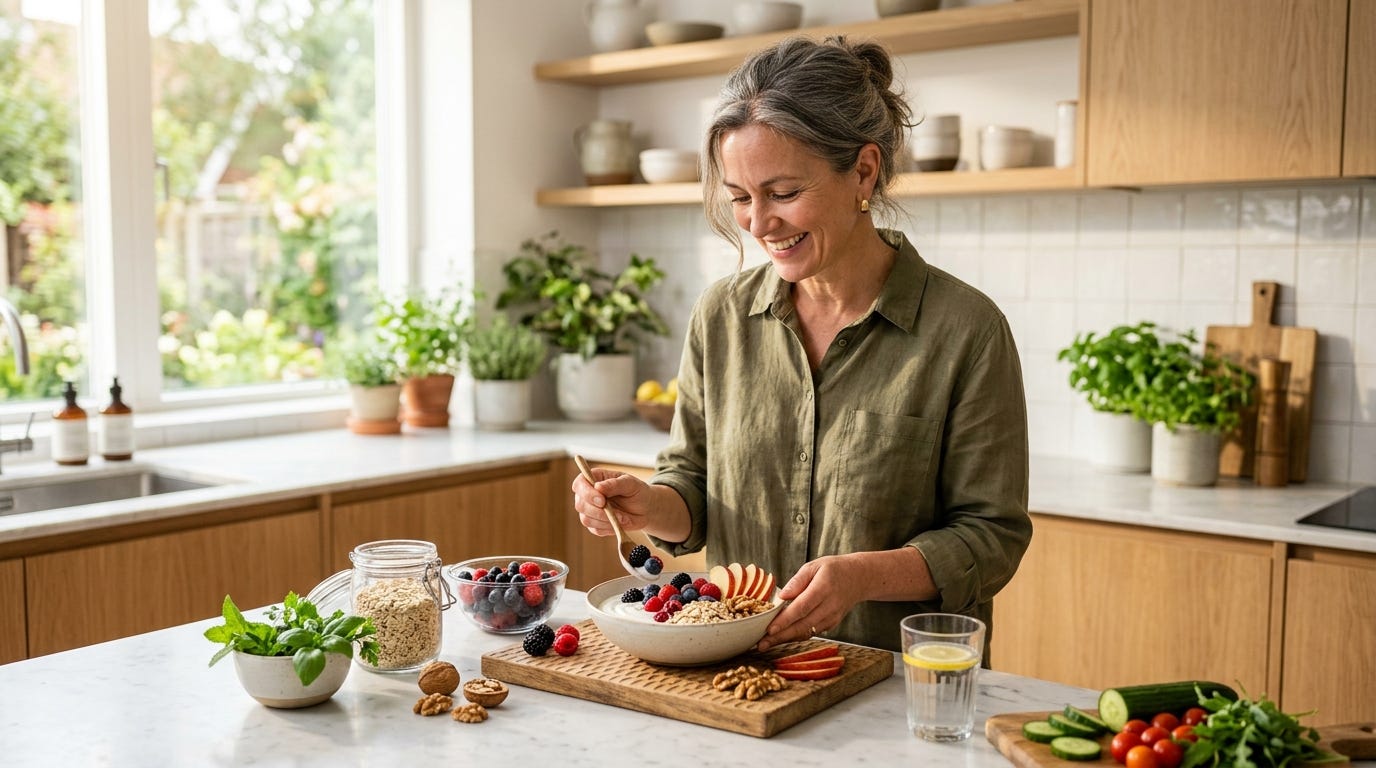
Plain yogurt with live cultures
Kefir
Sauerkraut
Kimchi
Miso
Tempeh
These foods may help support microbial diversity, although they work best alongside a fiber-rich diet.
Don’t Forget Polyphenols
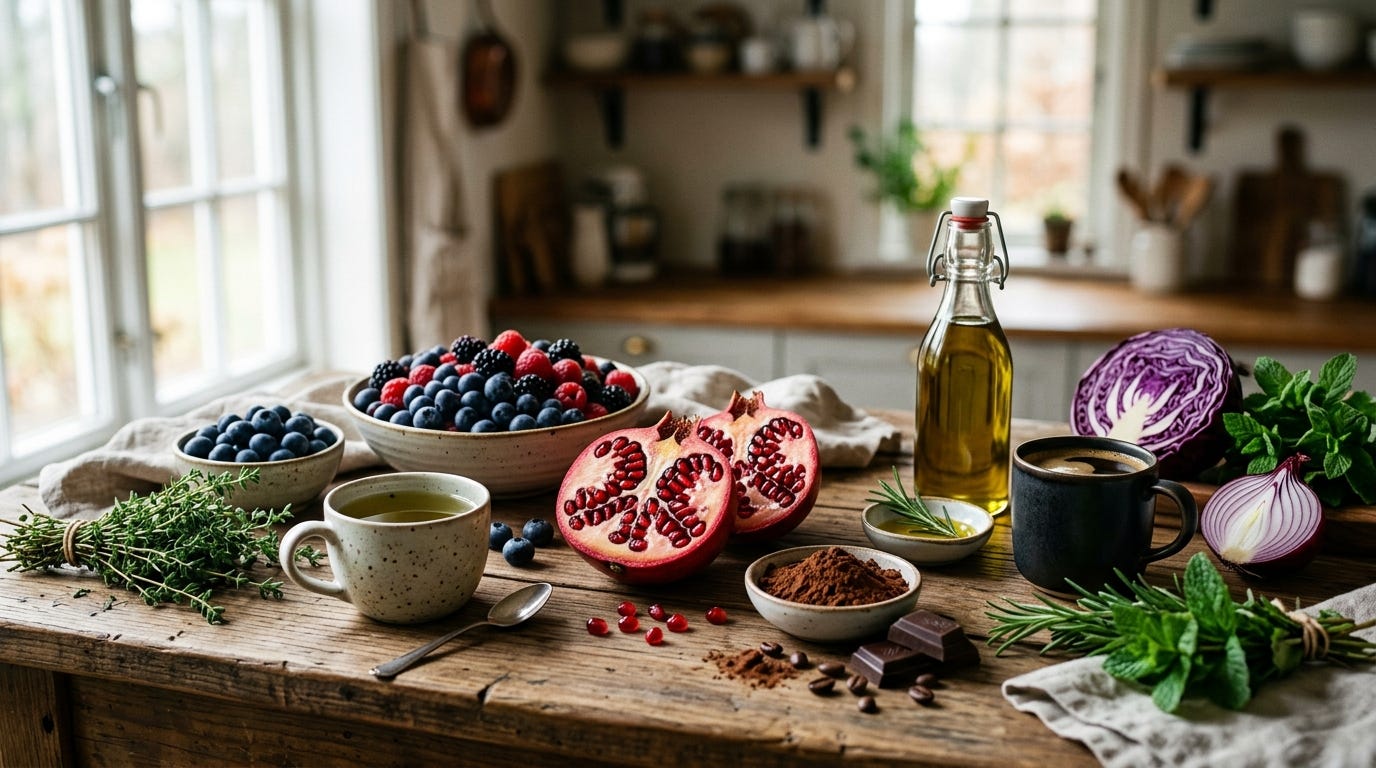
Many gut bacteria also thrive on plant compounds called polyphenols.
These naturally occur in foods like:
Blueberries
Pomegranates
Green tea
Cocoa
Extra virgin olive oil
Coffee
Purple cabbage
Red onions
Polyphenols appear to encourage the growth of beneficial bacteria while helping limit certain less desirable microbes.
Lifestyle Matters Too

Your microbiome responds to much more than food.
Daily habits also influence microbial health.
Regular exercise has been associated with greater microbial diversity.
Quality sleep supports immune function and gut health.
Managing chronic stress may help maintain healthier communication between your brain and digestive system.
Spending time outdoors and interacting with natural environments may also increase exposure to beneficial environmental microbes.
What To Avoid During Recovery
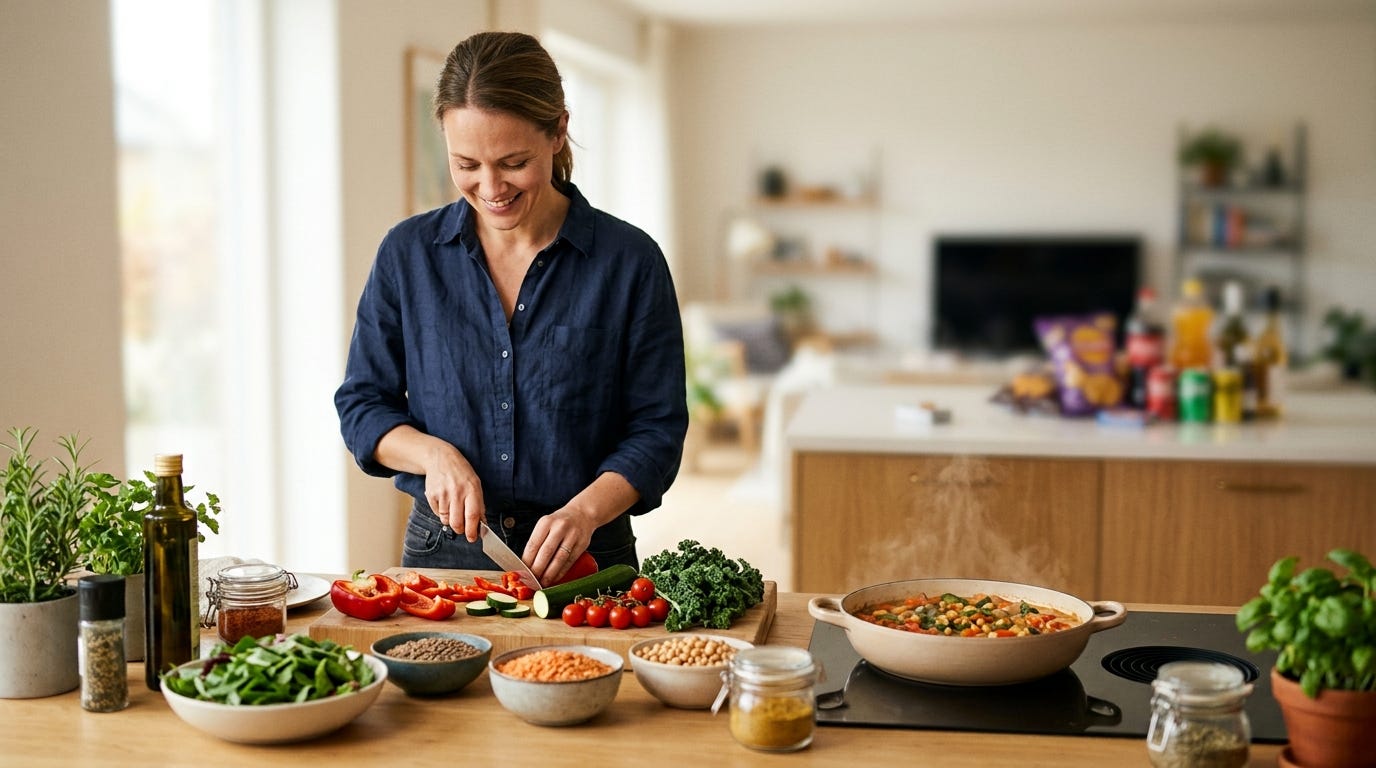
While rebuilding your microbiome, it may help to limit habits that make recovery more difficult.
These include:
Highly processed foods
Excess added sugar
Heavy alcohol intake
Smoking
Unnecessary antibiotic use
Chronic sleep deprivation
The goal isn’t perfection.
It’s giving beneficial bacteria the nutrients and environment they need to recover.
Should You Take A Probiotic?
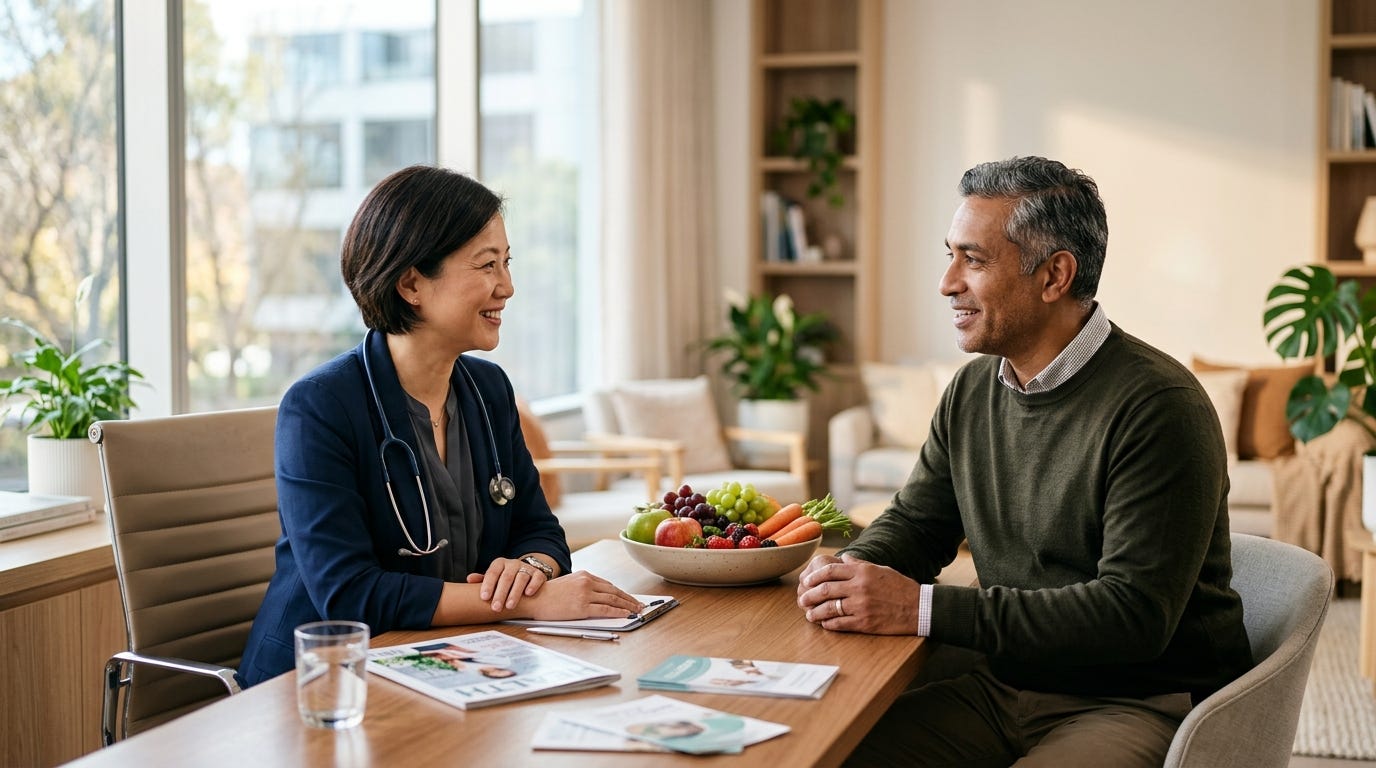
Some research suggests certain probiotic strains may reduce the risk of antibiotic-associated diarrhea when taken during or shortly after antibiotic treatment.
However, probiotics are not a replacement for a fiber-rich, plant-diverse diet.
If you choose a probiotic, it’s generally best to discuss it with your healthcare provider, especially if you have a weakened immune system or other medical conditions.
For many people, consistently eating a wide variety of fiber-rich foods may have a greater long-term impact on microbiome health than relying on supplements alone.
Bringing It Together

Your gut microbiome is incredibly resilient.
Although antibiotics temporarily reduce many beneficial bacteria, your daily habits play a powerful role in how your microbiome recovers.
Focus on eating a wide variety of plant foods, include fermented foods regularly, prioritize fiber, move your body, sleep well, and manage stress.
Recovery isn’t about finding one miracle food.
It’s about consistently creating the conditions where beneficial microbes can thrive again.
Small choices repeated every day often have the biggest impact on your gut health over time.
If you enjoy practical wellness breakdowns that connect nutrition, physiology, and everyday habits without the wellness fluff, consider subscribing to Holistic Magazine.
Free subscribers receive evidence-based wellness articles each week.
Paid subscribers receive our in-depth protocols, meal systems, premium nutrition guides, and practical wellness resources designed to help you build lasting health.
Thank you for sharing this! As a functional medicine practitioner and pharmacist, I couldn't agree more. Prebiotics and short-chain fatty acids like butyrate are absolute game-changers for repairing the gut lining and restoring microbial diversity post-antibiotics. However, a critical clinical note for my patients: go low and slow.
Your article above about rebuilding the gut micro biome is very interesting and I wonder if you can say if the diet recommendations will help someone with Chrones Disease? PH