


Hi friends,
Digestive health affects far more than what happens after a meal.
Your digestive system helps break down food, absorb nutrients, supports your immune system, and even influences how you feel throughout the day. When it’s working well, you probably don’t think much about it. But when it’s struggling, bloating, constipation, heartburn, or discomfort can quickly become part of daily life.

Fortunately, healthy digestion doesn’t have to be complicated. The foods you eat, how you eat them, how active you are, and the habits you practice every day all play a role in supporting your gut. Small, consistent changes often have a much greater impact than following an elaborate protocol for a few weeks.
Today we’ll walk through simple, practical ways to build better digestion naturally using habits that fit into everyday life.
In Less Than 10 Minutes, We’ll Cover:
Why fiber is one of your gut’s best friends
The importance of staying hydrated
Foods that help nourish your microbiome
Why movement supports healthy digestion
The benefits of eating more plant variety
Why giving your digestive system a break matters
How stress influences your digestive system
The importance of quality sleep
A simple framework for building digestion-friendly meals
How consistency shapes long-term gut health
Before we begin, if you enjoy practical wellness breakdowns that connect nutrition, physiology, and everyday habits without the wellness fluff, consider subscribing to Holistic Magazine.
Free subscribers receive structured, science-backed wellness articles each week.
Paid subscribers receive the deeper protocols, advanced nutrition guides, meal systems, and premium wellness breakdowns we usually can’t fit into regular posts.
Here’s what paid subscribers are reading right now:
We publish two premium articles each week.
1. Eat More Fiber
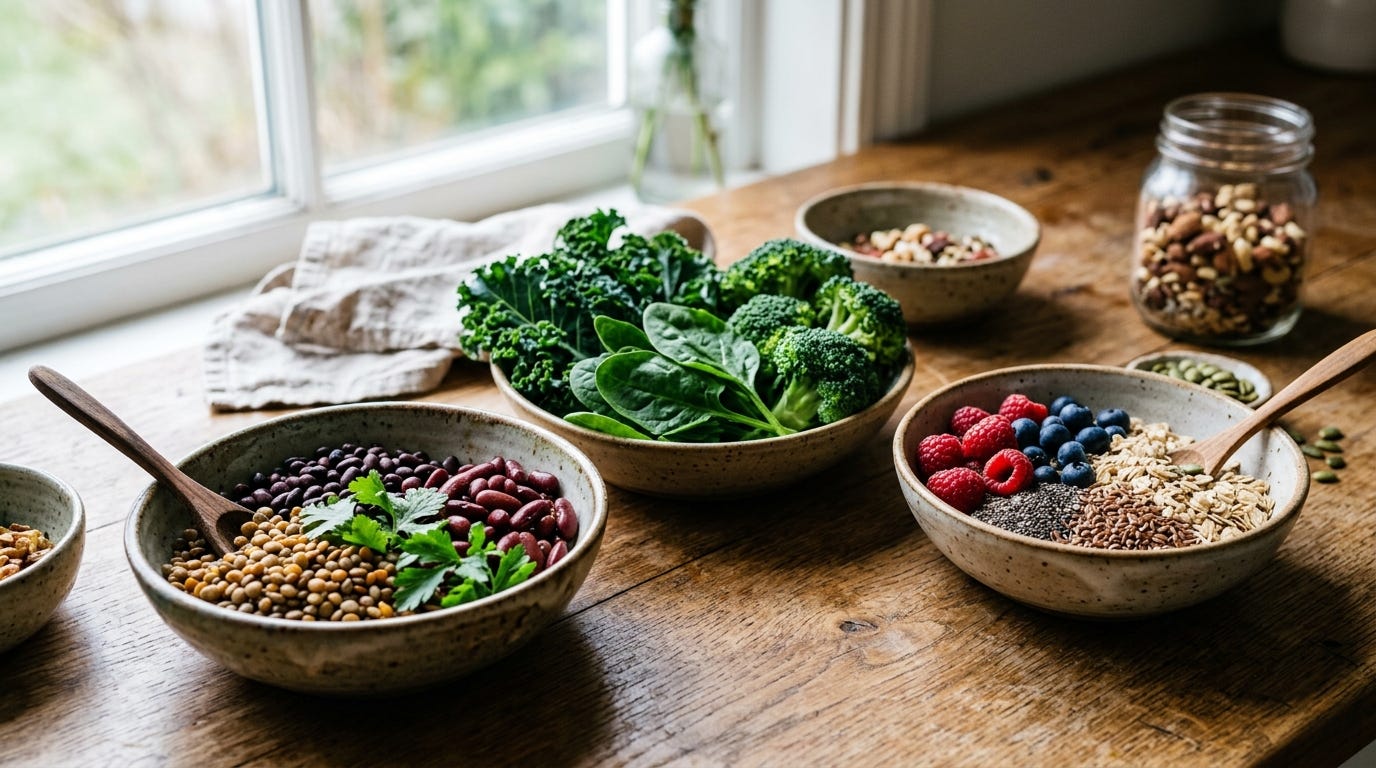
Fiber is one of the most important nutrients for digestive health because it supports regular bowel movements while providing nourishment for many of the beneficial bacteria living in your gut.
Most adults consume far less fiber than recommended, which is one reason digestive issues are so common.
Excellent sources include:
Beans
Lentils
Berries
Leafy greens
Broccoli
Chia seeds
Flaxseeds
If your diet has been low in fiber, increase your intake gradually and drink plenty of water so your digestive system has time to adjust.
2. Drink Enough Water

Water plays an essential role throughout the digestive process.
It helps soften stool, supports regular bowel movements, and allows dietary fiber to move efficiently through the digestive tract. Even mild dehydration can make digestion feel slower and less comfortable.
Keeping a reusable water bottle nearby and drinking consistently throughout the day is often more effective than trying to drink several large glasses all at once.
3. Feed Your Gut Bacteria
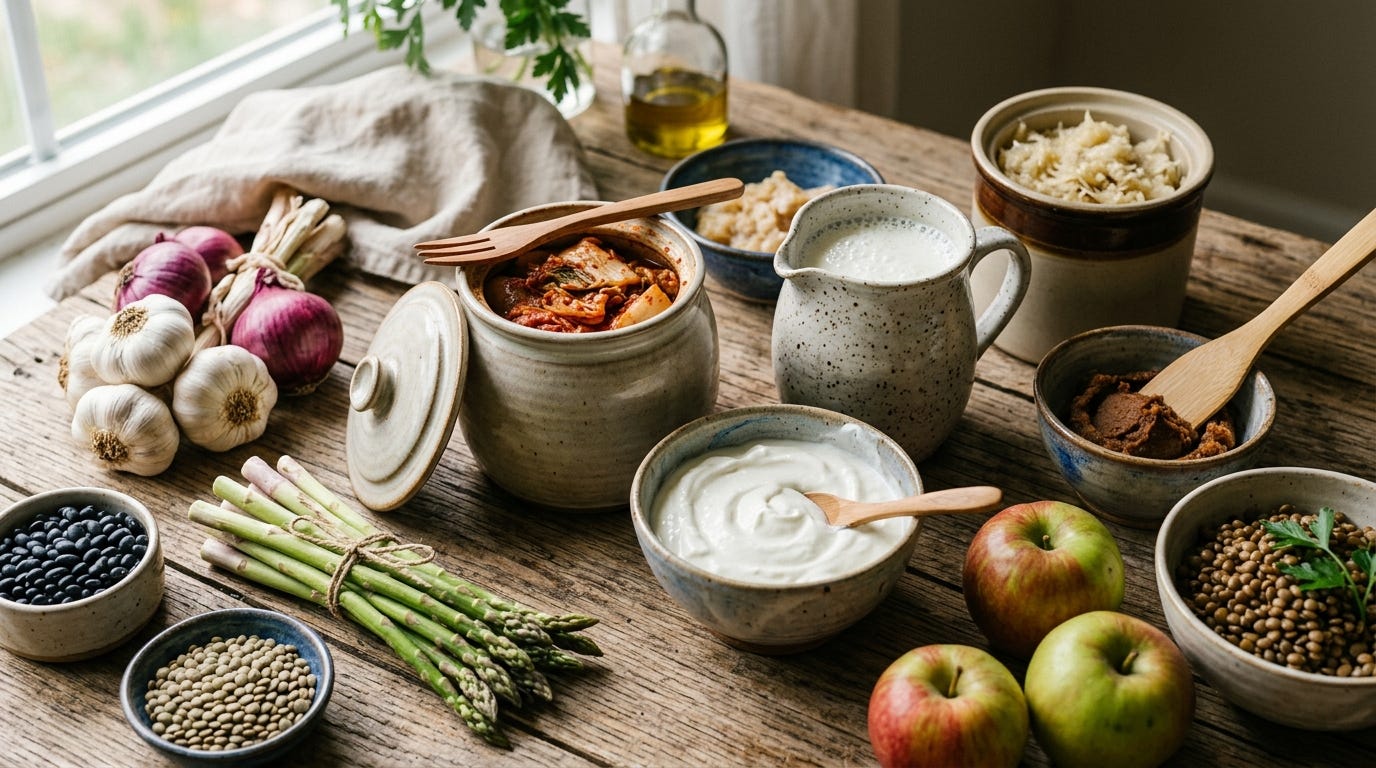
Your digestive system is home to trillions of microorganisms that help break down food, produce beneficial compounds, and support the health of your intestinal lining.
One of the best ways to support this community is by eating a wide variety of fiber-rich foods along with fermented foods that have been enjoyed for generations.
Foods that help nourish your microbiome include:
Garlic
Onions
Asparagus
Apples
Beans
Lentils
Fermented foods worth keeping in your refrigerator include:
Kefir
Plain Greek yogurt
Sauerkraut
Kimchi
Miso
Adding a few of these foods throughout the week is a simple way to support a healthier gut.
4. Slow Down While You Eat

Healthy digestion begins long before food reaches your stomach.
Taking time to chew thoroughly breaks food into smaller pieces, making it easier for your digestive system to continue the digestive process. Eating more slowly also gives your body time to recognize fullness, which many people find helps them feel more satisfied after meals.
Whenever possible, sit down, eat without rushing, and enjoy your food rather than treating meals as something to finish quickly.
5. Move Your Body Every Day

Regular movement supports far more than your muscles and heart.
Physical activity also encourages the normal movement of food through your digestive tract, helping your digestive system work efficiently throughout the day.
Even a 10 to 20-minute walk after a meal can become an easy habit that supports overall digestive health.
6. Include Healthy Fats
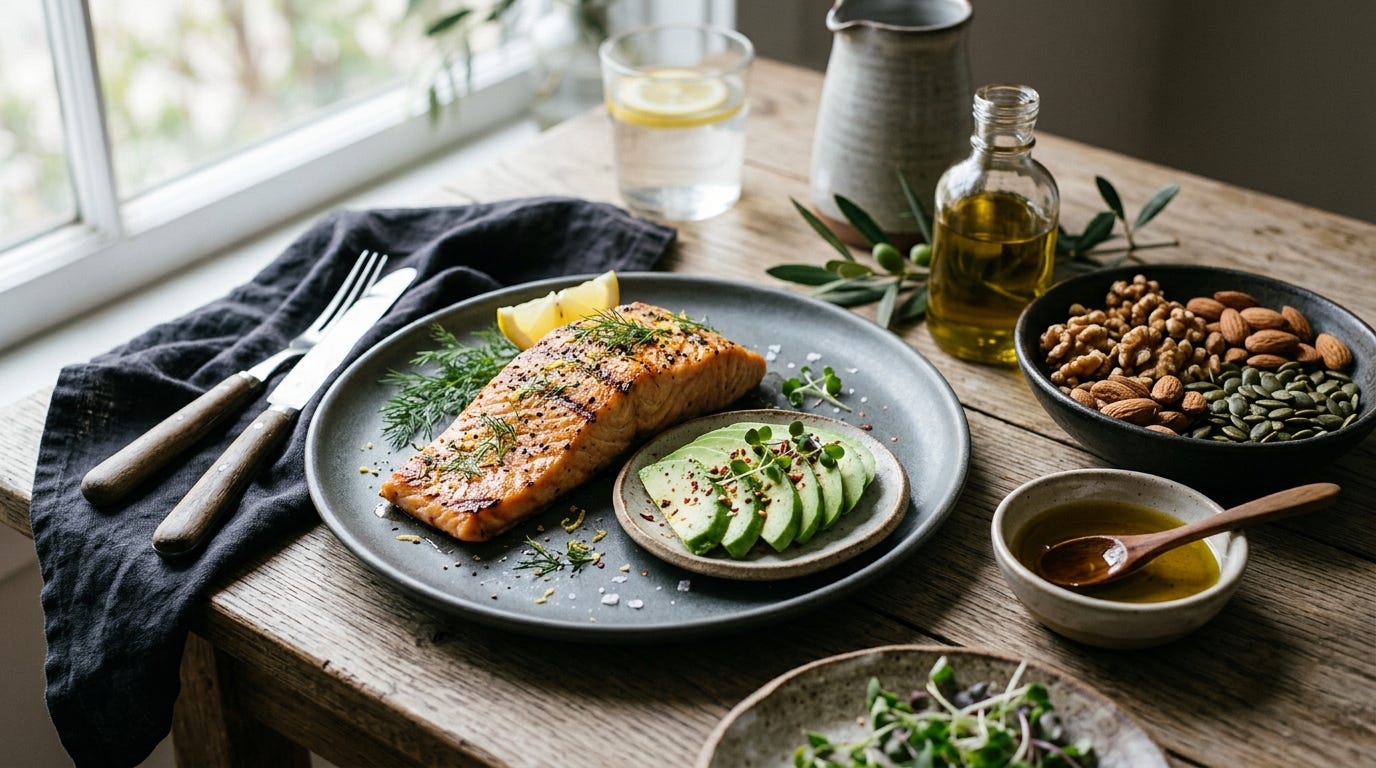
Healthy fats help slow digestion, increase satisfaction after meals, and support the absorption of fat-soluble vitamins like A, D, E, and K.
Some excellent choices include:
Extra virgin olive oil
Avocados
Walnuts
Almonds
Pumpkin seeds
Fatty fish
Building meals around protein, fiber, and healthy fats often leaves people feeling satisfied for longer while supporting balanced digestion.
7. Eat A Variety Of Plant Foods
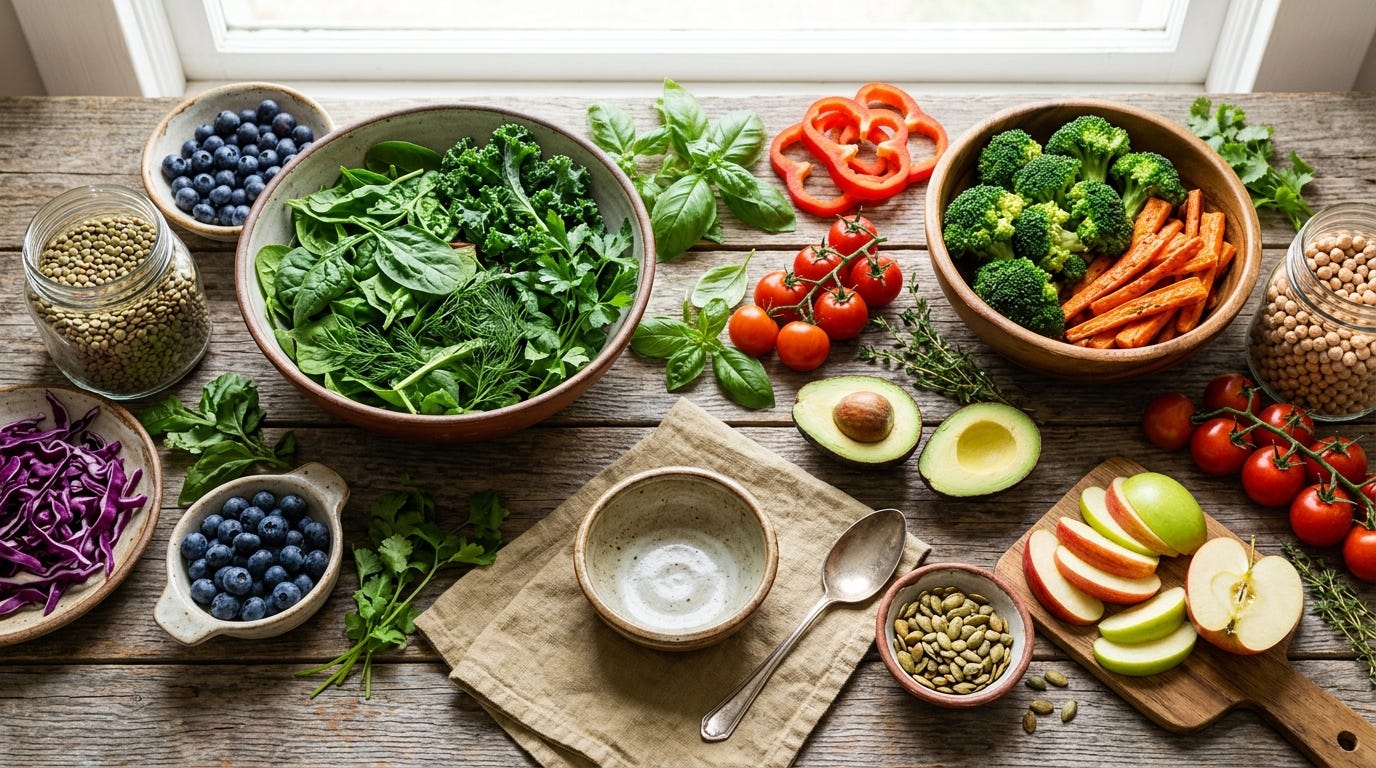
One of the simplest ways to support your digestive system is by eating a wider variety of plants throughout the week.
Different fruits, vegetables, legumes, herbs, nuts, seeds, and whole grains provide different types of fiber and naturally occurring plant compounds. Together, they help nourish the diverse community of beneficial bacteria that live throughout your digestive tract.
Instead of eating the same vegetables every day, try rotating what you buy each week.
Some excellent options include:
Spinach
Broccoli
Carrots
Blueberries
Apples
Lentils
Chickpeas
Pumpkin seeds
Fresh herbs
Over time, adding more variety to your meals can help create a healthier and more resilient gut microbiome.
8. Give Your Digestive System Time Between Meals

Many people snack from the moment they wake up until they go to bed without giving their digestive system much of a break.
Allowing several hours between meals gives your stomach time to empty and allows the normal digestive process to move food through your gastrointestinal tract. For many people, this also helps them recognize true hunger instead of eating simply because food is available.
That doesn’t mean everyone should skip meals or follow a fasting plan. Instead, aim to eat balanced meals that leave you feeling satisfied so you’re less likely to graze throughout the day.
Building a consistent eating pattern often supports digestion just as much as choosing nutritious foods.
9. Make Time To Relax

Your digestive system and nervous system are closely connected.
Periods of ongoing stress can influence appetite, digestive comfort, and the normal movement of food through the intestines. Finding healthy ways to manage stress can benefit both your mind and your gut.
Simple habits such as deep breathing, spending time outdoors, reading, stretching, prayer, meditation, or taking a short walk can all help support your body’s natural relaxation response.
10. Prioritize Sleep

A healthy digestive system depends on good sleep just as much as it depends on good nutrition.
During sleep, your body carries out many important repair and recovery processes that help support your digestive tract and overall health.
Building a consistent bedtime routine and aiming for adequate sleep each night benefits far more than your energy levels the next morning.
11. Build Balanced Meals
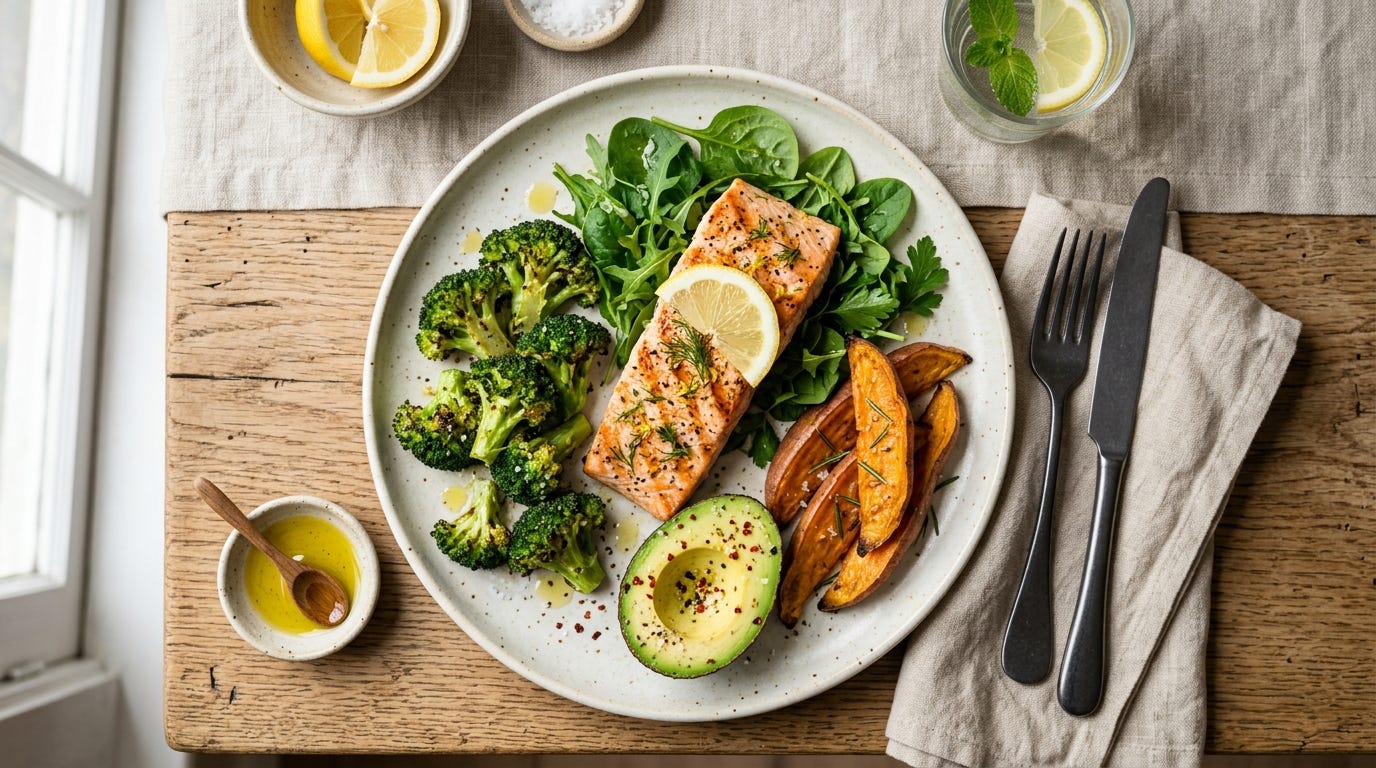
Healthy digestion becomes much easier when your meals are balanced from the start.
A simple framework is to include a quality source of protein, plenty of fiber-rich vegetables, a healthy fat, and a minimally processed carbohydrate if desired.
For example, grilled salmon served with roasted broccoli, half an avocado, and baked sweet potato naturally combines all four. Or you might pair Greek yogurt with berries, chia seeds, and walnuts for a simple breakfast that provides protein, fiber, and healthy fats.
The more often you build meals this way, the less you have to overthink healthy eating because balanced meals gradually become your default.
12. Stay Consistent

Digestive health develops gradually through the habits you practice most often.
Adding one extra serving of vegetables, drinking more water, taking a daily walk, or eating a little more slowly may seem like small changes, but those habits accumulate over time.
Healthy digestion isn’t built in a day. It’s built meal by meal, week after week, through the choices that become part of your everyday routine.
Build Better Digestion One Habit At A Time

You don’t need to completely change your diet this week.
Start by choosing one or two habits that feel realistic and build from there. As those habits become part of your routine, supporting your digestive system becomes much simpler because healthy choices begin to happen naturally.
Over time, those small improvements can add up to more comfortable digestion, better gut health, and greater overall well-being.
Bringing It Together

Building better digestion naturally begins with everyday habits. Eating more fiber, staying hydrated, nourishing your microbiome, moving regularly, managing stress, getting enough sleep, and building balanced meals all work together to support a healthier digestive system.
Progress doesn’t happen overnight, and it doesn’t require perfection. The habits you practice consistently have a far greater influence than any single meal or supplement. As those habits become part of your daily routine, healthy digestion often becomes something you no longer have to think about because your body is getting the support it needs every day.
If you enjoy practical wellness breakdowns that connect nutrition, physiology, and everyday habits without the wellness fluff, consider subscribing to Holistic Magazine.
Paid subscribers receive the deeper protocols, advanced nutrition guides, meal systems, and premium wellness breakdowns we usually can’t fit into regular posts.
We publish two premium articles each week.