


Hi friends,
When people think about supporting healthy blood sugar, they often focus on what they should stop eating.
Less sugar.
Fewer desserts.
Smaller portions.
While those things can matter, what you keep in your kitchen is often just as important.
When your refrigerator and pantry are stocked with nourishing foods, healthy choices become much easier.
You don’t have to rely on willpower every time you’re hungry.
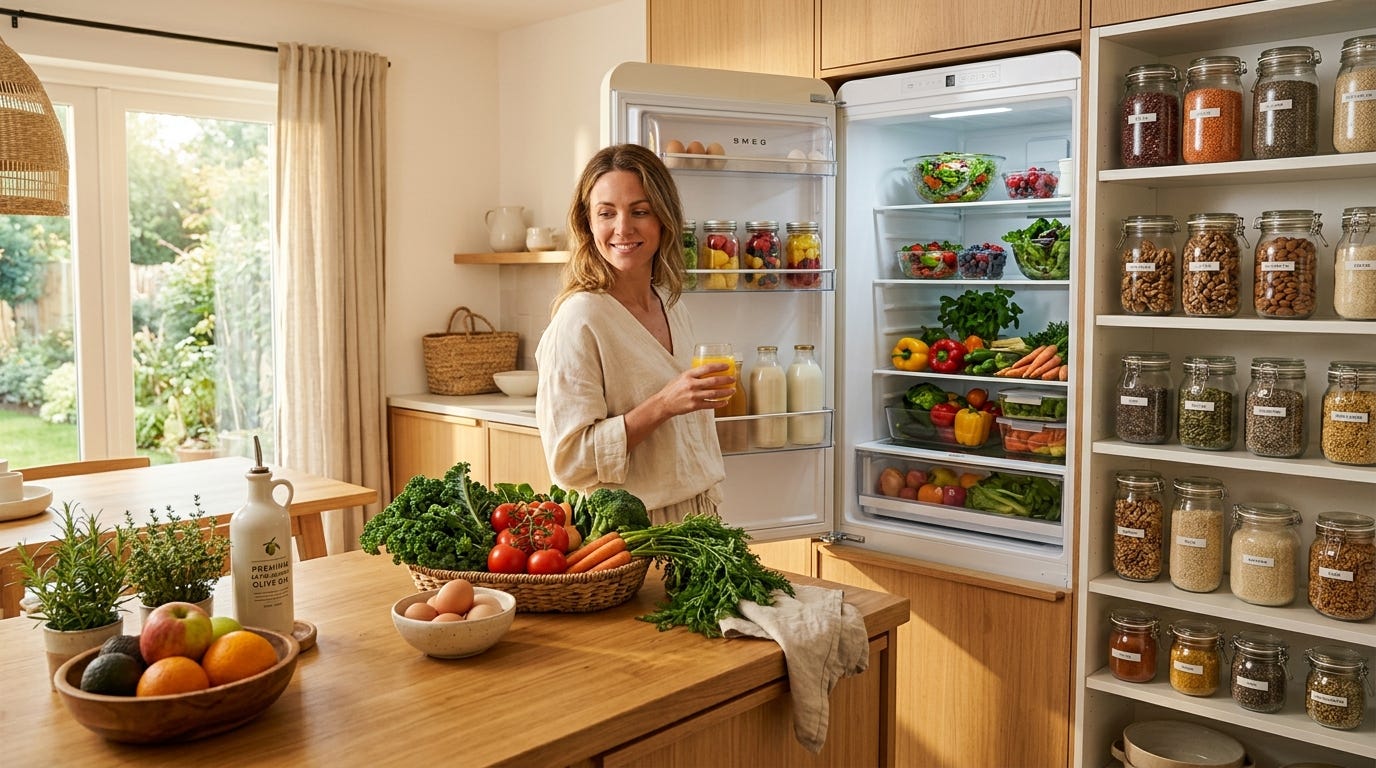
Instead, your environment naturally encourages better decisions.
No single food can control blood sugar on its own.
But building meals around fiber, protein, healthy fats, and minimally processed foods can help support steadier energy and healthy glucose metabolism as part of an overall healthy lifestyle.
Today we’ll walk through the foods worth keeping in your refrigerator, freezer, and pantry so healthy choices become the easiest choices.
In Less Than 10 Minutes, We’ll Cover:
The best proteins to keep stocked
Why fiber belongs in every meal
Healthy fats that support balanced eating
Smart pantry staples
Simple foods that make healthy meals easier
How to shop smarter
How to build balanced meals without overthinking them
Before we begin, if you enjoy practical wellness breakdowns that connect nutrition, physiology, and everyday habits without the wellness fluff, consider subscribing to Holistic Magazine.
Free subscribers receive structured, science-backed wellness articles each week.
Paid subscribers receive the deeper protocols, advanced nutrition guides, meal systems, and premium wellness breakdowns we usually can’t fit into regular posts.
Here’s what paid subscribers are reading right now:
We publish two premium articles each week.
1. Eggs
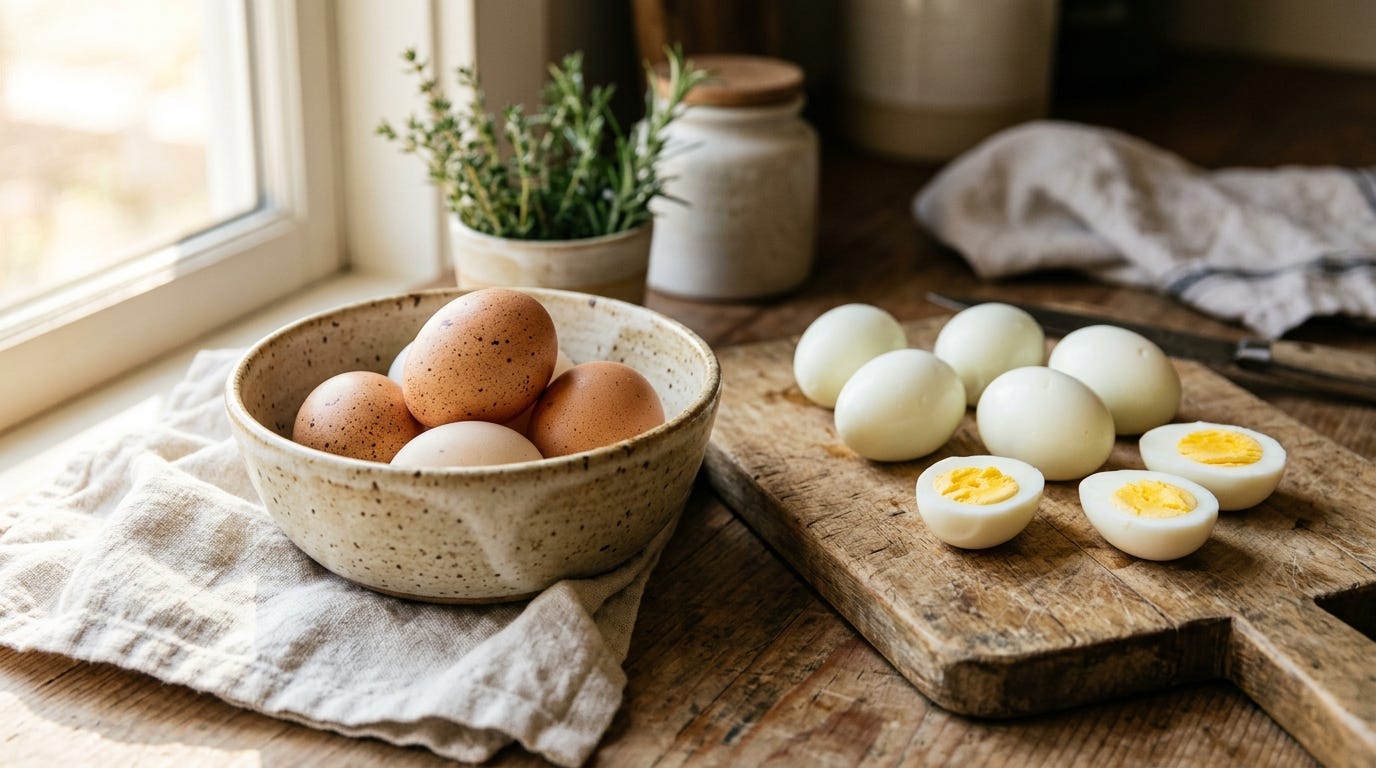
Eggs are one of the simplest foods you can keep in your refrigerator.
They provide high-quality protein that’s easy to prepare and works for breakfast, lunch, or dinner. They’re also inexpensive, versatile, and easy to cook ahead of time.
Keep a batch of hard-boiled eggs in the refrigerator for quick meals or snacks throughout the week.
2. Greek Yogurt
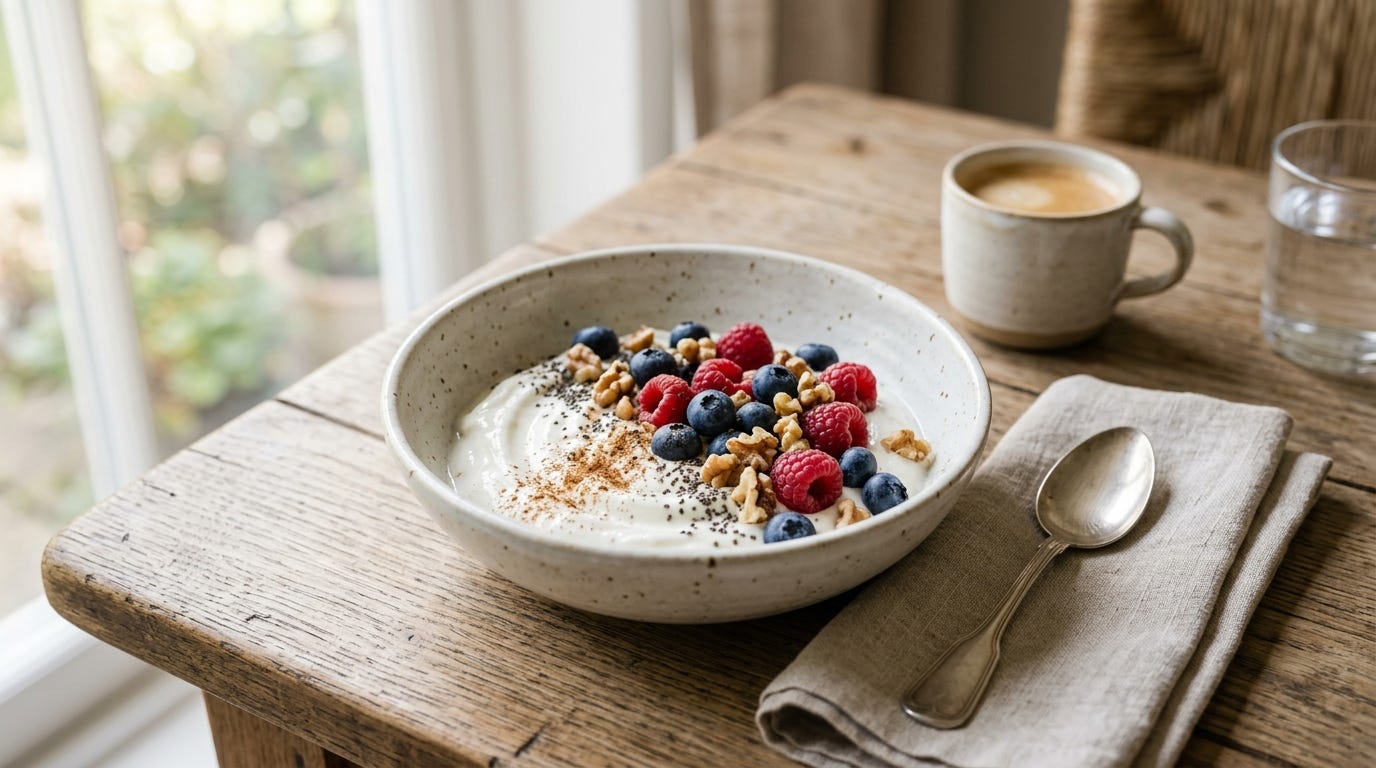
Plain Greek yogurt is another refrigerator staple worth buying regularly.
It provides protein while containing less sugar than many flavored varieties. It also pairs well with fiber-rich foods, making it easy to build a balanced breakfast or snack.
Try topping it with:
Berries
Chia seeds
Walnuts
Cinnamon
3. Frozen Berries
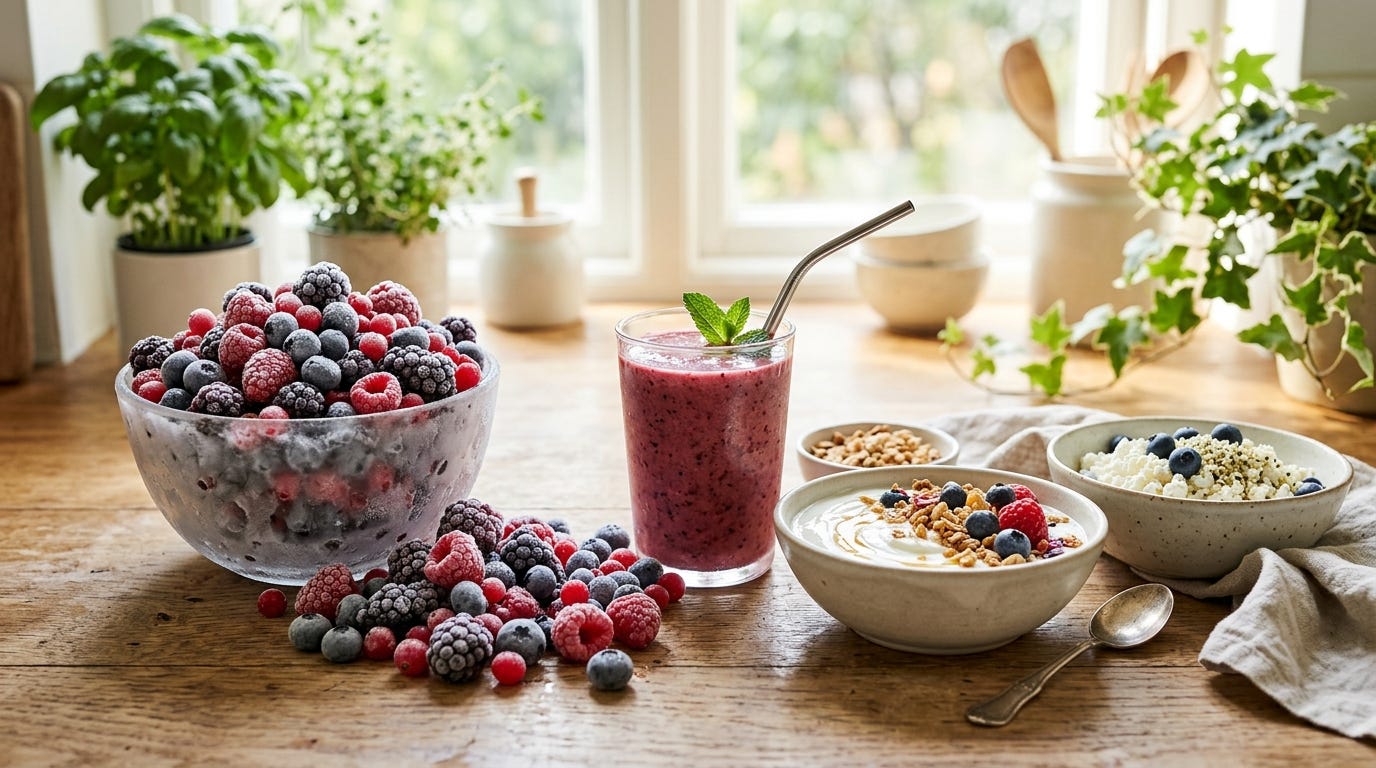
Fresh fruit doesn’t always last long.
That’s one reason frozen berries are such a smart freezer staple.
They’re naturally rich in fiber and beneficial plant compounds while being available year-round. They’re also picked and frozen at peak ripeness, helping preserve many of their nutrients.
Add them to smoothies, Greek yogurt, cottage cheese, or simply thaw them for a quick snack.
4. Beans And Lentils
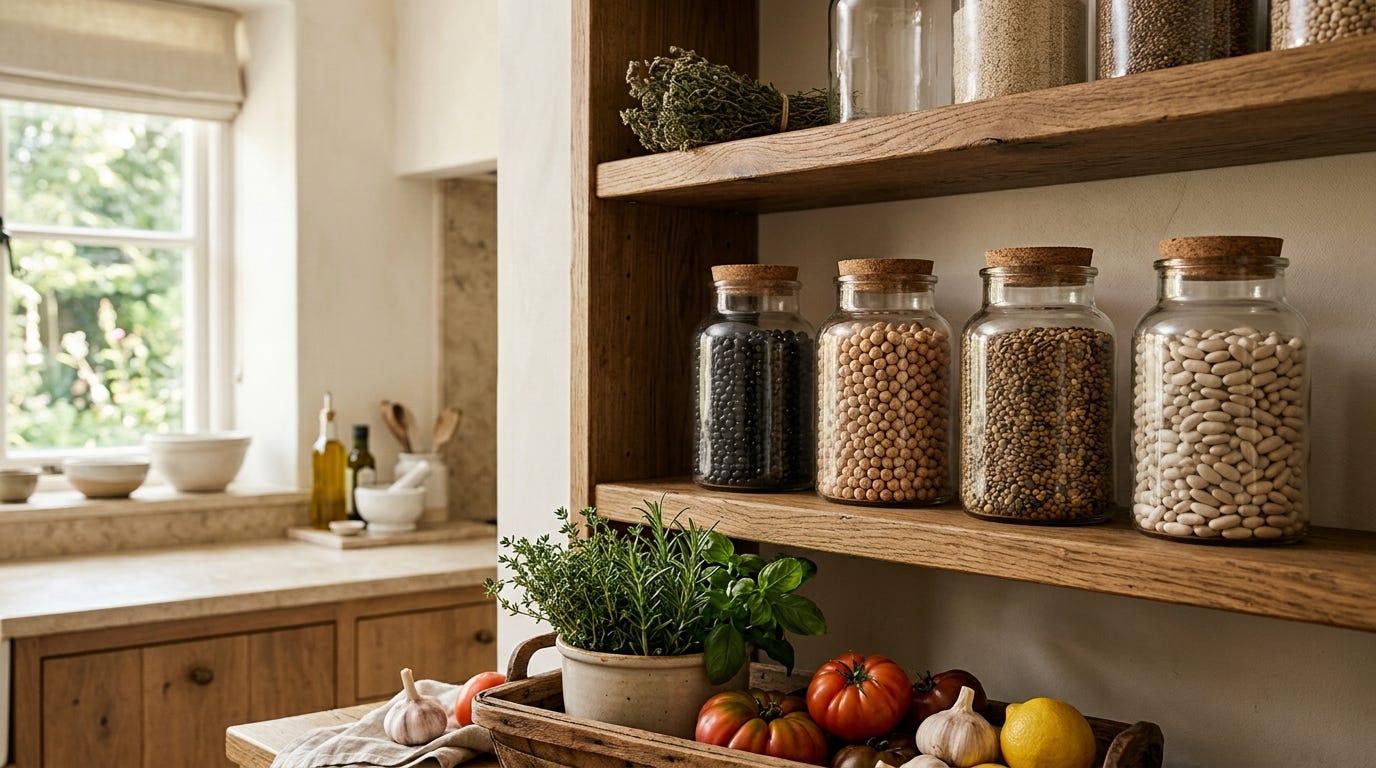
Beans and lentils deserve a permanent place in almost every kitchen.
They’re one of the few foods that naturally combine plant protein with a generous amount of fiber, making them both filling and incredibly versatile. They also contain important minerals like magnesium and potassium that support overall health.
Keep a few varieties in your pantry so they’re always available for quick meals.
Good options include:
Black beans
Chickpeas
Lentils
Cannellini beans
They can easily be added to soups, salads, tacos, grain bowls, or served alongside roasted vegetables for a simple, satisfying meal.
5. Avocados
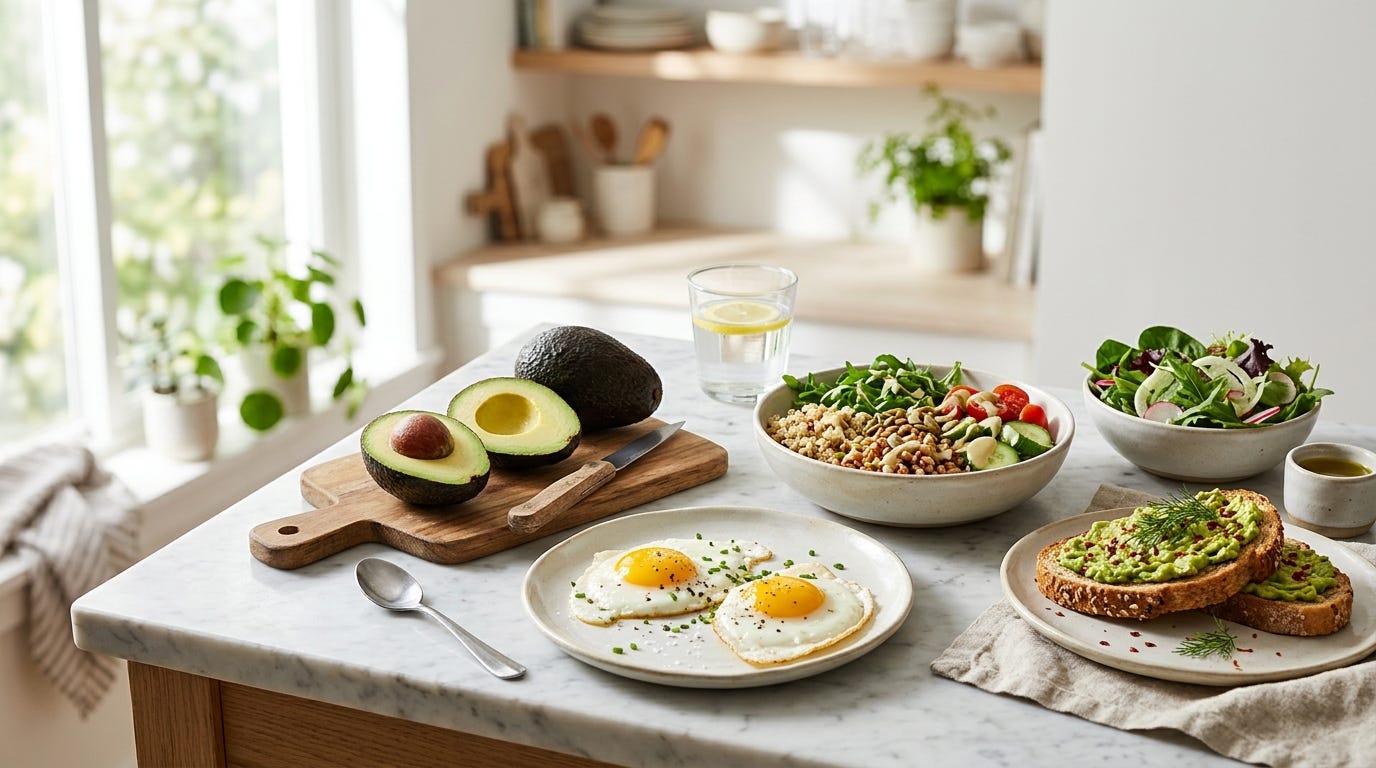
Avocados are another staple worth buying regularly.
Unlike many processed spreads or snacks, avocados provide fiber along with heart-healthy monounsaturated fats. Pairing healthy fats with meals can make them more satisfying while slowing digestion as part of a balanced meal.
They’re also remarkably versatile.
Try adding avocado to:
Eggs
Salads
Sandwiches
Grain bowls
Or simply enjoy half an avocado with lunch.
Keeping a few ripe avocados on the counter and extras in the refrigerator makes healthy meals much easier to put together.
6. Nuts And Seeds
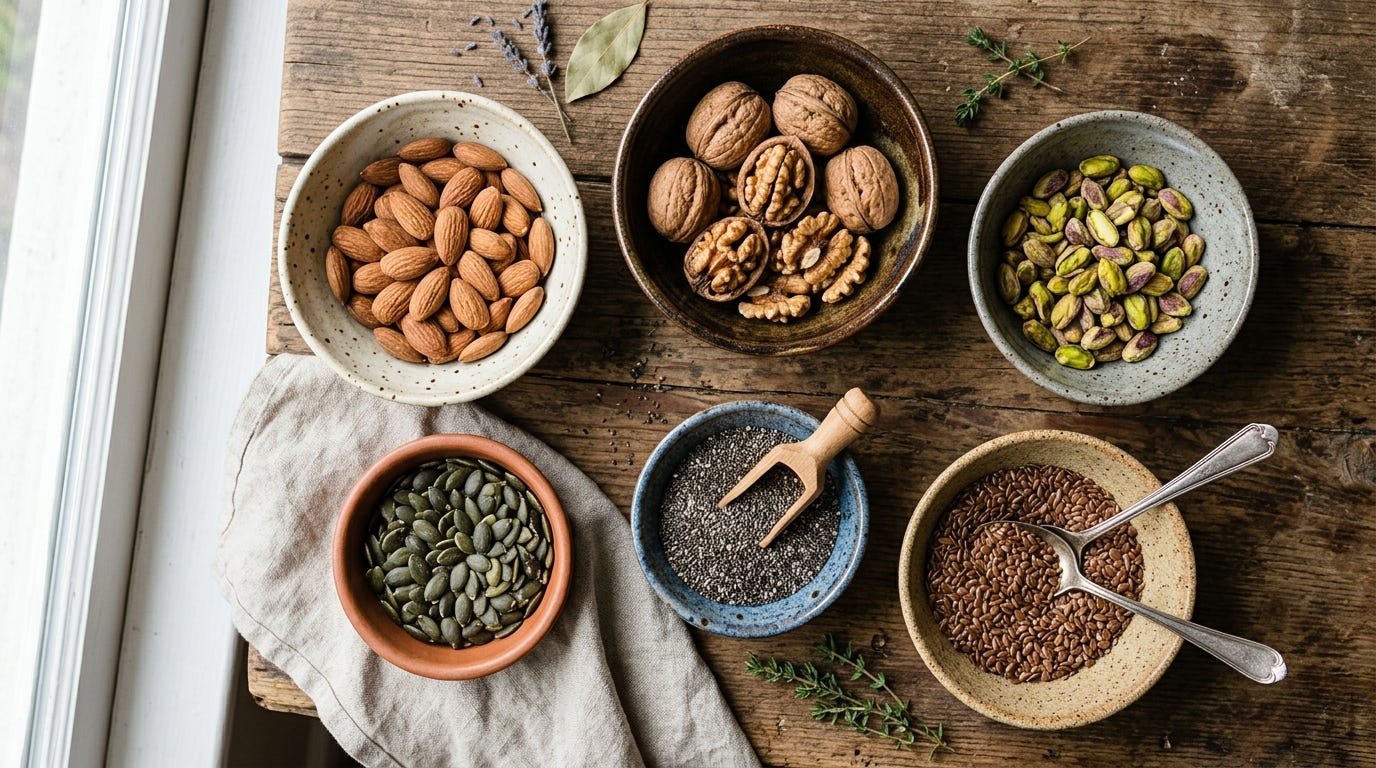
Nuts and seeds are small foods that deliver a surprising amount of nutrition.
They provide healthy fats, fiber, protein, and important minerals that support overall health while making meals more satisfying.
Keep a variety on hand, including:
Almonds
Walnuts
Pumpkin seeds
Pistachios
Chia seeds
Flaxseeds
They’re easy to sprinkle over yogurt, salads, or roasted vegetables.
7. Leafy Greens
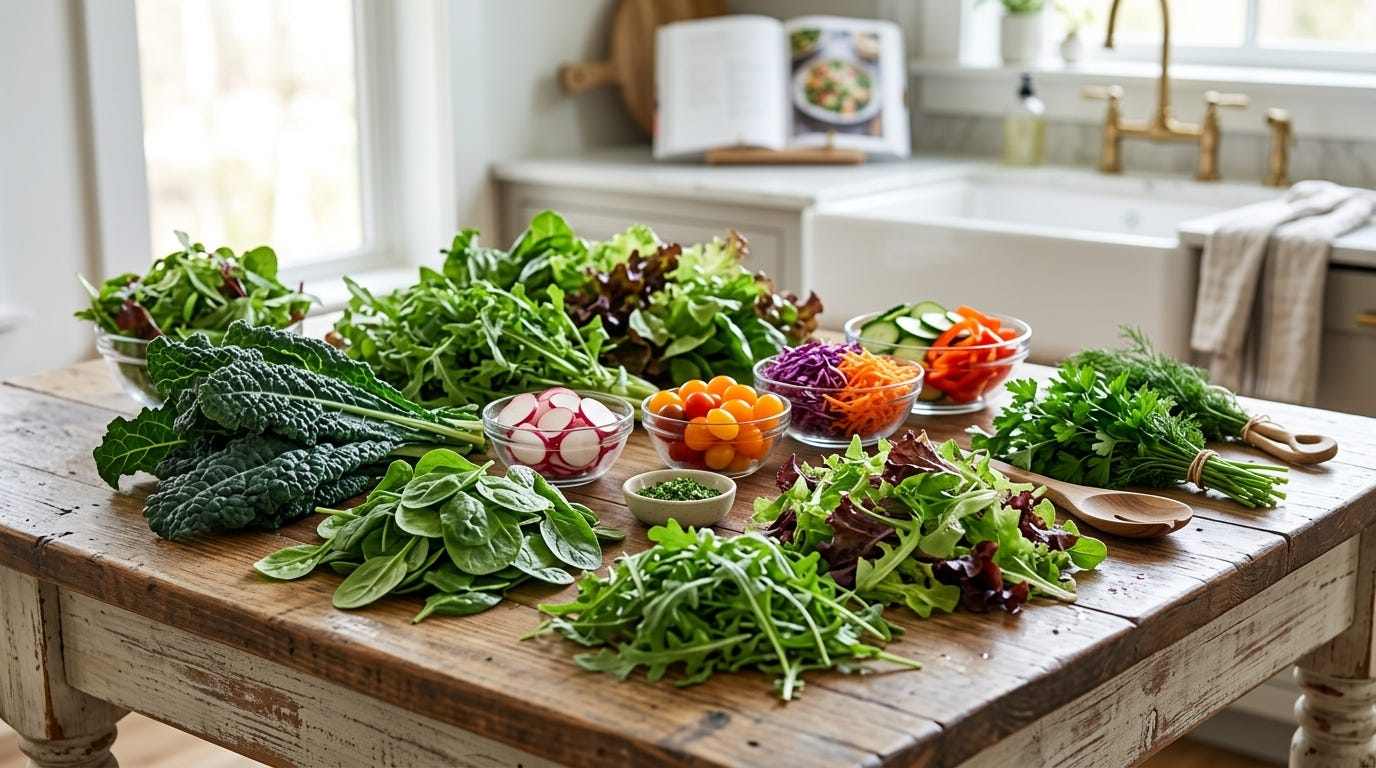
Leafy greens are one of the easiest ways to increase the nutritional quality of almost any meal.
Spinach, kale, arugula, and mixed greens provide fiber along with vitamins, minerals, and beneficial plant compounds.
Buying pre-washed greens makes it much easier to throw together a quick salad or add vegetables to sandwiches, soups, omelets, and smoothies.
8. Extra Virgin Olive Oil

Not all cooking oils are created equal.
Extra virgin olive oil has been a cornerstone of Mediterranean-style eating patterns for centuries and has been extensively studied for its role in supporting heart and metabolic health.
Its naturally occurring polyphenols help distinguish it from more highly refined oils.
Use it regularly for:
Roasted vegetables
Salad dressings
Cooked beans
Drizzling over fish
Simple meals often become more flavorful with just a little olive oil and fresh herbs.
9. Canned Fish
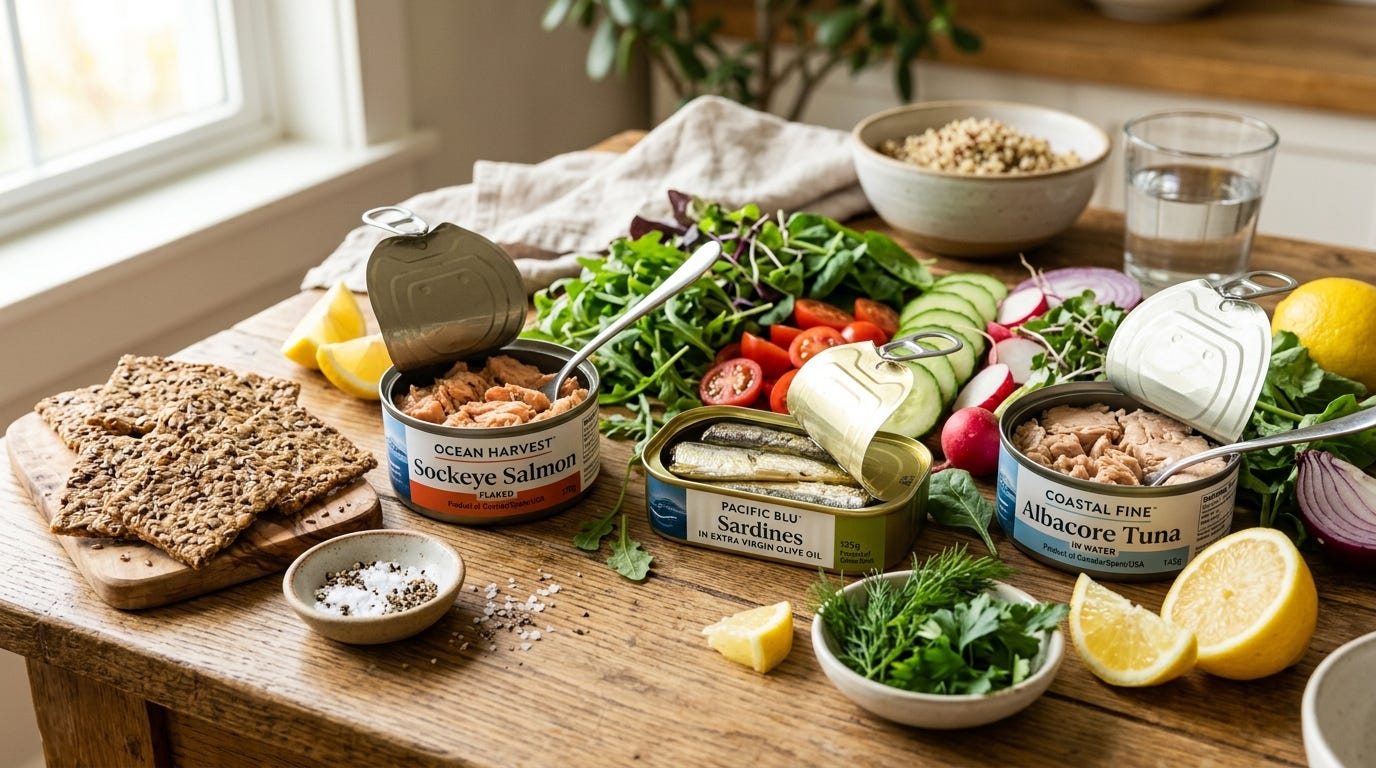
Canned fish is one of the most convenient sources of protein you can keep in your pantry.
Sardines, salmon, and tuna require little preparation and make quick lunches or dinners when you’re short on time.
Choose varieties packed in water or extra virgin olive oil when possible.
Pair them with vegetables, beans, or whole-grain crackers for an easy balanced meal.
10. Cinnamon
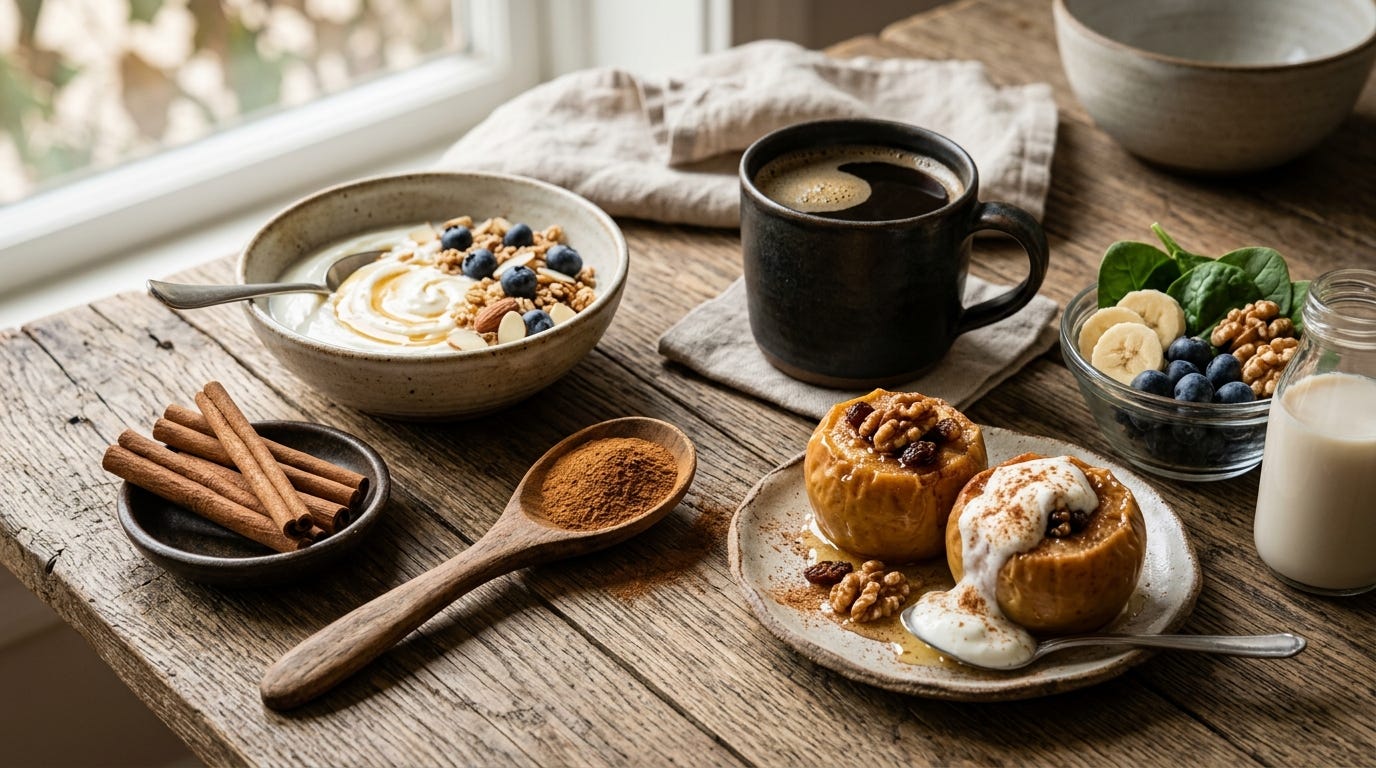
A simple jar of cinnamon can go a long way.
Besides adding flavor without added sugar, cinnamon contains naturally occurring polyphenols that have been studied for their potential role in supporting healthy glucose metabolism as part of an overall healthy diet.
Try sprinkling it into:
Coffee
Greek yogurt
Smoothies
Cottage cheese
Or baked apples.
11. Apple Cider Vinegar

A bottle of apple cider vinegar is another simple pantry staple that many people find useful.
Some studies suggest that consuming vinegar before carbohydrate-rich meals may help support healthy post-meal blood sugar responses. While it isn’t a replacement for an overall healthy eating pattern, it can be one small piece of a balanced routine.
If you decide to try it, always dilute it first.
A common approach is:
1 tablespoon
Mixed into a large glass of water
Consumed shortly before a meal
Avoid drinking vinegar straight, as it can irritate the mouth and throat and contribute to tooth enamel erosion.
12. Shop The Perimeter First
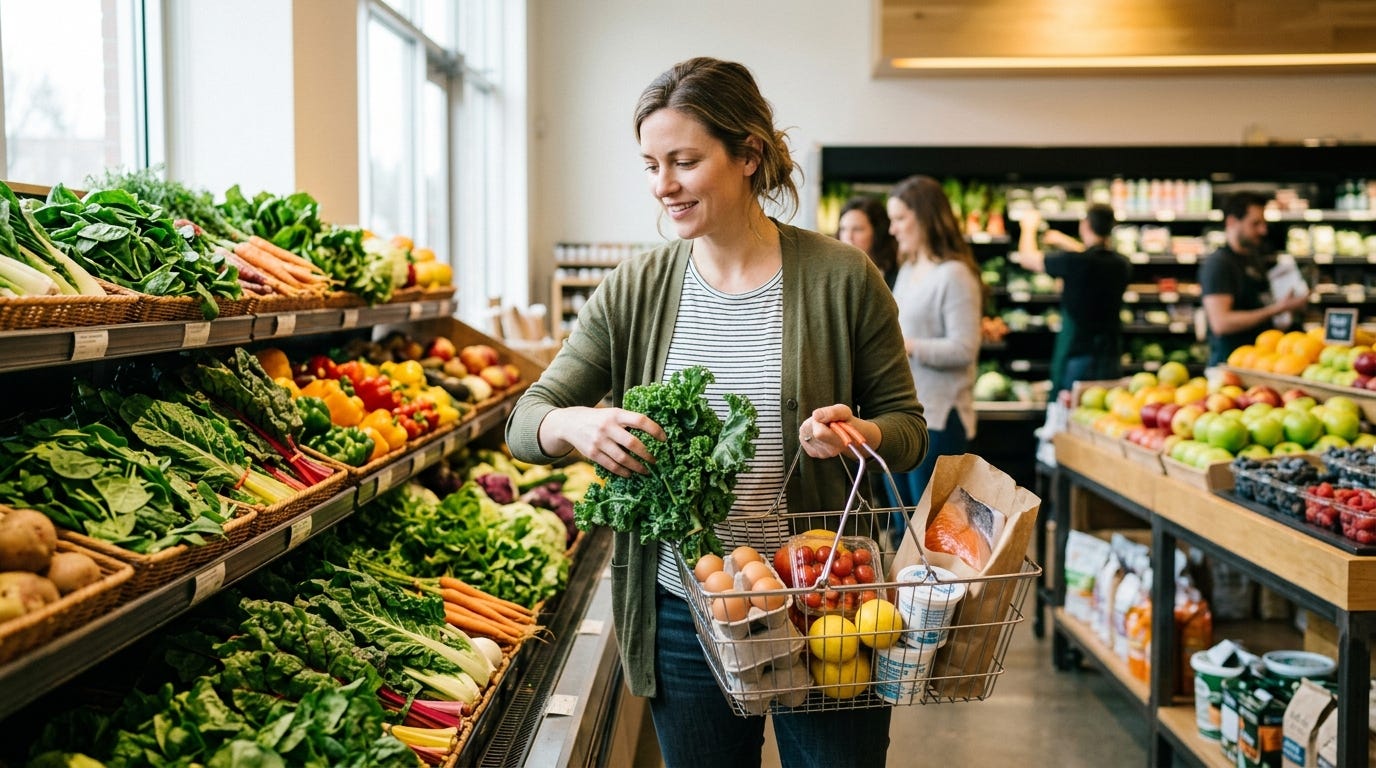
One simple strategy can make grocery shopping much easier.
Many of the foods that support balanced meals are found around the outer edges of the grocery store.
That’s where you’ll typically find fresh vegetables, fruit, eggs, dairy, seafood, and lean proteins.
The center aisles still have plenty of healthy options, but they’re also where many highly processed foods are located.
When you start by filling your cart with whole foods first, the rest of your shopping becomes much easier.
Good pantry staples to pick up include:
Beans
Lentils
Nuts
Seeds
Extra virgin olive oil
Herbs and spices
Canned fish
Frozen berries
You don’t have to avoid the middle aisles completely.
Just let whole foods make up the majority of your cart.
13. Build Meals, Not Just A Grocery List
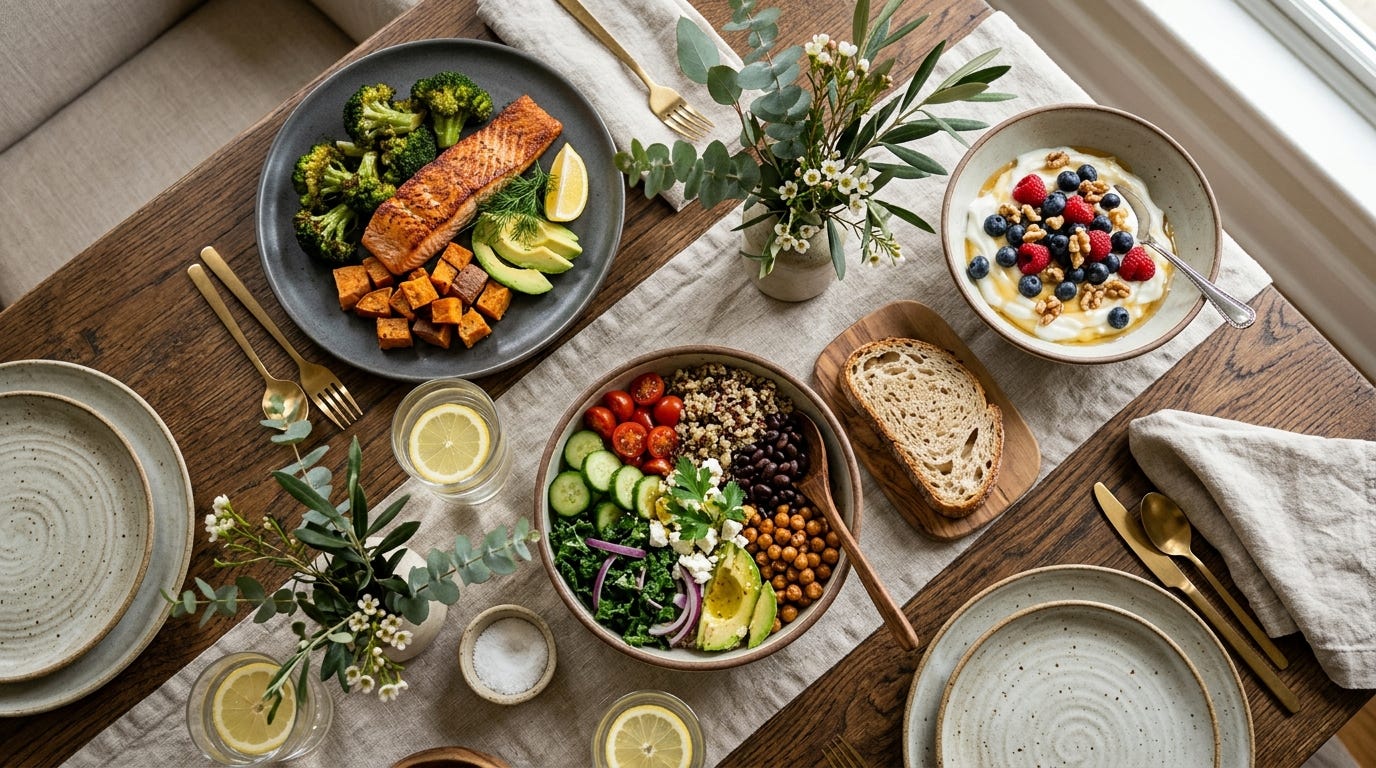
A blood sugar-friendly kitchen isn’t simply about buying the right foods.
It’s about making it easy to build balanced meals every day without having to think too much about it.
One simple approach is to include four components whenever possible: a source of protein, plenty of fiber-rich vegetables, a healthy fat, and a minimally processed carbohydrate if desired.
For example, grilled salmon served with roasted broccoli, half an avocado, and baked sweet potato naturally combines all four.
Or you might pair Greek yogurt with berries, chia seeds, and walnuts for a quick breakfast.
The more often you build meals this way, the less you have to rely on counting calories or following complicated food rules. Healthy eating gradually becomes your default instead of something you have to work at.
Build Your Kitchen One Food At A Time
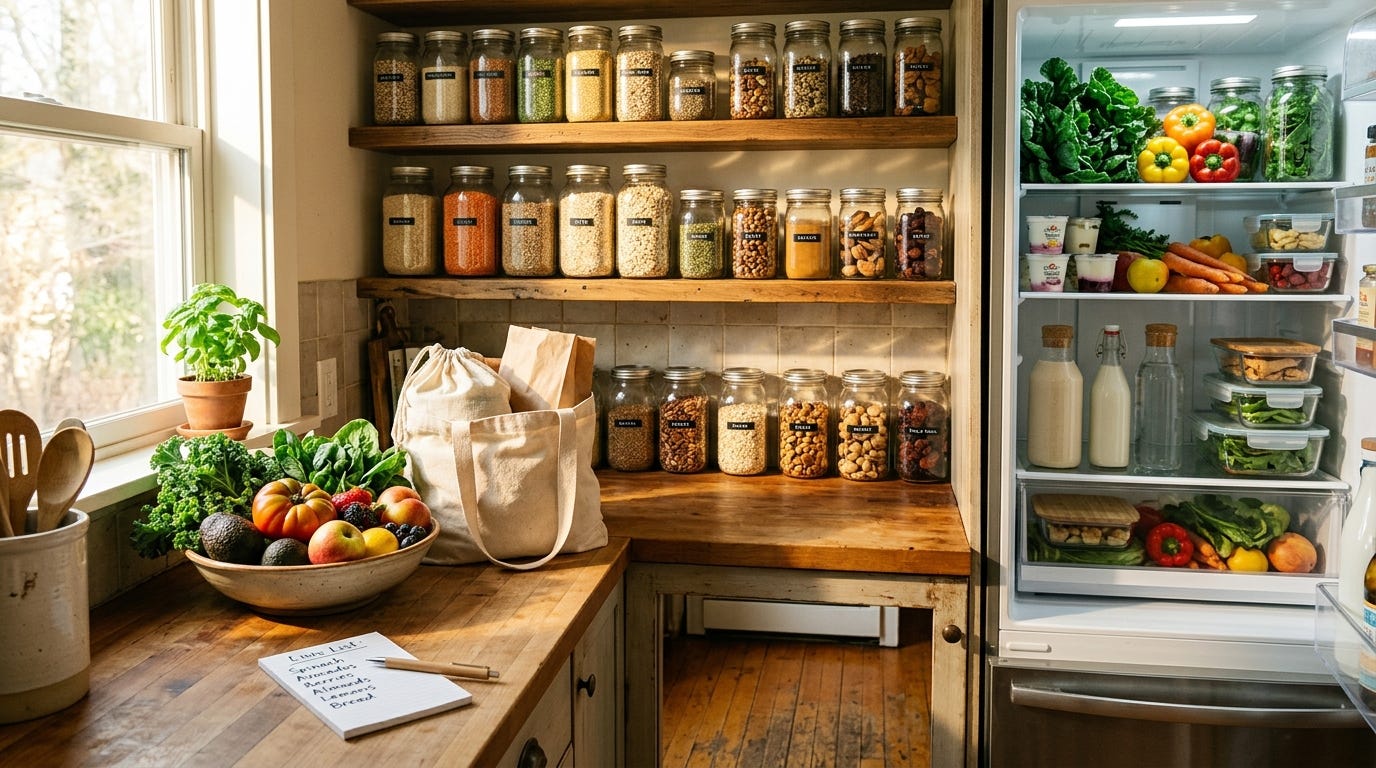
You don’t need to throw away everything in your pantry.
You don’t need to completely change how you eat overnight.
Start by adding one or two nutrient-dense foods each week.
As your kitchen changes, your habits often begin to change with it.
Healthy eating becomes less about willpower and more about convenience.
When nourishing foods are the easiest option, they’re also the ones you’re most likely to choose consistently.
Bringing It Together
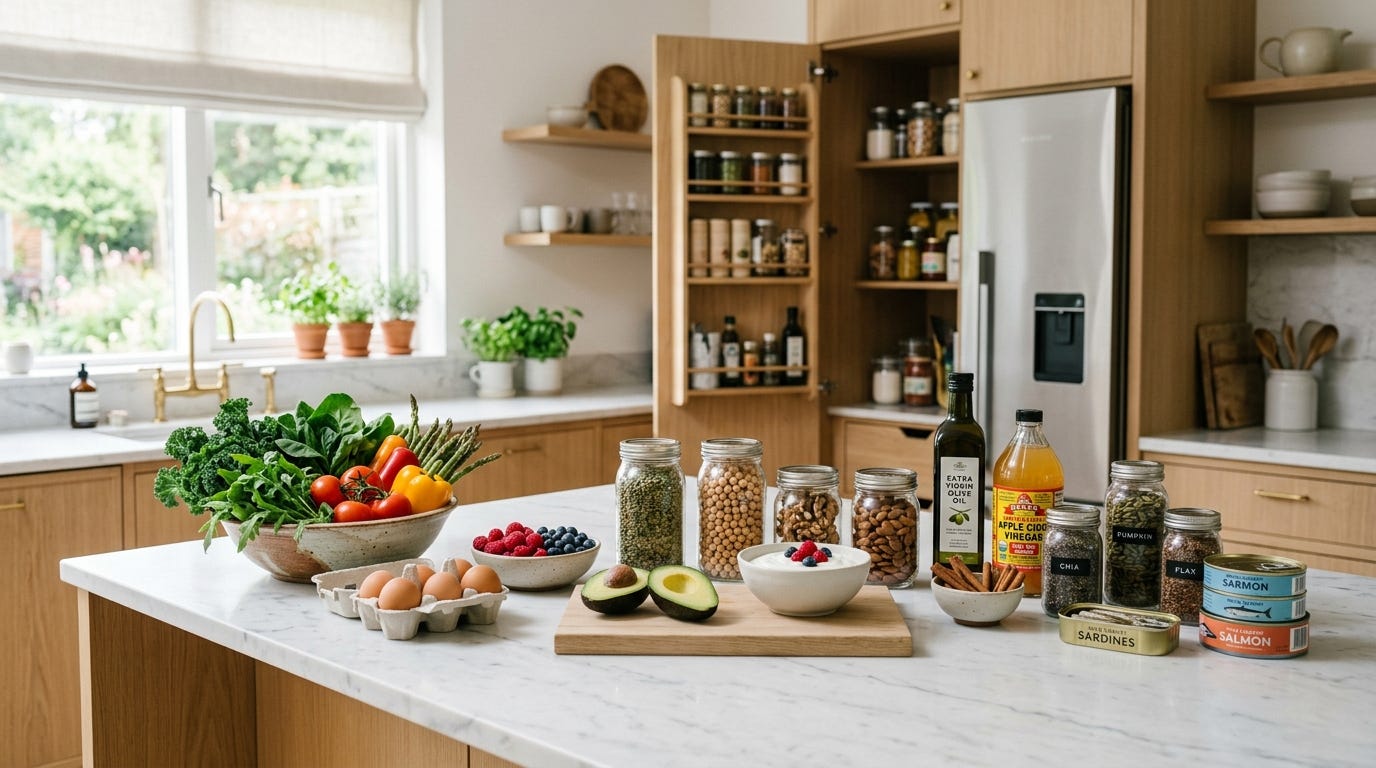
Supporting healthy blood sugar doesn’t begin with a restrictive diet.
It begins with creating an environment that makes nourishing choices easier every day.
Stocking your kitchen with protein-rich foods, fiber-rich carbohydrates, healthy fats, colorful produce, and simple pantry staples helps you build balanced meals without overthinking every decision.
Perfection isn’t the goal.
Consistency is.
Over time, those small choices can add up to healthier eating patterns that support steady energy, metabolic health, and overall well-being.
If you enjoy practical wellness breakdowns that connect nutrition, physiology, and everyday habits without the wellness fluff, consider subscribing to Holistic Magazine.
Paid subscribers receive the deeper protocols, advanced nutrition guides, meal systems, and premium wellness breakdowns we usually can’t fit into regular posts.
We publish two premium articles each week.
Thanks for the good info!