


Hi friends,
Most people assume food fraud is rare. Something that happens overseas, or only with luxury foods most of us don’t buy regularly.
In reality, some of the most commonly eaten foods are also the most commonly altered, diluted, substituted, or mislabeled. Not always in ways that are dramatic or immediately dangerous, but in ways that quietly change what you’re actually consuming.
This matters more than people realize.
When food looks the same but is structurally different, the body often responds differently. Digestion can feel heavier. Energy can feel flatter. Blood sugar responses can feel less predictable. And people are left wondering why foods that “should be healthy” don’t land the way they expect.
What’s tricky is that “faked” doesn’t always mean fake food. It often means:
cheaper substitutions
lower concentrations of the real ingredient
flavor added instead of structure preserved
processing used to mimic quality
Over time, these small changes add up. Not enough to cause alarm, but enough to matter.
🌿 IN LESS THAN 10 MINUTES WE’LL COVER:
Which everyday foods are most often faked or diluted
How food fraud usually shows up in normal grocery stores
Why this affects digestion and nutrient density
How to choose better without becoming obsessive
Weekly Insight
The 10 Most Often Faked Foods

1. Olive Oil
Olive oil is one of the most commonly adulterated foods in the world. Many bottles labeled “extra virgin” are diluted with cheaper vegetable oils or made from refined oil that lacks the compounds people expect.
Why it matters:
lower polyphenol content
less anti-inflammatory benefit
different digestion response
Real olive oil often has a peppery or slightly bitter finish and comes in dark bottles with harvest or origin information.
2. Honey
Honey is frequently cut with corn syrup, rice syrup, or other sweeteners. Even “raw” or “natural” labels don’t guarantee purity.
Why it matters:
higher glycemic response
fewer antimicrobial compounds
less digestive support
Real honey tends to crystallize over time and has flavor variation based on source.
3. Fish (Especially “White Fish”)
Species substitution is common. Lower-cost fish are often sold as higher-value varieties.
Why it matters:
different omega-3 content
different protein structure
different tolerance for some people
This is one reason fish can feel energizing for some people and heavy or inflammatory for others.
4. Spices (Turmeric, Cinnamon, Paprika)
Ground spices are often diluted with fillers or made from lower-quality plant material. Some contain added color rather than potency.
Why it matters:
reduced antioxidant content
weaker anti-inflammatory effects
more digestive irritation for some people
Freshness and sourcing matter more than most people realize.
5. Coffee
Coffee can include low-grade beans, fillers, or heavy processing to mask quality.
Why it matters:
increased bitterness
more stomach irritation
shakier energy response
Many people tolerate coffee better simply by improving quality, not eliminating it.
6. Vanilla
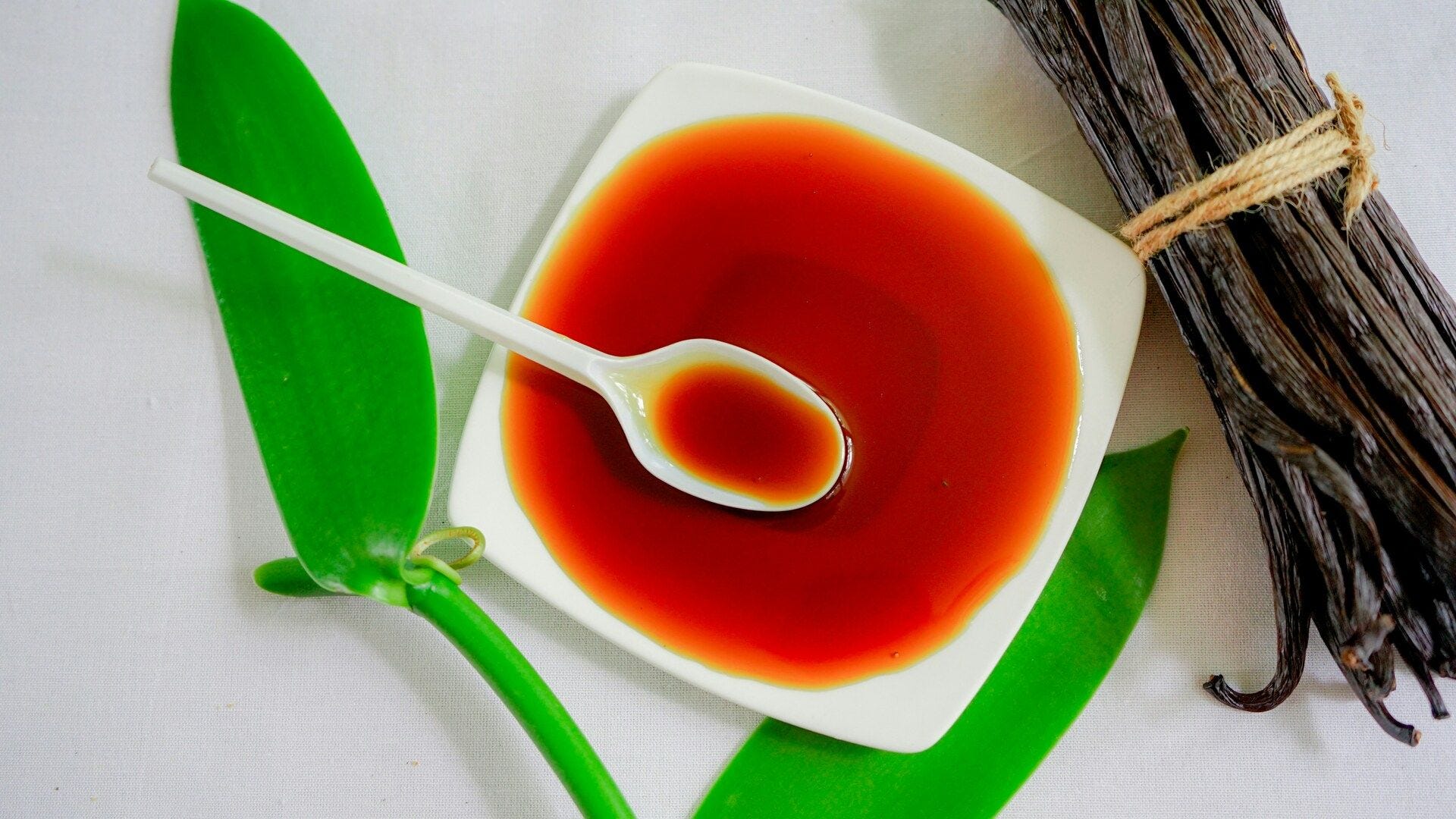
Most “vanilla” flavoring is synthetic. Real vanilla extract contains only vanilla beans, alcohol, and water.
Why it matters:
synthetic flavors don’t behave the same in the body
flavor intensity can override natural appetite signals
7. Maple Syrup
Many products are flavored corn syrup. Real maple syrup has a single ingredient.
Why it matters:
different mineral content
different blood sugar response
different digestion experience
8. Parmesan Cheese
Often blended with cellulose or substituted cheeses.
Why it matters:
altered protein structure
different fermentation byproducts
more bloating for some people
Authentic versions list milk, enzymes, and salt only.
9. Fruit Juice
Often reconstituted from concentrate, stripped of nutrients, then flavored to taste fresh.
Why it matters:
higher sugar concentration
less fiber and micronutrient support
faster blood sugar spikes
10. Wasabi
Usually horseradish, mustard, and green dye. Real wasabi is rare and perishable.
Why it matters:
flavor intensity without functional compounds
more irritation than benefit
Why This Matters More Than It Seems
When foods are diluted or substituted, the issue isn’t just ethics or labeling.
It affects:
nutrient density
fat quality
digestion tolerance
blood sugar stability
inflammatory load
Many people feel better not by cutting foods out, but by improving food integrity.
How to Avoid the Biggest Traps Without Obsessing
You don’t need to audit every item in your kitchen.
Helpful shifts include:
reading ingredient lists instead of front labels
choosing fewer, higher-quality versions of staple foods
being cautious with extremely cheap versions of premium foods
favoring single-ingredient products when possible
paying attention to how foods feel, not just how they’re marketed
Quality matters most for foods you use often.
Simplifying the Science
Food works best when it’s structurally intact.
When fats are replaced, proteins swapped, or nutrients stripped and rebuilt artificially, the body often responds differently, even if calories look similar.
This is one reason digestion, energy, and inflammation can improve with quality upgrades alone.
Article Insights
Key Takeaways
Food fraud is more common than most people realize
“Natural” and “premium” labels don’t guarantee integrity
Dilution changes digestion and nutrient value
A few quality upgrades matter more than many rules
Simpler ingredient lists usually signal better food