


Hi friends,
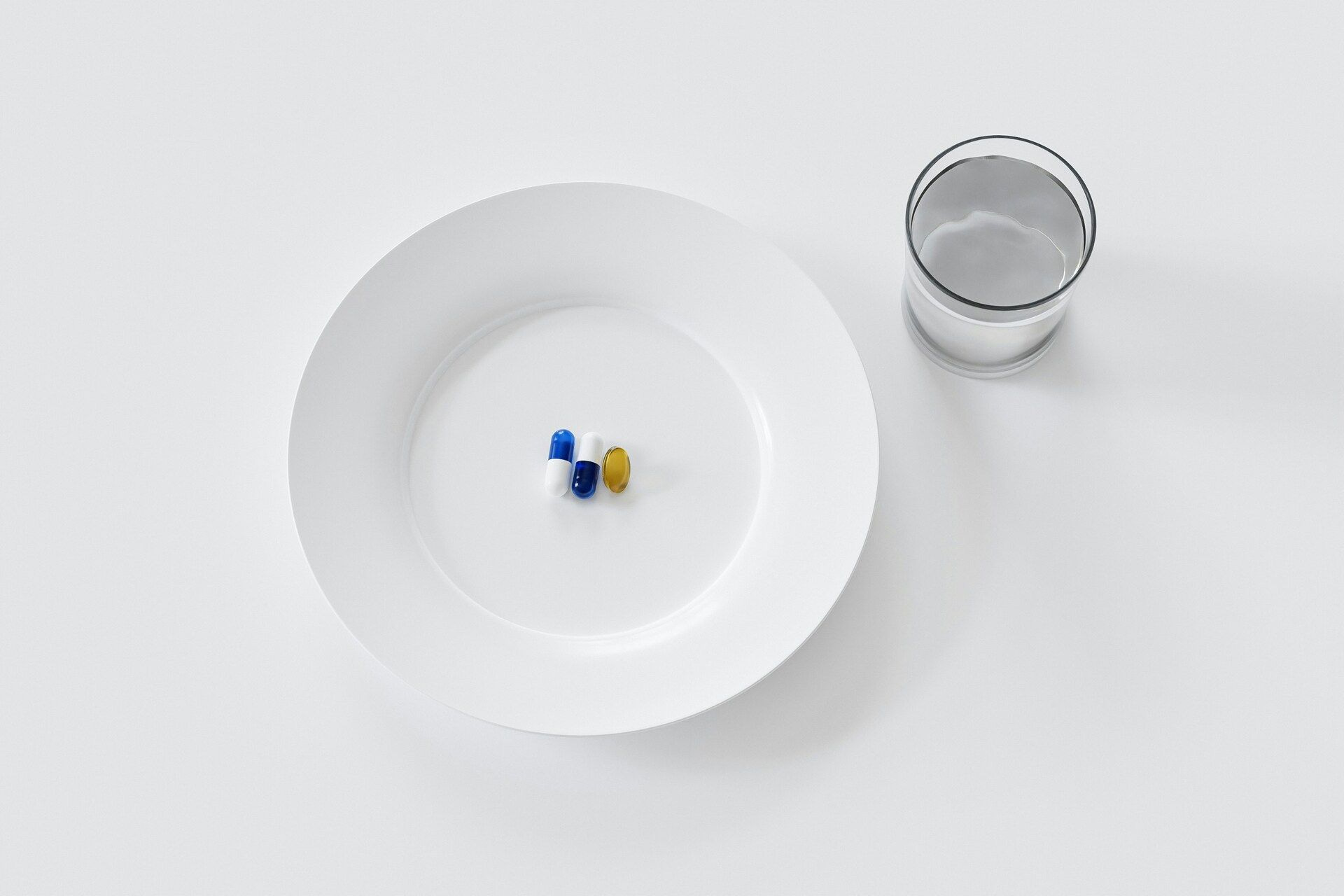
Vitamins are one of the first things people add when they’re trying to take better care of themselves. A bottle on the counter feels like a small, responsible step. Something tangible. Something that says, “I’m doing something.”
What’s interesting is how often vitamins become part of our daily routine without ever really changing how we feel. They’re taken consistently, sometimes for years, yet energy still dips, sleep still feels uneven, and the body still doesn’t quite settle. That gap between effort and result is usually where frustration creeps in.
In most cases, the issue isn’t that vitamins don’t make a difference. It’s that they’re being used in ways the body can’t fully work with. Absorption depends on digestion, timing, mineral balance, and whether the nervous system is in a state that allows nutrients to be used instead of just passed through. When those pieces are off, even high-quality supplements can feel like they’re doing nothing.
This week, we’ll look at vitamins less as isolated fixes and more as tools that only work when the conditions are right. Not to complicate things, but to make them simpler. When vitamins are used in a way the body recognizes, the effect is usually quieter, steadier, and more noticeable over time.
🌿 IN LESS THAN 10 MINUTES WE’LL COVER:
Why vitamins often fail to make a noticeable difference
Common patterns that reduce absorption without people realizing
How timing and pairing change how vitamins behave
Why stress and digestion matter more than dosage
Simple shifts that make supplementation more supportive
Weekly Insight
Where Most Vitamin Use Goes Off Track

Most vitamin mistakes aren’t dramatic. They don’t come from carelessness or lack of effort. They usually come from doing what sounds reasonable without understanding how the body actually handles nutrients.
Taking vitamins on an empty or rushed stomach
Many vitamins are taken quickly with coffee or between tasks. Digestion sets the stage for absorption, and when the body is already in “go” mode, nutrients are often passed through rather than integrated.
Treating vitamins as standalone solutions
Adding a nutrient without considering what supports it limits its usefulness. Vitamins rely on cofactors, mineral balance, and adequate fuel from food.
Taking too many supplements at once
Minerals compete for absorption. Large stacks often result in less being absorbed overall, not more.
Using forms the body struggles to convert
Some vitamin forms require conversion steps that don’t always happen efficiently, especially during stress.
Overlooking digestive capacity
Low stomach acid, sluggish bile flow, rushed meals, and chronic stress all reduce nutrient uptake.
Ignoring timing
Some nutrients are stimulating. Others are calming. Timing influences how the body responds.
Expecting immediate feedback
Vitamins support processes quietly. Results are often gradual, not dramatic.
Using supplements to compensate for skipped meals
Vitamins cannot replace calories, protein, fats, and minerals from food.
Adding more instead of adjusting the foundation
More supplements rarely solve a foundational issue.
Forgetting that stress changes nutrient demand
Stress increases loss and alters absorption. What worked before may need adjustment.
Why Vitamins Sometimes Feel Ineffective
Vitamins rarely stop working. More often, the body’s ability to use them shifts.
When stress increases, digestion slows. When meals become irregular, absorption drops. When mineral balance is off, certain nutrients become harder to apply. The signal isn’t to push harder. It’s to restore the conditions that allow nutrients to do their job.
How to Make Vitamins More Supportive
Most people don’t need more supplements. They need better timing, steadier meals, and fewer competing signals.
Helpful shifts include:
Taking supplements with meals that include protein and fat
Spreading minerals out instead of stacking them
Supporting digestion before increasing dose
Adjusting timing based on how your body responds
Reducing supplement load during high-stress periods
Science Simplified
Simplifying the Science

Vitamins support systems. They don’t override them.
When digestion improves, absorption improves. When stress load drops, nutrient demand stabilizes. When timing aligns with rhythm, the body uses what it’s given more efficiently.
Where to Start
Choose one or two changes. Keep them simple.
Take vitamins with a real meal
Reduce your stack before adding anything new
Pay attention to timing, not just dosage
Support digestion first
Let consistency do the work
Article Insights
Key Takeaways
Vitamins work best when the body feels supported
Absorption matters more than dose
Stress and digestion shape results
More is not always better
Small shifts often create the biggest difference