


Hi friends,
Inflammation is one of the most misunderstood topics in wellness, and it’s also one of the most overused words.
A lot of people assume inflammation only matters if you have a diagnosis. Arthritis. Autoimmune issues. Chronic pain. But for many people, inflammation shows up quietly and slowly. It looks like fatigue that doesn’t match your life. Brain fog that comes and goes. Skin flares. Puffy face. Random aches. Sugar cravings. Feeling “off” more days than not.
And what makes it frustrating is that most people are trying. They’re eating cleaner. Taking supplements. Drinking water. Avoiding the obvious junk. Yet the inflammation pattern stays.
One reason is that inflammation isn’t just caused by food. It’s also driven by stress load, sleep quality, blood sugar swings, gut signaling, and how reactive the nervous system has become over time.
This week we’re breaking down the most common beliefs that keep inflammation stuck, and what actually helps the body calm the signal without turning your health into a full-time job.
🌿 IN LESS THAN 10 MINUTES WE’LL COVER:
Why inflammation often becomes a “default setting” in the body
The most common habits that keep immune signaling elevated
How sleep, blood sugar, and gut stress affect inflammation
Why doing more doesn’t always help
Simple shifts that reduce reactivity over time
Weekly Insight
10 Beliefs That Keep People Inflamed

1. “Inflammation means I ate something bad.”
Sometimes it does. But a lot of inflammation isn’t a single food reaction. It’s a system that’s already overloaded. When the body is under strain, even normal foods can feel like a problem.
2. “If my labs are normal, inflammation isn’t an issue.”
Many people feel inflamed long before anything looks abnormal on paper. The body can compensate for a long time while symptoms build quietly in the background.
3. “I just need to cut more foods out.”
Elimination can help short-term, but constantly restricting often increases stress, lowers resilience, and makes the body more reactive over time. The goal is stability, not fear of food.
4. “Inflammation is only a gut problem.”
The gut matters, but inflammation is influenced by sleep, blood sugar, stress hormones, movement, mineral status, and nervous system tone. Fixing the gut alone doesn’t always fix the signal.
5. “More supplements will calm it down.”
Supplements can help, but stacking too many often creates more noise. When the body is already overwhelmed, adding more inputs can keep the system reactive instead of settled.
6. “If I’m not in pain, I’m not inflamed.”
Inflammation doesn’t always show up as pain. It often shows up as heaviness, puffiness, fatigue, brain fog, skin issues, stubborn weight, or feeling slower than you used to.
7. “I need to detox harder.”
Aggressive detox strategies often create more inflammation, not less. If the body is already strained, pushing harder usually backfires. The system improves through steady support, not force.
8. “If I work out more, I’ll fix it.”
Movement helps, but too much intensity on a stressed body can keep inflammation elevated. If recovery is poor, workouts can become another stress signal instead of a healing one.
9. “Inflammation is just aging.”
Aging changes recovery, but constant inflammation is not inevitable. Many people feel dramatically better when sleep improves, meals become more consistent, and stress load drops even slightly.
10. “If it doesn’t improve fast, I need a stronger solution.”
Inflammation usually improves through consistency, not intensity. The body responds to patterns. Small daily shifts done for weeks often work better than extreme resets done for days.
Why Inflammation Gets “Stuck”
Inflammation is not always a problem. It’s a normal response. It helps the body repair tissue, fight infection, and respond to stress.
The issue is when inflammation becomes the default setting.
This happens when the body is constantly receiving signals that something is off. Poor sleep. Blood sugar swings. Chronic stress. Digestive strain. Not enough recovery. Too many stimulants. Too many inputs. Not enough rhythm.
When those signals stack up, the immune system stays slightly activated. Not enough to create an emergency, but enough to drain energy and make the body feel heavier, more sensitive, and less resilient.
This is why inflammation often improves when the body becomes more regulated. Not just “cleaner.” More stable.
The Two Inflammation Patterns That Matter
Most people fall into one of two patterns, and knowing the difference helps you stop guessing.
The first pattern is reactive inflammation.
This looks like flare-ups. You feel fine, then suddenly you don’t. Skin reacts. Digestion gets irritated. Sleep gets lighter. Mood drops. The body feels sensitive and unpredictable. This pattern often overlaps with stress load, poor sleep, histamine issues, and gut barrier strain.
The second pattern is slow inflammation.
This looks like heaviness that never fully lifts. Puffy face. Low motivation. Achy joints. Brain fog. Fatigue that feels constant. You don’t feel “sick,” but you don’t feel clear either. This pattern often overlaps with blood sugar instability, low movement, low mineral intake, and low recovery.
A lot of people have a mix of both. The body can be reactive and sluggish at the same time.
Supporting Inflammation Without Overcorrecting
The body responds best to stability signals.
That usually means meals that are consistent enough to keep blood sugar steady, movement that supports circulation without draining recovery, and sleep habits that help the nervous system downshift at night.
Walking is one of the most underrated anti-inflammatory tools. It supports lymph flow, improves glucose handling, reduces stress hormones, and helps the body clear inflammatory byproducts. It doesn’t need to be intense to be effective.
Meal rhythm matters too. Long gaps between meals can spike stress hormones and drive inflammation quietly. A more predictable eating pattern often reduces cravings, mood swings, and reactivity without changing the entire diet.
And sleep is where inflammation resets. Deep sleep is when the body repairs tissue and recalibrates immune signaling. If sleep is light, broken, or short, inflammation often stays elevated even with a “perfect” diet.
The goal isn’t to do everything. The goal is to stop sending the body constant stress signals.
Weekly Recipe
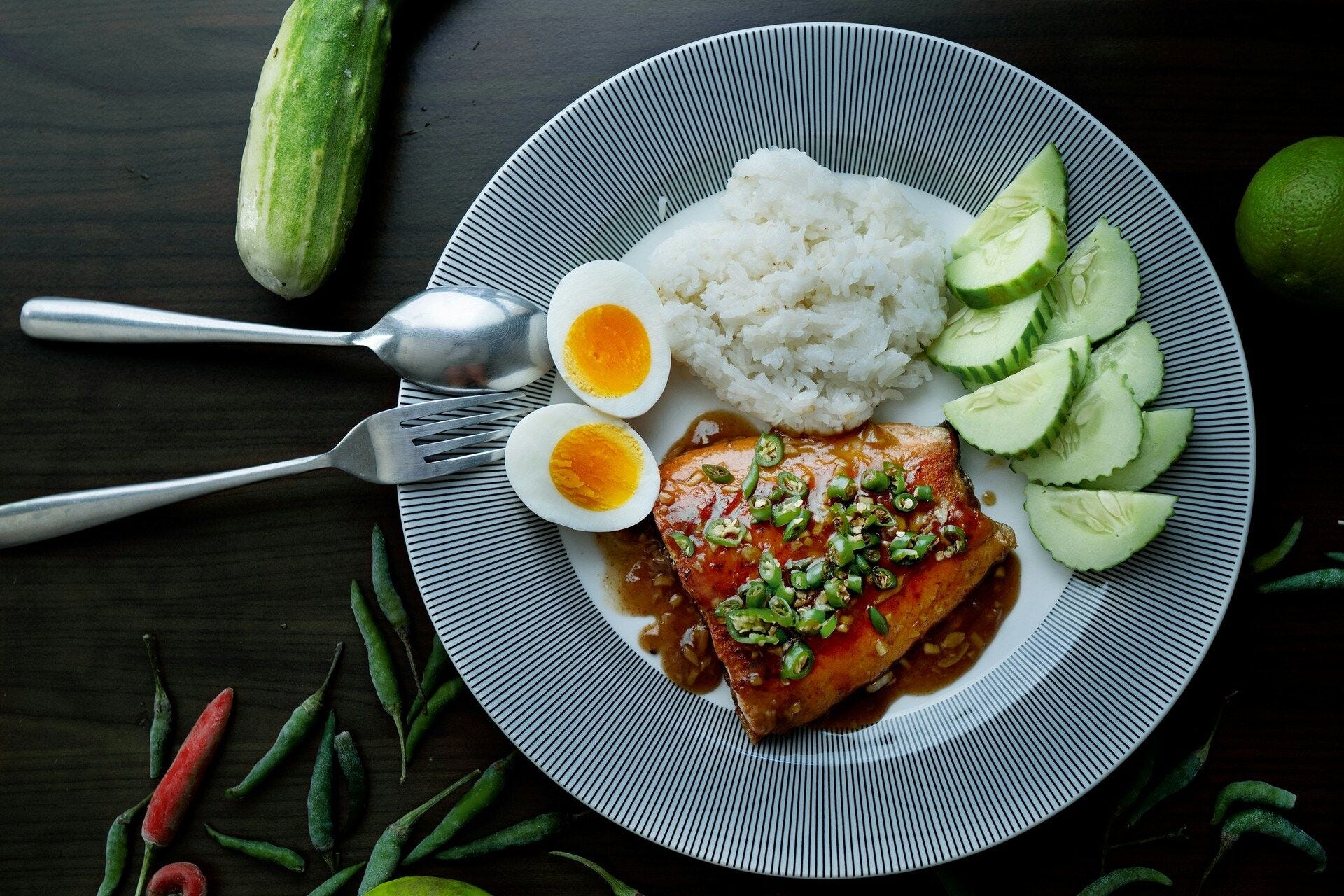
Anti-Inflammation Stability Bowl
This is a simple meal format that supports blood sugar and reduces reactivity without being extreme.
Key ingredients:
Cooked rice or quinoa for steady energy
Salmon, eggs, or chicken for protein support
Steamed greens or cooked zucchini for digestion ease
Olive oil or avocado for fats
Pumpkin seeds for minerals
Lemon, ginger, or turmeric for gentle support
Warm, balanced meals like this often reduce inflammation by improving stability, not by being “perfect.”
Science Simplified

Inflammation is influenced by immune signaling, nervous system tone, blood sugar regulation, gut barrier integrity, and sleep quality. Chronic inflammation often improves when the body receives consistent stability signals through regular meals, supportive movement, better sleep rhythm, and reduced stress load.
What To Do This Week
Choose one or two and keep it simple.

Walk 10 minutes after one meal each day
Eat breakfast earlier if you tend to run on caffeine first
Add one warm meal daily instead of cold meals only
Stop stacking new supplements for one week and simplify
Prioritize protein at your first meal to reduce reactivity
Get outside in morning light for 5 minutes to support rhythm
Reduce ultra-processed snacks even if the rest of your diet is clean
Consistency works better than intensity.
Article Insights
Key Takeaways
Inflammation often builds from stress load and poor recovery, not just food
Normal labs don’t always mean the system is calm
Restriction can backfire if it increases stress and instability
Sleep and blood sugar stability strongly influence inflammation
Walking and warm meals are simple but powerful tools
Small consistent changes usually work better than aggressive fixes
Sometimes the most anti-inflammatory thing you can do is create more rhythm and less pressure.