


Hi friends,
Constipation is one of the most common issues people deal with, and it’s also one of the most frustrating. You can eat well, drink water, take supplements, and still feel stuck.
A lot of people assume it’s mainly a food problem. More fiber. More greens. More “gut health” products. And sometimes that helps. But for many people, constipation keeps happening even when the diet is solid.
One reason is that the gut is heavily controlled by the nervous system. Motility depends on rhythm, coordination, and the body feeling safe enough to relax. When the nervous system is under strain, the gut often slows down and tightens up.
That’s why constipation often shows up during stressful seasons of life, and why some people feel more regular on vacation even if their diet is worse.
This week we’re breaking down why constipation is connected to nervous system load, how to spot your pattern, and what actually supports movement without turning your body into a project.
🌿 IN LESS THAN 10 MINUTES WE’LL COVER:
Why stress and nervous system tone influence motility
How meal rhythm and sleep affect bowel movements
The two constipation patterns most people fall into
Why aggressive fixes often backfire
Simple ways to support movement more consistently
Weekly Insight
10 Beliefs That Keep People Constipated

1. “Constipation means I need more fiber.”
Fiber can help, but it works best when the gut is already moving. When motility is slow, adding more bulk can create more pressure, more bloating, and more discomfort without improving elimination.
2. “If I drink more water, it will solve it.”
Hydration matters, but water can’t replace motility. A slow gut often needs rhythm and movement more than extra fluid.
3. “If I eat healthy, constipation shouldn’t happen.”
Many constipated people eat cleaner than everyone around them. Digestion depends on more than food quality. It also depends on stress load, meal timing, and recovery.
4. “Magnesium always fixes constipation.”
Magnesium can be helpful, but results depend on the form, the dose, and the pattern. Some people soften stool but still don’t restore movement. Others feel no change because the system is still tense.
5. “If it isn’t painful, it isn’t serious.”
Constipation can show up without pain. It often shows up as bloating, low appetite, fatigue, headaches, irritability, skin congestion, or feeling heavy and sluggish.
6. “This is just how my body is.”
A lot of people normalize constipation for years. But chronic slowness is often a sign the body is running under strain, not a permanent trait.
7. “I need to force it.”
Aggressive strategies can work short-term, but the body often becomes more reactive over time. The goal is steady movement that doesn’t require constant intervention.
8. “If one supplement didn’t work, I need more supplements.”
Stacking probiotics, enzymes, herbs, binders, and laxatives can overwhelm the gut. When the system feels overloaded, motility often becomes less predictable.
9. “Constipation is only a gut issue.”
Motility is influenced by the nervous system, sleep, stress hormones, bile flow, minerals, and daily movement. Constipation often overlaps with fatigue, anxiety, poor sleep, and blood sugar instability.
10. “If I didn’t fix it quickly, I need a stronger fix.”
Constipation usually improves through consistency, not intensity. Small changes done daily tend to work better than extreme resets.
Why the Nervous System Has So Much Control
Digestion is controlled by the autonomic nervous system, which shifts the body between two main modes.
One mode supports rest, digestion, and repair. In this state, the gut moves more rhythmically, appetite signals are clearer, and elimination happens more naturally.
The other mode supports alertness and stress response. In this state, digestion often becomes slower. The body is more likely to hold tension in the abdomen, tighten the pelvic floor, and reduce motility. Even if you’re not consciously anxious, the body can still behave as if it’s under pressure.
This is why constipation often shows up in people who feel “fine” mentally, but live in a constant state of rushing, skipping meals, relying on caffeine, and sleeping lightly. The nervous system adapts to the pace, and the gut follows that signal.
The Two Constipation Patterns That Matter
Most people fall into one of two patterns, and knowing the difference helps you stop guessing.
The first pattern is dry constipation. Stool feels hard, dry, and difficult to pass. This often overlaps with dehydration, low mineral intake, high caffeine use, or not enough dietary fat.
The second pattern is stuck constipation. Stool is not always dry, but movement feels slow. You may feel the urge and nothing happens. You may go, but never feel fully empty. Bloating can build throughout the day, and adding more fiber often makes it worse. This pattern is commonly linked to nervous system tension, irregular meals, and low motility.
A lot of people have a mix of both. Dryness makes elimination harder, and low motility makes elimination less consistent.
Supporting Motility Without Creating More Stress
The gut responds well to signals that create rhythm. That usually means consistent meals, gentle movement, and fewer inputs that push the system too hard.
Walking after meals is one of the most reliable ways to support motility. It improves circulation, stimulates intestinal movement, and helps the nervous system shift out of a stress state. Even 10 minutes can make a difference when done consistently.
Warm meals also tend to be easier for slow digestion. When the gut is already sluggish, cold smoothies and raw foods can feel heavy and slow to process. Warm foods often feel more supportive because they require less digestive effort.
Meal timing matters more than most people realize. Long gaps between meals can create stress hormone spikes, and that can reduce motility. A steady rhythm often helps the gut move more predictably, even without changing the diet dramatically.
Magnesium can help, but it works best when the form matches the goal. Glycinate is often used for nervous system support and sleep quality. Citrate is more likely to support stool softness and bowel movement frequency. Many people do better starting low and building slowly instead of taking high doses and hoping for a quick fix.
Weekly Recipe
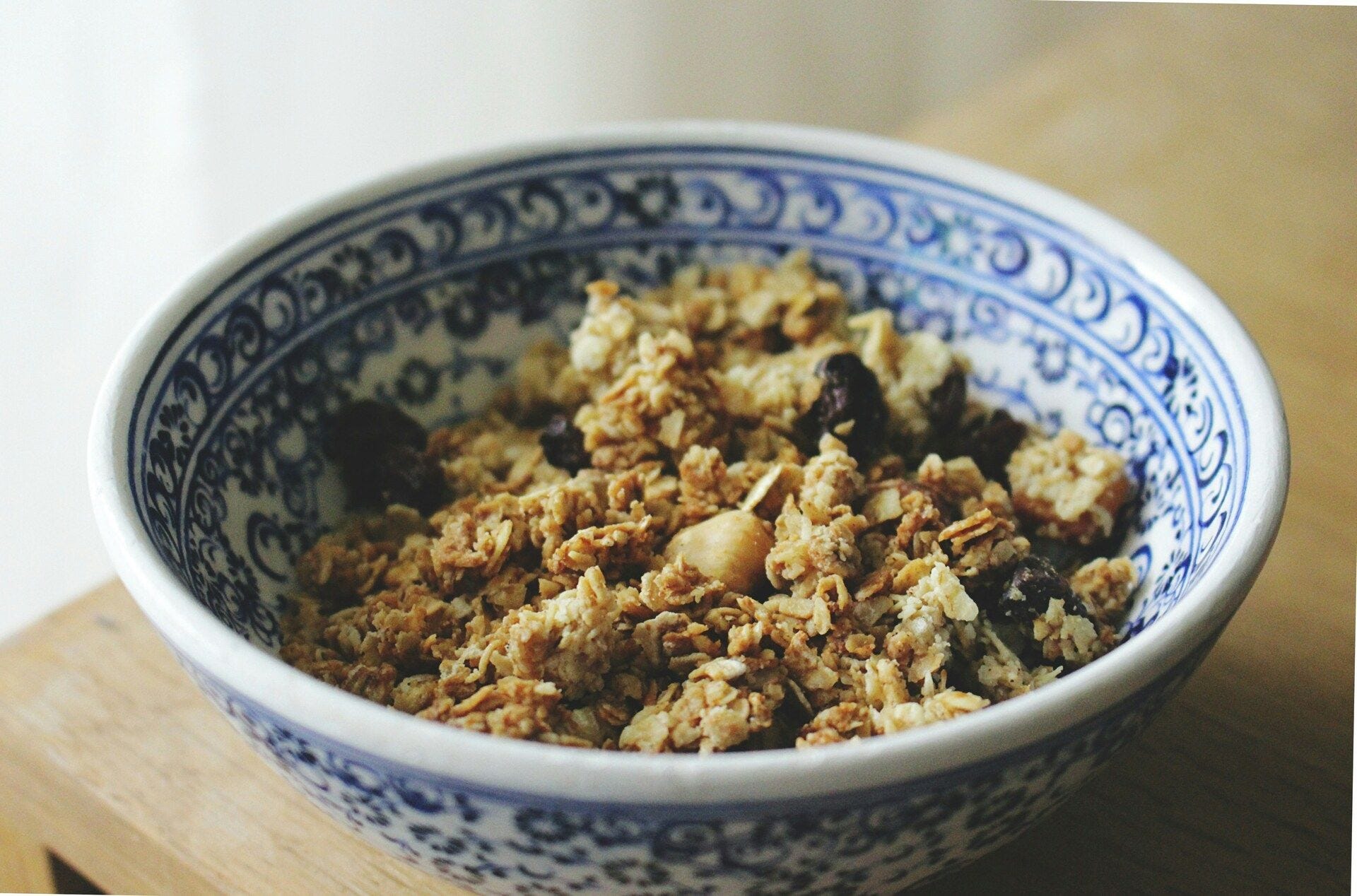
Warm Motility Support Bowl
This is a simple way to support movement through food without overloading the gut.
Key ingredients:
Oats or cooked quinoa for gentle fiber
Stewed berries or cooked apple for softness
Greek yogurt or eggs for protein stability
Pumpkin seeds for magnesium and minerals
A drizzle of nut butter or olive oil for fats
Cinnamon or ginger for warmth and digestion signaling
Warm meals like this tend to support steadier digestion and fewer swings.
Science Simplified
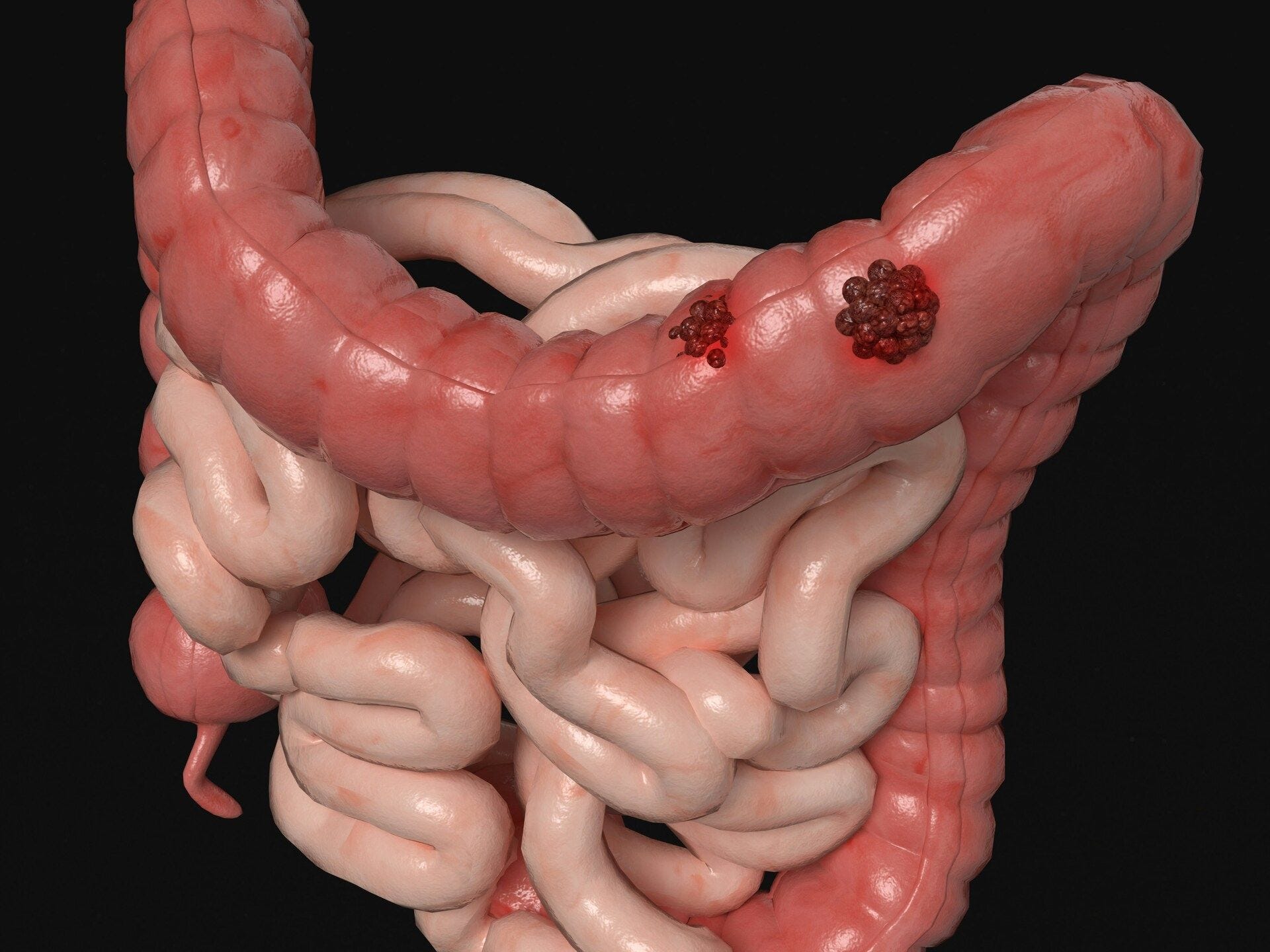
Gut motility is strongly influenced by autonomic nervous system signaling. When the body is under stress, intestinal movement often slows. Constipation often improves when the nervous system becomes more regulated through consistent meals, better sleep rhythm, gentle movement, and supportive mineral intake.
What To Do This Week

Choose one or two and keep it simple.
Walk 10 minutes after one meal each day
Eat your first meal earlier and more consistently
Add one warm meal daily instead of relying on cold meals
Try magnesium glycinate at night if sleep is light or stress is high
Try magnesium citrate only if stool is hard and dry
Pause before meals and eat slower for the first few bites
Avoid increasing fiber if bloating worsens
Consistency works better than intensity.
Article Insights
Key Takeaways
Constipation is often influenced by nervous system tone and motility
Meal rhythm and sleep quality affect digestion more than most people realize
Fiber helps most when the gut is already moving
Warm meals and walking can be surprisingly effective
Magnesium works best when the form matches the pattern
Small consistent changes usually work better than aggressive fixed
Sometimes the most supportive thing you can do is reduce pressure and build rhythm.