

Eating for Stable Energy and Balanced Hormones

Hi friends,
Most people think hormones are complicated or something only specialists can understand. The truth is that your hormones respond to the simplest daily habits. How you sleep, how you eat, how you manage stress, how you move, and how consistently you nourish yourself all create signals that shape your metabolism, mood, cravings, and long-term well-being.
Today’s issue breaks down the core habits that keep hormones steady for both men and women. We’ll look at the early signs that something is off, why these patterns develop, and what small changes help your body find balance again. You do not need strict routines or expensive supplements, just steady support that aligns with how your body naturally functions.
This is about understanding your patterns so your hormones can feel grounded, supported, and predictable again.
🌿 IN LESS THAN 10 MINUTES WE’LL COVER:
The daily habits that influence hormone balance
The early signs men and women tend to overlook
How stress, sleep, and blood sugar shape your hormones
Foods that help calm inflammation and strengthen your metabolism
A simple meal that supports hormone health
Small shifts that restore stability without overwhelm
Weekly Insight
Your Hormones Aren’t the Problem, Your Daily Inputs Are

Most people assume hormone symptoms come out of nowhere. In reality, hormones react to your environment. When meals are skipped, they respond. When you stay up late, they respond. When stress stays high, they respond. When blood sugar swings happen, they respond again.
Hormones are messengers that react quickly to how you live each day. For women, this can show up as irregular cycles, mood changes, cravings, low energy, or disrupted sleep. For men, this can show up as lower vitality, slower recovery, weaker focus, or changes in motivation.
When your habits support steadiness, hormones stabilize on their own. Most symptoms improve when you bring consistency, nourishment, and calm back into your routine.
Science Simplified
The Healthy Hormone Checklist

Your hormones thrive when your body receives predictable and supportive signals. Here are the daily essentials for both men and women:
1. Stable Blood Sugar
When your blood sugar rises and falls too quickly, your hormones feel it first. Cortisol, estrogen, testosterone, and even your thyroid become stressed and have to work harder than they should.
What helps:
Build balanced meals: protein, fiber-rich veggies, healthy fats, and a short walk after eating. These small habits keep your energy steady and your hormones calm.
2. Enough Protein
Protein is one of the quiet foundations of hormone balance. It supports your metabolism, thyroid, muscle repair, fertility, and even mood. Many of us don’t realize we’re not eating enough.
How much you need:
Aim for 0.7–1g per pound of your ideal body weight.
Great options: eggs, poultry, fish, yogurt, lentils, beans.
3. Healthy Fats
Hormones are literally built from fat, so when your intake is too low or too processed, hormone production struggles.
Choose more of:
Olive oil, avocado, nuts, seeds, coconut, salmon, sardines.
Choose less of:
Highly processed seed oils that can raise inflammation.
4. Mineral Support
Minerals quietly run almost every hormonal process in the body. Magnesium relaxes the nervous system, zinc supports reproductive hormones, and iodine fuels your thyroid.
Add these foods regularly:
Leafy greens, pumpkin seeds, seafood, eggs, and mineral-rich salts.
5. Morning Sunlight
Your hormones follow a daily rhythm, and morning sunlight helps set it. Just a few minutes of early-day light supports healthier cortisol, steadier energy, better sleep, and a stronger metabolism.
Daily goal:
10–15 minutes of natural light in the morning.
6. Restorative Sleep
Sleep is when your hormones truly reset. While you rest, your body repairs tissues, balances cortisol, and produces growth and reproductive hormones behind the scenes.
What helps most:
Aim for 7–9 hours of sleep in a cool, dark room, and try turning off screens at least one hour before bed so your nervous system can fully unwind.
7. Strength Training & Gentle Movement
Strength training improves insulin sensitivity, supports testosterone and estrogen balance, and strengthens thyroid function. Gentle movement, on the other hand, lowers stress hormones and improves circulation.
The sweet spot:
You need both, strength to build resilience, and gentle movement to calm the system.
8. Stress Recovery Rituals
Chronic stress quietly disrupts menstrual cycles, lowers testosterone, weakens thyroid activity, and exhausts cortisol rhythms. The body can’t fully heal when it’s always in “survival mode.”
Simple daily rituals that help:
Deep breathing, stretching, warm showers, walking, journaling, and quiet time outdoors, even a few minutes a day makes a real difference.
9. Gut Support
Your gut helps metabolize and clear hormones. When digestion is inflamed or sluggish, hormones become harder to balance and recirculate instead of exiting the body.
Support digestion with:
Fermented foods, bone broth, enough fiber, proper hydration, and warm meals that are easier to digest.
10. Reduce Endocrine Disruptors
Fragrances, plastics, non-stick pans, and chemical cleaners can mimic hormones and confuse your system. Over time, this adds extra stress to an already overloaded hormone pathway.
Simple swaps that matter:
Use glass containers, stainless steel pans, and choose home and body products with minimal ingredients whenever possible.
What To Do
A Simple Daily Plan for Steady Hormones

You don’t need huge life changes. A few consistent anchors each day make the biggest difference.
Before meals
Add protein, take slow breaths, and include a small amount of healthy fat.
During meals
Fill half your plate with vegetables, pair carbs with protein or fat, and add colorful foods for antioxidants.
After meals
Take a ten-minute walk, drink warm water, and give your body a few hours before eating again.
Evening routine
Dim the lights, slow your breathing, stretch gently, and disconnect from screens.
Add magnesium or a calming tea if your body feels tense.
Recipe of the Week
Golden Hormone Balance Bowl (Vegetarian)
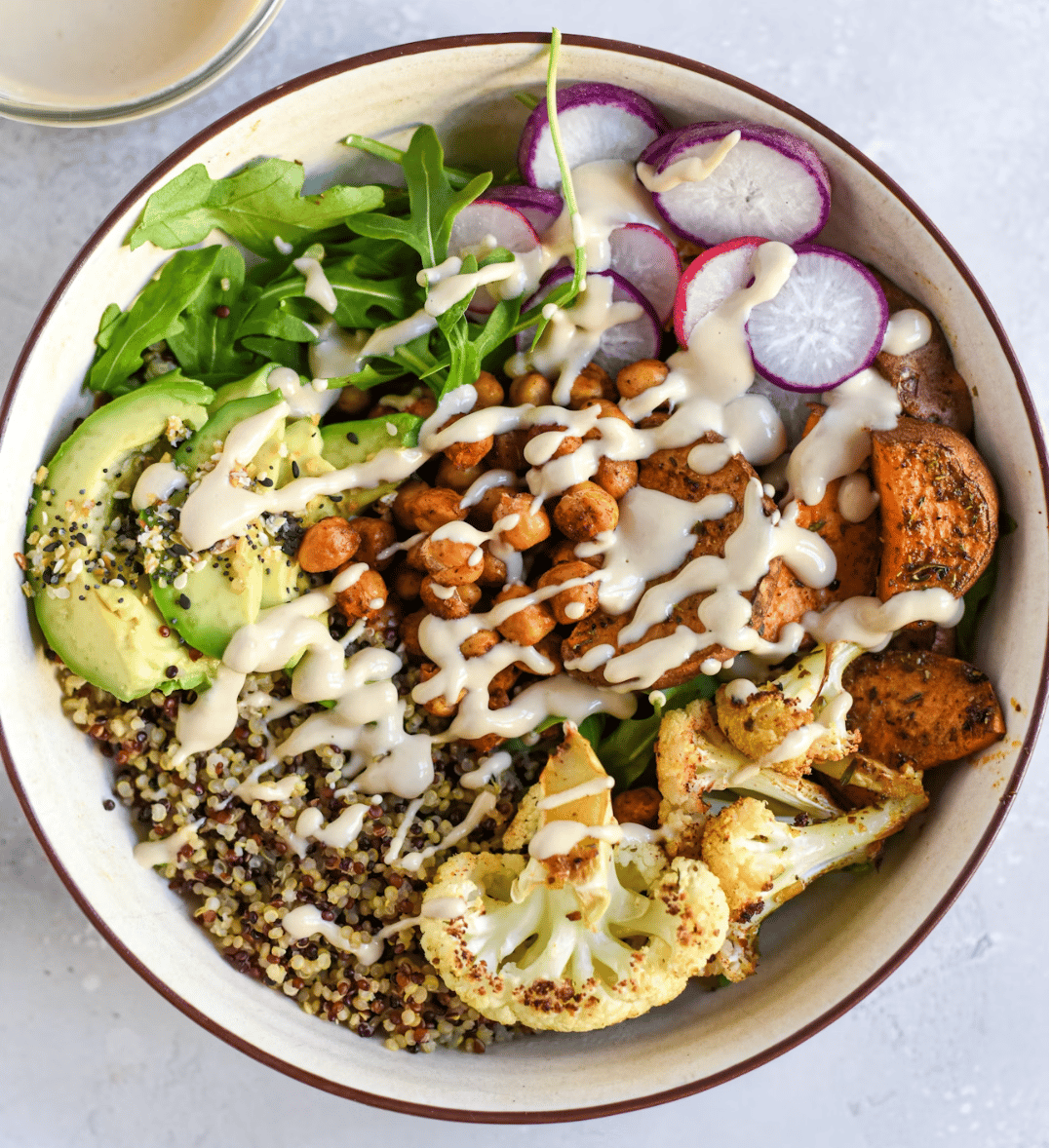
Ingredients
1 cup cooked quinoa or brown rice
1 cup roasted sweet potato
1 cup sautéed zucchini or broccoli
½ avocado, sliced
2 tbsp chickpeas or lentils
1 tsp olive oil
½ tsp turmeric
Pinch of black pepper
Splash of lemon
Sea salt to taste
Instructions
Warm the quinoa and roasted sweet potato.
Lightly sauté the zucchini or broccoli with olive oil and a pinch of salt.
Assemble everything in a bowl, add avocado and chickpeas or lentils.
Finish with turmeric, black pepper, lemon, and a light drizzle of olive oil.
Why This Helps
This plant-based bowl delivers steady energy from slow-digesting carbs, hormone-supporting fats, mineral-rich vegetables, and gentle plant protein. It helps stabilize blood sugar, support estrogen balance, calm inflammation, and nourish the nervous system without digestive heaviness.
Did You Know?
The 10-Minute Walk That Balances Hormones
A ten-minute walk after meals does more than help digestion, it gently improves how your body handles blood sugar. When muscles move, they pull glucose from the bloodstream, lowering spikes and reducing the cortisol surge that normally follows.
With steadier blood sugar, hormones work in a calmer, more predictable rhythm. Energy stays stable, mood is smoother, and your body avoids the stress-response cycle that can disrupt everything from thyroid function to reproductive hormones.
This small routine also supports better sleep. When cortisol stays balanced during the day, your body transitions into evening rest more naturally, making it easier to fall asleep and stay asleep.
It’s simple, accessible, and effective; the kind of daily habit that creates meaningful hormonal change without needing major lifestyle shifts.
Article Insights
Key Takeaways
Hormones respond to patterns and daily habits
Balanced blood sugar is the foundation of hormonal stability
Protein supports metabolic and reproductive health
Healthy fats fuel hormone production
Sleep and stress recovery reset the entire system
Strength training and gentle movement work better together than alone
Our Challenge For You
Reader Challenge
Choose one hormone-supporting habit and practice it every day this week:
Eat protein at each meal
Walk after lunch
Get morning sunlight
Stretch before bed
Add magnesium-rich foods
Notice how your mood, energy, and clarity shift by the end of the week.