

10 Foods You’re Eating Wrong (And How to Fix It)

Hi friends,
Most people assume they know how to eat healthy foods, but the truth is, we misunderstand some of the most common foods in our kitchens. We pair them wrong. We cook them in ways that cancel out their nutrients. We eat them at the wrong time of day, or with the wrong combinations, and then wonder why we don’t feel the benefits we should.
Today’s issue breaks down the 10 foods people eat “wrong” most often, why the body can’t use their nutrients the way we expect, and what simple changes help you get more energy, better digestion, and deeper nourishment from the foods you already eat.
This isn’t about eating less or avoiding foods. It’s about understanding how your body absorbs nutrients so the foods you love actually work for you.
🌿 IN LESS THAN 10 MINUTES WE’LL COVER:
Why some healthy foods don’t feel healthy when eaten the wrong way
How cooking methods can weaken or strengthen nutrient absorption
Combinations that boost digestion vs. combinations that block it
Why timing matters for foods like fruit, protein, and fats
How to fix the most common food mistakes with simple tweaks
A nutrient-smart recipe that works with your metabolism, not against it
Easy habits that make your meals more energizing and less heavy
Weekly Insight
The Real Problem: Most Foods Don’t Work Alone, They Need the Right Context
Most people think nutrition is about the individual food. But your body sees food differently. It responds to the temperature, the timing, the pairings, the order you eat things, and the nutrients that arrive together.
For example, fruit eaten after a meal ferments. Protein eaten without enough acid sits heavy. Potatoes lose minerals when cooked the wrong way. Olive oil overheated becomes inflammatory. And greens eaten without fat don’t deliver their vitamins.
Your digestion, enzymes, and nutrient pathways all work in sequences. When those sequences aren’t supported, even “healthy” foods cause bloating, low energy, or poor absorption.
Most of the discomfort people feel isn’t from the food, it’s from how the food was eaten.
Science Simplified
10 Most Common Misconceptions

Here are 10 foods people eat wrong, and why it matters.
Misconception #1: Eggs can be cooked any way and still be nutritious.
High heat destroys the delicate fats and reduces choline and B vitamins. Over-frying or browning oxidizes cholesterol and increases inflammation. For best absorption, eggs do better soft-boiled, poached, or gently scrambled on low heat. This preserves nutrients and makes digestion smoother. The method matters as much as the egg itself.
Misconception #2: Fruit is best eaten as dessert.
Fruit digests fast, and heavy meals digest slowly. When fruit sits on top of a meal, it ferments and causes gas, bloating, and sluggish digestion. Fruit is best absorbed on an empty stomach or as a standalone snack. It delivers cleaner energy this way and avoids digestive conflict.
Misconception #3: Oats are healthy no matter what you add to them.
Most people add sweeteners, fruits, and low protein which spikes blood sugar fast. Oats need protein and fat to slow absorption and stabilize glucose. Without those, you’re hungry two hours later. Pair oats with eggs, nuts, or Greek yogurt for better energy.
Misconception #4: Olive oil is healthy at any temperature.
Olive oil oxidizes when overheated. When used above its smoke point, it loses antioxidants and becomes inflammatory. Use olive oil for low heat or cold dishes, and cook with ghee, avocado oil, or butter instead. This protects both the oil and your digestion.
Misconception #5: Nuts are a perfect snack by themselves.
Nuts are nutrient-dense but hard to digest raw. Soaking or lightly roasting improves mineral absorption and reduces digestive stress. Eating nuts with fruit or a protein also keeps blood sugar stable. Your stomach absorbs their nutrients better this way.
Misconception #6: Leafy greens deliver all their nutrients on their own.
Greens need fat to absorb vitamins A, D, E, and K. Without fat, your body excretes those vitamins instead of using them. A drizzle of olive oil, avocado, or nuts dramatically increases absorption. The nutrients only work when paired correctly.
Misconception #7: Potatoes are unhealthy by default.
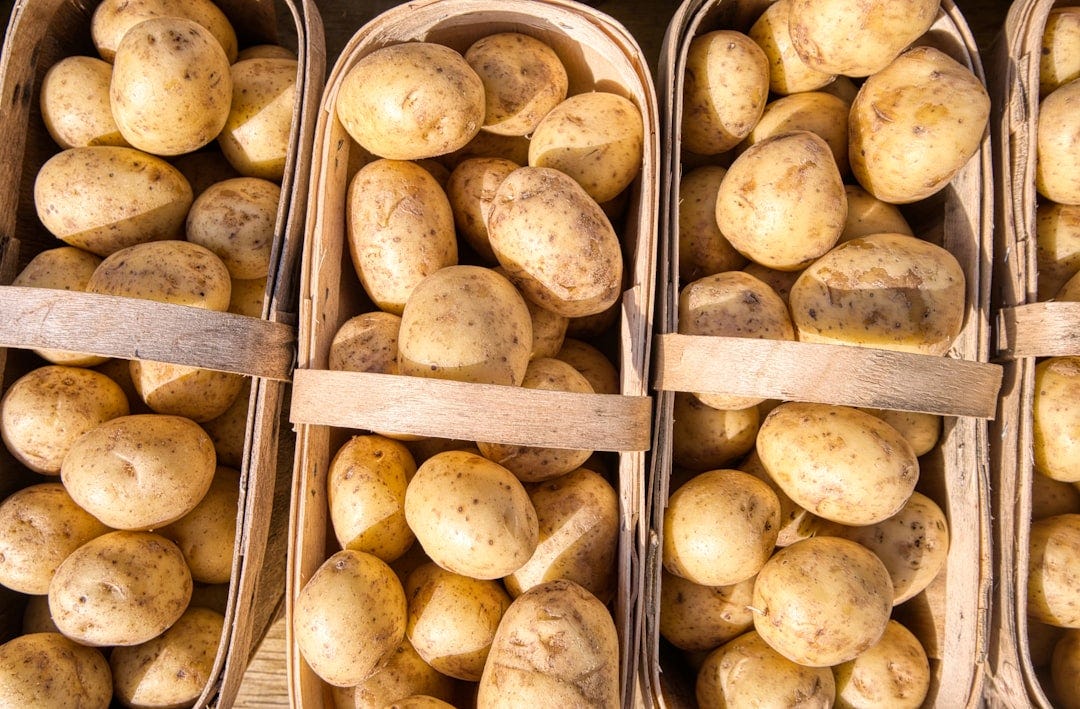
The problem is how they’re prepared. Fried potatoes create inflammatory oils, while over-boiled potatoes lose minerals. Roasting with skin on and adding olive oil or butter keeps minerals intact and slows glucose release. Potatoes are nourishing when prepared the right way.
Misconception #8: Smoothies are always easy to digest.
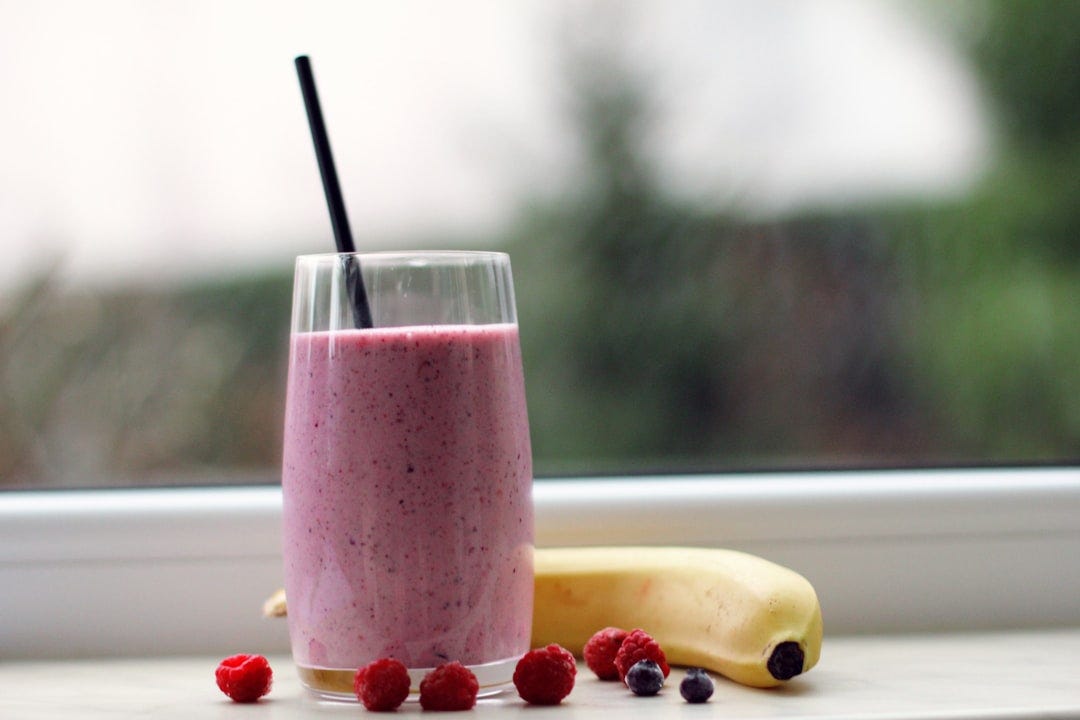
Most smoothies combine fruit, milk, and protein powder, a mix that spikes blood sugar or causes bloating. Smoothies digest best when they have fewer ingredients and include protein, fat, and fiber. Simpler blends absorb better and give more stable energy.
Misconception #9: Coffee is fine on an empty stomach.
Coffee increases cortisol and stomach acid sensitivity when no food is present. This leads to jitters, acid reflux, and blood sugar drops. A small protein or fat snack before coffee stabilizes hormones and digestion. Your energy stays steadier.
Misconception #10: Rice is always heavy.
White rice spikes blood sugar fast when eaten alone. But when paired with protein, fat, or vinegar, it absorbs more slowly and feels lighter. Adding fiber or using cold rice (which forms resistant starch) also improves digestion. Rice depends heavily on how it’s paired.
What To Do
Simple Strategy to Eat These Foods the Right Way
You don’t need new foods, you just need new pairings and preparation. Small tweaks change how your body absorbs everything you eat.
Before meals
Add something acidic (lemon, vinegar) for better digestion
Choose warm foods over cold in cooler seasons
Include a small protein to stabilize blood sugar
During meals
Pair carbs with protein or fat
Add herbs to support enzyme activity
Eat fruit alone instead of after meals
After meals
Sip warm water to support stomach acid
Take a short walk to improve blood sugar
Include mineral-rich foods like avocado, broth, nuts, or greens
Recipe of the Week
Garlic Lemon Roasted Greens
Ingredients
3 cups mixed leafy greens (kale, chard, spinach, or broccolini)
1 tbsp olive oil
2–3 garlic cloves, minced
Juice of ½ lemon
Zest of ½ lemon
Pinch of sea salt
Pinch of black pepper
Optional: red pepper flakes or a sprinkle of sesame seeds
Instructions
Preheat your oven to 400°F (205°C).
Toss greens with olive oil, garlic, salt, and pepper.
Spread on a baking sheet and roast for 8–10 minutes until slightly crisp at the edges.
Remove from the oven and finish with lemon juice + zest.
Serve warm as a mineral-boosting side dish.
Why This Helps
The lemon increases iron and mineral absorption, the garlic supports digestion, and the quick roast keeps nutrients intact. Light, bright, and gentle on the gut, perfect for weekdays or after a heavy meal.
Did You Know?
The Lemon Trick That Supercharges Your Greens
Most people don’t realize this, but adding just a small squeeze of lemon can dramatically change how your body uses the minerals in your food. Vitamin C from lemon juice can increase the absorption of plant-based iron from leafy greens by up to four times, while also making magnesium and calcium easier for the gut to handle.
That’s why dishes like garlic lemon roasted greens feel lighter, give steadier energy, and support better digestion. A simple squeeze makes a big impact.
Article Insights
Key Takeaways
Healthy foods only work when paired, cooked, and timed the right way.
Even simple tweaks, like adding fat to greens or acid to protein, boost absorption fast.
High heat destroys delicate nutrients in eggs and oils, so gentle cooking protects them.
Fruit digests best alone; eating it after meals leads to fermentation and bloating.
Carbs feel lighter and steadier when paired with protein, fat, or fiber.
Your body absorbs minerals better with acids (lemon, vinegar) and warmth.
Most bloating comes from food order and food timing, not the food itself.
Our Challenge For You
Reader Challenge
This week, choose one meal a day and fix just one pairing:
Add acid to protein (lemon, vinegar)
Add fat to greens (olive oil, avocado)
Pair carbs with protein or fiber
Eat fruit alone, not after meals
Do it for 7 days and see how your digestion, energy, and fullness change.