

Hi friends,
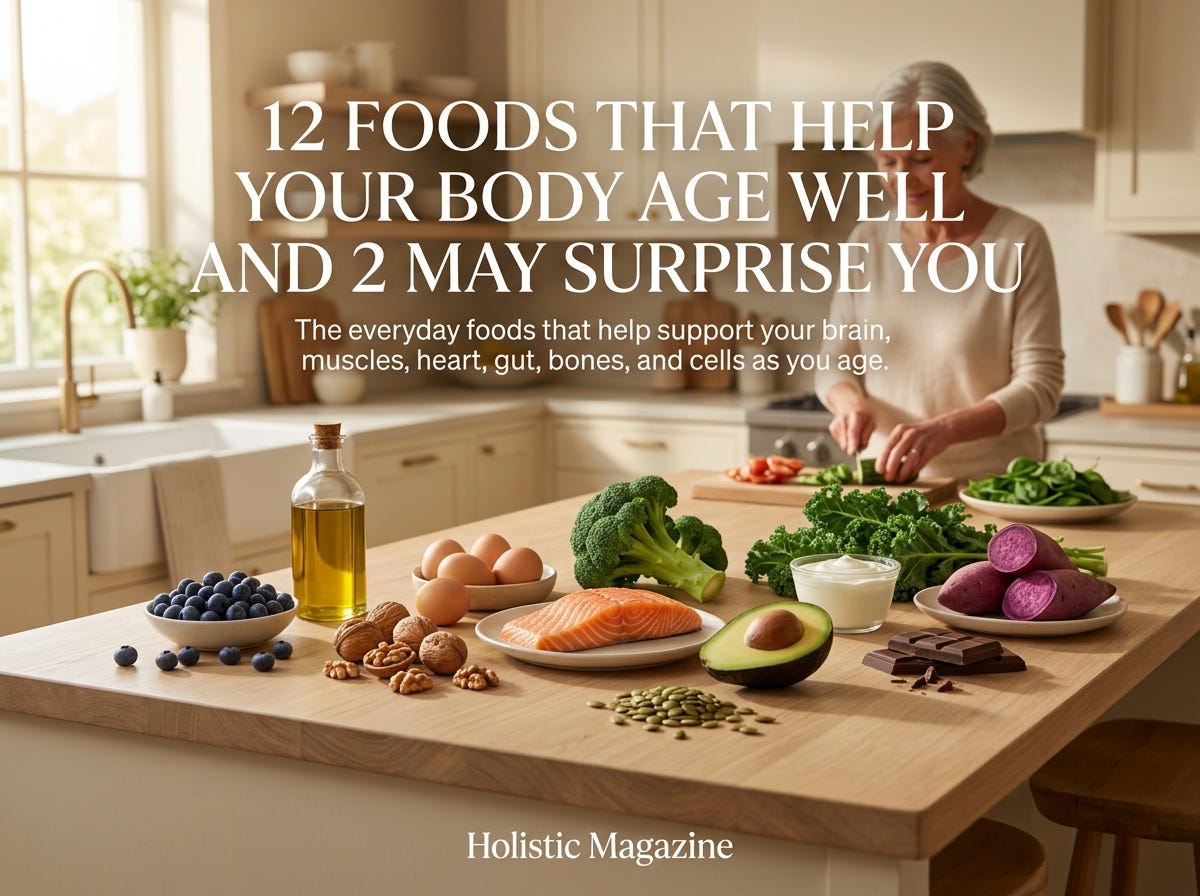
When people think about anti-aging, they often think about wrinkles, supplements, expensive treatments, or whatever longevity trend is popular at the moment.
But some of the most important parts of aging are happening where you can’t see them.
As we get older, we gradually lose muscle and bone. Our blood vessels change. Our brains age. Our ability to regulate blood sugar can change, our gut microbiome can shift, and our cells spend every day repairing damage and responding to stress.
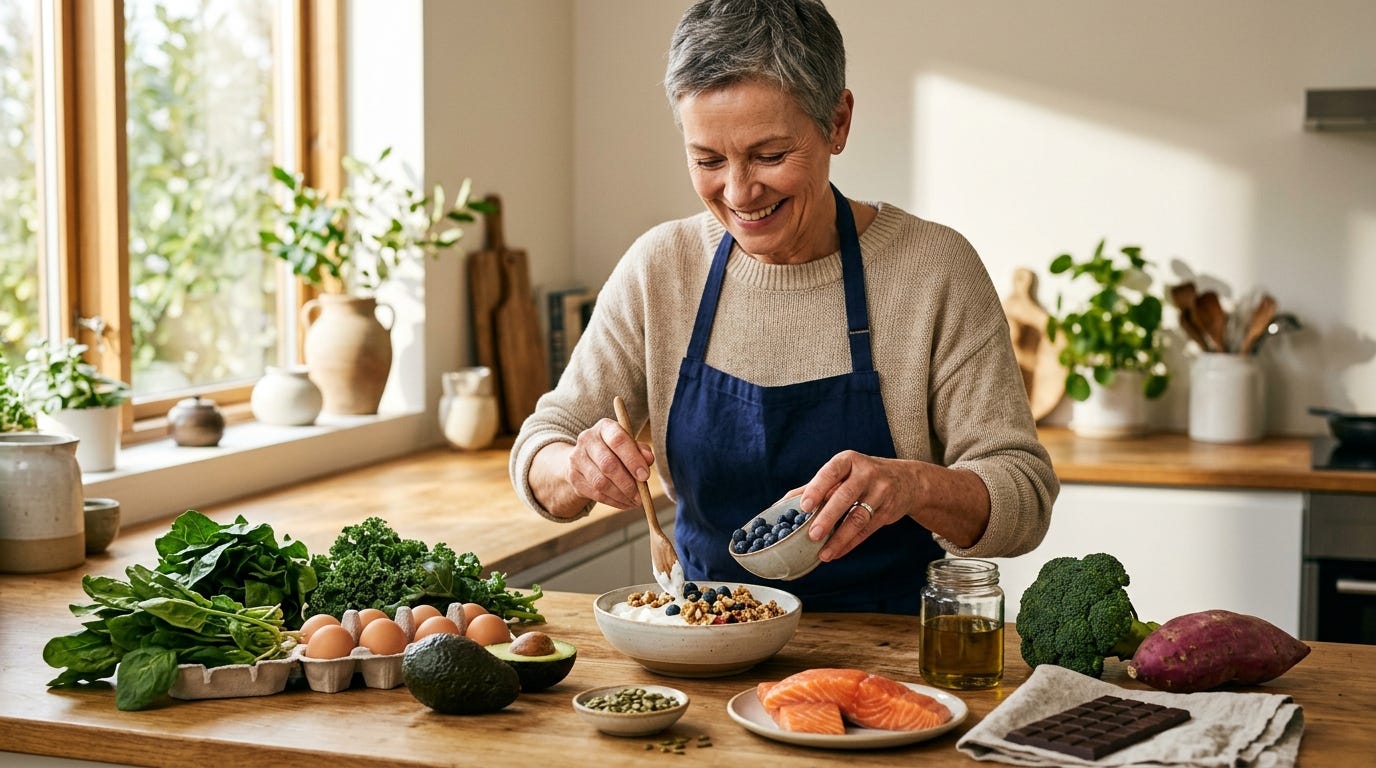
There isn’t a food that can stop aging. But there are foods that provide many of the nutrients and plant compounds your body uses to maintain itself as you get older.
Protein helps maintain muscle. Calcium, magnesium, and vitamin K support bones. Omega-3 fats support the brain and cardiovascular system. Fiber feeds your gut microbiome. Polyphenols interact with pathways involved in oxidative stress and inflammation. Vitamins and minerals participate in countless processes your body depends on every day.
So instead of searching for the next miracle “longevity food,” let’s look at foods you can actually eat regularly.
And two of them might surprise you.
In Less Than 10 Minutes, We’ll Cover
What actually changes in your body as you age
Why maintaining muscle becomes increasingly important
Foods that support your brain, heart, gut, and bones
Why colorful plants matter
10 everyday foods that support healthy aging
2 surprising foods worth adding to the list
Simple ways to build a longevity-focused diet
Before we begin, if you enjoy practical wellness breakdowns that connect nutrition, physiology, and everyday habits without the wellness fluff, consider subscribing to Holistic Magazine.
Free subscribers receive structured, science-backed wellness articles each week. Paid subscribers receive our deeper protocols, advanced nutrition guides, meal systems, and premium wellness breakdowns.
Here’s what paid subscribers are reading right now:
Healthy Aging Is About Maintaining What You Have

We often talk about aging as though something suddenly happens when you turn 50, 60, or 70. In reality, many age-related changes develop gradually over decades.
Muscle mass and strength can decline. Bone density can decrease. Blood vessels can become less flexible. Insulin sensitivity may worsen. Recovery can take longer. Changes can also occur in the brain, immune system, mitochondria, connective tissue, and gut microbiome.
That’s why healthy aging isn’t simply about living longer. It’s about maintaining as much function as possible while you do.
Can you remain strong enough to carry groceries? Can you comfortably climb stairs? Can you get off the floor without assistance? Can you maintain healthy bones and good balance? Can you continue thinking clearly, moving independently, and doing the things you enjoy?
Food is only one part of that equation. Sleep matters. Exercise matters. Muscle matters. Stress matters. Social connection matters. But nutrition provides the raw materials your body works with every single day.
Here are 12 foods worth keeping in the rotation.
1. Blueberries: Brain Aging
There is a reason deeply colored foods appear so frequently in conversations about longevity. Their color often represents chemistry.
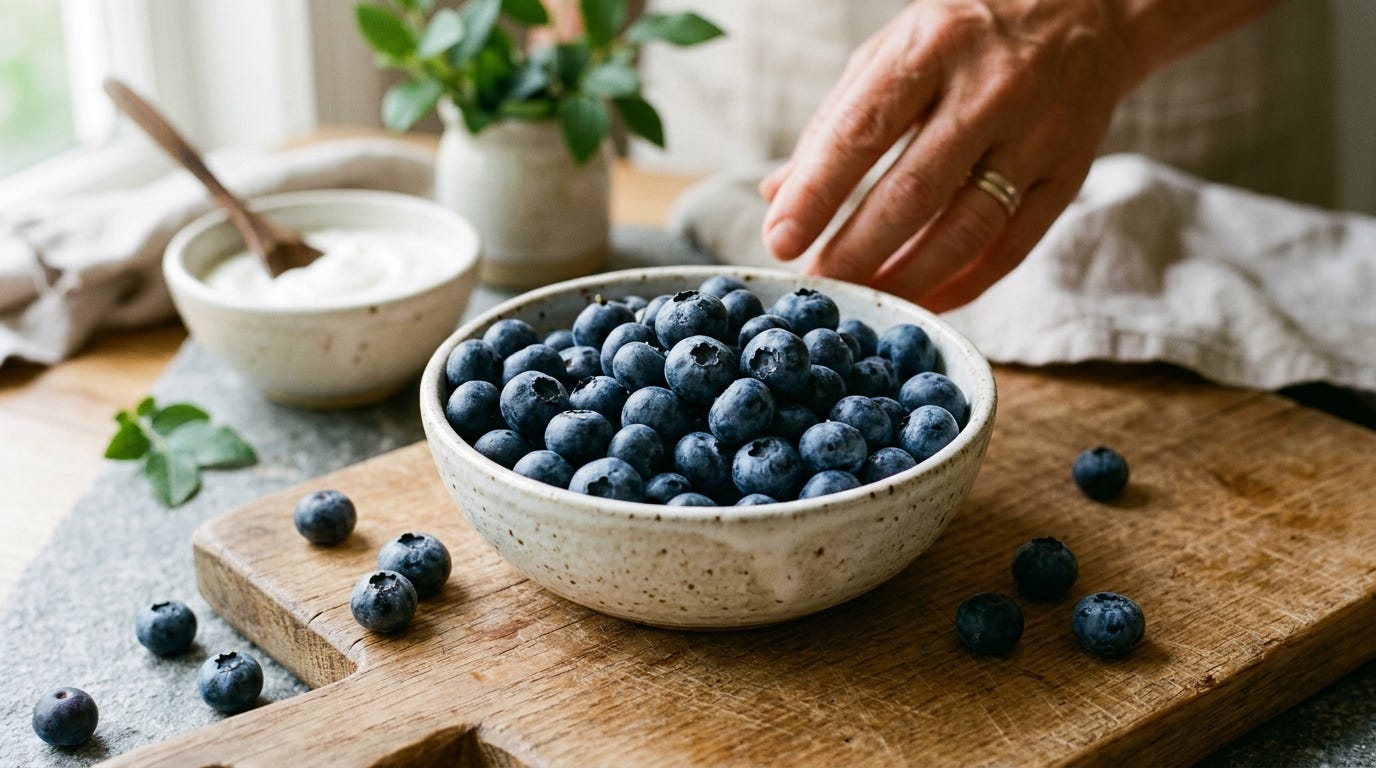
Blueberries get their distinctive blue-purple color largely from anthocyanins, a family of polyphenols. They also provide vitamin C, fiber, and numerous other plant compounds. These polyphenols are particularly interesting when we think about oxidative stress, vascular health, and cognitive aging.
And you don’t have to buy expensive fresh berries year-round. Frozen blueberries are an excellent option. Add them to Greek yogurt or smoothies, or simply thaw a bowl overnight. Your freezer may be one of the easiest places to keep a healthy-aging food available every day.
2. Extra-Virgin Olive Oil: Heart & Cellular Health
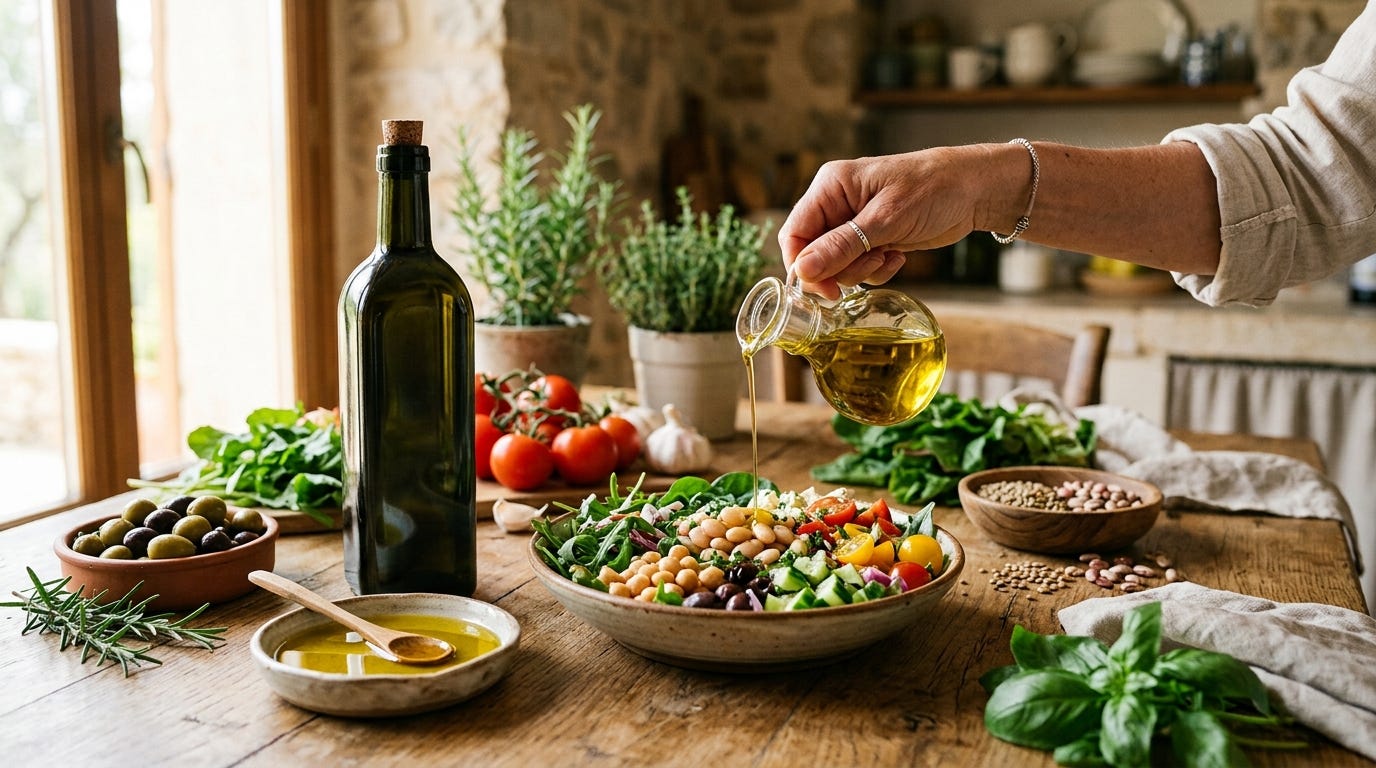
Extra-virgin olive oil isn’t simply a source of fat. It provides primarily monounsaturated fat along with numerous plant compounds, including polyphenols. One of those compounds, oleocanthal, has attracted attention because of its interactions with inflammatory pathways.
But the bigger story may be the dietary pattern olive oil tends to belong to. Extra-virgin olive oil is a cornerstone of Mediterranean-style eating, alongside vegetables, legumes, nuts, fish, fruits, herbs, and other minimally processed foods.
Instead of thinking of olive oil as something you occasionally drizzle over a salad, make it one of the fats you regularly cook and prepare food with. Use it on vegetables, make homemade dressings with it, or drizzle it over beans and lentils. Sometimes healthy aging isn’t about discovering a new superfood. It’s about improving the ingredients you already use every day.
3. Walnuts: Brain & Heart Health
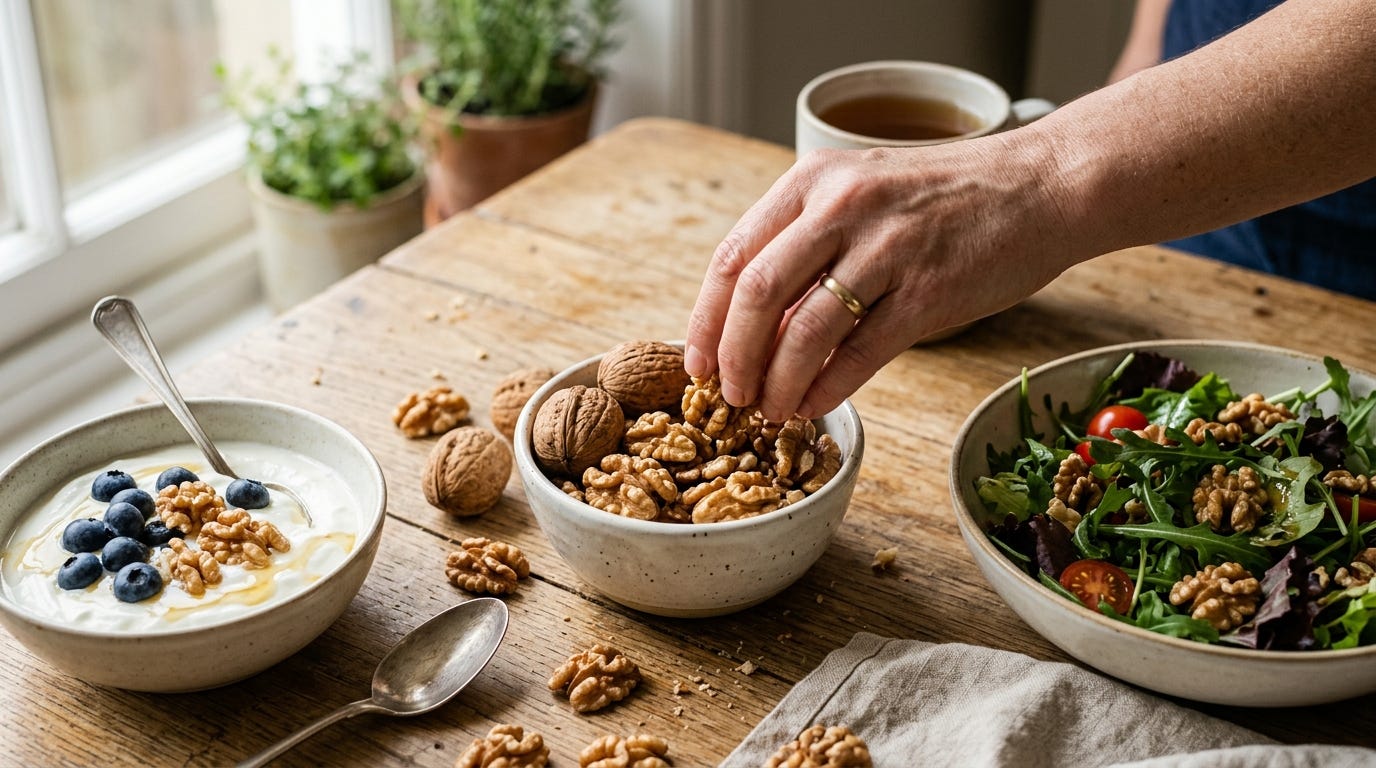
A few walnuts don’t look particularly impressive, but nutritionally, they’re anything but boring.
Walnuts provide alpha-linolenic acid (ALA), a plant-based omega-3 fatty acid, along with polyphenols, magnesium, fiber, copper, manganese, and plant protein. Components of walnuts also interact with the gut microbiome, giving this small food relevance to several different areas of healthy aging.
You don’t need to make walnuts complicated. Add them to yogurt or salads, or simply eat 3–4 walnuts as part of your morning routine. Small nutritional habits become much more meaningful when they’re repeated for years.
4. Pasture-Raised Eggs: Muscle & Brain Nutrition
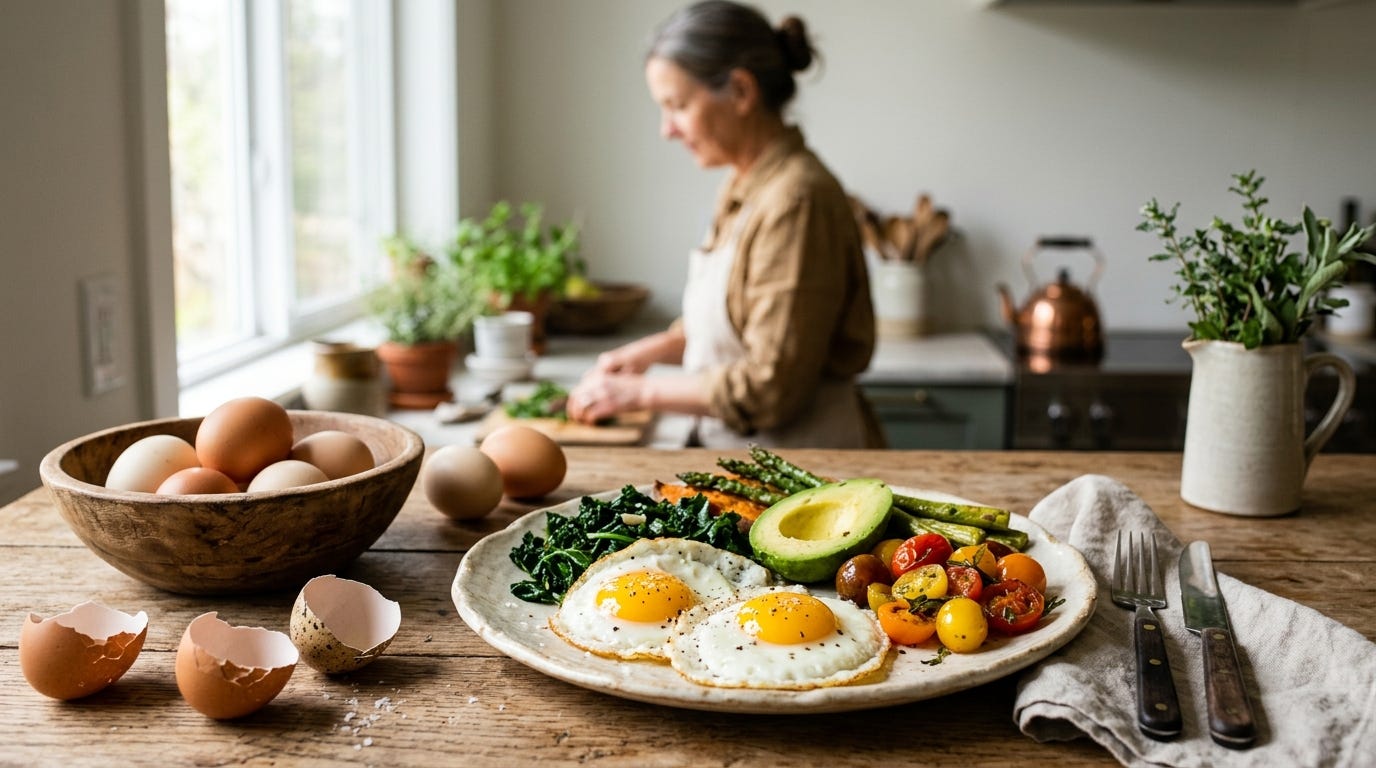
Eggs are one of the most nutritionally interesting everyday foods. They provide complete protein, meaning they contain all nine essential amino acids, along with choline, vitamin B12, selenium, riboflavin, iodine, lutein, and zeaxanthin.
Choline is particularly interesting because your body uses it in processes involving neurotransmitters and cell membranes. The protein becomes increasingly important as we age because maintaining muscle becomes more challenging over time.
Pair eggs with colorful vegetables and you’ve created an easy meal containing high-quality protein, healthy fats, carotenoids, minerals, and other important nutrients.
5. Salmon: Brain, Heart & Muscle
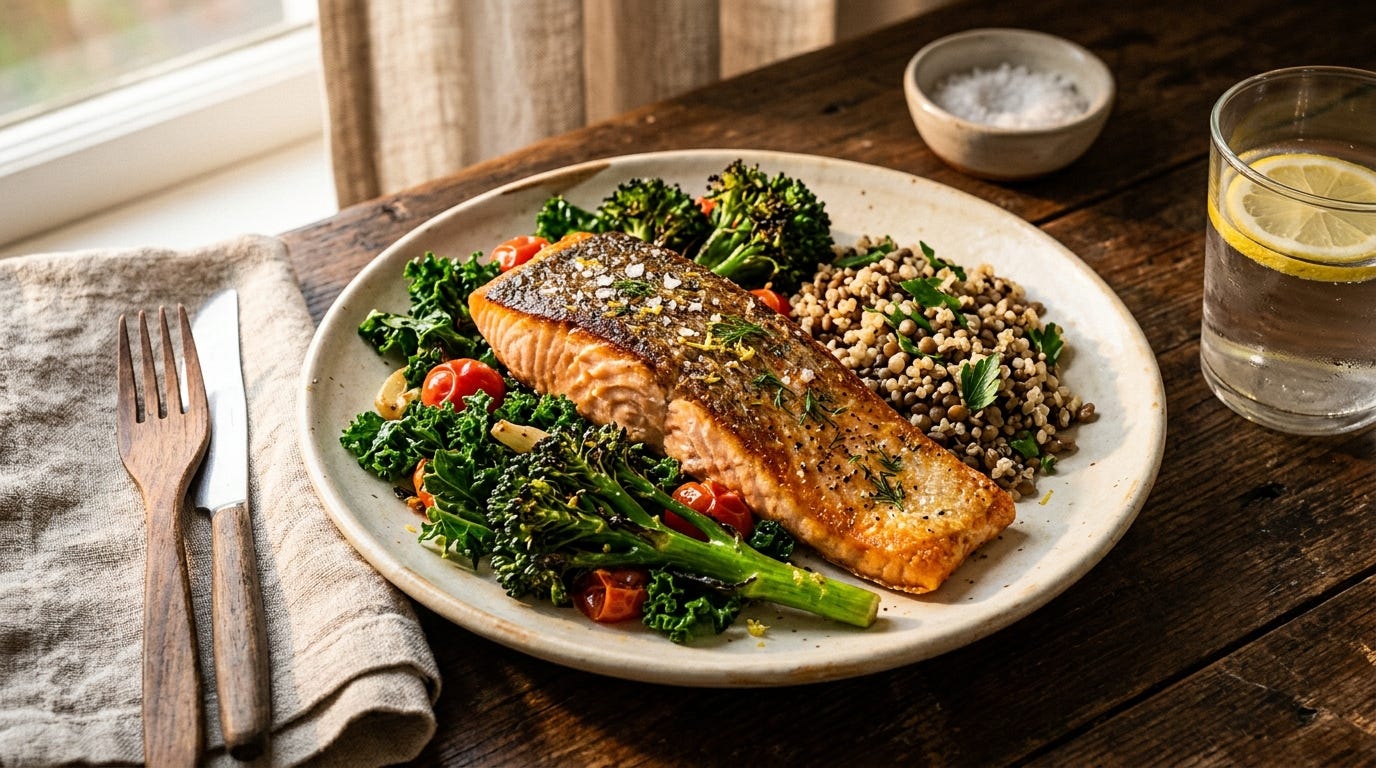
If there were a food that checked several healthy-aging boxes simultaneously, fatty fish would be near the top of the list.
Salmon provides high-quality protein along with EPA and DHA omega-3 fatty acids. DHA is an important structural component of the brain, while EPA and DHA are involved in cardiovascular health and the body’s inflammatory and resolution pathways.
Then there’s the protein. One of the most important things you can protect as you get older is something people rarely associate with longevity: your muscle.
You don’t always have to eat salmon, either. Sardines, trout, herring, anchovies, and mackerel can provide similar nutrients and help add variety to your diet.
6. Broccoli: Cellular Defense
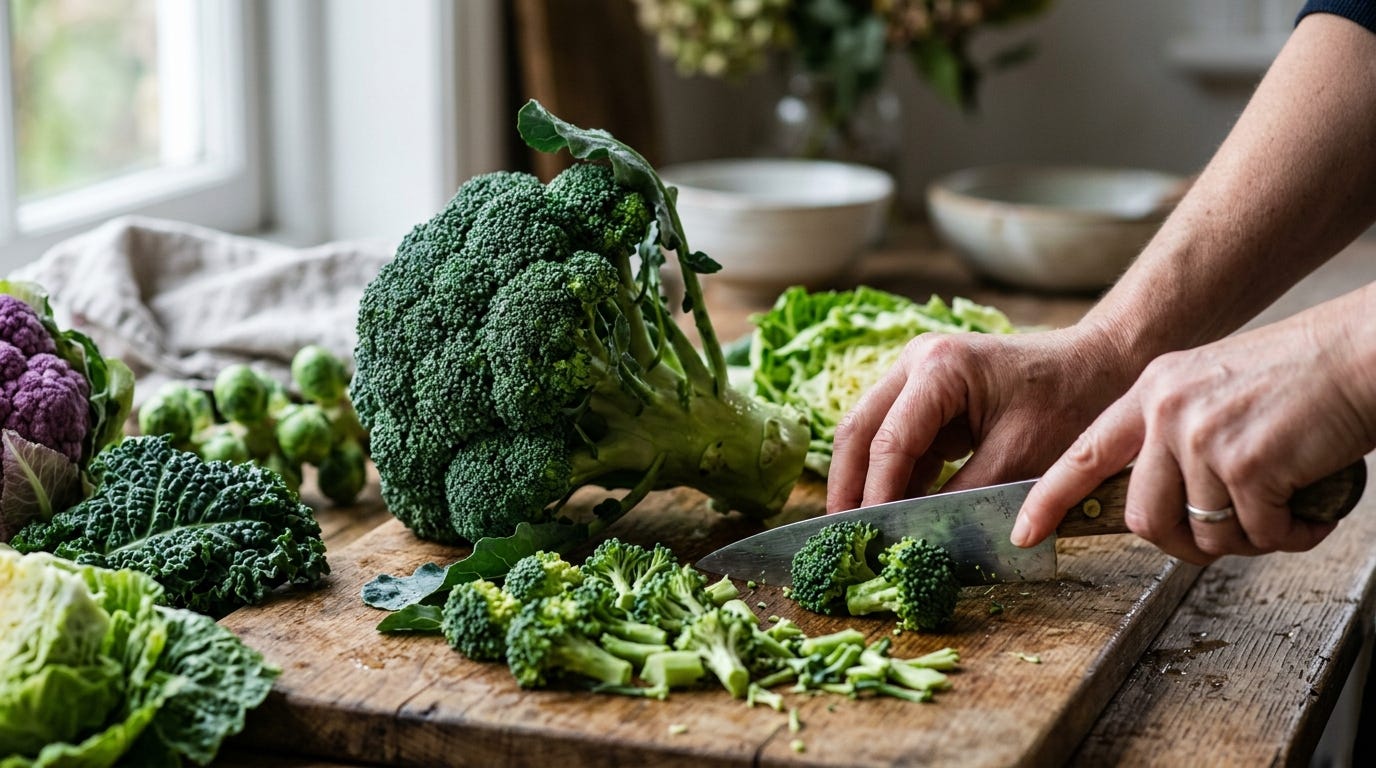
Broccoli belongs to the cruciferous vegetable family alongside cauliflower, cabbage, kale, and Brussels sprouts. These vegetables contain compounds called glucosinolates.
When broccoli is chopped or chewed, glucosinolates can be converted into biologically active compounds, including sulforaphane. Sulforaphane has become an interesting area of nutrition research because of its interactions with cellular antioxidant and defense pathways.
Broccoli also provides fiber, vitamin C, folate, potassium, vitamin K, and numerous other plant compounds. It’s a good reminder that vegetables aren’t valuable simply because they contain vitamins. Plants contain thousands of compounds that interact with human physiology in ways we’re still learning about.
7. Pumpkin Seeds: Minerals & Muscle
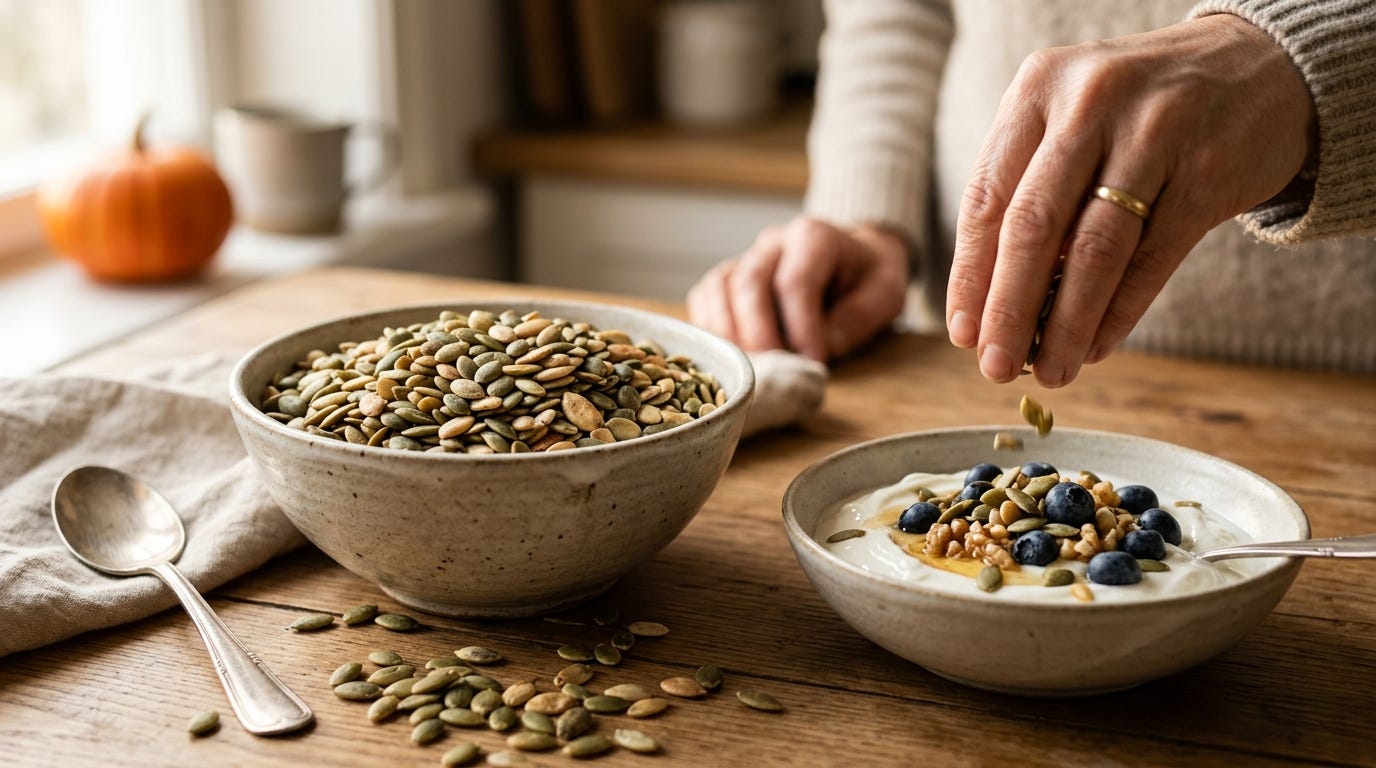
Pumpkin seeds don’t receive nearly as much attention as they deserve. A small serving provides magnesium, zinc, copper, manganese, plant protein, healthy fats, and fiber.
Magnesium alone participates in hundreds of enzymatic reactions involving energy production, muscle function, nerve signaling, and many other processes. Zinc plays important roles in immune function, protein synthesis, DNA synthesis, and normal wound healing.
They’re also incredibly easy to eat. Sprinkle them over yogurt or salads, add them to a homemade trail mix, or simply eat two tablespoons of pumpkin seeds as a snack. Healthy aging doesn’t always require dramatic dietary changes. Sometimes it looks like adding a spoonful of seeds to something you already eat.
8. Avocado: Heart & Metabolic Health
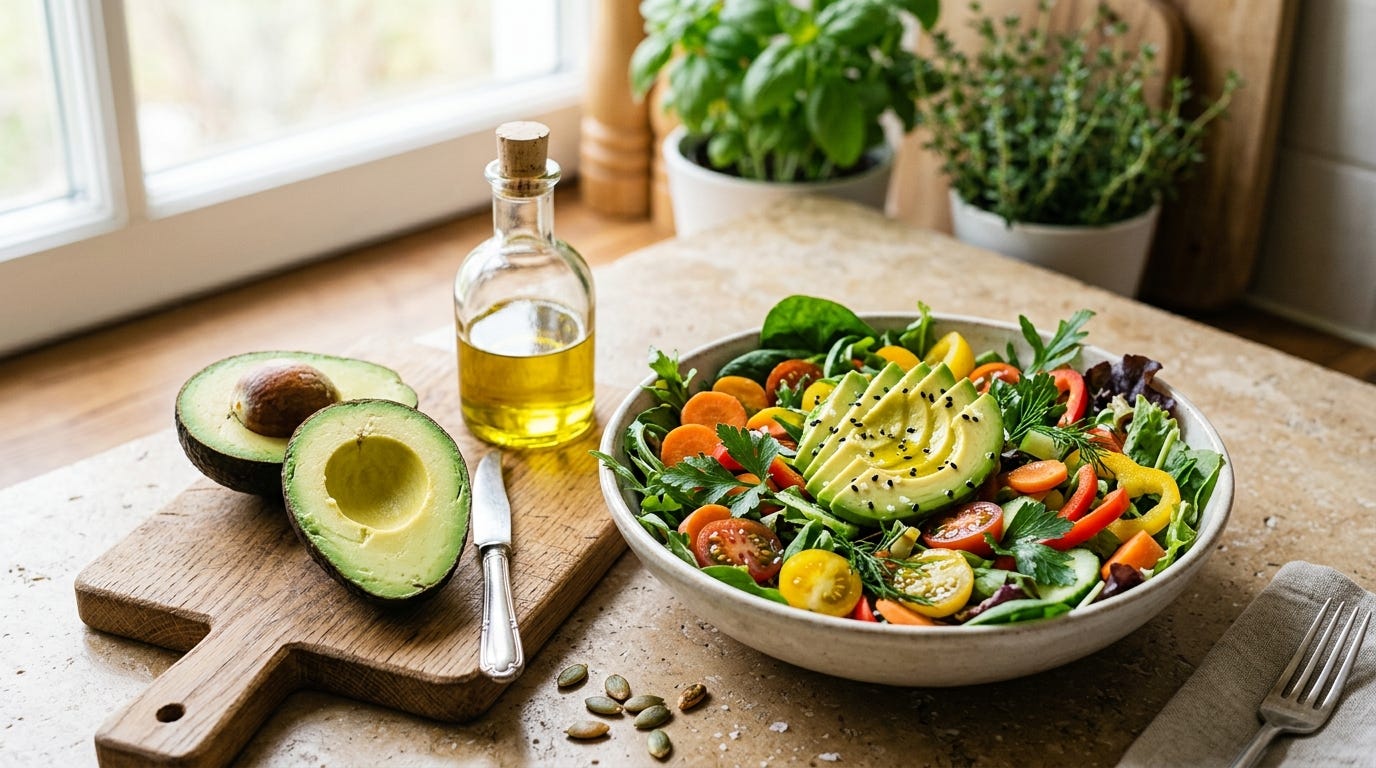
Avocado combines healthy fat, fiber, potassium, and numerous plant compounds in one food. It’s particularly rich in monounsaturated fat, but one of avocado’s more interesting benefits may occur when you eat it alongside other foods.
Many beneficial plant compounds, including carotenoids, are fat soluble. Eating vegetables alongside a source of fat can help your body absorb some of these compounds.
That’s one reason avocado makes so much sense on a colorful salad. You’re not simply adding another nutritious ingredient. You’re also creating a meal that may help your body access some of the nutrients already sitting on the plate.
9. Greek Yogurt: Muscle & Gut Health
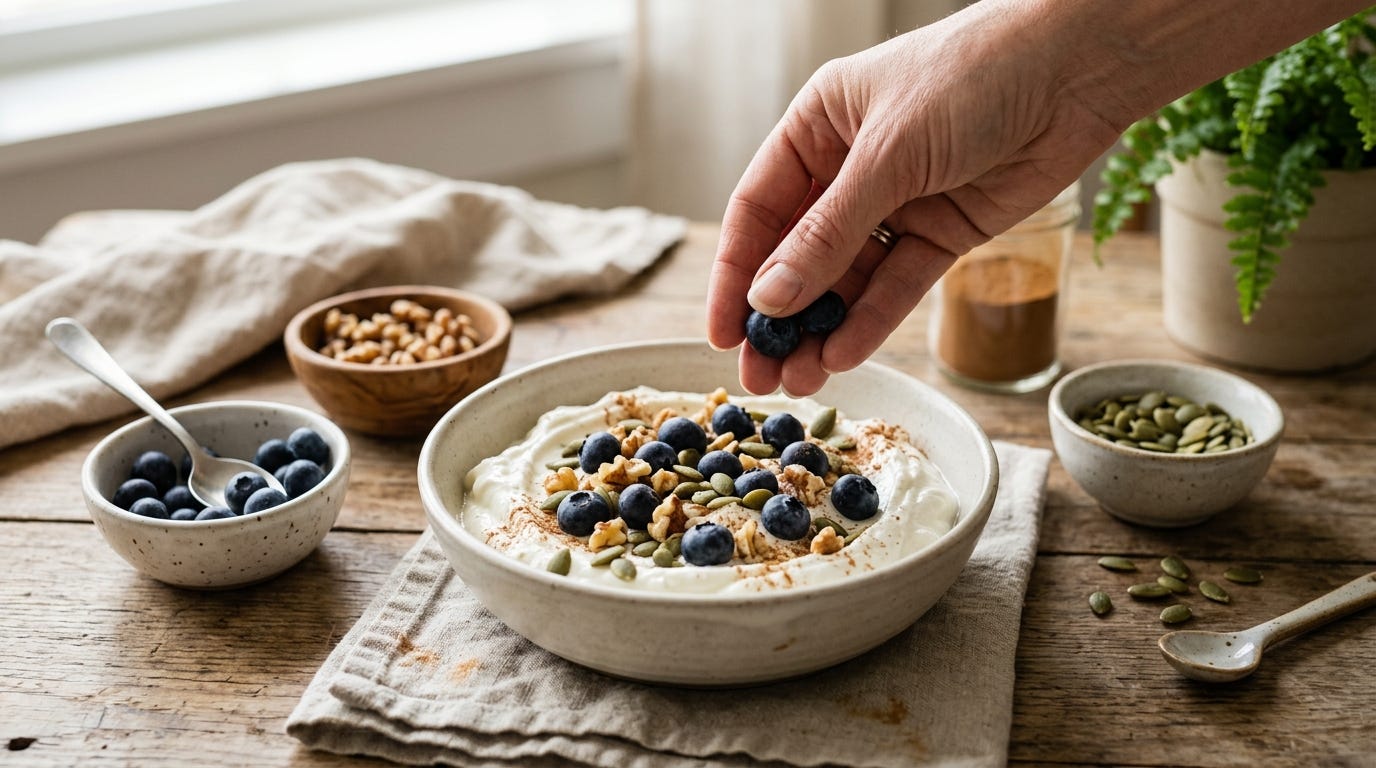
Muscle and gut health might seem unrelated, but Greek yogurt gives us a reason to talk about both.
Greek yogurt can provide substantial amounts of high-quality protein, which becomes increasingly important for maintaining muscle as we age. It also provides calcium and phosphorus, both important for bones. Varieties containing live and active cultures also provide microorganisms that interact with the digestive ecosystem.
Choose plain Greek yogurt when possible and add your own ingredients. Blueberries, walnuts, pumpkin seeds, and cinnamon can transform one bowl into an incredibly nutrient-dense meal containing several foods from this list.
10. Leafy Greens: Brain, Bones & Blood Vessels
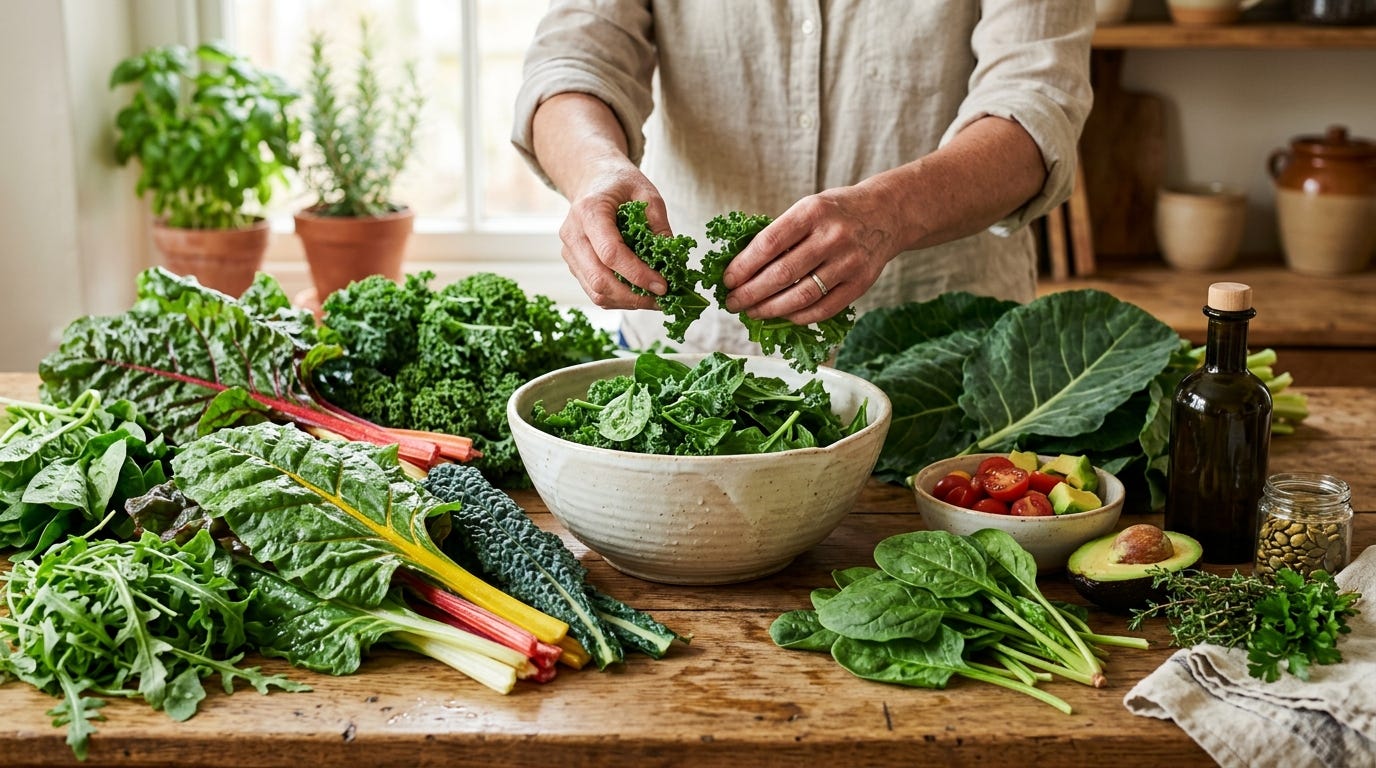
If you want one dietary habit that almost everyone could benefit from, it’s simple: eat more greens.
Spinach, kale, collard greens, arugula, Swiss chard, and other leafy vegetables provide different combinations of vitamin K, folate, magnesium, potassium, carotenoids, vitamin C, dietary nitrates, and fiber.
Vitamin K plays important roles in normal blood clotting and bone metabolism. Dietary nitrates found in many leafy greens can also participate in the body’s production of nitric oxide, a signaling molecule involved in blood vessel function.
And the fiber in greens feeds another system increasingly connected with healthy aging: your gut microbiome.
Now for Two You Might Not Expect
Blueberries probably aren’t surprising. Neither are salmon, broccoli, or leafy greens.
But healthy aging doesn’t mean every enjoyable food needs to disappear from your diet. In fact, some foods we think of primarily as treats or carbohydrates contain interesting compounds of their own.
11. Dark Chocolate: Blood Vessel Health
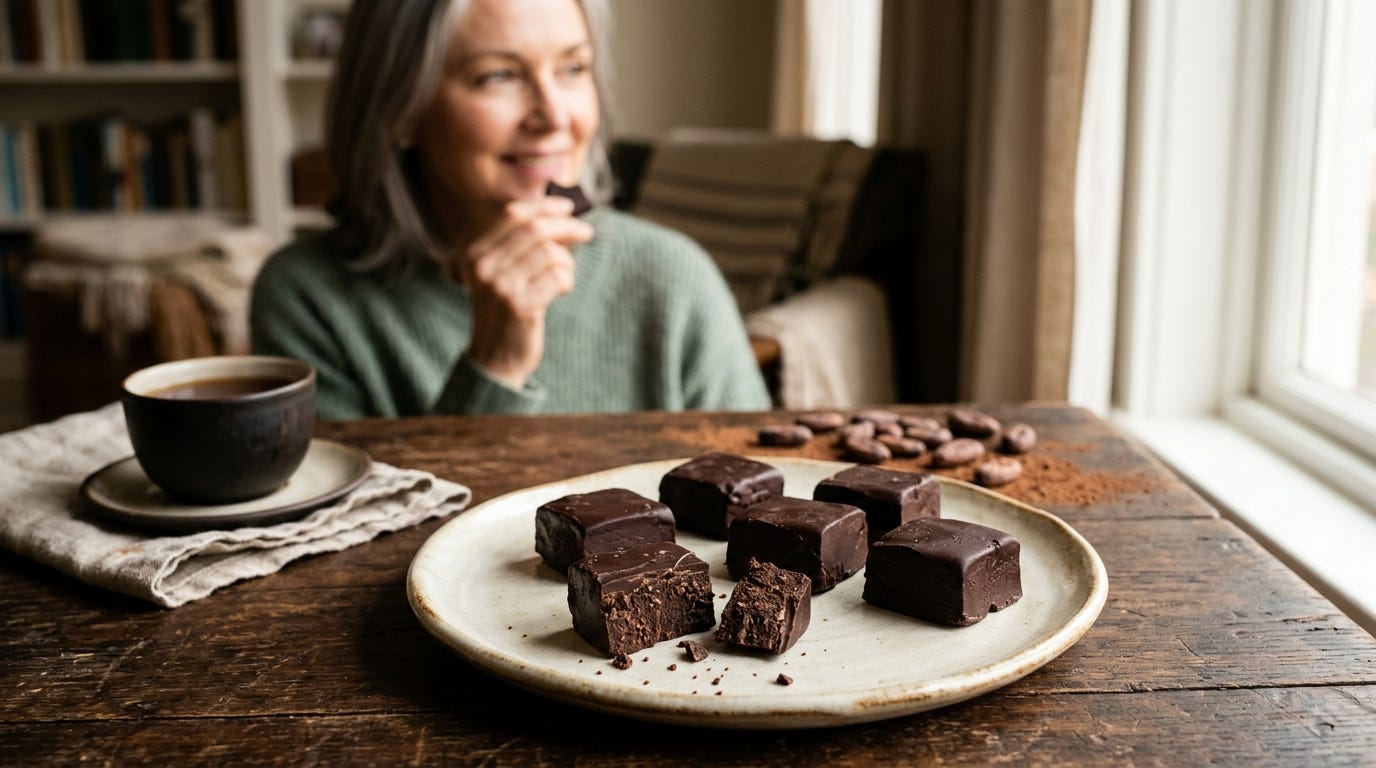
Yes, chocolate made the list.
But we’re not talking about a highly processed candy bar where sugar is the main ingredient. Cocoa itself is remarkably rich in plant compounds called flavanols, which have been studied for their effects on nitric oxide signaling and blood vessel function.
That’s particularly interesting when we think about aging because your entire body depends on healthy circulation. Your brain, muscles, kidneys, heart, and other tissues all depend on blood vessels to deliver oxygen and nutrients.
Choose dark chocolate with a high cocoa content and relatively little added sugar. You don’t need half a bar. A small amount can provide cocoa polyphenols while still fitting comfortably into an otherwise nutrient-dense diet.
12. Purple Sweet Potatoes: Healthy Aging Pigments
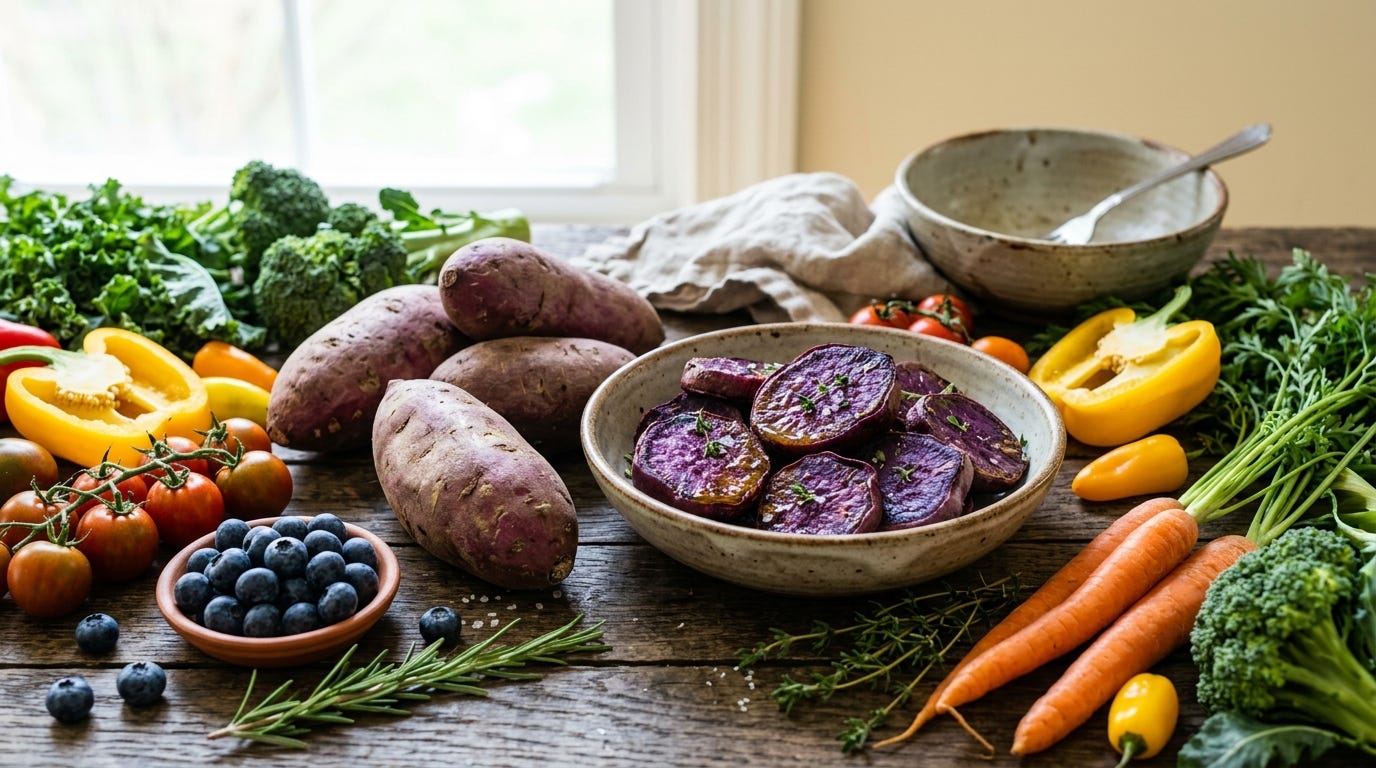
Purple sweet potatoes may be one of the most visually impressive foods you can put on your plate, and that color isn’t just for show.
Their purple pigmentation comes largely from anthocyanins, the same broad family of colorful plant compounds we discussed with blueberries. Purple sweet potatoes also provide fiber, potassium, carbohydrates, and numerous other plant compounds.
They illustrate a much larger lesson about nutrition and healthy aging: color matters.
Red tomatoes, orange carrots, yellow peppers, green broccoli, blueberries, and purple sweet potatoes all contain different combinations of phytochemicals. Instead of obsessing over one “superfood,” one of the simplest strategies is to make your grocery cart and dinner plate more colorful.
Food Is Only Half of the Muscle Equation
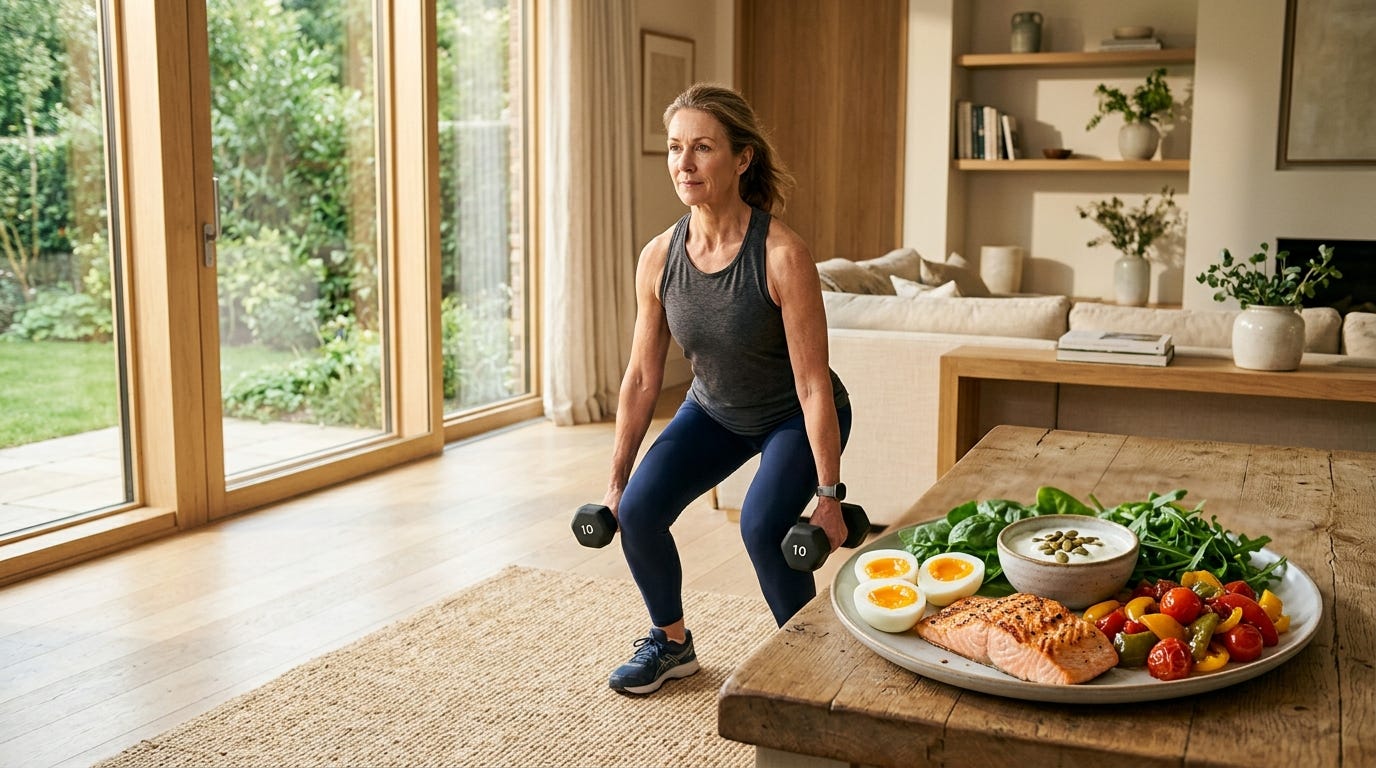
There’s one important point we can’t ignore. You can eat salmon, eggs, Greek yogurt, and pumpkin seeds every day, but your body still needs a reason to maintain muscle.
You have to use it.
Resistance training becomes increasingly valuable as we age. Walking, carrying groceries, climbing stairs, doing bodyweight squats, lifting weights, and regularly challenging your muscles all provide signals that those muscles are still needed.
Protein supplies the amino acids. Physical activity provides the stimulus.
And muscle isn’t merely about looking strong. Skeletal muscle is an important destination for circulating glucose, and regular physical activity supports insulin sensitivity. We recently touched on this relationship when looking at cortisol and blood sugar.
Maintaining muscle is ultimately about maintaining function—the ability to move, lift, balance, recover, and remain independent as you get older.
Your Gut Is Aging Too
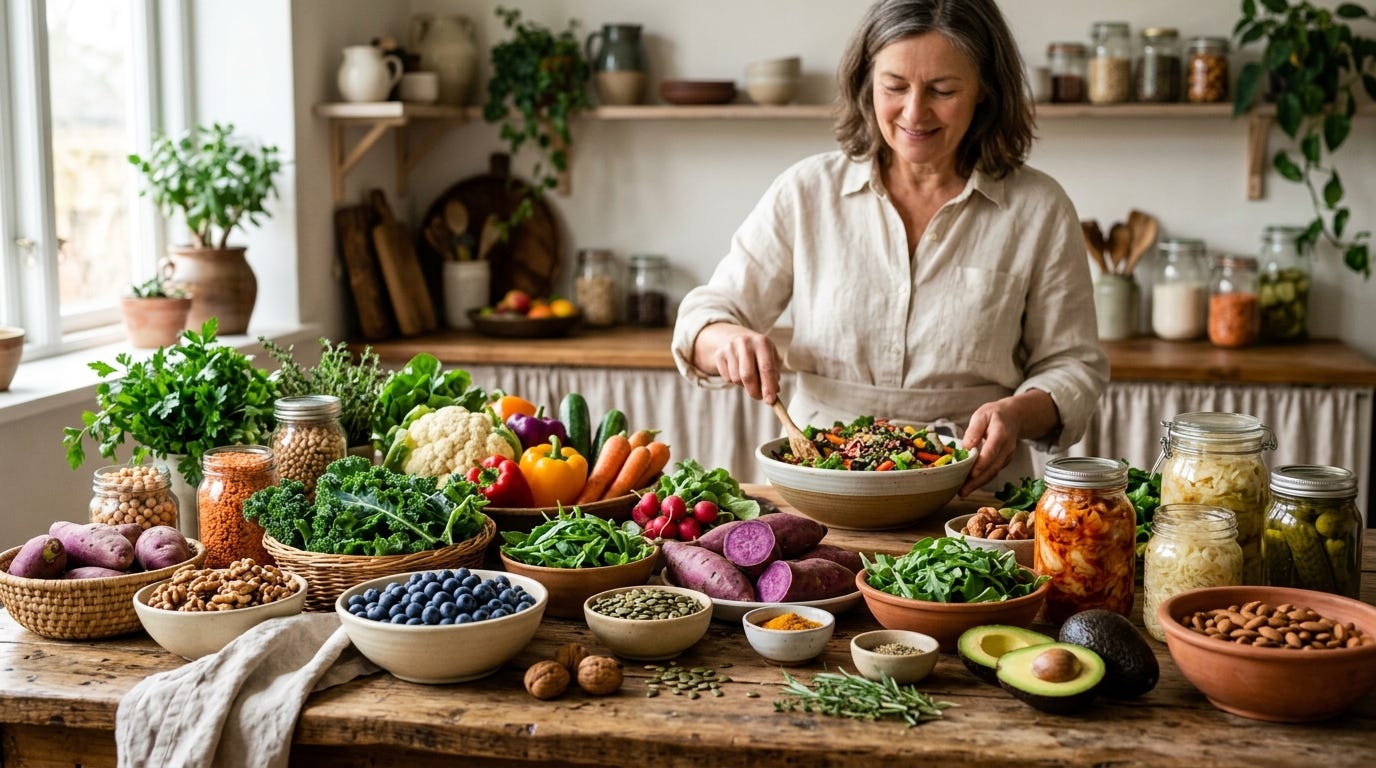
There’s another ecosystem we should think about as we get older: the gut microbiome.
Trillions of microorganisms live throughout your digestive tract, and what you eat influences which organisms thrive. Many plant fibers reach the colon largely undigested, where certain bacteria can ferment them. Some of this fermentation produces short-chain fatty acids, including butyrate.
Polyphenols can also interact with gut microorganisms, which gives us another reason to prioritize variety.
Blueberries provide something different from broccoli. Walnuts provide something different from leafy greens. Avocado provides something different from purple sweet potatoes.
So don’t just eat vegetables. Eat different vegetables. Don’t just eat fruit. Rotate your fruits. Eat nuts, seeds, herbs, spices, legumes, and fermented foods too.
Plant diversity gives your gut ecosystem a much broader menu.
Don’t Forget Your Bones
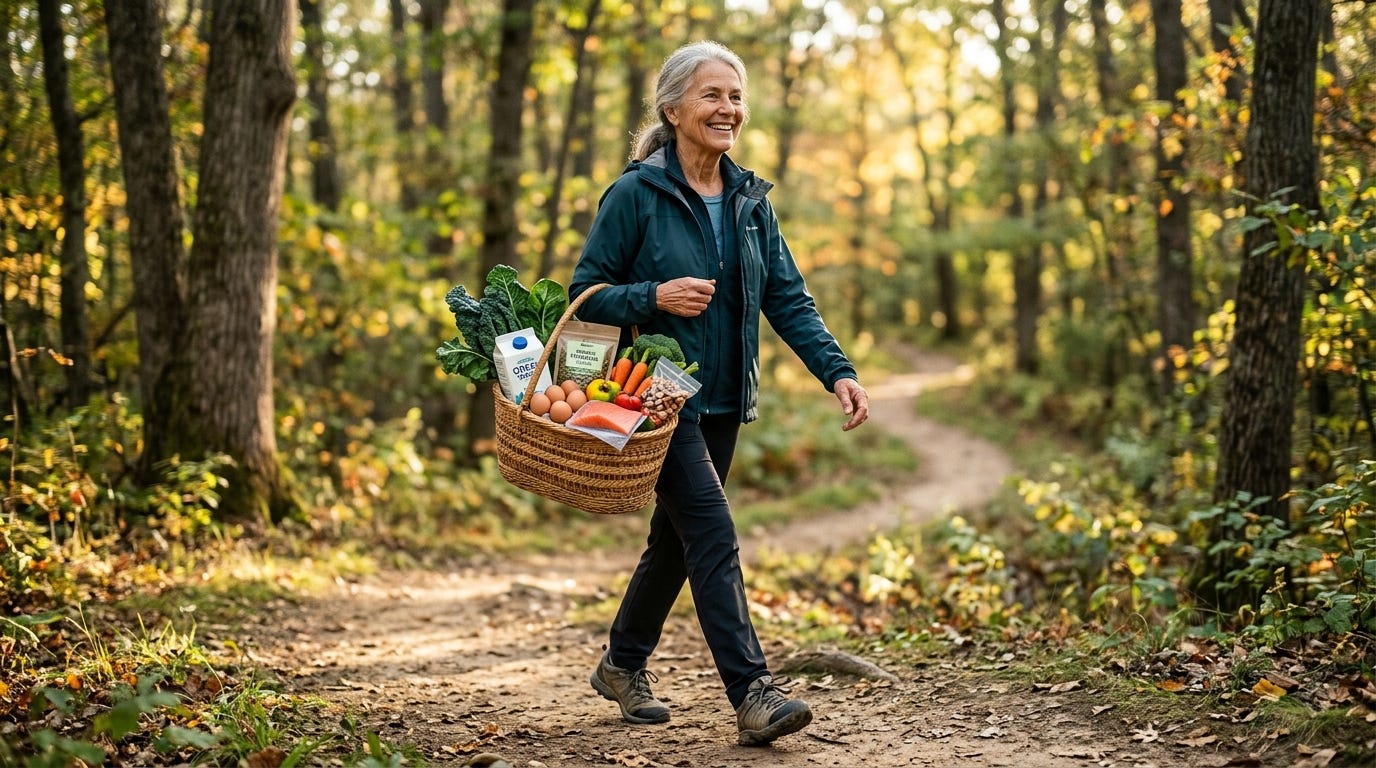
Muscle gets enormous attention in longevity conversations, but bones deserve some too.
Your skeleton isn’t a dead frame holding your body together. Bone is living tissue. It’s continuously being broken down and rebuilt through a process called remodeling.
As we age, maintaining bone becomes increasingly important. That means paying attention to nutrients including protein, calcium, vitamin D, magnesium, phosphorus, and vitamin K.
But nutrition alone isn’t enough here either. Bones respond to physical stress. Walking, resistance training, and appropriate weight-bearing activity give your skeleton signals that help maintain its strength.
Once again, the healthy-aging formula isn’t one food or supplement. It’s the combination of nutrition, movement, recovery, and consistency.
The Longevity Diet Doesn’t Need to Be Complicated
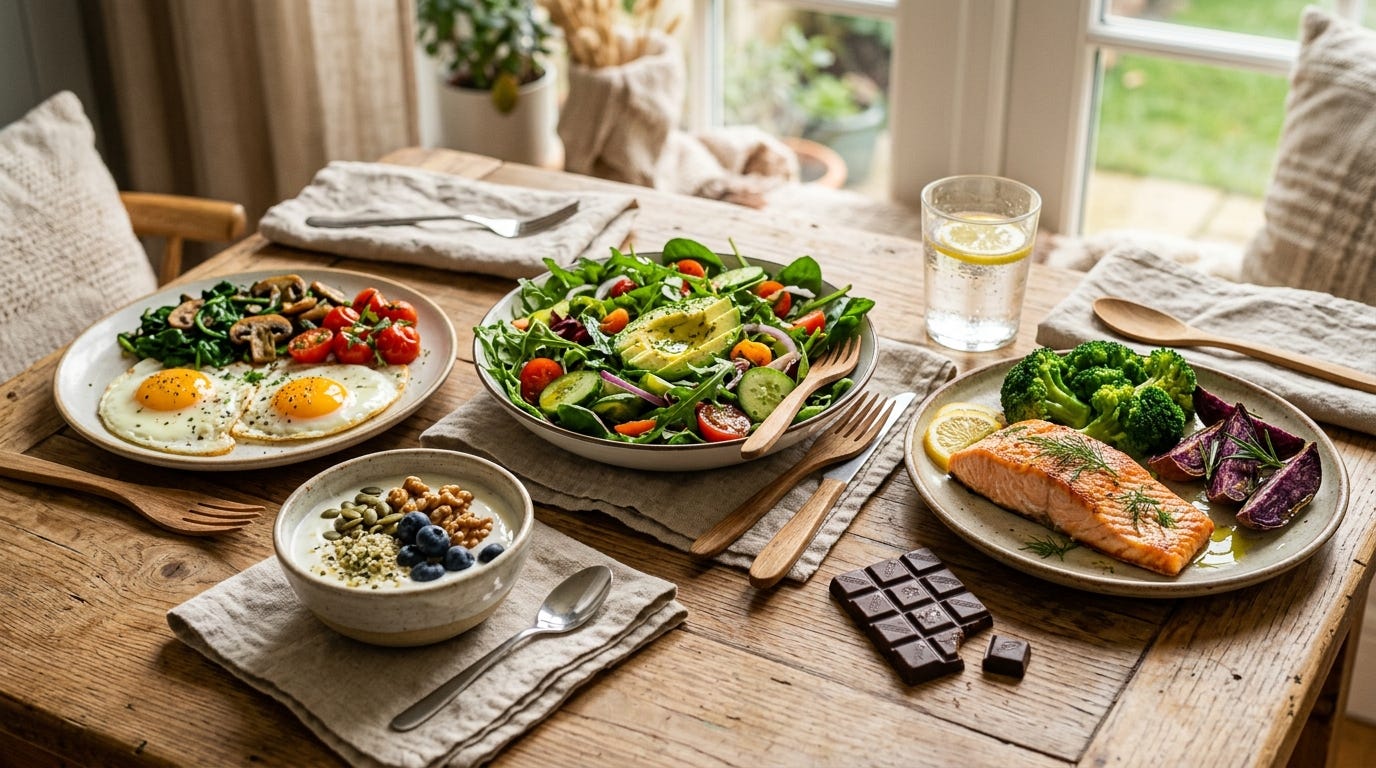
Look at the foods we’ve covered: blueberries, olive oil, walnuts, eggs, salmon, broccoli, pumpkin seeds, avocado, Greek yogurt, leafy greens, dark chocolate, and purple sweet potatoes.
None of them are exotic longevity compounds that cost $100 a bottle.
They’re food.
And that’s really the point.
You could start your morning with eggs and vegetables or Greek yogurt topped with blueberries, walnuts, and pumpkin seeds. Lunch could be a large salad with leafy greens, avocado, colorful vegetables, and extra-virgin olive oil. Dinner could be salmon with broccoli and a purple sweet potato, followed by a small piece of high-cocoa dark chocolate.
You don’t need to eat all 12 foods every day. Think of them as foods to keep in your regular rotation while continuing to eat a broad variety of whole and minimally processed foods.
Over time, the goal is simple: more whole foods, more colors, adequate protein, more fiber, healthy fats, omega-3s, minerals, and plenty of variety.
Bringing It Together

There is no food that stops aging. There is no supplement that makes you biologically 25 forever, and there is no single longevity hack that replaces the fundamentals.
But your body spends every day maintaining itself.
Your muscles are constantly turning over proteins. Your bones are remodeling. Your cells are producing energy. Your brain requires nutrients. Your blood vessels continuously regulate circulation. Your gut microorganisms respond to what you feed them.
Food supplies many of the raw materials involved in those processes.
That’s why healthy aging isn’t about eating perfectly. It’s about creating a nutritional environment that helps your body continue doing what it has been doing since the day you were born: maintaining, adapting, rebuilding, and repairing.
Eat enough protein. Eat colorful plants. Eat healthy fats. Eat fiber. Eat foods rich in minerals. Maintain your muscle. Move every day. Sleep consistently.
And don’t spend your life searching for one miracle anti-aging food.
The real advantage comes from the simple things you keep doing for decades.
If you enjoy practical wellness breakdowns that connect nutrition, physiology, and everyday habits without the wellness fluff, consider subscribing to Holistic Magazine.
Free subscribers receive evidence-based wellness articles each week. Paid subscribers receive our in-depth protocols, meal systems, premium nutrition guides, and practical wellness resources designed to help you build lasting health.