

Hi friends,
Blood circulation is something most people don’t think about until something feels off.
Cold hands
Low energy
Brain fog
Muscle tightness
But circulation is happening all the time.
It’s how oxygen is delivered.
How nutrients move.
How waste is removed.
It supports every system in the body.
And small, consistent inputs can influence how well it works.
In Less Than 10 Minutes, We’ll Cover:
Why circulation matters more than people think
How movement influences blood flow
10 simple ways to support circulation daily
Common habits that quietly reduce circulation
How to make this practical
Before We Begin…
If you value clear, research-informed explanations that focus on physiology rather than trends, consider upgrading to the paid subscription.
Your support allows us to continue publishing long-form guides, structured protocols, and practical checklists designed to help people understand how their bodies work.
You’ll also gain access to our growing members-only premium library.
Here are our most recent premium articles:
The Daily Longevity Routine Recommended by 30 Anti-Aging Experts
20 Hidden Sources of Toxins You Should Know About (and Remove)
Why Circulation Matters
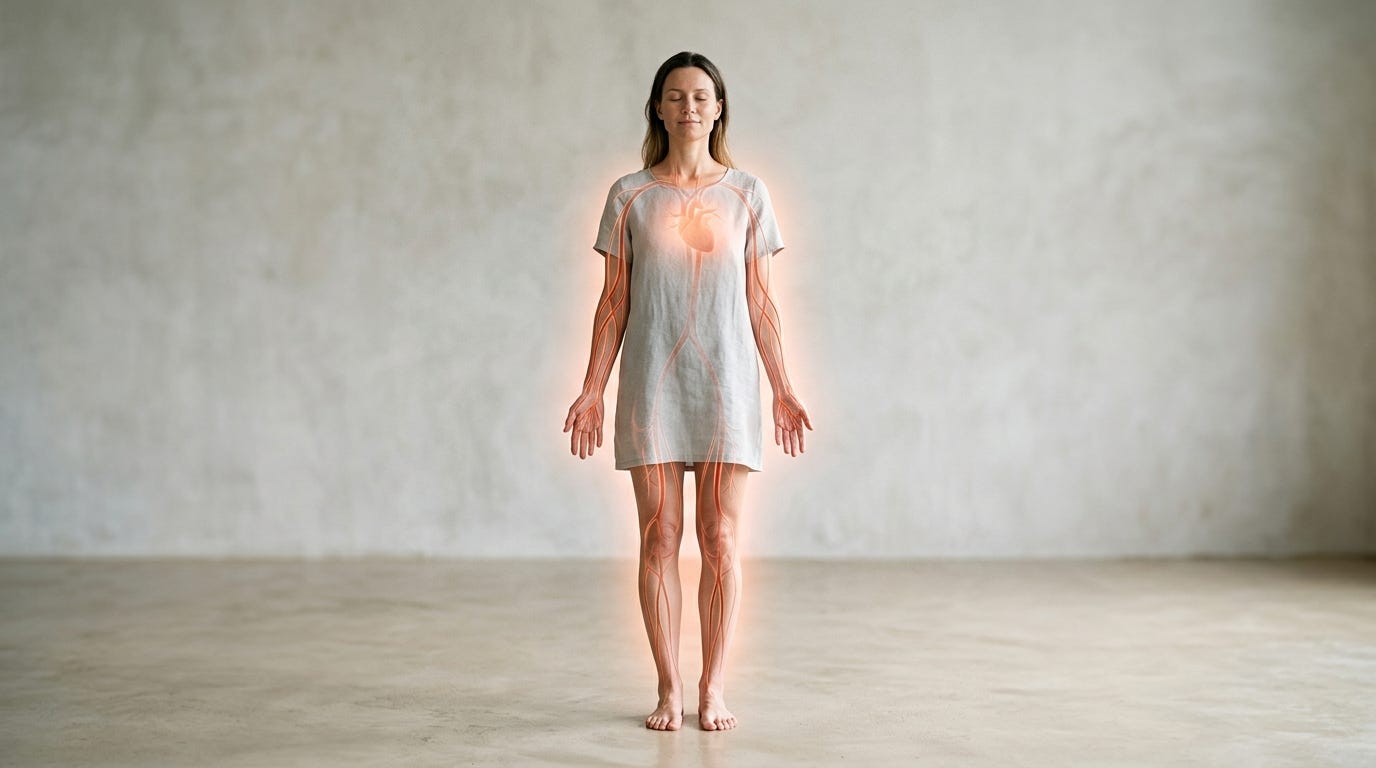
Blood flow is how the body distributes resources.
Oxygen travels through red blood cells.
Glucose and fatty acids supply energy.
Electrolytes help regulate signaling.
At the same time, circulation helps remove:
carbon dioxide
metabolic waste
byproducts of inflammation
When circulation slows down, delivery and removal both become less efficient.
This can show up as:
fatigue
slower recovery
cold extremities
reduced mental clarity
How Movement Influences Blood Flow
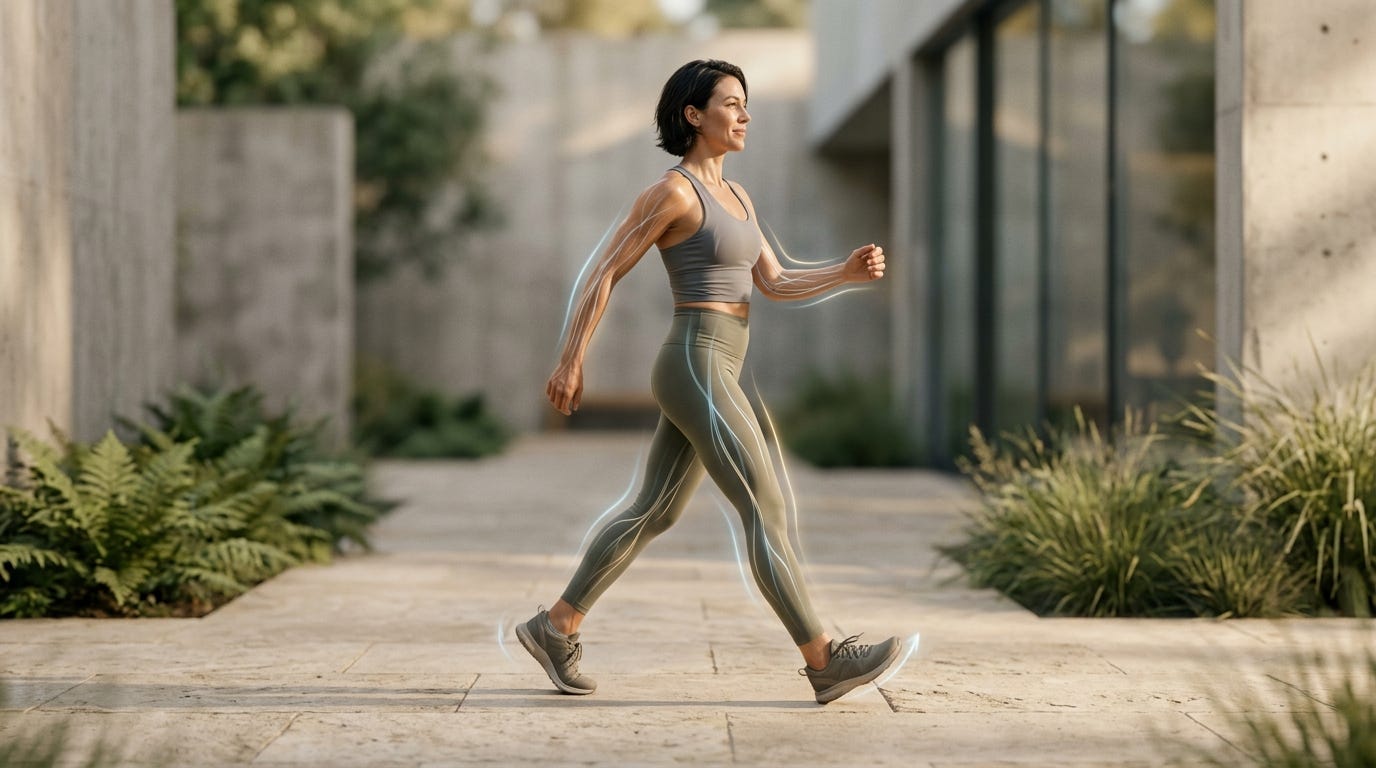
The heart pumps blood through the body.
But movement helps circulate it more efficiently.
Muscles contract and relax.
Blood vessels respond to pressure changes.
Valves in the veins rely on movement to push blood upward.
Even small movements can make a difference.
This is why long periods of sitting can affect how circulation feels.
And why short bursts of movement can shift energy quickly.
10 Simple Ways to Support Circulation
These are small inputs that can be layered throughout the day.
They work best when they’re consistent.
Ankle Rotations
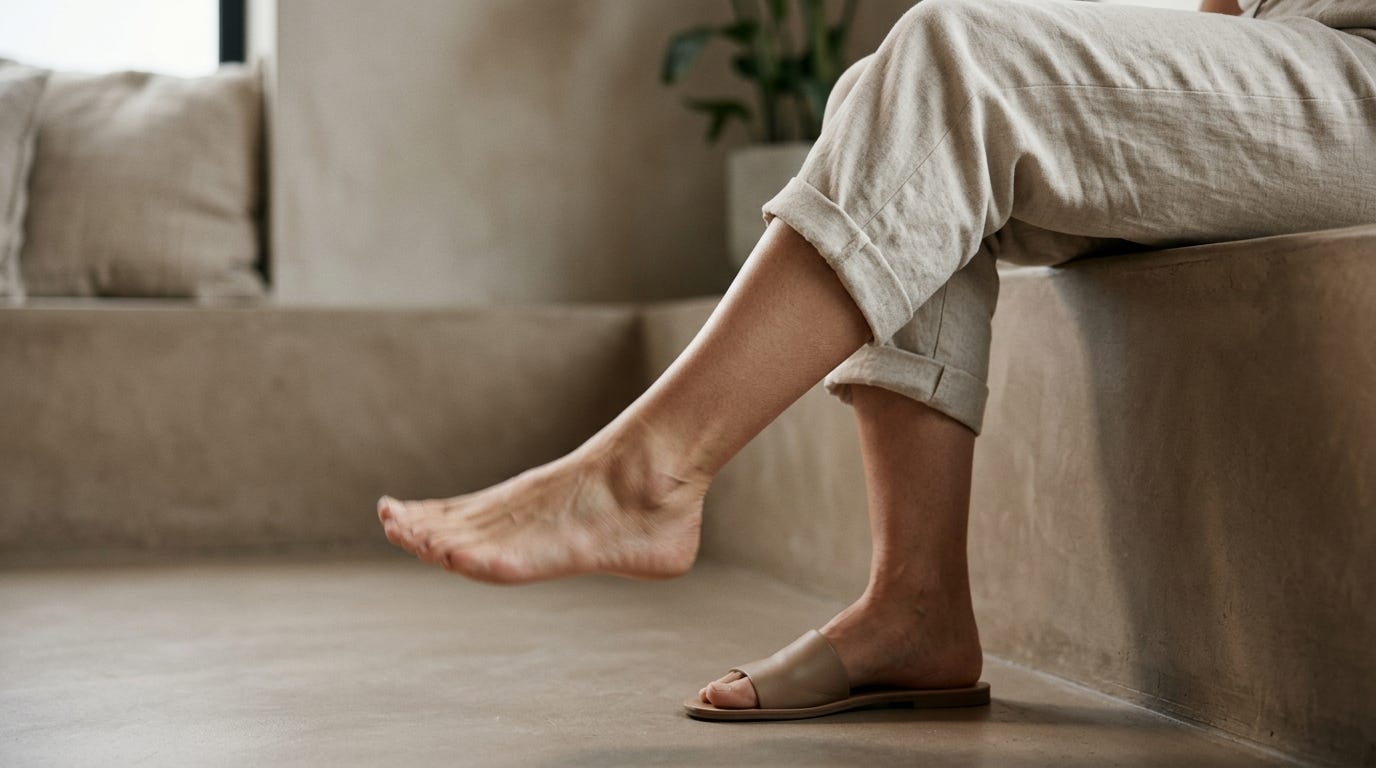
Rotate your ankles slowly for 30 to 60 seconds.
This helps move blood through the lower legs, especially after sitting or standing in one position. It also supports the small joints and muscles around the ankle that assist with venous return.
Calf Raises
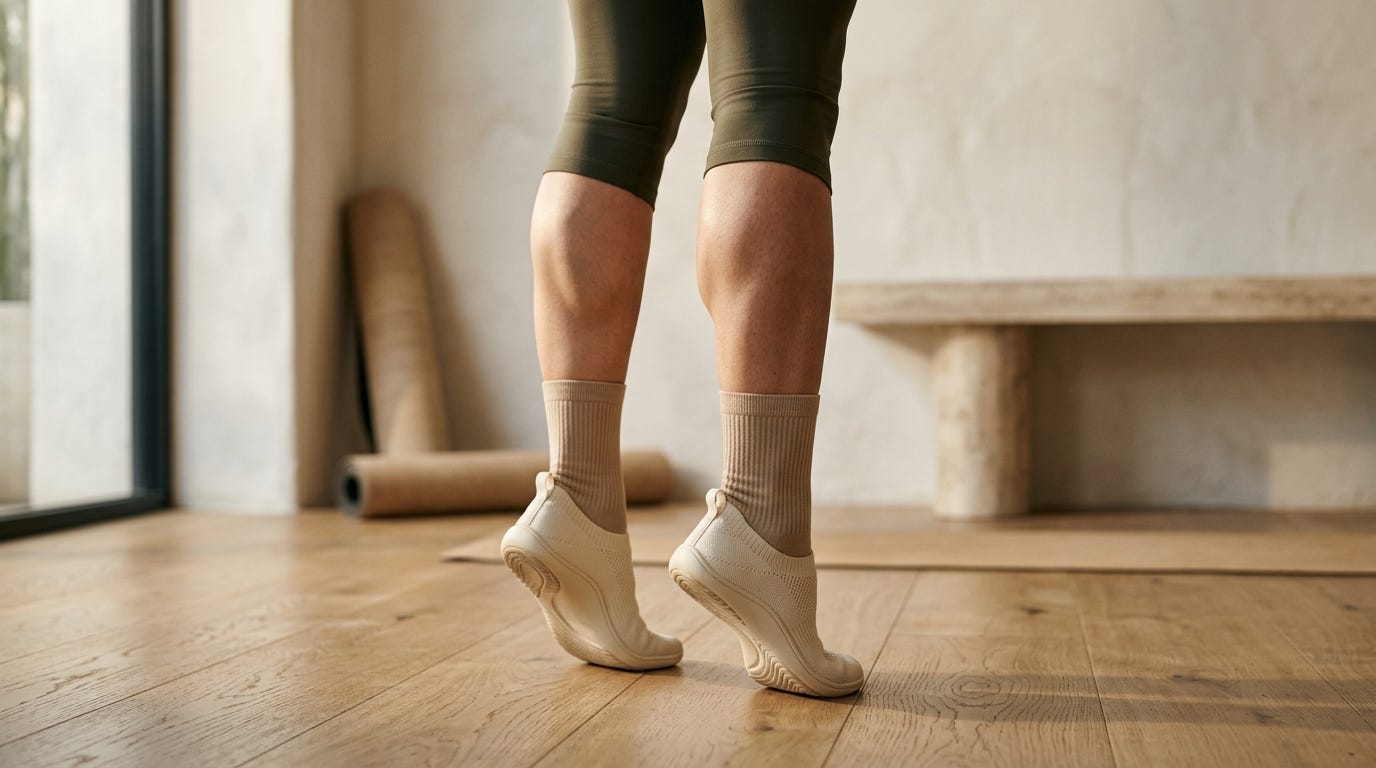
Lift your heels up and down while standing.
The calf muscles act like a pump that helps push blood back toward the heart. Doing this for even 30 seconds can create a noticeable shift in lower body circulation.
Walking After Meals

A 5 to 10 minute walk after eating supports circulation and glucose movement.
It helps direct blood flow toward digestion while also keeping the rest of the body active. Many people notice more stable energy when this becomes a habit.
Wrist Flex and Extension
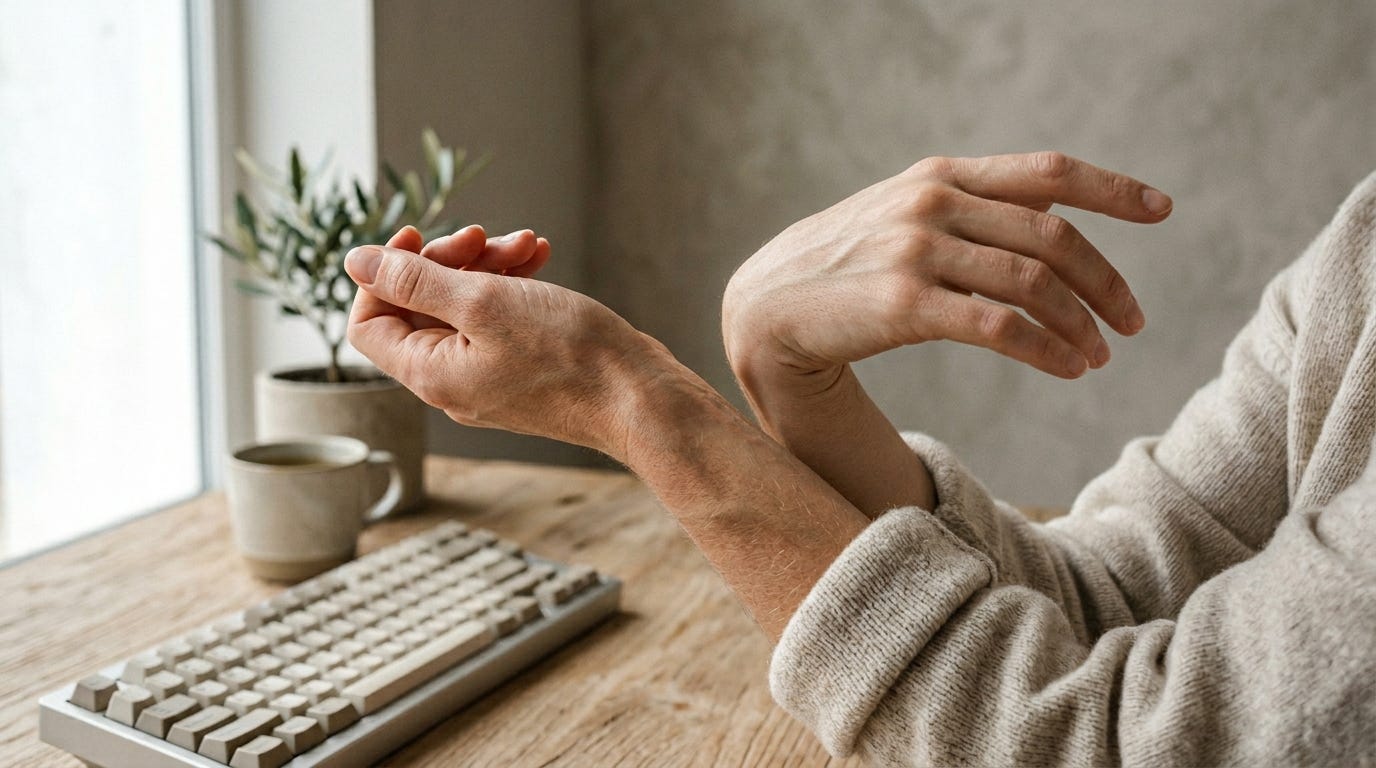
Gently bend your wrists forward and backward.
This can help improve circulation to the hands and forearms, especially if you spend time typing or using your phone. It also reduces stiffness that can build up throughout the day.
Hand Opening and Closing
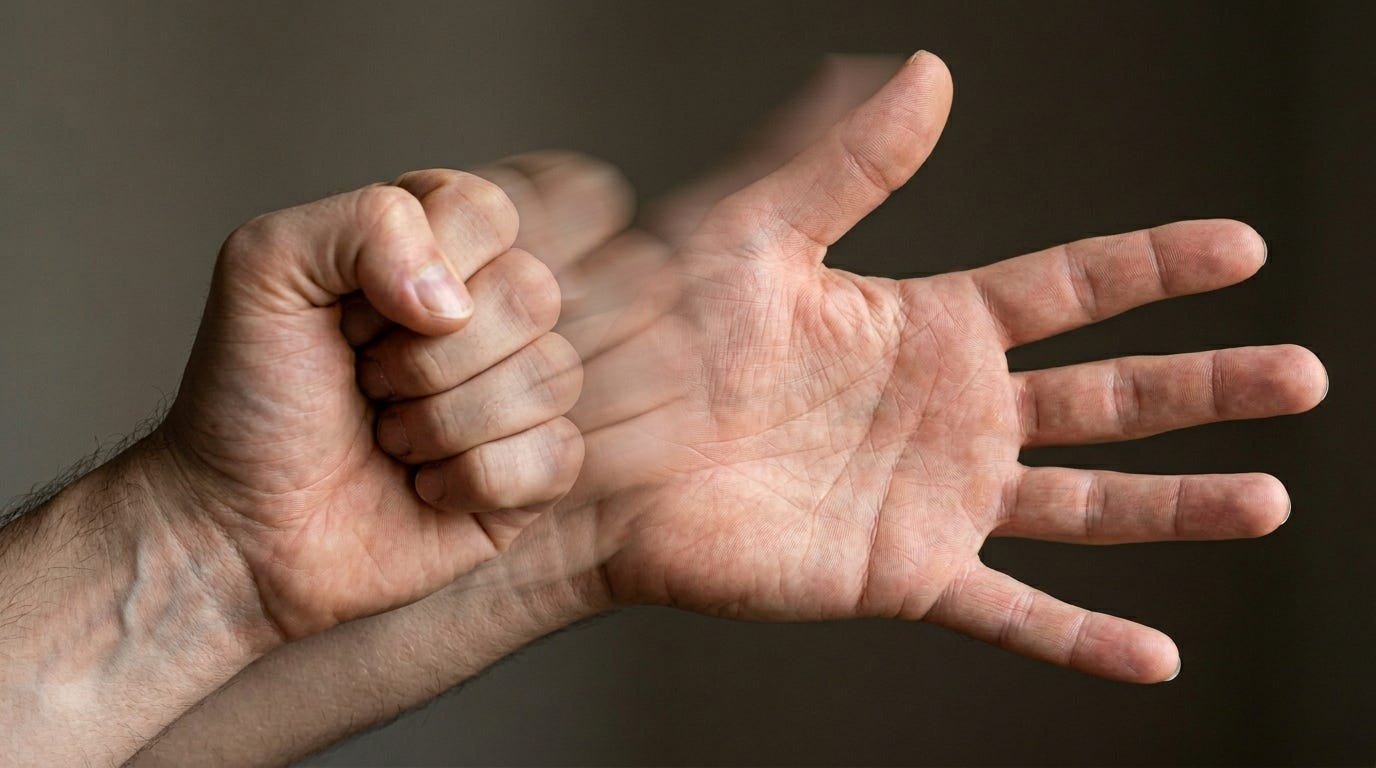
Make a fist, then fully open your hand.
Repeat this for 30 to 60 seconds to encourage blood flow into the fingers. This is a simple way to reduce that cold or tight feeling in the hands.
Neck Mobility Movements
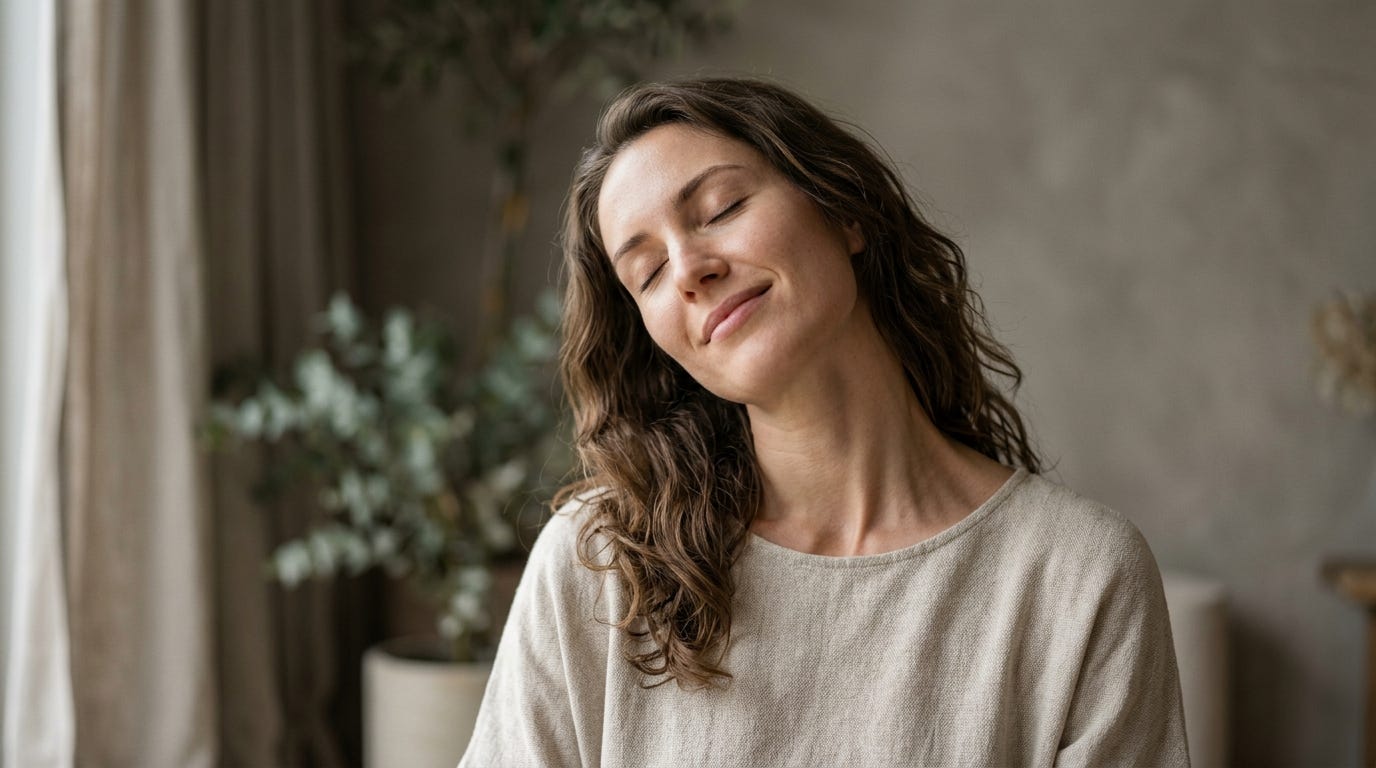
Slowly tilt your head side to side and forward.
This can help reduce tension around the neck and improve blood flow to the head. Gentle movement here also supports how oxygen is delivered to the brain.
Shoulder Rolls
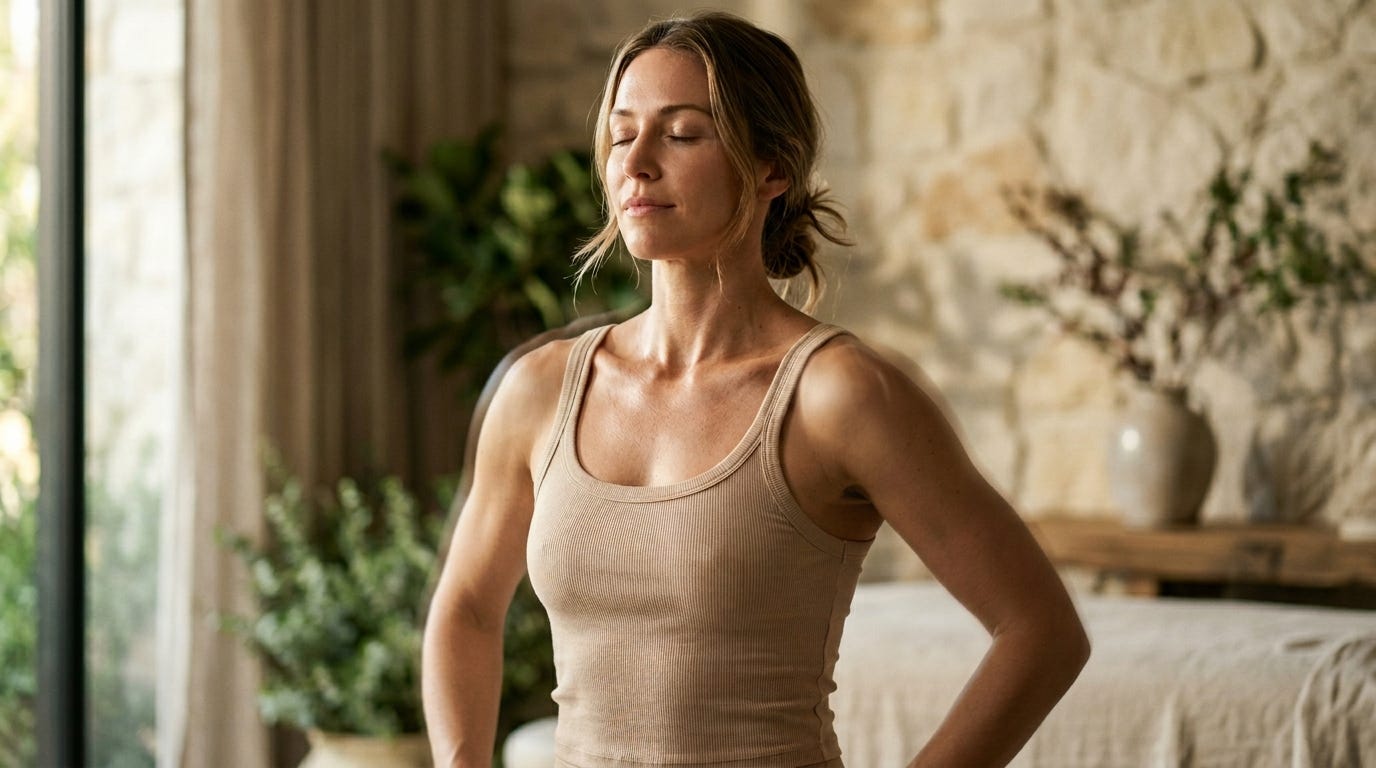
Roll your shoulders forward and backward.
This opens up the upper body and allows blood to move more freely through the chest and arms. It can also help counteract the forward posture many people sit in.
Deep Nasal Breathing
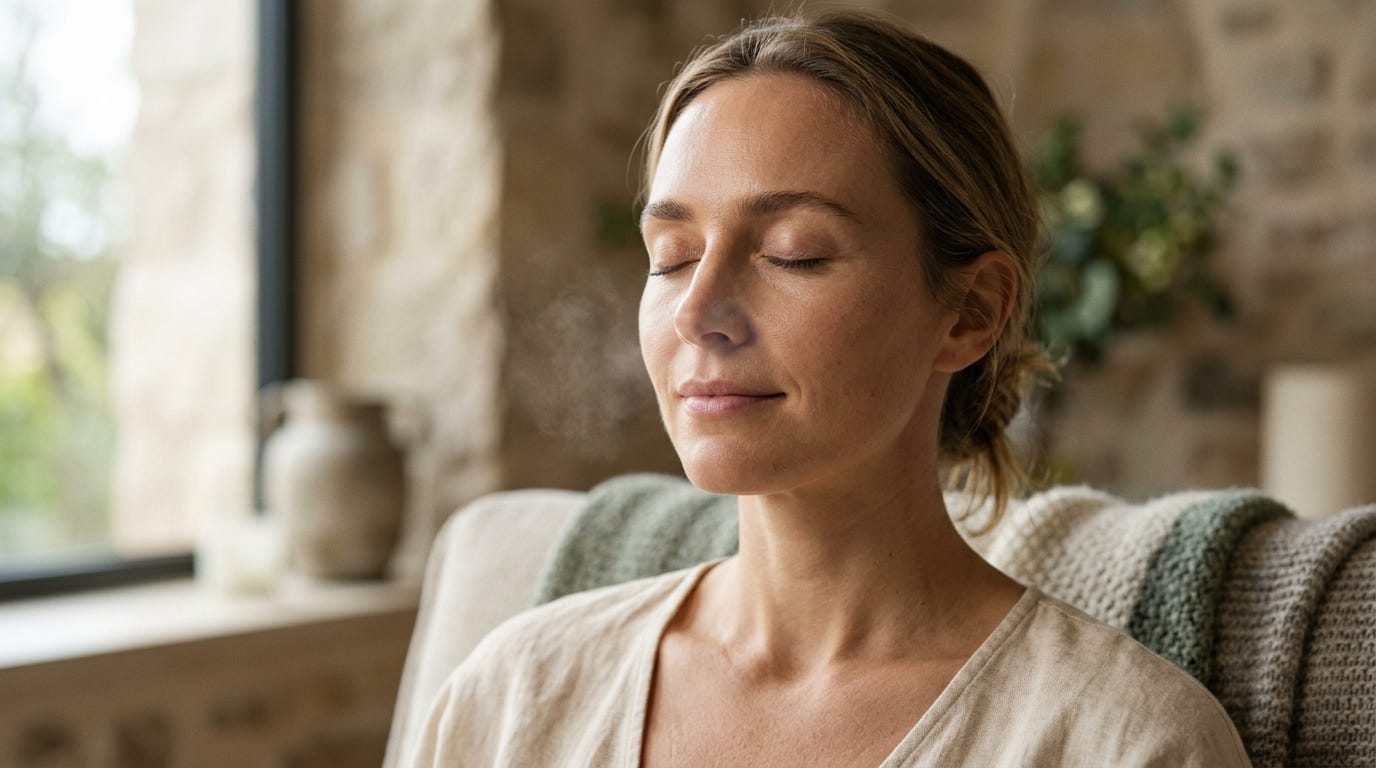
Slow breathing influences circulation through pressure changes in the chest.
It supports oxygen exchange and helps move blood back toward the heart. Over time, this can also support nervous system balance.
Leg Elevation

Lying down with your legs slightly elevated can help venous return.
Gravity assists blood flow from the lower body back toward the heart. This can feel especially helpful after long periods of standing or sitting.
Contrast Showers

Alternating warm and cool water can influence blood vessel behavior.
Warm water encourages dilation, while cooler water encourages constriction. This creates a pumping effect that can support overall circulation.
Common Habits That Reduce Circulation
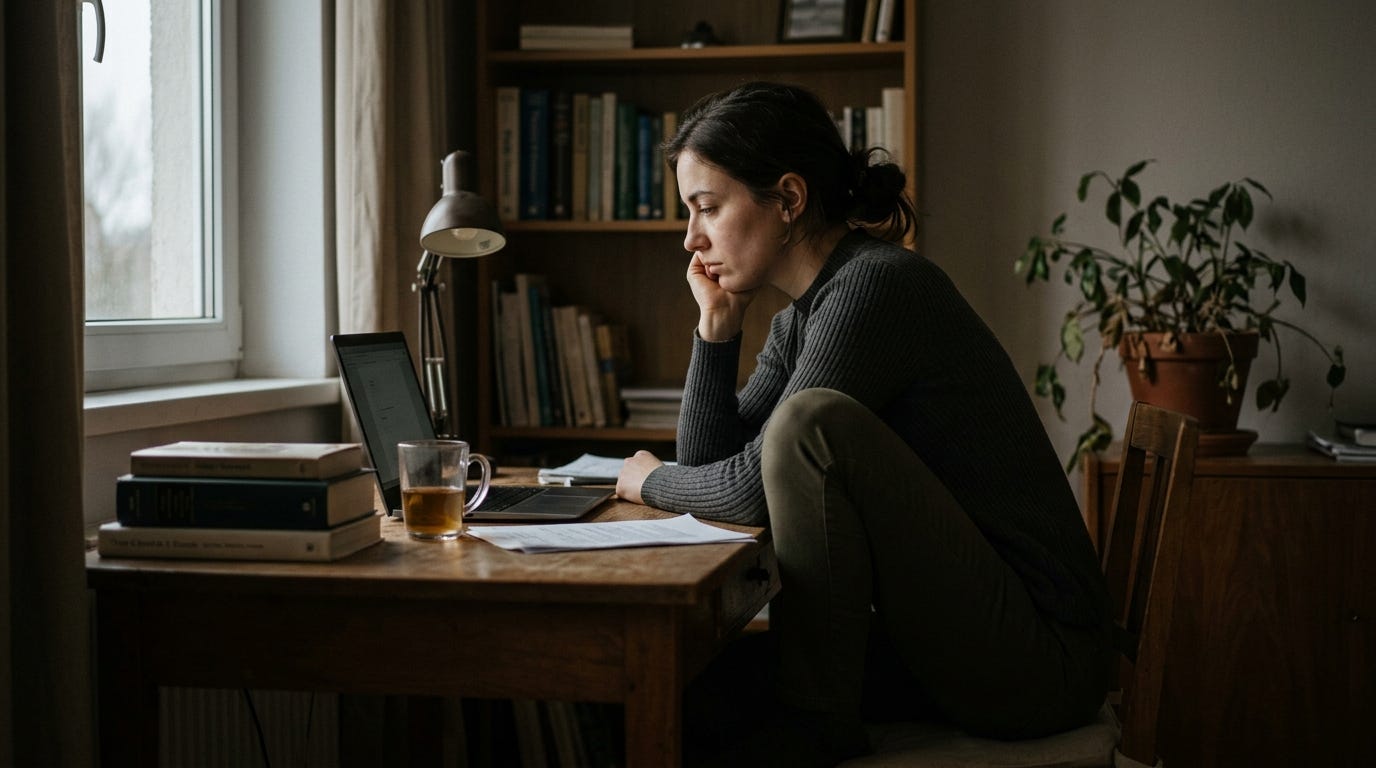
Long periods of sitting without movement
Tight clothing that restricts blood flow
Shallow breathing patterns
Low overall activity levels
Bringing It Together
Circulation is always happening.
The goal is to support how efficiently it moves.
You don’t need a full routine.
You need small, repeated inputs throughout the day.
A few minutes here and there can support:
energy
mental clarity
muscle function
overall recovery
If this helped, the full Circulation Support Guide goes deeper.
It walks through:
how circulation connects to metabolism
how to identify signs of poor blood flow
how to structure movement throughout the day
how to combine breath, movement, and temperature
step-by-step frameworks you can apply
For $8 per month, you’ll get structured protocols, printable checklists, and long-form breakdowns designed for real life.
You’ll also gain access to our growing members-only premium library.
Here are our most recent premium articles: